
How to Get Sap Out of Hair?
As an Amazon Associate, We earn from qualifying purchases.
Getting sticky tree sap in your hair can be a frustrating mess, but don’t fret! This guide provides a range of effective, gentle solutions to help you safely remove the stubborn goo. From common household items like peanut butter and oils to stronger rubbing alcohol, you’ll learn how to get sap out of hair without damaging your strands, leaving your hair clean and happy.
How to Get Sap Out of Hair?
There’s nothing quite like a lovely day spent outdoors, breathing in fresh air, enjoying the shade of towering trees, or even just doing some yard work. But sometimes, nature throws a sticky curveball: a blob of tree sap, seemingly out of nowhere, finds its way into your hair. It’s a truly annoying and sticky situation that can leave you feeling frustrated and wondering how on earth you’re going to get that gummy mess out without resorting to drastic measures.
That glistening, amber-colored goo might seem like an impossible foe, but rest assured, it’s not. Whether it’s from pine, spruce, or any other tree, sap has a way of clinging stubbornly to hair strands. The good news is that you don’t need to panic, and you certainly don’t need to reach for the scissors. With the right approach and a few common household items, you can effectively and gently learn how to get sap out of hair, restoring your locks to their former glory.
In this comprehensive guide, we’ll walk you through various tried-and-true methods, from the gentlest natural solutions to slightly stronger options for those really stubborn blobs. We’ll also cover essential preparation, aftercare, and even some tips to prevent future sticky encounters. So, take a deep breath, gather your supplies, and let’s tackle that sap together.
Key Takeaways
- Act Quickly but Calmly: While sap is best removed sooner rather than later, avoid panic and harsh pulling which can damage hair.
- Start Gentle: Always begin with the least abrasive methods, such as natural oils or creamy substances, to prevent scalp irritation or hair breakage.
- Oil is Your Friend: Many effective sap removal methods rely on the principle that oil breaks down the sticky resin. Peanut butter, olive oil, and mayonnaise are excellent choices.
- Rubbing Alcohol for Stubborn Cases: Isopropyl alcohol (rubbing alcohol) is highly effective for tougher sap, but use it sparingly and carefully, as it can be drying.
- Section and Isolate: Work on small, manageable sections of hair to ensure thorough removal and minimize spread.
- Thorough Rinsing and Aftercare: After removing the sap, cleanse your hair thoroughly with shampoo and conditioner to remove residues and rehydrate your scalp and strands.
- Prevention is Key: When enjoying the outdoors, consider wearing hats or tying up long hair to avoid future sticky mishaps.
📑 Table of Contents
Understanding Tree Sap and Why It’s So Sticky
Before diving into the removal techniques, it’s helpful to understand what tree sap is and why it behaves the way it does. Sap is a complex fluid transported through a tree’s vascular system, carrying water, nutrients, and sugars essential for its growth and survival. What we often encounter as “sap” on the outside of a tree, especially after an injury, is actually resin – a sticky, viscous substance that the tree produces as a defense mechanism.
Resin hardens upon exposure to air, creating a protective barrier against insects and fungi. Its sticky nature comes from its chemical composition, which often includes terpenes and other organic compounds that are not water-soluble. This is why a simple shampoo and water wash won’t do the trick when you’re trying to figure out how to get sap out of hair. You need something that can break down those specific compounds, effectively dissolving the stickiness.
Preparation is Key: What to Do Before You Start
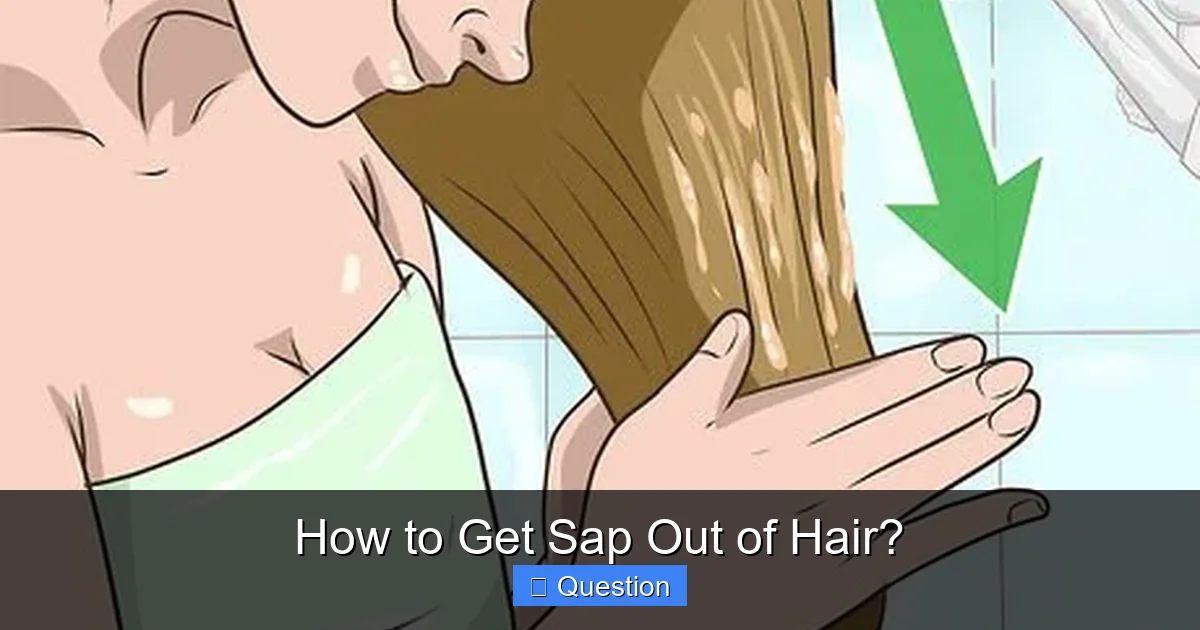
Visual guide about How to Get Sap Out of Hair?
Image source: wikihow.com
Getting ready for sap removal is almost as important as the removal process itself. A little preparation can prevent the sap from spreading and make the entire process much smoother.
Gather Your Supplies
Before you start, collect everything you might need. This could include:
- Your chosen sap remover (peanut butter, olive oil, rubbing alcohol, etc.)
- A fine-tooth comb or an old toothbrush
- Paper towels or old rags
- A gentle shampoo and conditioner
- A shower cap or old towel to protect clothing
- Optional: Cotton balls or pads
Isolate the Affected Area
The last thing you want is to spread the sap to more hair strands. Carefully identify the exact location of the sap. If it’s a small patch, you can often isolate it by sectioning off the rest of your hair with clips or hair ties. If it’s more widespread, try to work on small, manageable sections at a time. This targeted approach will make it much easier to focus your efforts and successfully get sap out of hair.
Don’t Panic and Don’t Pull
It’s tempting to try to pick or pull the sap out, but resist the urge! Pulling can yank out hair strands, causing pain and damage. Sap typically adheres to the hair shaft, not the scalp, so a gentle, dissolving approach is always best. Patience is a virtue when you’re dealing with sticky sap.
Gentle Household Remedies: Your First Line of Defense
When considering how to get sap out of hair, always start with the gentlest methods first. These rely on substances that are safe for your skin and hair, and they are often highly effective. The key principle here is that oil-based products help to dissolve the resin.
Peanut Butter: The Unexpected Hero
Yes, you read that right! Peanut butter is one of the most popular and effective solutions for sap removal. The oils and fats in peanut butter work wonders to break down the sap’s sticky compounds.
- How to Use: Take a generous dollop of creamy (not chunky!) peanut butter and apply it directly to the sap-affected hair. Ensure the sap is completely covered.
- Application Tips: Gently massage the peanut butter into the sap and surrounding hair. The goal is to emulsify the sap with the oils. Let it sit for 5-10 minutes.
- Removal: Using a fine-tooth comb or an old toothbrush, carefully comb through the treated section of hair, working from the roots towards the ends. The sap should start to loosen and come off with the peanut butter.
Natural Oils: Olive Oil, Vegetable Oil, Coconut Oil
Various cooking oils are excellent for dissolving sap. They are readily available, gentle on hair, and very effective.
- How to Use: Apply a generous amount of your chosen oil directly onto the sap. Olive oil, vegetable oil, or coconut oil (melted if solid) are all great options.
- Application Tips: Saturate the sap and the immediate hair strands. Gently rub the oil into the sap to help it penetrate and break down the stickiness. Let it sit for 10-15 minutes.
- Removal: Just like with peanut butter, use a fine-tooth comb to carefully comb the sap out. Repeat application if necessary.
Mayonnaise: A Conditioning Sap Remover
Similar to peanut butter, mayonnaise contains oil that can help break down sap, with the added benefit of being somewhat conditioning.
- How to Use: Apply a good amount of mayonnaise directly onto the sap-covered hair.
- Application Tips: Massage it in gently, ensuring the sap is fully coated. Allow it to sit for 10-15 minutes.
- Removal: Carefully comb through the hair to remove the sap, which should now be loosened.
Stronger Solutions for Stubborn Sap
If the gentler methods haven’t fully done the trick, or if you’re dealing with a particularly large and stubborn blob, you might need to step up your game. These methods are still safe but require a bit more caution.
Rubbing Alcohol (Isopropyl Alcohol)
Rubbing alcohol is a highly effective solvent for sap, but it can be drying to hair and skin, so use it sparingly and carefully. This is often the go-to for many when they need to know how to get sap out of hair quickly.
- How to Use: Dampen a cotton ball or paper towel with rubbing alcohol (70% isopropyl alcohol is standard).
- Application Tips: Gently dab or wipe the sap directly. Avoid rubbing too vigorously, and try to keep it off your scalp as much as possible. Work in small sections.
- Removal: As the sap softens, use a fine-tooth comb to gently work it out. You might need to re-dampen the cotton ball and repeat the dabbing process until all the sap is gone.
- Caution: Do not use nail polish remover (acetone) as it is much too harsh for hair and scalp. Always follow up with a thorough shampoo and conditioner to rehydrate.
Mineral Oil or Baby Oil
These are also petroleum-based products that can be very effective at dissolving sap. They are less drying than rubbing alcohol but can leave a greasy residue that requires thorough washing.
- How to Use: Apply a small amount of mineral oil or baby oil directly to the sap.
- Application Tips: Gently massage the oil into the sap. Let it sit for a few minutes to allow the oil to penetrate and break down the resin.
- Removal: Carefully comb the sap out with a fine-tooth comb.
Aftercare: Restoring Your Hair’s Health
Once you’ve successfully learned how to get sap out of hair, the job isn’t quite finished. It’s crucial to properly cleanse your hair and scalp to remove any residue from the sap, the removal agents, and to rehydrate your hair.
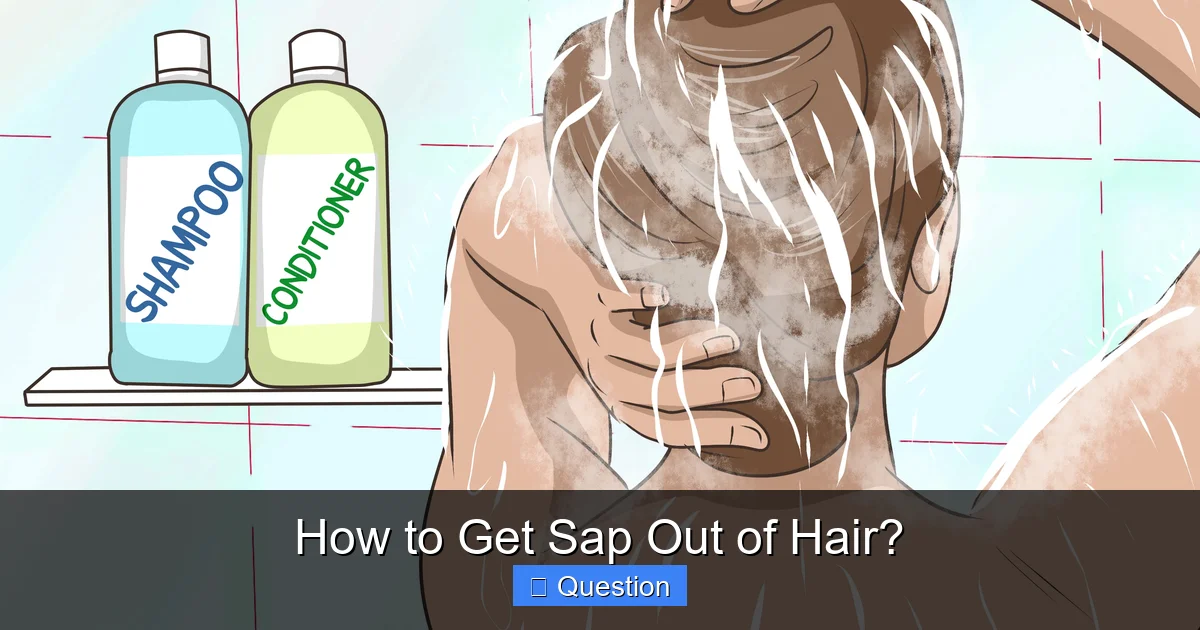
Shampoo Thoroughly
After removing the sap, you’ll likely have a greasy residue from whatever product you used (oils, peanut butter, etc.).
- Method: Apply your regular shampoo directly to the affected, un-rinsed hair first. This helps to emulsify the oils before adding water.
- Technique: Lather well, then add a little water and continue to work the shampoo through your hair and scalp. Rinse thoroughly with warm water.
- Repeat: You might need to shampoo two or even three times to completely remove all residues.
Condition and Hydrate
Sap removal, especially if you used alcohol, can be drying.
- Method: Follow up with a good quality conditioner, focusing on the mid-lengths and ends of your hair.
- Technique: Leave the conditioner in for a few minutes to allow it to deeply moisturize your strands. Rinse thoroughly.
- Consider a Deep Conditioner: If your hair feels particularly dry or brittle, a deep conditioning treatment or hair mask can help restore moisture and shine.
Gentle Drying
After such an ordeal, treat your hair kindly. Blot your hair gently with a towel instead of rubbing vigorously, and if possible, allow it to air dry or use a low heat setting on your blow dryer.
Prevention: Avoiding Future Sticky Situations
The best way to deal with sap in your hair is to avoid it altogether! Here are a few simple tips to help prevent future sticky mishaps:
- Wear a Hat: When working under trees, hiking, or spending extended time in wooded areas, a hat provides an excellent physical barrier.
- Tie Up Long Hair: If you have long hair, tying it back in a bun or braid can significantly reduce the surface area exposed to falling sap.
- Be Mindful of Low Branches: When walking near trees, especially pine or spruce, be aware of low-hanging branches that might have fresh sap drips.
- Check Before Leaning: Before leaning against a tree or sitting on a picnic bench under one, give it a quick check for sap.
- Quick Response: If you do notice a small amount of sap in your hair, addressing it immediately can prevent it from hardening and becoming a bigger problem. A quick wipe with an alcohol wipe (like a hand sanitizer wipe) can sometimes stop it in its tracks if caught early enough.
Getting tree sap in your hair can feel like a disaster, but as you’ve learned, it’s a manageable problem with several effective solutions. The key is to act calmly, choose a method that suits your hair type and the severity of the sap, and follow up with good hair care. By understanding how to get sap out of hair with gentle yet powerful techniques, you can confidently enjoy the great outdoors without fearing the sticky aftermath. So next time you find yourself in a sticky situation, remember these tips, and your hair will thank you!
Frequently Asked Questions
Is sap harmful to my hair or scalp?
While sap itself isn’t typically harmful, its stickiness can lead to hair breakage if you try to pull it out. Some people might experience mild skin irritation from certain tree resins, but generally, the main concern is the mess and the difficulty of removal.
Can I use gasoline or paint thinner to remove sap?
Absolutely NOT. Harsh chemicals like gasoline, paint thinner, or even nail polish remover (acetone) are extremely dangerous for your hair, scalp, and general health. They can cause severe chemical burns, strip hair of natural oils, and lead to significant damage. Stick to the safe methods outlined in this article for how to get sap out of hair.
How long can I leave sap in my hair before it becomes a bigger problem?
It’s best to remove sap as soon as possible. The longer it stays, the more it hardens and bonds to your hair, making it more challenging to remove. While not immediately damaging, fresh sap is always easier to tackle than old, hardened sap.
What if the sap is really close to my scalp?
If sap is very close to your scalp, be extra cautious. Use a cotton ball or swab to apply your chosen removal agent precisely to the sap, avoiding direct contact with the scalp as much as possible, especially with rubbing alcohol. Gently massage and comb away from the scalp.
Will peanut butter or oils make my hair greasy?
Yes, products like peanut butter, olive oil, or mayonnaise will make your hair greasy, but this is a temporary effect of the removal process. The grease helps dissolve the sap. A thorough shampoo (likely two or three washes) will completely remove both the sap and the oily residue, leaving your hair clean.
Can I prevent sap from getting into my hair entirely?
While you can’t guarantee 100% prevention, you can significantly reduce the risk. Wearing a hat, tying up long hair, and being mindful of your surroundings when under or near trees are excellent proactive steps to avoid getting sap in your hair.
As an Amazon Associate, We earn from qualifying purchases.