
How to Use a Hair Clip?
As an Amazon Associate, We earn from qualifying purchases.
Hair clips are incredibly versatile tools for managing and styling your hair, suitable for all hair types and occasions. This guide explores various clip types, fundamental techniques, and creative styling ideas to help you master securing your locks with ease. From quick half-ups to sophisticated updos, learning how to use a hair clip effectively can transform your daily look effortlessly.
How to Use a Hair Clip?
Have you ever looked at a beautifully coiffed hairstyle and wondered, “How did they do that?” Chances are, a trusty hair clip played a pivotal role! From the simplest of half-ups to the most intricate of updos, hair clips are the unsung heroes of hair styling. They’re incredibly versatile, surprisingly easy to use once you know a few tricks, and can instantly elevate your look from drab to fab in mere seconds.
Whether you have long, flowing locks, a sassy bob, or fine, wispy strands, there’s a hair clip out there for you. This comprehensive guide will walk you through everything you need to know about how to use a hair clip effectively. We’ll explore the different types, basic techniques, advanced styling ideas, and even offer tips for choosing the perfect hair clip for your hair type. Get ready to transform your hair game and discover the endless possibilities that these small but mighty accessories offer!
Key Takeaways
- Diverse Clip Types: Understand the unique functions of different hair clips, such as claw clips for updos, bobby pins for securing small sections, and barrettes for decorative touches, to choose the right one for your desired style.
- Master Basic Techniques: Learn essential methods like the half-up, full updo, and securing bangs with various hair clips, forming the foundation for more complex styles.
- Adapt to Hair Type: Select hair clips specifically designed for your hair’s thickness and texture to ensure a secure hold without damage or slippage.
- Creative Styling Options: Explore beyond simple holds to create elegant messy buns, sleek low ponytails, or intricate braided styles using the appropriate hair clip.
- Ensure Hair Health: Prioritize using quality hair clips and avoid overtightening to prevent breakage, pulling, or discomfort, maintaining the health of your hair.
- Troubleshoot Common Issues: Develop strategies for preventing clips from slipping or pulling, often by choosing the correct clip size, type, and placement for your hair.
📑 Table of Contents
Understanding Different Types of Hair Clips
Before diving into styling, it’s essential to know your tools. Hair clips come in a dazzling array of shapes, sizes, and materials, each designed for specific purposes. Getting familiar with them will make all the difference in achieving your desired look.
Claw Clips
These are perhaps the most popular and recognizable hair clips. Claw clips, also known as jaw clips, feature two “jaws” that spring open and snap shut to hold a large section of hair. They come in various sizes – mini for securing small sections, medium for half-ups, and large for full updos.
Bobby Pins
The unsung heroes of nearly every updo, bobby pins are small, U-shaped pins that grip hair tightly. They’re fantastic for securing loose strands, holding braids in place, or creating invisible support for more elaborate styles. Their wavy side should face your scalp for maximum grip.
Barrettes
Barrettes are decorative hair clips that often feature a clasp mechanism. They come in many designs, from simple metal or plastic rectangles to elaborate jeweled pieces. Barrettes are perfect for adding a touch of elegance, securing a small section, or holding back bangs.
Duckbill Clips (Alligator Clips)
These clips have a long, pointed tip and a strong spring mechanism, resembling a duck’s bill or an alligator’s jaw. While often used by stylists to section hair during cutting or styling, smaller versions can be great for holding back bangs or creating intricate styles temporarily.
Snap Clips
Simple and effective, snap clips are flat pieces of metal or plastic that “snap” closed. They’re excellent for securing small sections of hair, especially for children, or for keeping bangs out of your face. They offer a relatively flat profile, making them less bulky than other clips.
Basic Techniques for Everyday Hold
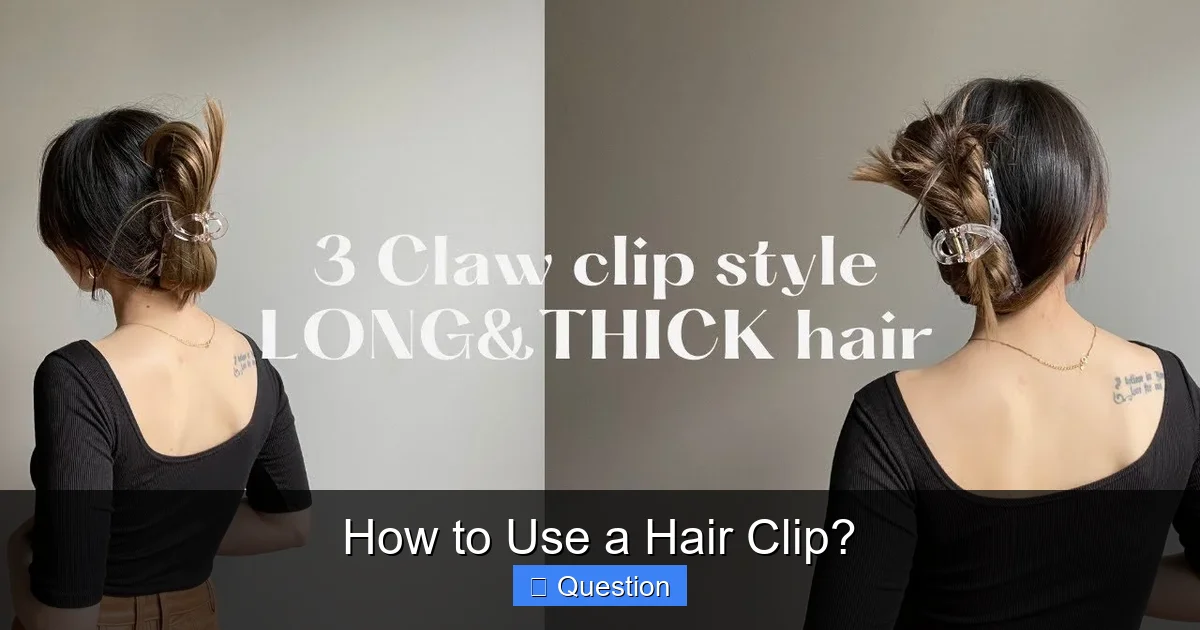
Visual guide about How to Use a Hair Clip?
Image source: i.ytimg.com
Now that you know your clips, let’s get to the fun part: using them! Learning how to use a hair clip for basic holds is your first step towards hair mastery.
The Classic Half-Up
The half-up style is perfect for keeping hair out of your face while still showcasing your length.
- Gather Top Section: Start by gathering the top section of your hair, from your temples back to the crown of your head.
- Twist (Optional): For extra security or a softer look, twist the gathered section once or twice.
- Secure with a Clip:
- Claw Clip: Open a medium-sized claw clip, scoop up the twisted hair, and close the clip to secure it at the back of your head.
- Barrette: If your hair isn’t too thick, a barrette can also hold this section elegantly. Simply clip it over the gathered hair.
- Bobby Pins: For a more discreet hold, you can crisscross two bobby pins under the gathered section.
Effortless Full Updo with a Claw Clip
This is one of the quickest ways to get your hair off your neck, especially on hot days.
- Gather Hair: Pull all your hair back into a low or medium ponytail, as if you were going to tie it.
- Twist Upwards: Twist the ponytail tightly upwards towards your head.
- Fold and Secure: Once twisted to your desired height, fold the end of the twist down against your scalp. Open a large claw clip and scoop up both the twisted hair and the folded ends, pressing the clip against your head to secure everything. The goal is for the clip to grab hair from the scalp and the twisted section.
Securing Bangs or Front Strands
Keeping bangs out of your eyes or sweeping front pieces aside is a common use for a hair clip.
- Comb and Position: Comb your bangs or front pieces to the side or straight back, depending on your desired look.
- Clip in Place:
- Snap Clip: A small snap clip is perfect for a flat, secure hold.
- Bobby Pin: For an almost invisible hold, use a bobby pin, crossing two for extra grip if needed.
- Small Barrettes: For a decorative touch, a small barrette works wonderfully.
Styling with a Hair Clip: Beyond the Basics
Once you’ve mastered the basics, you can get creative. A hair clip isn’t just for holding hair; it’s an integral part of the style itself.
The Chic Messy Bun with a Claw Clip
The messy bun has evolved, and the claw clip version is both stylish and comfortable.
- High Ponytail: Gather your hair into a high ponytail, but don’t secure it with an elastic.
- Twist Loosely: Loosely twist the ponytail from base to ends.
- Coil and Clip: Coil the twisted hair around itself at the crown of your head, forming a bun. Let some ends stick out for that “messy” effect. Open a large claw clip and secure it over the bun, making sure it grips hair from your scalp and the coiled bun. Adjust the bun and pull out any face-framing pieces for a relaxed vibe.
Sleek Low Bun or Ponytail with a Barrette
For a polished and sophisticated look, a barrette can transform a simple low style.
- Low Ponytail: Comb your hair back smoothly and gather it into a low ponytail at the nape of your neck.
- Secure with Elastic (Optional): For extra security, you can use a thin hair elastic first.
- Add Barrette: Place a decorative barrette over the elastic or directly over the gathered hair if you skip the elastic, ensuring it’s centered and secure. For a low bun, coil the ponytail into a bun and then secure the barrette either over the bun itself or just above it, depending on the barrette’s size and design.
Invisible Support for Braids and Twists with Bobby Pins
Bobby pins are masters of subtle support.
- Create Your Style: Braid a section of hair, or create a twisted updo.
- Pin Strategically: Once you’ve created your braid or twist, use bobby pins to secure the ends or any loose sections. Slide the bobby pin into the hair so it catches a small section of the braid/twist and a small section of the hair on your scalp. For maximum hold, cross two bobby pins in an “X” shape. The wavy side should always be against your scalp for better grip.
Choosing the Right Clip for Your Hair Type and Style
Selecting the correct hair clip isn’t just about aesthetics; it’s about functionality and comfort.
For Fine or Thin Hair
If your hair tends to slip out of clips easily, opt for:
- Smaller, Lighter Clips: Heavy clips can weigh down fine hair or slide out.
- Clips with Rubber Grips: Some claw clips or snap clips have rubberized teeth for extra grip.
- Bobby Pins: These are your best friend for securing small sections. Look for pins with a tighter grip.
- Avoid overly large or heavy hair clip types that might simply slide out.
For Thick or Coarse Hair
Thick hair needs a strong hold to stay in place.
- Large, Sturdy Claw Clips: Look for clips with strong springs and widely spaced teeth that can accommodate a lot of hair.
- Robust Barrettes: Choose barrettes with strong clasps and enough room to hold a substantial amount of hair.
- Quality Materials: Invest in clips made from durable plastic or metal that won’t snap under pressure.
For Long Hair
Long hair often requires larger clips or multiple clips to manage.
- Extra-Large Claw Clips: Essential for full updos.
- Multiple Bobby Pins: For intricate styles or to reinforce a larger clip.
- Longer Barrettes: To gather wider sections of hair.
For Short Hair or Bangs
Smaller clips are usually sufficient.
- Mini Claw Clips: Perfect for half-ups or securing small sections.
- Snap Clips: Great for keeping bangs out of the way.
- Small Barrettes: For a decorative touch.
Matching Clips to Occasion
A hair clip can also dictate the formality of your style.
- Casual: Simple plastic claw clips, snap clips, or plain bobby pins are great for everyday wear.
- Formal: Elegant metal barrettes, embellished claw clips, or discreetly placed bobby pins work well for special occasions. Choose a hair clip that complements your outfit.
Tips for Longevity and Hair Health
Using hair clips correctly isn’t just about style; it’s about protecting your hair and making your accessories last.
Don’t Overtighten
While you want a secure hold, pulling your hair too tightly into a hair clip can cause tension headaches, breakage, and damage to your hair follicles over time. Aim for a firm, but comfortable, grip.
Choose Quality Clips
Cheap, poorly made hair clips can have sharp edges or weak springs that snag and break hair. Invest in hair clips made from smooth, durable materials. Look for rounded edges on plastic clips and smooth finishes on metal ones.
Clean Your Clips Regularly
Hair products, oil, and dust can build up on your hair clips. Periodically clean them with a mild soap and water solution, especially claw clips and barrettes, to keep them hygienic and looking good.
Vary Your Styles
Constantly wearing your hair in the exact same spot with a hair clip can put stress on those particular strands. Mix up your hairstyles and clip placements to distribute the pressure and prevent localized thinning or breakage.
Troubleshooting Common Hair Clip Issues
Even seasoned stylists encounter issues. Here’s how to tackle common hair clip problems.
My Hair Clip Keeps Slipping Out!
This is a frequent complaint, especially for those with fine or silky hair.
- Rough Up the Hair: Before placing your hair clip, you can lightly backcomb the section of hair you plan to clip, or spray it with a texturizing spray or dry shampoo. This adds grip.
- Choose the Right Clip: As mentioned, look for clips with rubber grips or opt for bobby pins for better hold.
- Cross Bobby Pins: When using bobby pins, crossing two in an “X” formation provides a much stronger hold.
- Grab More Hair: Ensure your hair clip is gripping enough hair from the scalp, not just the outer layer of the hairstyle.
The Clip is Pulling My Hair or Causing Discomfort!
This usually indicates the clip is too tight, too small, or poorly placed.
- Adjust Placement: Try repositioning the hair clip slightly. Sometimes, moving it an inch up or down can relieve pressure.
- Loosen the Style: If you’ve created a very tight updo, gently loosen it a bit before securing the hair clip.
- Use a Larger Clip: If your hair clip is struggling to hold all your hair, switch to a larger size to avoid excessive tension on individual strands.
- Check for Snags: Carefully open and close the hair clip to ensure no stray hairs are caught in the hinge or spring mechanism.
Learning how to use a hair clip effectively is a game-changer for anyone looking to easily manage and style their hair. From the simplicity of a half-up to the elegance of a full updo, these small accessories offer endless possibilities. Experiment with different types, play with placement, and don’t be afraid to get creative. With a little practice, you’ll be a hair clip master, ready to tackle any hair day with confidence and style. So, grab your favorite hair clip and start experimenting – your perfect hairstyle awaits!
Frequently Asked Questions
What is the most versatile type of hair clip?
The claw clip is arguably the most versatile hair clip, available in various sizes to suit different hair volumes and styles. It can be used for quick updos, half-ups, or simply to keep hair out of the face, making it a go-to for many.
How do I make a hair clip stay in my fine, slippery hair?
For fine or slippery hair, try lightly backcombing the section where the clip will go, or spray it with a texturizing spray or dry shampoo to add grip. Using bobby pins in an “X” shape or clips with rubberized teeth can also provide extra hold.
Can I sleep with a hair clip in my hair?
It’s generally not recommended to sleep with a hair clip in, especially hard plastic or metal ones. They can pull or snag your hair, causing breakage, and might also be uncomfortable, potentially disrupting your sleep.
What’s the best hair clip for a formal event?
For a formal event, elegant barrettes with decorative elements like rhinestones, pearls, or intricate metalwork are excellent choices. A sleek, high-quality metal claw clip can also look sophisticated if incorporated into a polished updo.
How do I prevent a claw clip from damaging my hair?
To prevent damage, ensure your claw clip isn’t too tight and that its teeth are smooth, without sharp edges. Avoid continuously clipping your hair in the exact same spot, and choose a clip that is appropriately sized for your hair’s thickness to avoid strain.
Are hair clips suitable for all hair lengths?
Yes, hair clips are suitable for almost all hair lengths. Mini clips and bobby pins work well for short hair or bangs, while medium to large claw clips and barrettes are perfect for medium to long hair to create various updos and partial styles.
As an Amazon Associate, We earn from qualifying purchases.