
How to Use Jojoba Oil for Hair?
As an Amazon Associate, We earn from qualifying purchases.
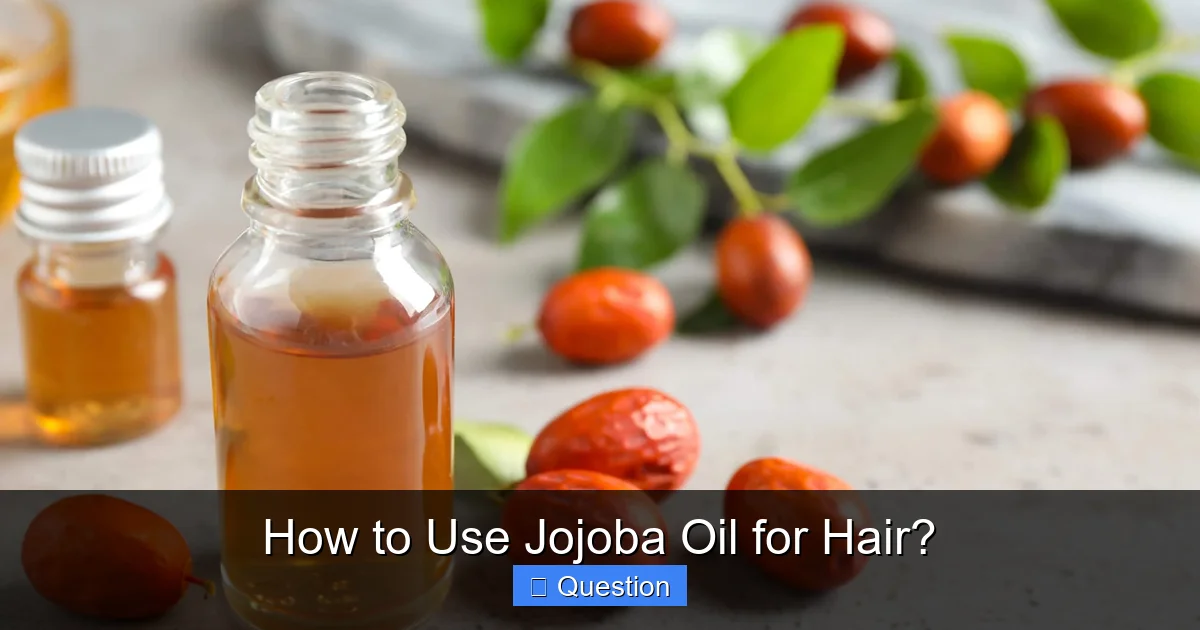
Jojoba oil is a remarkable natural wonder for hair, mirroring the sebum your scalp naturally produces. This makes it incredibly effective for balancing oily scalps, moisturizing dry strands, and promoting overall hair health without feeling greasy. You can easily incorporate it into your routine as a pre-shampoo mask, a leave-in conditioner, or even a styling aid to achieve shiny, stronger, and more manageable hair.
Have you ever wondered if there’s a natural, versatile secret to achieving healthier, happier hair? Well, get ready to meet your new best friend: jojoba oil! This incredible plant-derived oil isn’t just another trend; it’s a time-tested elixir that can transform your hair care routine. Many people swear by it for its unique properties, and once you understand how to use jojoba oil for hair, you’ll likely become a fan too.
Whether your hair is dry and brittle, oily and prone to buildup, or just needs a little extra love, jojoba oil offers a gentle yet powerful solution. It’s truly a marvel from nature’s pharmacy, capable of balancing, nourishing, and protecting your precious strands. Let’s dive deep into understanding what makes jojoba oil so special and, more importantly, exactly how to use jojoba oil for hair to unlock its full potential.
Key Takeaways
- Mimics Natural Sebum: Jojoba oil is unique because its molecular structure is very similar to the natural oil (sebum) your scalp produces, making it easily absorbed and highly beneficial for balancing scalp health.
- Versatile Hair Treatment: You can use jojoba oil in multiple ways, including as a pre-shampoo treatment for deep conditioning, a leave-in conditioner for daily moisture, a styling serum for frizz control, or even a carrier oil for essential oils.
- Balances Scalp Health: For oily scalps, it can signal your glands to produce less sebum, and for dry scalps, it provides much-needed hydration, helping to reduce dandruff and irritation.
- Strengthens and Protects Hair: Jojoba oil deeply penetrates hair shafts, providing moisture that strengthens hair from within, reduces breakage, and adds a natural shine without weighing it down.
- Suitable for All Hair Types: Due to its non-greasy nature and sebum-like composition, jojoba oil is excellent for fine, oily, dry, curly, or damaged hair, adapting to its specific needs.
- Easy to Incorporate: Integrating jojoba oil into your existing hair care routine is simple, often requiring just a few drops applied directly to the scalp or strands.
📑 Table of Contents
- What is Jojoba Oil and Why is it Good for Hair?
- Understanding Your Hair Type and Jojoba Oil Application
- How to Use Jojoba Oil as a Pre-Shampoo Treatment (Scalp & Hair Mask)
- How to Use Jojoba Oil as a Leave-in Conditioner or Serum
- How to Use Jojoba Oil for Styling and Heat Protection
- Tips for Buying and Storing Jojoba Oil
- Common Jojoba Oil Hair Concerns and Solutions
- Conclusion: Embrace the Jojoba Journey
What is Jojoba Oil and Why is it Good for Hair?
Before we jump into the “how-to,” let’s quickly understand what jojoba oil is. Despite its name, jojoba oil isn’t actually an oil in the traditional sense; it’s a liquid wax ester extracted from the seeds of the Simmondsia chinensis (jojoba) plant. This distinction is crucial because its molecular structure is remarkably similar to the natural sebum (oil) produced by your own scalp. This unique similarity is the key to why jojoba oil is so incredibly good for your hair.
The Mimicry Marvel: Why Jojoba Oil Stands Out
Because jojoba oil closely resembles your scalp’s natural sebum, your body recognizes it as its own. This means it’s easily absorbed and rarely causes irritation or allergic reactions. When you apply jojoba oil to your scalp, it can help regulate sebum production. If your scalp is overly oily, it signals to your sebaceous glands that enough oil has been produced, potentially reducing excess oil. Conversely, if your scalp is dry, jojoba oil provides deep, non-greasy moisture.
Beyond the Scalp: Benefits for Your Hair Strands
The benefits of jojoba oil extend far beyond the scalp. It’s packed with vitamins and minerals, including Vitamin E, B-complex vitamins, and zinc, all of which are essential for healthy hair growth and strength. When applied to your hair strands, jojoba oil forms a protective barrier, locking in moisture and shielding your hair from environmental damage, heat styling, and breakage. It adds a beautiful, natural shine without leaving a heavy or greasy residue, which is often a concern with other oils.
Understanding Your Hair Type and Jojoba Oil Application
One of the best things about jojoba oil is its adaptability. It works wonderfully for almost all hair types, but knowing your hair’s specific needs can help you tailor your application. Learning how to use jojoba oil for hair effectively means understanding how it interacts with different hair textures and conditions.
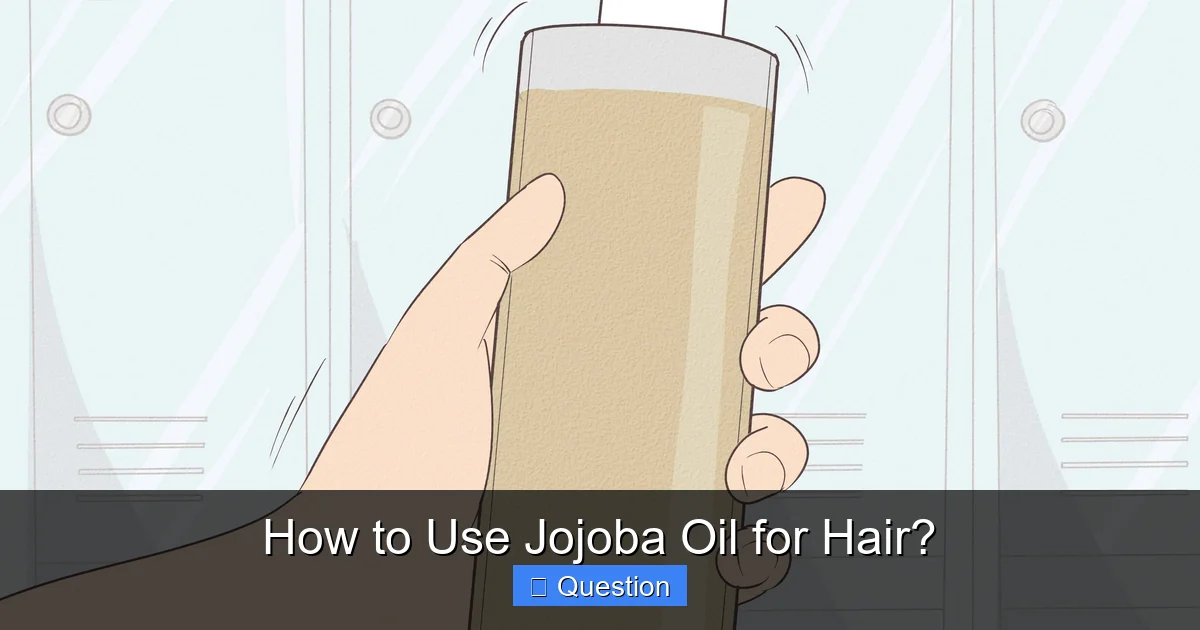
Visual guide about How to Use Jojoba Oil for Hair?
Image source: wikihow.com
Fine or Oily Hair
If you have fine hair or an oily scalp, you might be hesitant to add more oil. But remember, jojoba oil’s sebum-like quality means it can actually help balance oil production. Use it sparingly, focusing on the scalp to regulate oil, or on the ends for lightweight conditioning. A few drops are usually all you need.
Dry or Damaged Hair
For dry, brittle, or damaged hair, jojoba oil is a godsend. It provides intense moisture and helps repair the hair shaft. You can be more generous with your application, using it as a deep conditioning treatment or a regular leave-in to combat dryness and split ends.
Curly or Textured Hair
Curly hair tends to be naturally drier and can benefit immensely from jojoba oil’s moisturizing and frizz-reducing properties. It can help define curls, add shine, and prevent breakage without weighing down your beautiful coils.
How to Use Jojoba Oil as a Pre-Shampoo Treatment (Scalp & Hair Mask)
One of the most effective ways to use jojoba oil for hair is as a pre-shampoo treatment or a deep conditioning mask. This method allows the oil ample time to penetrate both your scalp and hair strands, delivering maximum benefits.
Step-by-Step for a Deep Dive
- Gather Your Tools: You’ll need pure, cold-pressed jojoba oil, a small bowl (optional, for warming), and a towel to protect your clothes.
- Warm the Oil (Optional): For a more relaxing and effective treatment, gently warm a small amount of jojoba oil. You can do this by placing a small amount in a microwave-safe bowl for 10-15 seconds or by placing the bottle in a bowl of warm water for a few minutes. Make sure it’s warm, not hot!
- Section Your Hair: Using your fingers or a comb, divide your dry, unwashed hair into several sections. This makes application easier and ensures even coverage.
- Apply to Scalp: Dip your fingertips into the warm (or room temperature) jojoba oil. Gently massage the oil directly onto your scalp, working it in circular motions. Focus on any dry, itchy, or oily areas. This massage stimulates blood flow and helps the oil penetrate.
- Distribute Through Hair: Once your scalp is covered, apply the remaining oil to the length of your hair, from roots to tips. Pay extra attention to the ends, which are often the driest and most prone to damage. You’ll need more oil for longer or thicker hair, but remember, a little goes a long way.
- Wrap and Wait: Loosely tie your hair up and cover it with a shower cap or wrap it in a warm towel. The warmth helps the oil penetrate deeper. Leave the treatment on for at least 30 minutes, or for an intensive treatment, leave it on overnight.
- Shampoo and Rinse: When you’re ready, shampoo your hair thoroughly. You might need to shampoo twice to ensure all the oil is removed, especially if you used a generous amount. Follow with your regular conditioner.
Frequency: For best results, use this pre-shampoo treatment 1-2 times per week.
How to Use Jojoba Oil as a Leave-in Conditioner or Serum
Jojoba oil isn’t just for deep treatments; it’s also fantastic for daily use as a lightweight leave-in conditioner or a smoothing serum. This is an excellent way to keep your hair moisturized, reduce frizz, and add shine throughout the day.
For Daily Moisture and Frizz Control
- Start with Damp or Dry Hair: You can apply jojoba oil to slightly damp hair after showering, or to dry hair for a quick touch-up.
- Use a Tiny Amount: This is crucial, especially for fine or oily hair. Start with just 1-2 drops of jojoba oil. You can always add more, but it’s hard to take away too much!
- Emulsify in Hands: Rub the drops between your palms to warm the oil and spread it evenly.
- Apply to Hair Ends and Lengths: Gently scrunch or smooth the oil through the mid-lengths and ends of your hair. Avoid applying directly to the roots if you have oily hair, unless you’re specifically targeting scalp balance.
- Style as Usual: Allow your hair to air dry or proceed with your usual styling routine.
Tip: If your hair is particularly dry or curly, you might find that 3-4 drops work better. Experiment to find the perfect amount for your hair type.
How to Use Jojoba Oil for Styling and Heat Protection
Beyond conditioning, jojoba oil can be a secret weapon in your styling arsenal. Its light texture makes it perfect for taming flyaways, adding shine, and even providing a degree of heat protection.
Taming Flyaways and Adding Shine
After styling your hair, whether it’s straight, wavy, or curly, a tiny dab of jojoba oil can make all the difference. Take a single drop, rub it between your fingertips, and lightly smooth it over any unruly flyaways or frizz. This instantly adds a healthy sheen without making your hair look greasy.
As a Heat Protectant (Light Protection)
While jojoba oil isn’t a substitute for a dedicated heat protectant spray, applying a small amount to damp hair before blow-drying can help create a barrier against heat damage. It also helps to prevent moisture loss during styling, leaving your hair softer and shinier. Just remember, a very small amount is key here to avoid weighing hair down. Smooth 2-3 drops through damp hair, focusing on the ends, before you begin heat styling.
Tips for Buying and Storing Jojoba Oil
To ensure you’re getting the most out of your jojoba oil, it’s important to choose a high-quality product and store it correctly. Knowing how to use jojoba oil for hair also involves knowing how to select the best one.
What to Look For When Buying
- 100% Pure: Always look for “100% pure jojoba oil” on the label. Avoid products with added fragrances, preservatives, or other oils, especially if you have sensitive skin or scalp.
- Cold-Pressed: This indicates that the oil was extracted without heat, which helps preserve its beneficial nutrients and therapeutic properties.
- Unrefined: Unrefined jojoba oil retains more of its natural goodness. It usually has a golden color and a very mild, nutty scent. Refined versions are often clear and odorless but may lack some of the beneficial compounds.
- Organic: If possible, choose organic jojoba oil to ensure it’s free from pesticides and other harmful chemicals.
Proper Storage to Maintain Potency
Jojoba oil has an incredibly long shelf life compared to many other oils because it’s a liquid wax, not a triglyceride. However, proper storage is still important to maintain its quality:
- Dark, Cool Place: Store your jojoba oil in a cool, dark place, away from direct sunlight and heat. A bathroom cabinet or pantry shelf is ideal.
- Airtight Bottle: Keep the cap tightly sealed to prevent oxidation and contamination.
- Amber or Dark Glass Bottle: Jojoba oil often comes in dark glass bottles, which help protect it from light degradation. If it comes in a clear bottle, consider transferring it or storing it in a dark place.
Common Jojoba Oil Hair Concerns and Solutions
Let’s address a few specific hair concerns and see how jojoba oil can lend a helping hand.
Dandruff and Dry, Itchy Scalp
Since jojoba oil closely mimics natural sebum, it’s fantastic for balancing scalp conditions. For a dry, itchy scalp or flakiness, a regular scalp massage with jojoba oil (as described in the pre-shampoo treatment) can provide significant relief. It moisturizes the scalp, reduces inflammation, and helps loosen flakes. For dandruff caused by excess oil, it can help regulate sebum production, leading to a healthier scalp environment.
Hair Loss and Thinning
While jojoba oil isn’t a miracle cure for hair loss, it can certainly create a healthier environment for hair growth. By nourishing the scalp, clearing blocked follicles (which can happen with sebum buildup), and strengthening hair strands, it can help reduce breakage and promote stronger, healthier hair. Regular scalp massages with jojoba oil can also improve blood circulation, which is beneficial for hair follicles. You can even mix a few drops of rosemary or peppermint essential oil (known for stimulating hair growth) into your jojoba oil before a scalp massage.
Split Ends and Breakage
Jojoba oil’s moisturizing properties make it an excellent choice for combating split ends and preventing breakage. Applying a few drops to your hair ends daily or using it as a leave-in conditioner helps seal the cuticles, adds elasticity, and protects the hair from environmental stressors. While it can’t “repair” existing split ends (only a trim can do that!), it can prevent new ones from forming and make your hair look and feel healthier overall.
Conclusion: Embrace the Jojoba Journey
As you can see, understanding how to use jojoba oil for hair opens up a world of possibilities for nurturing your locks naturally. This incredible liquid wax ester is a true multitasker, offering everything from deep conditioning to frizz control, and scalp balancing to shine enhancement. Its unique similarity to our natural sebum makes it remarkably effective and gentle for all hair types.
So, whether you’re battling dryness, an oily scalp, or simply want to boost your hair’s overall health and appearance, giving jojoba oil a try is a fantastic step. Start with small amounts, experiment with different application methods, and listen to what your hair tells you. Soon enough, you’ll likely discover why so many people consider jojoba oil an indispensable part of their hair care regimen. Here’s to strong, shiny, and naturally beautiful hair!
Frequently Asked Questions
Is jojoba oil good for all hair types?
Yes, jojoba oil is remarkably versatile and beneficial for almost all hair types, including fine, oily, dry, curly, and damaged hair. Its unique similarity to natural sebum allows it to adapt and balance the specific needs of your scalp and hair.
How often should I use jojoba oil on my hair?
The frequency depends on your hair type and the method of application. As a pre-shampoo treatment, 1-2 times a week is often sufficient. For a leave-in conditioner or styling serum, a few drops can be used daily or every other day, as needed, without weighing down your hair.
Can jojoba oil make my hair greasy?
Because jojoba oil closely resembles your natural sebum and is easily absorbed, it is less likely to make your hair greasy than other oils, provided you use it sparingly. Start with a tiny amount (1-2 drops) and adjust as needed, especially if you have fine or oily hair.
Does jojoba oil help with hair growth?
While jojoba oil doesn’t directly stimulate hair growth in the same way some other ingredients might, it creates a healthier scalp environment that is conducive to growth. It can help clear blocked follicles, reduce breakage, and nourish the scalp, which in turn supports stronger, healthier hair.
Can I leave jojoba oil in my hair overnight?
Yes, leaving jojoba oil in your hair overnight is an excellent way to provide a deep conditioning treatment. Apply it as a pre-shampoo mask, cover your hair with a shower cap or towel to protect your pillow, and shampoo it out thoroughly in the morning.
What’s the best type of jojoba oil to buy for hair?
Always opt for 100% pure, cold-pressed, and unrefined jojoba oil. These qualities ensure that the oil retains its full spectrum of beneficial nutrients and therapeutic properties, giving you the best results for your hair and scalp.
As an Amazon Associate, We earn from qualifying purchases.