
Compare Postpartum Hair Loss Oils Vs Serums
As an Amazon Associate, We earn from qualifying purchases.
Navigating postpartum hair loss can feel overwhelming, but choosing the right treatment is key. This guide dives into the specifics of postpartum hair loss oils vs serums, explaining their unique benefits, ingredients, and how they work to combat shedding and promote regrowth. Understand their differences in texture, absorption, and efficacy to make an informed decision for your hair’s recovery journey.
Oh, sweet mama, if you’re reading this, chances are you’ve experienced the joys of motherhood alongside the rather less joyful surprise of postpartum hair loss. One moment you’re basking in the glory of pregnancy hair – thick, lustrous, and seemingly endless – and the next, you’re wondering if your shower drain is secretly eating your hairline. It’s a common, often distressing, reality for so many new moms, and trust me, you are not alone in this follicular rollercoaster.
The good news? Postpartum hair loss is usually temporary. The even better news? There are things you can do to support your hair’s recovery journey. As you navigate this phase, you might find yourself staring at a bewildering array of products, specifically questioning whether to reach for a nourishing oil or a targeted serum. Both promise to help, but how do you decide which is the right fit for your unique hair and scalp needs? Let’s dive deep into the world of postpartum hair loss oils vs serums to help you make an informed, confident choice.
We’re going to break down what makes each product type tick, explore their ingredients, discuss application methods, and lay out the pros and cons so you can find your champion in the fight against shedding and for new growth. Think of this as your friendly guide to reclaiming your luscious locks, one informed decision at a time.
Key Takeaways
- Understanding Postpartum Hair Loss: Postpartum hair loss, known as telogen effluvium, is a temporary condition caused by hormonal shifts after childbirth, typically resolving within 6-12 months.
- Oils for Nourishment: Postpartum hair loss oils primarily nourish the scalp and hair follicles, promoting a healthy environment for growth through natural ingredients like argan, jojoba, and rosemary oil. They tend to be thicker and offer deep conditioning.
- Serums for Targeted Treatment: Postpartum hair loss serums are lighter, often water-based, and formulated with concentrated active ingredients like biotin, peptides, minoxidil (OTC), and caffeine to directly stimulate follicles and extend the hair growth phase.
- Key Differences: Oils provide overall scalp health and moisture, while serums offer precise, concentrated treatment for stimulating new growth. Oils are often massaged in and may be left on or rinsed, whereas serums are typically applied to the scalp and left on.
- Choosing Your Solution: Your choice between postpartum hair loss oils vs serums depends on your hair type (oily vs. dry), scalp sensitivity, lifestyle, and specific concerns. Oils might suit drier scalps needing nourishment, while serums are ideal for direct growth stimulation without residue.
- Combining Approaches: For many, a combination of both postpartum hair loss oils (for overall health) and serums (for targeted growth) can yield the best results, used at different times or on alternate days.
- Holistic Hair Health: Remember that product application should be complemented by a balanced diet, stress management, gentle hair care, and patience for optimal postpartum hair recovery.
Quick Answers to Common Questions
Which is better for postpartum hair loss, oil or serum?
Neither is definitively “better”; they serve different purposes. Oils typically nourish and strengthen, while serums offer targeted growth stimulation. Many find a combination of both to be most effective.
Can I use both postpartum hair loss oil and serum together?
Yes, you can absolutely use both! Use oils for deep conditioning treatments (e.g., pre-shampoo) and serums daily for targeted scalp stimulation without residue.
How long does it take to see results from postpartum hair loss products?
Hair growth is a slow process. Typically, it takes at least 3-6 months of consistent use to notice significant improvements with postpartum hair loss oils or serums.
Are postpartum hair loss oils safe for breastfeeding?
Most natural oils are generally considered safe, but always check the ingredient list for essential oils that might need caution. It’s best to consult your doctor for personalized advice when breastfeeding.
Will my hair loss eventually stop on its own without products?
Yes, postpartum hair loss (telogen effluvium) is a temporary condition, and your hair cycle will eventually normalize, typically resolving within 6-12 months postpartum, even without intervention.
📑 Table of Contents
- Understanding Postpartum Hair Loss: The “Telogen Effluvium” Explained
- The Power of Postpartum Hair Loss Oils: Natural Nourishment
- The Precision of Postpartum Hair Loss Serums: Targeted Solutions
- Key Differences: Postpartum Hair Loss Oils Vs Serums at a Glance
- Choosing Your Champion: Factors to Consider
- Combining Forces: Can You Use Both Postpartum Hair Loss Oils and Serums?
- Beyond Products: Holistic Approaches to Postpartum Hair Health
Understanding Postpartum Hair Loss: The “Telogen Effluvium” Explained
Before we compare postpartum hair loss oils vs serums, let’s quickly touch upon what’s actually happening. During pregnancy, a surge in hormones (particularly estrogen) keeps more of your hair in the “anagen” (growth) phase, meaning less shedding than usual. This is why many pregnant women enjoy thick, beautiful hair.
Once your baby arrives, those hormone levels plummet. This sudden drop signals a large number of hair follicles to enter the “telogen” (resting) phase prematurely, and then the “exogen” (shedding) phase. This mass shedding, usually peaking around 3-6 months postpartum, is known as telogen effluvium. It’s perfectly normal, though alarming, and rest assured, your hair isn’t actually “falling out” permanently; it’s just catching up on all the shedding it skipped during pregnancy.
Your hair growth cycle will eventually normalize, but in the meantime, supportive treatments can help create an optimal environment for healthy regrowth and make you feel more in control.
The Power of Postpartum Hair Loss Oils: Natural Nourishment
When we talk about postpartum hair loss oils, we’re generally referring to plant-based oils that are rich in vitamins, antioxidants, and fatty acids. These aren’t just for shine; they’re scalp superfoods!
How Oils Work
Oils typically work by providing deep nourishment to the scalp and hair follicles. They create a healthy environment for hair growth in several ways:
- Moisturizing the Scalp: A dry, irritated scalp isn’t happy and can hinder healthy hair growth. Oils hydrate the scalp, preventing flakiness and itching.
- Strengthening Hair Strands: Many oils can penetrate the hair shaft, strengthening individual strands and reducing breakage, which can make thinning hair appear fuller.
- Improving Blood Circulation: Massaging oils into the scalp can stimulate blood flow to the follicles, delivering essential nutrients and oxygen crucial for growth.
- Anti-inflammatory Properties: Some oils have natural anti-inflammatory properties that can soothe an irritated scalp.
Popular Oil Ingredients for Postpartum Hair Loss
When looking for postpartum hair loss oils, keep an eye out for these powerhouse ingredients:
- Rosemary Oil: Often lauded as nature’s answer to minoxidil, rosemary oil is fantastic for stimulating circulation and promoting hair growth.
- Peppermint Oil: Similar to rosemary, peppermint oil can boost circulation to the scalp, and its invigorating sensation can feel very refreshing.
- Jojoba Oil: Mimics the natural sebum of your scalp, making it an excellent moisturizer without clogging pores. It’s great for balancing scalp oil production.
- Argan Oil: Rich in Vitamin E and fatty acids, argan oil nourishes, conditions, and protects hair from damage.
- Castor Oil: Known for its thickness and ability to penetrate deeply, castor oil is believed to strengthen hair, promote growth, and moisturize.
- Coconut Oil: A classic for a reason, coconut oil can reduce protein loss in hair, making strands stronger and less prone to breakage.
Application Tips for Postpartum Hair Loss Oils
Oils are typically applied directly to the scalp and massaged in.
- Pre-Shampoo Treatment: Many prefer to use oils as a pre-shampoo treatment. Apply a small amount to your fingertips and gently massage into your scalp for 5-10 minutes. Leave it on for at least 30 minutes (or even overnight for deep conditioning) before shampooing and conditioning as usual.
- Leave-in Treatment ( sparingly): For very dry hair or scalps, a tiny amount of a lighter oil (like jojoba or argan) can be massaged into the scalp after washing, but be careful not to weigh down your hair or make it greasy.
- Consistency is Key: Aim to use an oil treatment 2-3 times a week for best results.
The Precision of Postpartum Hair Loss Serums: Targeted Solutions
Postpartum hair loss serums are often more technologically advanced, water-based, and designed to deliver highly concentrated active ingredients directly to the hair follicles. They tend to be lighter and absorb quickly.
How Serums Work
Serums are formulated to tackle specific hair concerns with precision. For postpartum hair loss, they often work by:
- Stimulating Follicles: Many serums contain ingredients that directly stimulate dormant or weakened hair follicles, encouraging them to re-enter the growth phase.
- Extending Growth Phase: Some active ingredients can help prolong the anagen (growth) phase of the hair cycle, reducing premature shedding.
- Nourishing with Potent Compounds: Serums deliver high concentrations of vitamins, peptides, and botanical extracts directly where they’re needed most.
- Improving Scalp Health: By reducing inflammation and balancing the scalp microbiome, serums create a healthy foundation for hair growth.
Key Serum Ingredients for Postpartum Hair Loss
Look for these potent ingredients when choosing a postpartum hair loss serum:
- Biotin (Vitamin B7): Essential for healthy hair, skin, and nails, biotin supports keratin production, a key protein in hair structure.
- Caffeine: Studies suggest caffeine can stimulate hair follicles and potentially block the effects of DHT, a hormone linked to hair loss.
- Peptides: These short chains of amino acids can signal hair follicles to produce more hair and improve overall scalp health.
- Niacinamide (Vitamin B3): Improves blood circulation to the scalp and can reduce inflammation.
- Hyaluronic Acid: Not just for skin! It can hydrate the scalp, creating a better environment for hair growth.
- Herbal Extracts: Ingredients like ginseng, saw palmetto, and green tea extract are often included for their stimulatory and anti-inflammatory properties.
- Minoxidil (OTC): While not always postpartum-specific and you should always consult a doctor, some over-the-counter serums contain minoxidil, a proven hair growth stimulant. *Always consult your doctor before using minoxidil while breastfeeding.*
Application Tips for Postpartum Hair Loss Serums
Serums are generally very easy to integrate into your daily routine.
- Direct Scalp Application: Most serums come with a dropper or nozzle for precise application directly onto the scalp, particularly in areas of concern.
- Massage Gently: After applying, gently massage the serum into your scalp with your fingertips to ensure even distribution and stimulate blood flow.
- Leave-in Treatment: Serums are almost always leave-in treatments. They are designed to absorb quickly without leaving a greasy residue, making them suitable for daily use, often on clean, damp hair.
- Consistency is Crucial: Daily application (or as directed by the product) is often necessary for serums to deliver their targeted benefits.
Key Differences: Postpartum Hair Loss Oils Vs Serums at a Glance
Understanding the fundamental differences between postpartum hair loss oils vs serums is crucial for making the right choice.
Texture and Feel
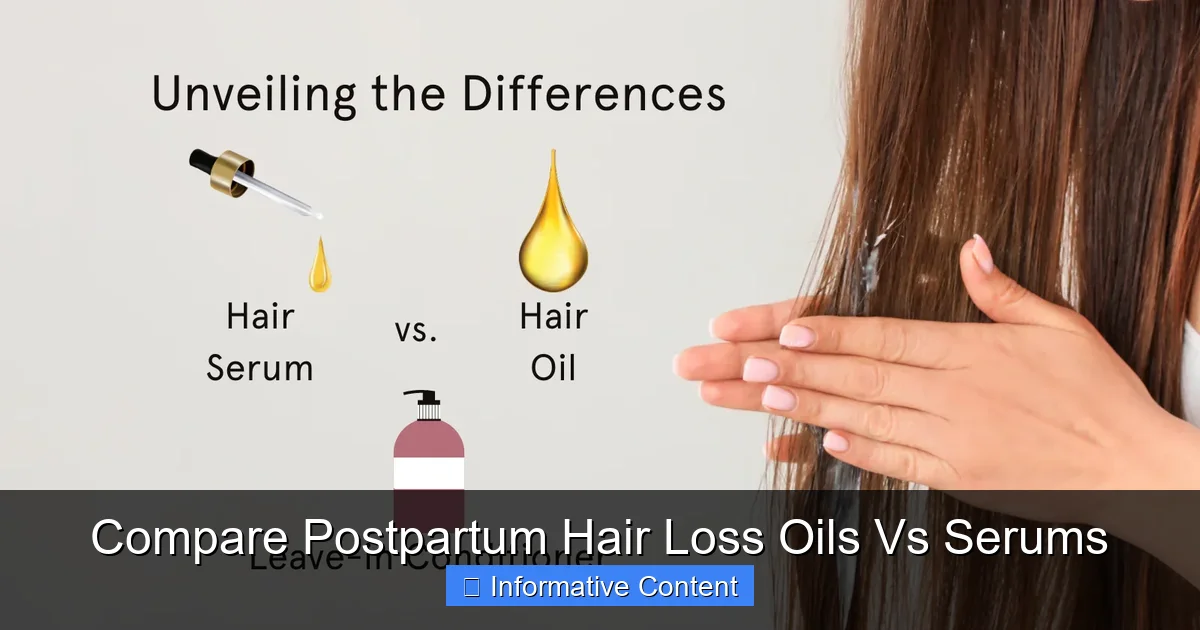
Oils: Typically thicker, richer, and have a more viscous texture. They can feel luxurious but may leave a noticeable residue if not fully rinsed or used sparingly. Think of them as a deep conditioning treatment for your scalp.
Visual guide about Compare Postpartum Hair Loss Oils Vs Serums
Image source: ellatu.com
Serums: Generally lighter, often water-based, and have a non-greasy, fast-absorbing texture. They feel weightless on the scalp and are designed to disappear without a trace.
Absorption and Residue
Oils: Take longer to absorb and can sometimes leave a feeling of oiliness or residue, especially if applied liberally. This is why they are often used as a pre-shampoo treatment.
Serums: Formulated for rapid absorption. They penetrate the scalp quickly, delivering active ingredients without leaving any greasy or heavy feeling, making them ideal for daily, leave-in use.
Ingredient Concentration and Efficacy
Oils: Focus on providing natural nourishment, vitamins, and fatty acids to improve overall scalp health and hair strength. Their efficacy comes from the holistic health benefits.
Serums: Tend to have a higher concentration of specific active ingredients (like biotin, peptides, caffeine) directly targeting hair growth pathways. Their efficacy is often tied to these potent, scientifically-backed compounds.
Usage Frequency and Routine Integration
Oils: Best used as a weekly or bi-weekly treatment due to their richer nature. They might not be suitable for daily application if you’re concerned about hair appearing greasy.
Serums: Designed for consistent, often daily use. They integrate seamlessly into a routine, applied to the scalp and left in, without impacting styling.
Choosing Your Champion: Factors to Consider
Deciding between postpartum hair loss oils vs serums isn’t a one-size-fits-all answer. Your personal needs and preferences play a huge role.
Your Hair Type and Scalp Sensitivity
- Oily Hair/Scalp: If your hair tends to get greasy quickly, you might find oils too heavy for frequent use. Opt for lighter oils like jojoba, or stick to pre-shampoo treatments. Serums, being non-greasy, might be a better daily option.
- Dry Hair/Scalp: Oils can be incredibly beneficial for a dry or flaky scalp, providing much-needed moisture and nourishment. You might find a rich oil more soothing than a serum.
- Sensitive Scalp: Both oils and serums can contain ingredients that might irritate a sensitive scalp. Always do a patch test first. Natural oils tend to be gentler for some, while others might react to essential oils within a blend. Serums with minimal, hypoallergenic ingredients could be better for others.
Lifestyle and Routine Preferences
- Quick & Easy: If you’re a busy new mom (and who isn’t?), a serum that absorbs quickly and can be applied daily in minutes might be more appealing than an oil treatment that requires longer leave-in times and washing out.
- Relaxing Ritual: If you enjoy a self-care moment, the act of massaging an oil into your scalp can be a relaxing ritual. This might be a welcome break in your day.
Specific Hair Concerns Beyond Loss
- Dullness/Lack of Shine: Many oils, especially argan or coconut, can significantly improve hair’s luster and softness, in addition to supporting growth.
- Breakage/Damage: Oils can help strengthen hair strands and reduce breakage, making them a good choice if your hair feels fragile.
- Flaky/Itchy Scalp: Some oils (like tea tree or peppermint) have anti-fungal or soothing properties that can address these issues while supporting hair health.
Budget and Accessibility
The price range for both postpartum hair loss oils and serums can vary greatly. Simple, single-ingredient oils (like pure rosemary or jojoba) can be very affordable, while sophisticated multi-ingredient serums often come with a higher price tag due to their concentrated formulations and research. Consider what fits your budget and whether you prefer DIY blends or ready-to-use products.
Combining Forces: Can You Use Both Postpartum Hair Loss Oils and Serums?
Absolutely! In fact, for many, the optimal approach to combat postpartum hair loss involves leveraging the distinct benefits of both oils and serums. Think of it as a comprehensive hair care strategy rather than an “either/or” decision.
You could use a postpartum hair loss oil once or twice a week as a pre-shampoo deep conditioning and scalp treatment. This provides rich nourishment, improves scalp circulation through massage, and strengthens existing hair strands. On the other days, or perhaps even daily, you could apply a postpartum hair loss serum directly to your scalp. The serum delivers those targeted, potent active ingredients that stimulate follicles and promote growth without leaving any heavy residue.
By integrating both, you get the best of both worlds: the holistic scalp health and conditioning benefits of oils, combined with the concentrated, growth-stimulating power of serums. Just be mindful of how your hair and scalp react, and adjust the frequency as needed to avoid product buildup or over-treatment. Listen to your hair; it will tell you what it needs!
Beyond Products: Holistic Approaches to Postpartum Hair Health
While postpartum hair loss oils and serums can be incredibly helpful, remember they are just one piece of the puzzle. A holistic approach will give your hair the best chance to recover and thrive.
- Nutrition: Continue eating a nutrient-rich diet. Ensure you’re getting enough protein, iron, zinc, and B vitamins. Consider a high-quality postnatal vitamin, especially if you’re breastfeeding.
- Hydration: Drink plenty of water. Hydration is key for overall health, including hair health.
- Stress Management: Easier said than done with a newborn, but chronic stress can exacerbate hair loss. Try to find small moments for relaxation – even five minutes of deep breathing can help.
- Gentle Hair Care: Be extra gentle with your hair. Avoid tight hairstyles that pull on the roots, minimize heat styling, and use a wide-tooth comb to detangle wet hair.
- Patience: This is perhaps the hardest one. Postpartum hair loss is temporary, and it takes time for your hair cycle to regulate and new hair to grow. Trust the process.
In conclusion, both postpartum hair loss oils and serums offer valuable benefits in your journey to recover from postpartum hair loss. Oils nourish and strengthen, creating a healthy foundation, while serums provide targeted stimulation for growth. Your choice depends on your hair’s specific needs, your lifestyle, and your preference for texture and application. Don’t be afraid to experiment, and remember that consistency, alongside a holistic approach to your well-being, will be your strongest allies. Here’s to happier, healthier hair, mama!
Frequently Asked Questions
What is postpartum hair loss?
Postpartum hair loss, known as telogen effluvium, is a temporary condition where excessive hair shedding occurs typically 3-6 months after childbirth. It’s caused by a sudden drop in estrogen levels, which shifts a large number of hairs into the shedding phase.
How often should I use a postpartum hair loss oil?
Postpartum hair loss oils are generally richer and best used as a treatment rather than daily. Applying them 1-3 times a week as a pre-shampoo mask or overnight treatment is often recommended to nourish the scalp and hair without weighing it down.
Can postpartum hair loss serums cause hair to become greasy?
Most postpartum hair loss serums are formulated to be lightweight and fast-absorbing, designed not to leave a greasy residue. They are typically water-based, making them suitable for daily application without making your hair oily.
Are there any ingredients to avoid in postpartum hair loss products?
While recovering from postpartum hair loss, it’s wise to avoid harsh chemicals like sulfates and parabens, and strong fragrances that can irritate a sensitive scalp. If you’re breastfeeding, consult your doctor about ingredients like minoxidil, high concentrations of essential oils, or other active chemicals.
Do postpartum hair loss products work for everyone?
While postpartum hair loss oils and serums can significantly support hair health and growth, their effectiveness can vary between individuals. Factors like genetics, overall health, and consistency of use all play a role, but most people experience some benefit from using supportive products.
Besides products, what else can I do for postpartum hair loss?
Beyond using postpartum hair loss oils vs serums, focus on a balanced diet rich in vitamins and minerals, stay hydrated, manage stress as much as possible, and be gentle with your hair to prevent breakage. Patience is also key, as natural hair regrowth takes time.
As an Amazon Associate, We earn from qualifying purchases.