
How to Get Hair Dye Off Skin?
As an Amazon Associate, We earn from qualifying purchases.
Accidentally stained your skin while dyeing your hair? Don’t panic! Learning how to get hair dye off skin quickly and safely can save you a lot of worry. This comprehensive guide covers a range of effective home remedies and commercial solutions, from gentle oils to targeted dye removers, ensuring you can tackle both fresh smudges and stubborn, dried stains with confidence and care. With the right approach, you can get your skin clean and flawless once more.
How to Get Hair Dye Off Skin?
We’ve all been there. You’ve just finished transforming your hair with a beautiful new color, feeling accomplished and stylish, only to look in the mirror and spot it – a tell-tale smudge of hair dye stubbornly clinging to your forehead, ear, or neck. It’s like a tiny, colorful badge of honor that screams, “I dyed my hair myself!” While it’s a common mishap, seeing that unwanted stain can be incredibly frustrating.
But don’t fret! Getting hair dye off your skin is a very common challenge, and thankfully, there are numerous effective methods to tackle it. You don’t have to walk around with a permanent halo of purple or a brown streak on your cheek. This comprehensive guide will walk you through everything you need to know about how to get hair dye off skin, covering gentle home remedies, more robust solutions, and essential tips for preventing stains in the first place. Let’s get that skin looking spotless again!
Key Takeaways
- Act Quickly: Fresh hair dye stains are much easier to remove than dried ones, so address them as soon as you notice them.
- Start Gentle: Always begin with the mildest methods, like soap and water or natural oils, to avoid skin irritation.
- Patch Test: Before applying any new product or remedy to a large area of your skin, perform a patch test on an inconspicuous spot to check for adverse reactions.
- Avoid Harsh Scrubbing: Excessive scrubbing can irritate and damage your skin, making the problem worse. Be patient and gentle with your removal techniques.
- Prevention is Key: Using barrier creams, wearing gloves, and protecting your hairline before dyeing can significantly reduce the chances of skin stains.
- Commercial Removers: For very stubborn or dried stains, a dedicated hair dye remover can be effective, but always follow instructions carefully.
- Moisturize Post-Removal: After removing dye from your skin, always moisturize the treated area to soothe and rehydrate it.
📑 Table of Contents
Prevention: Your Best Defense Against Dye Stains
The old adage “prevention is better than cure” certainly applies here. The easiest way to get hair dye off skin is to avoid getting it there in the first place! A little preparation can go a long long way in keeping your skin clean during your coloring adventure.
Barrier Creams & Petroleum Jelly
Before you even open that dye box, apply a thick layer of petroleum jelly (like Vaseline), a rich moisturizer, or a barrier cream along your hairline, ears, and neck. This creates a protective shield that the dye can’t penetrate, making it much easier to simply wipe away any accidental smudges. Think of it as painting a clear fence around your skin to keep the color where it belongs – on your hair!
Wear Gloves and Old Clothes
This might seem obvious, but it’s surprising how many people skip gloves or wear their favorite shirt. Always wear the gloves provided in the dye kit, or a sturdy pair of reusable rubber gloves. As for clothes, choose an old t-shirt that you don’t mind getting stained. Dye spatters can travel further than you think, and protecting your clothing means one less thing to worry about.
Sectioning Hair Carefully
Properly sectioning your hair not only ensures an even dye application but also helps prevent dye from dripping onto your skin. Use clips to keep hair away from your face and neck as you work, minimizing accidental contact.
First Steps: Tackling Fresh Hair Dye Stains
If, despite your best efforts, some dye makes its way onto your skin, the golden rule is to act fast! Fresh stains are significantly easier to remove than dried, set-in ones.
The Power of Warm Water and Soap
As soon as you notice a smudge, grab a cotton ball or a soft cloth, dampen it with warm water, and add a little bit of mild soap (like a gentle face wash or dish soap). Gently rub the affected area in circular motions. For very fresh, light stains, this might be all you need to get hair dye off skin. Be patient, don’t scrub too hard, and rinse thoroughly.
Baby Oil or Olive Oil
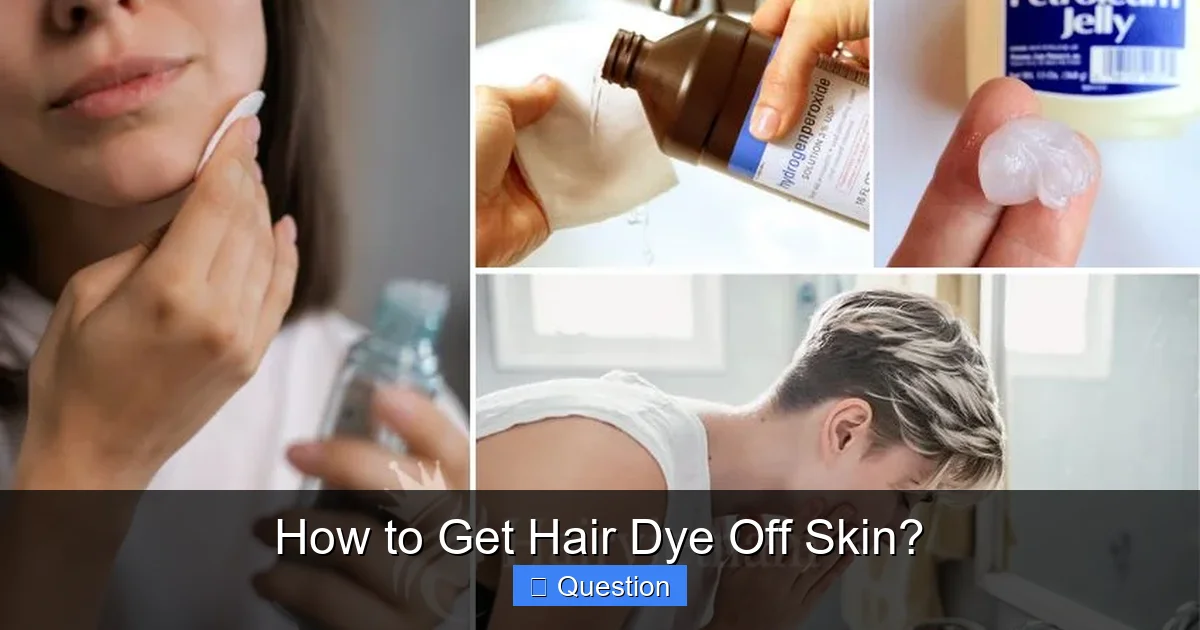
Natural oils are fantastic for loosening dye without irritating your skin. Baby oil, olive oil, coconut oil, or even almond oil can work wonders.
How to use:
Visual guide about How to Get Hair Dye Off Skin?
Image source: hairvietnam.com
- Apply a generous amount of oil to a cotton ball or pad.
- Gently massage the oil into the stained skin for a minute or two.
- The oil helps to break down the dye. Let it sit for a few minutes (5-10 minutes is often enough).
- Wipe away with a warm, damp cloth, and then wash the area with soap and water.
This method is particularly gentle and moisturizing, making it a great first choice, especially for sensitive areas like the face.
Home Remedies for More Stubborn Marks
Sometimes, warm water and oil aren’t enough, especially if the dye has had a little time to set. Don’t despair! Your kitchen and bathroom likely hold several other ingredients that can help you figure out how to get hair dye off skin.
Rubbing Alcohol or Witch Hazel
Rubbing alcohol (isopropyl alcohol) is a stronger solvent and can be quite effective. Witch hazel is a milder astringent that can also work.
How to use:
- Dampen a cotton ball with rubbing alcohol or witch hazel.
- Gently dab or wipe the stained area. Do not scrub harshly, as alcohol can be drying.
- Rinse the skin thoroughly with warm water and soap immediately afterward.
- Follow up with a good moisturizer.
Use this method cautiously, especially on the face, as alcohol can be drying and potentially irritating for sensitive skin. Always patch test first.
Baking Soda and Dish Soap Paste
This duo creates a gentle abrasive paste that can help lift the dye.
How to use:
- Mix a tablespoon of baking soda with a few drops of dish soap (a gentle, non-abrasive type is best) to form a thick paste.
- Apply the paste to the stained area.
- Gently rub the paste in circular motions using your fingers or a soft cloth for about 30 seconds.
- Let it sit for a minute or two, then rinse thoroughly with warm water.
Baking soda provides a mild exfoliation, helping to slough off dye-stained skin cells.
Toothpaste: A Surprising Ally
White, non-gel toothpaste, particularly those with baking soda, can be surprisingly effective for how to get hair dye off skin.
How to use:
- Apply a small dab of white toothpaste to the stained area.
- Gently rub it in with your finger or a soft cloth for about a minute.
- The mild abrasive and chemical properties in toothpaste can help lift the dye.
- Rinse thoroughly with warm water.
This method works best for smaller, less intense stains.
Vitamin C Tablets
Crushed Vitamin C (ascorbic acid) tablets can sometimes help break down the dye. This method is often used for removing dye from hair itself, but it can also be effective on skin.
How to use:
- Crush a few Vitamin C tablets into a fine powder.
- Mix with a small amount of water to create a paste.
- Apply the paste to the stained skin and let it sit for 5-10 minutes.
- Gently rub and then rinse.
The acidic nature helps to break down the dye molecules.
Non-Acetone Nail Polish Remover (Use with Caution)
While effective, this is a stronger chemical and should be used as a last resort and with extreme caution. Always opt for non-acetone formulas, as acetone is much harsher on the skin.
How to use:
- Apply a tiny amount to a cotton ball.
- Gently dab (do not rub!) the stained area.
- As soon as the stain begins to fade, immediately rinse the skin thoroughly with warm water and soap.
- Apply a rich moisturizer.
Do not use this on your face or near your eyes. Always perform a patch test first.
Commercial Products and Advanced Solutions
If home remedies aren’t quite cutting it, or you’re dealing with a particularly stubborn stain, there are commercial products designed specifically for this purpose.
Dedicated Hair Dye Removers
Many beauty supply stores and drugstores sell specialized skin dye removers. These products are formulated to break down hair dye molecules gently.
How to use:
- Always follow the instructions on the product packaging precisely.
- Typically, you apply a small amount to a cotton ball, gently wipe the stained area, and then rinse.
These can be very effective, but always do a patch test first to ensure you don’t have an adverse reaction.
Clarifying Shampoo
Clarifying shampoos are designed to strip product buildup from hair, and they can sometimes help to lift dye from the skin.
How to use:
- Apply a small amount of clarifying shampoo directly to the stained skin.
- Gently rub with your fingers or a soft cloth.
- Allow it to sit for a minute or two, then rinse thoroughly.
It’s a milder option than some chemical removers and can be good for lingering faint stains.
Using Developer (Last Resort)
The developer from your hair dye kit (the peroxide solution) can sometimes be used to remove dye from skin because it helps to break down pigment. However, this should be considered a very last resort due to its chemical strength and potential to irritate or lighten skin.
How to use:
- Apply a tiny drop of developer to a cotton swab.
- Gently dab ONLY the stained area. Do NOT rub.
- As soon as the stain starts to lift, immediately rinse the area with plenty of water and soap.
- Follow with a soothing moisturizer.
Avoid this method if you have sensitive skin, open cuts, or if the stain is on your face.
Special Considerations for Different Skin Areas
The approach to how to get hair dye off skin can vary slightly depending on where the stain is located.
Face and Neck: Be Extra Gentle
Your facial skin is much more delicate than the skin on your hands or arms.
- Use Mildest Methods First: Always start with baby oil, olive oil, or a gentle face cleanser.
- Avoid Harsh Chemicals: Steer clear of rubbing alcohol, nail polish remover, or developer on your face.
- Patch Test: Even gentle remedies should be patch tested on an inconspicuous area, like behind your ear, before applying to your face.
- No Scrubbing: Gentle dabbing and wiping are key to avoid irritation or redness.
Hands and Arms: More Robust Options
The skin on your hands and arms is generally tougher, allowing for a broader range of options.
- You can be a bit more assertive with rubbing, though never excessively harsh.
- Methods like baking soda paste, toothpaste, and even cautiously, rubbing alcohol or non-acetone nail polish remover, can be considered here.
- Remember to moisturize well afterward, as these areas can still become dry or irritated.
Scalp and Hairline: Targeted Approach
Stains on the scalp or very close to the hairline can be tricky due to the presence of hair.
- Barrier creams are your best preventative measure here.
- Use oil-based remedies or a dedicated dye remover, as these can be massaged gently without pulling hair.
- Clarifying shampoo can also be effective if the stain is intertwined with the hair.
Post-Removal Care and Important Warnings
Successfully learning how to get hair dye off skin is great, but caring for your skin afterward is just as important.
Moisturize, Moisturize, Moisturize!
Many of the dye removal methods, especially the stronger ones, can dry out or irritate your skin. After you’ve successfully removed the stain, apply a generous amount of your favorite moisturizer to soothe and rehydrate the treated area. This will help prevent dryness, flakiness, or redness.
When to Avoid Certain Methods
- Broken Skin: Never apply any dye removal product (home remedy or commercial) to cuts, scrapes, or irritated skin. This can cause pain, infection, or further irritation.
- Allergies: If you know you’re allergic to any ingredient, avoid using remedies that contain it.
- Eye Area: Be extremely careful when working near your eyes. Avoid getting any solutions into your eyes, as this can cause severe irritation or damage. If contact occurs, rinse immediately with plenty of water and seek medical attention if irritation persists.
Patch Test is Your Friend
Seriously, don’t skip this step. Before using any new remedy or product on a large or sensitive area of your skin, apply a tiny amount to an inconspicuous spot (like the inside of your elbow or behind your ear). Wait 10-15 minutes to ensure you don’t have an adverse reaction like redness, itching, or swelling. This simple step can save you a lot of discomfort.
When to Consult a Professional
If the stain is particularly stubborn and resistant to all your efforts, or if your skin becomes irritated, red, itchy, or painful, it’s best to stop trying and consult a dermatologist or a hair professional. They may have specialized products or advice to safely address the issue.
Wrapping up your at-home hair coloring session shouldn’t involve a frantic scrubbing session afterward. With these tips and tricks on how to get hair dye off skin, you’re well-equipped to tackle any accidental smudges. Remember to act quickly, start with gentle methods, and always prioritize your skin’s health and safety. You can absolutely achieve a flawless finish, both on your hair and on your skin!
Frequently Asked Questions
How quickly should I try to remove hair dye from my skin?
You should try to remove hair dye from your skin as quickly as possible. Fresh stains are significantly easier to lift and wipe away than those that have had time to dry and set into your skin.
Are natural oils safe for removing hair dye from sensitive skin?
Yes, natural oils like baby oil, olive oil, and coconut oil are generally considered safe and very gentle for removing hair dye from sensitive skin. They help break down the dye without harsh chemicals, making them an excellent first choice, especially for facial areas.
Can I use acetone nail polish remover to get hair dye off my skin?
It is strongly advised to avoid using acetone nail polish remover on your skin, especially on your face. Acetone is a very strong chemical that can be extremely drying and irritating to the skin. If you must use a nail polish remover, opt for a non-acetone formula with extreme caution and follow up with thorough rinsing and moisturizing.
What if the hair dye stain doesn’t come off completely with home remedies?
If home remedies don’t completely remove a stubborn hair dye stain, you can consider using a specialized commercial hair dye remover, which is formulated for this purpose. Always read and follow the product instructions carefully and perform a patch test beforehand.
Will scrubbing vigorously help remove the dye faster?
No, scrubbing vigorously is not recommended. Excessive scrubbing can irritate, abrade, and damage your skin, potentially making the stain look worse or causing lasting redness. Gentle, consistent rubbing with the chosen remedy is more effective and much safer for your skin.
How can I prevent hair dye from staining my skin in the future?
To prevent future stains, apply a barrier cream or petroleum jelly to your hairline, ears, and neck before dyeing. Always wear gloves, use old clothes, and carefully section your hair during the application process to minimize accidental contact with your skin.
As an Amazon Associate, We earn from qualifying purchases.