
Can Fleas Live in Human Hair?
As an Amazon Associate, We earn from qualifying purchases.
While the thought is unsettling, fleas generally cannot live long-term or establish a thriving colony in human hair. Our hair structure, grooming habits, and lack of dense undercoat make it an unsuitable environment for them. However, fleas can and do jump onto humans temporarily for a blood meal, especially if a primary host (like a pet) or environment is heavily infested.
Can Fleas Live in Human Hair?
It’s a common fear and a question that sends shivers down many spines: “Can fleas live in human hair?” The very thought of tiny, biting insects setting up a permanent residence on your scalp is enough to make anyone itchy. We often associate fleas with our beloved pets – cats and dogs scratching endlessly – but what about us? Are humans susceptible to these pesky parasites making our heads their home?
The short answer, thankfully, is generally no, fleas cannot live *long-term* or establish a thriving colony in human hair. While a flea might accidentally jump onto you, crawl through your hair, and even take a bite, our anatomy and habits simply aren’t suited for their survival and reproduction cycles. Understanding why this is the case can bring a lot of relief and clarity.
However, a “no” doesn’t mean “never.” It’s crucial to understand the distinction between a flea temporarily landing on you and a full-blown infestation like what a pet might experience. In this comprehensive guide, we’ll dive deep into the world of fleas, explore why human hair isn’t their preferred habitat, discuss how they might still end up on you, and, most importantly, provide practical advice on what to do if you encounter one.
Key Takeaways
- Not a Permanent Home: Fleas cannot establish a long-term infestation or reproduce effectively in human hair due to its sparse nature, lack of dense undercoat, and regular grooming practices.
- Temporary Visitors: While they won’t live there, fleas can and often do jump onto humans, including hair and skin, to take a quick blood meal before attempting to return to a preferred host or environment.
- Pets Are Primary Hosts: The primary hosts for common cat and dog fleas are, as their names suggest, cats and dogs. Their dense fur provides the ideal warm, dark, and protected environment for fleas to thrive.
- Environmental Infestation Risk: If your home, especially carpets, bedding, or pet areas, is heavily infested with fleas, the likelihood of them landing on you increases significantly.
- Symptoms of Flea Bites: Flea bites on humans typically appear as small, red, itchy bumps, often grouped together, commonly found around ankles, legs, waist, and sometimes the scalp.
- Identification and Action: If you find a flea, remove it, and then focus on treating pets and thoroughly cleaning your home environment to break the flea life cycle.
- Prevention is Crucial: Regular flea prevention for pets, consistent vacuuming, and proper hygiene are the best ways to avoid encounters with fleas on yourself or in your home.
📑 Table of Contents
Why Human Hair Isn’t a Flea’s Dream Home
To truly understand why fleas generally avoid setting up shop in human hair, we need to consider what makes an ideal flea habitat and how human hair stacks up against it. Fleas are highly specialized parasites, and their physical structure and life cycle are perfectly adapted to their preferred hosts.
The Anatomy of Human Hair vs. Pet Fur
Think about the fur of a cat or dog. It’s dense, fine, and provides a thick, warm, and dark environment. This dense fur offers fleas several key advantages:
- Shelter: The thickness of pet fur provides excellent protection from the elements, predators, and even the host’s grooming.
- Anchoring Points: The numerous, fine hairs give fleas ample surfaces to cling to, making it difficult for the host to dislodge them through scratching or grooming.
- Humidity and Temperature: The dense undercoat creates a microclimate that is consistently warm and humid, ideal for flea eggs, larvae, and pupae.
Now, compare this to human hair. Our hair, while it can be thick, is generally much sparser on our bodies compared to a pet’s coat. Even on our heads, individual strands are thicker, and there isn’t the same dense undercoat. This means:
- Lack of Shelter: Human hair offers very little in the way of hiding spots or protection. A flea would be exposed and vulnerable.
- Poor Anchoring: Our hair strands are relatively smooth and widely spaced, making it difficult for a flea to cling on tightly, especially when we move or brush our hair.
- Inconsistent Environment: Our scalp and hair are subject to frequent changes in temperature and humidity, and regular washing disrupts any potential stability a flea might seek.
Grooming Habits and Environment
Humans also have very different grooming habits than pets. We shower, shampoo, brush, and comb our hair regularly. These actions are highly effective at dislodging any small insects or debris that might be present. A flea would struggle to complete its life cycle (egg, larva, pupa, adult) without being washed away or physically removed. Pets, while they groom themselves, often don’t have the same level of effectiveness against fleas, especially in dense areas of their fur.
Blood Meal Preferences
While fleas *can* and *will* bite humans if given the opportunity, they generally prefer the blood of their primary hosts, such as cats or dogs. The common cat flea (Ctenocephalides felis) and dog flea (Ctenocephalides canis), despite their names, are often found on both species and are the most common types of fleas encountered in homes. Human blood is not their ideal nutritional source for sustained survival and reproduction.
Where Fleas Truly Thrive: Their Preferred Habitats
Visual guide about Can Fleas Live in Human Hair?
Image source: doctorsniffs.com
Understanding where fleas prefer to live helps reinforce why human hair isn’t their primary target. Fleas are ecosystem creatures, deeply integrated into the lives of their primary hosts and their immediate environment.
Our Beloved Pets: The Primary Host
For the cat flea and dog flea, our furry companions are the absolute ideal hosts. Their warm bodies, dense fur, and consistent presence provide everything a flea needs: a readily available food source (blood), a safe place to lay eggs, and protection for developing larvae. This is why consistent flea prevention for pets is the cornerstone of any flea control strategy.
The Home Environment: Carpets, Cracks, and Crevices
It’s a common misconception that fleas spend all their time on pets. In reality, adult fleas primarily live on pets, but their eggs, larvae, and pupae develop in the environment. Flea eggs, which are tiny, white, and non-sticky, fall off the pet and scatter throughout the home. They settle into:
- Carpets and Rugs: The fibers provide excellent shelter and trap organic debris for larvae to feed on.
- Pet Bedding: A warm, dark, and often undisturbed area, perfect for flea development.
- Furniture Upholstery: Couches, chairs, and cushions where pets (or humans) spend time can harbor flea eggs and larvae.
- Cracks and Crevices: Baseboards, floorboards, and other dark, sheltered spots are prime breeding grounds.
This “environmental reservoir” is why treating only the pet isn’t enough to eliminate a flea infestation. The vast majority of the flea population (eggs, larvae, pupae) is in your home, not on your pet.
Outdoors: Shady, Moist Areas
Fleas can also thrive outdoors in environments that offer shade, moisture, and organic matter. This includes:
- Under bushes and trees: Shaded areas protect developing fleas from direct sunlight.
- Tall grass: Provides shelter and a launching pad for fleas to jump onto passing hosts.
- Near pet resting spots: Dog houses, kennels, or areas where stray animals frequent can become outdoor hotbeds for fleas.
How Fleas Might Temporarily Infest Human Hair or Skin
So, if human hair isn’t a long-term home, how do we explain finding a flea on ourselves? It almost always comes down to temporary contact and fleas being opportunists.
Accidental Transfer: Hugging a Pet
This is perhaps the most common scenario. If your pet has fleas, even just a few, and you cuddle, play, or sleep with them, an adult flea might easily jump from their fur onto your clothing, skin, or even your hair. These fleas are simply looking for a new host or a blood meal and aren’t necessarily trying to establish a colony on you.
Environmental Exposure: Sitting on an Infested Couch
Imagine your pet has been napping on your favorite armchair, shedding flea eggs as they slept. Those eggs hatch into larvae, develop into pupae, and then emerge as adult fleas. If you then sit on that armchair, the newly emerged adult fleas, starved and desperate for a blood meal, will readily jump onto the nearest warm body – which could be you. This is why you might get bites around your ankles or legs when walking through an infested area of your home. They can jump onto your clothes and then potentially climb upwards, or even onto your hair if you’re leaning back.
The “Jump-Off” Host: Seeking a New Meal
Fleas are primarily motivated by hunger. If their primary host is unavailable, or if they’ve been dislodged from it, they will readily jump onto any warm-blooded creature that passes by, including humans. They might explore, bite, and then try to jump back off to find a more suitable, furry host or hide in the environment.
Spotting the Signs: Identifying a Flea Encounter
If you suspect you’ve had a run-in with fleas, knowing what to look for can help you confirm your suspicions and take appropriate action.
The Itch: Flea Bites on Humans
Flea bites on humans are the most common sign of an encounter. They typically appear as:
- Small, red bumps: Often smaller than mosquito bites.
- Intensely itchy: The itch can be quite severe and irritating.
- Often grouped or in lines: Fleas may bite multiple times in a small area as they explore for a good feeding spot.
- Common locations: Flea bites are usually found around the ankles, lower legs, waist, armpits, and sometimes even the scalp if fleas have crawled up onto your head.
- Red halo: Sometimes a small red halo appears around the central bite mark.
Some people can have allergic reactions to flea saliva, leading to larger, more inflamed welts.
Visual Confirmation: What a Flea Looks Like
If you find a flea on your body or in your hair, you’ll recognize it by these characteristics:
- Tiny size: About 1/16 to 1/8 inch long (1.5 to 3 mm).
- Dark brown or reddish-brown color: They are small, dark, and hard-bodied.
- Flattened bodies: They are laterally compressed (flat side-to-side), which helps them navigate through fur.
- Powerful jumpers: Fleas have strong hind legs that allow them to jump impressive distances, often appearing as tiny, quick movements.
- No wings: Fleas are wingless insects.
It’s important to distinguish them from head lice, which are typically lighter in color, move slower, and lay nits (eggs) firmly attached to hair shafts. Fleas don’t attach eggs to human hair.
Flea Dirt: A Telltale Sign
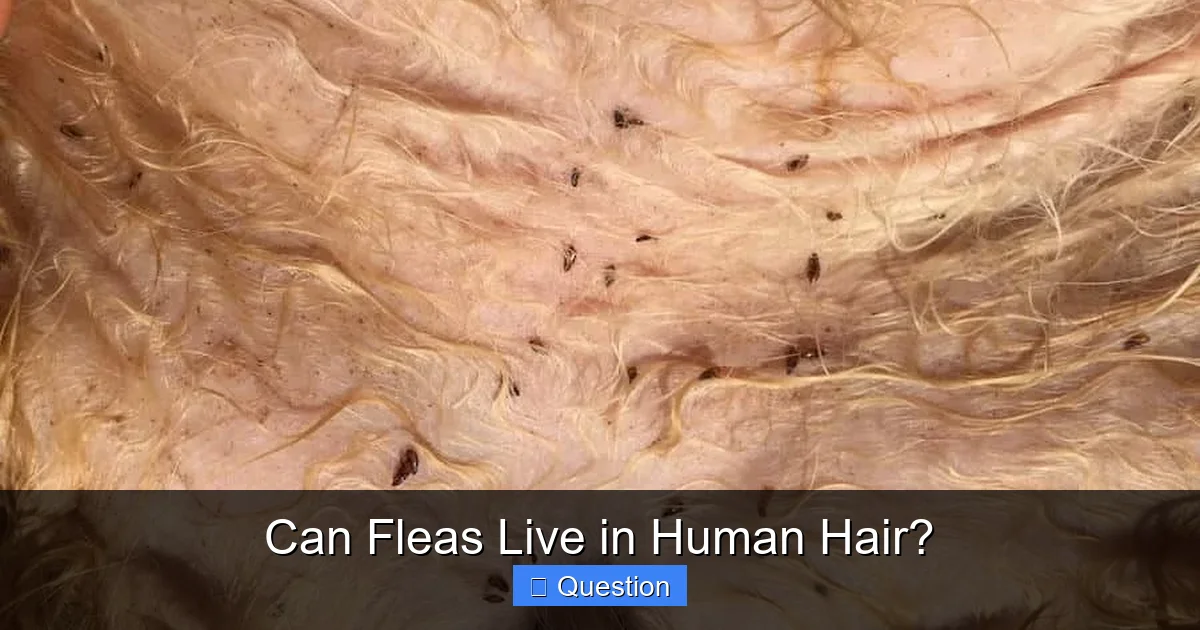
“Flea dirt” is flea feces, which consists of digested blood. It looks like tiny specks of black pepper. If you brush your hair or scratch your scalp and see these tiny black specks, you can test them by placing them on a wet paper towel. If they dissolve into reddish-brown streaks, it’s flea dirt. While more commonly found on pets, if a flea has been in your hair for a little while, it might leave behind flea dirt.
Taking Action: What to Do If You Find a Flea
Finding a flea on yourself, especially in your hair, can be alarming, but there’s no need to panic. Here’s a calm, practical approach to dealing with the situation.
Immediate Removal and Cleaning
If you spot an actual flea on yourself:
- Remove it: Carefully pick it off with tweezers or a piece of sticky tape. Drown it in soapy water or crush it. Do not simply flick it away, as it might just jump back.
- Shower thoroughly: Wash your hair and body with regular shampoo and soap. The physical act of washing will dislodge any other fleas or flea dirt that might be present.
- Wash clothes and bedding: Immediately change and wash any clothes you were wearing, as well as your bedsheets, in hot water.
Treating Your Pets
If you’ve found a flea on yourself, it’s a strong indicator that your pets (if you have them) are likely infested, even if you haven’t seen them scratching excessively. Consult your veterinarian for appropriate flea prevention and treatment products. There are many effective options, including topical treatments, oral medications, and flea collars. Consistent treatment is key.
Decontaminating Your Home Environment
Since the majority of the flea population lives in your home, this step is critical:
- Vacuum thoroughly and frequently: Pay special attention to carpets, rugs, upholstered furniture, and cracks and crevices along baseboards. Vacuum daily for several weeks. Empty the vacuum bag or canister immediately after each use, seal it in a plastic bag, and dispose of it outside your home to prevent fleas from escaping.
- Wash pet bedding: Wash all pet bedding in hot water and dry it on the highest heat setting regularly.
- Consider an insecticide: For severe infestations, you might consider using an insect growth regulator (IGR) spray for your home. These products don’t kill adult fleas but prevent eggs and larvae from developing. Always follow product instructions carefully or consult a pest control professional.
When to Seek Medical Advice
If you experience a severe allergic reaction to flea bites (e.g., widespread rash, difficulty breathing), or if the bites become infected (redness, pus, fever), consult a doctor. Otherwise, over-the-counter anti-itch creams (like hydrocortisone) can help alleviate discomfort.
Prevention is Key: Keeping Fleas Away
The best way to avoid the question, “Can fleas live in human hair?” is to prevent them from entering your home and infesting your pets in the first place.
Consistent Pet Flea Treatment
This is the single most important preventative measure. Work with your vet to establish a year-round flea prevention plan for all your pets. Even indoor pets can get fleas, often brought in by other pets, on clothing, or by stray animals in the yard.
Regular Home Cleaning and Vacuuming
Maintain a clean home environment. Regular vacuuming is not just good for hygiene; it physically removes flea eggs, larvae, and some adults. Steam cleaning carpets can also kill fleas at various life stages.
Yard Maintenance
If you have outdoor pets or known issues with stray animals, keep your yard tidy. Mow your lawn regularly, trim overgrown bushes, and remove leaf litter, especially in shaded areas where fleas like to hide. Consider treating your yard with pet-safe insecticides if outdoor infestations are a recurring problem.
Awareness and Vigilance
Be aware of potential flea sources. If you visit friends with pets, stay in a hotel, or spend time in areas known for fleas, be mindful of bringing them home on your clothing. A quick inspection of your clothes before entering your home can sometimes help. Also, regularly check your pets for fleas using a flea comb, especially during warmer months.
In conclusion, while the idea of fleas living in human hair is unsettling, it’s highly unlikely they would ever establish a sustainable population there. Our bodies are not designed to be their long-term homes. However, temporary encounters are possible, and if you find a flea, it’s a clear sign that a larger infestation might be lurking in your home or on your pets. By understanding flea biology and taking proactive steps to treat your pets and clean your environment, you can effectively keep these tiny pests at bay and ensure your human hair remains flea-free.
Frequently Asked Questions
Can fleas lay eggs in human hair?
No, fleas generally do not lay eggs in human hair. Flea eggs are non-sticky and are designed to fall off the host into the environment (carpets, pet bedding) where they can develop safely away from grooming.
Do fleas bite humans often?
Fleas will bite humans if their primary host (like a cat or dog) is not available, or if they are in a heavily infested environment. However, they prefer the blood of their natural hosts for sustained feeding and reproduction.
How do I know if I have fleas or head lice?
Fleas are dark brown, flattened, and jump quickly, leaving itchy red bites. Head lice are typically lighter in color, move slower, and their nits (eggs) are firmly glued to hair shafts, unlike flea eggs which are not laid in human hair.
What kills fleas instantly on humans?
Showering with regular shampoo and soap will effectively wash away and kill any fleas present on your body or in your hair. Physical removal with tweezers or sticky tape is also effective for individual fleas.
Can fleas travel from human to human?
It’s highly unlikely for fleas to travel directly from one human to another. While a flea might jump off one person, it would then seek out a more suitable host or environment rather than another human for a sustained period.
How long can a flea survive in human hair?
A flea might survive for a few hours to a day or two on a human, particularly if it’s feeding, but it will not establish a long-term presence. Our grooming and the lack of a dense coat make it an unsuitable habitat for extended survival or reproduction.
As an Amazon Associate, We earn from qualifying purchases.