
Does Laser Hair Treatment Hurt?
As an Amazon Associate, We earn from qualifying purchases.
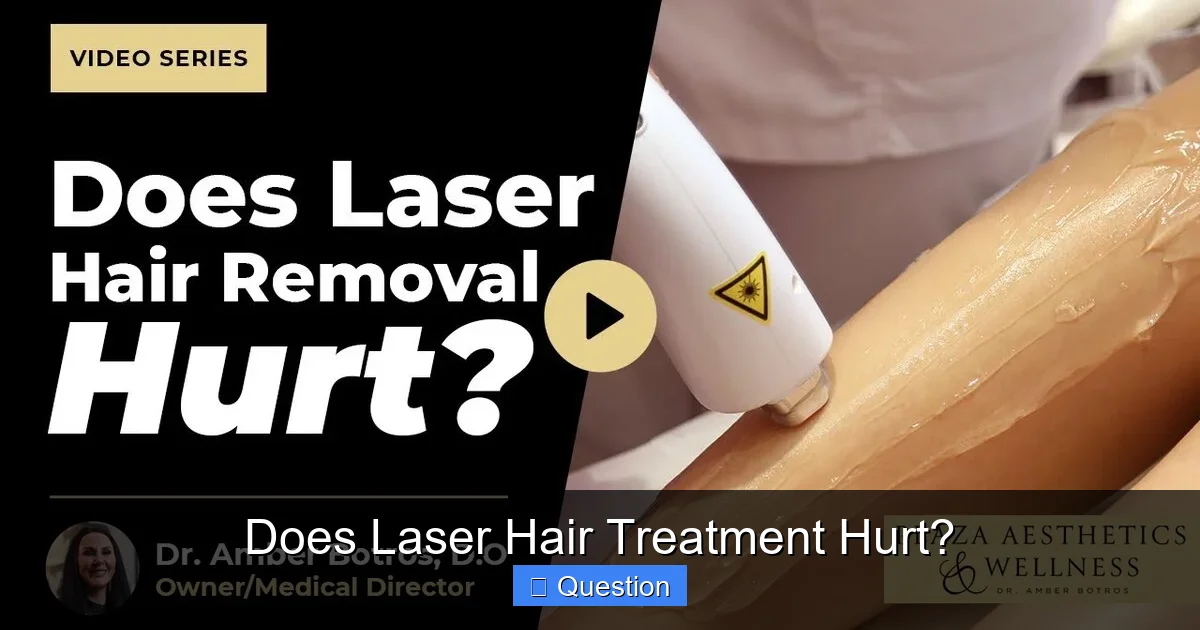
Many people wonder, “Does laser hair treatment hurt?” The short answer is: it can feel uncomfortable, but rarely truly painful, and the sensation is often compared to a rubber band snap or a warm pinprick. Discomfort levels vary significantly based on individual pain thresholds, treatment areas, hair and skin type, and the technology used. Most find the sensation manageable, especially with modern cooling systems and numbing creams, making it a highly effective and tolerable option for long-term hair reduction.
Does Laser Hair Treatment Hurt?
“Does laser hair treatment hurt?” This is, without a doubt, one of the most common questions people ask when considering this popular hair removal method. It’s a natural concern, especially when you’re thinking about a procedure that uses concentrated light energy on your skin. After all, nobody wants to sign up for unnecessary pain!
The truth is, laser hair treatment isn’t entirely pain-free for most people, but it’s also not the agonizing ordeal some might fear. The sensation is often described as uncomfortable rather than truly painful, and crucially, it’s very brief. Think of it more as a series of quick, sharp sensations rather than a continuous ache. Understanding what to expect can help manage anxieties and prepare you for a smoother experience.
Understanding the Sensation: What Does Laser Hair Treatment Feel Like?
So, if it’s not exactly “pain,” what exactly *does* laser hair treatment feel like? The sensation is quite unique and can vary from person to person and even from one body area to another. Many describe it in a few key ways:
The “Rubber Band Snap” Analogy
This is perhaps the most common comparison you’ll hear. Imagine someone quickly snapping a small rubber band against your skin. That brief, sharp flick is very similar to the feeling of a laser pulse. It’s immediate, localized, and the sensation dissipates almost as quickly as it arrives. It’s not a prolonged sting, but a fleeting, momentary sensation.
A Warm Pinprick or Heat Sensation
Another common description is a feeling akin to a warm pinprick. Because the laser targets the melanin in the hair follicle and converts light energy into heat, you will definitely feel some warmth. For some, it’s more of a heat sensation or a mild burning feeling that lasts only for a fraction of a second. Modern laser devices often include sophisticated cooling mechanisms to counteract this heat, making the experience much more tolerable.
Tingling or Prickling
In areas with finer hair or lower sensitivity, you might experience more of a tingling or prickling sensation. This is often less intense than the rubber band snap and can feel almost like static electricity on the skin.
It’s important to remember that these sensations are very localized. The laser only affects the hair follicle it’s targeting, so you won’t feel a widespread, diffuse pain. Each pulse is distinct, allowing you to mentally prepare for the next one. And as your hair follicles are damaged and hair growth slows with successive treatments, many people find that subsequent sessions become even less uncomfortable. The initial treatments, when hair is thickest, tend to be the most noticeable.
Factors Influencing Pain Levels: Why It Varies
When people ask, “Does laser hair treatment hurt?” the answer is never a simple yes or no because so many variables are at play. Several factors contribute to how much discomfort you might experience during a session.
Your Personal Pain Threshold
This is perhaps the most significant factor. Everyone’s tolerance for pain is different. What one person describes as a minor discomfort, another might find quite jarring. If you generally have a high pain tolerance, you’re likely to find laser hair treatment very manageable. If you’re more sensitive, you might want to take extra precautions, like using numbing cream.
Skin Type and Hair Color
Laser hair removal works by targeting the melanin (pigment) in the hair. Darker hair with more melanin absorbs more laser energy, making the treatment more effective but potentially also more intense. People with very dark, thick hair might feel a stronger sensation than those with finer, lighter hair (though laser hair treatment is less effective on very light or gray hair). Your skin type also plays a role, as darker skin types require different laser settings to prevent damage, which can influence sensation.
Hair Thickness and Density
The thicker and denser your hair, the more heat the follicles will absorb, and the more noticeable the sensation might be. Think about your first few sessions versus later ones; as hair thins out, the treatments often become less uncomfortable.
Body Area Being Treated
Some areas of the body are simply more sensitive than others. This is a crucial point when considering “Does laser hair treatment hurt?” For example:
- Highly Sensitive Areas: The bikini line, underarms, and upper lip tend to be the most sensitive due to a higher concentration of nerve endings. You’ll likely feel the “rubber band snap” sensation more acutely here.
- Moderately Sensitive Areas: The chest (for men), stomach, and inner thighs can also be a bit more sensitive than other parts of the body.
- Least Sensitive Areas: Legs, arms, and back are generally less sensitive, and many people find treatment in these areas quite tolerable.
Menstrual Cycle and Hormones
Hormonal fluctuations can increase skin sensitivity, especially during certain phases of your menstrual cycle. Many women report increased discomfort during or just before their period. Planning your appointments to avoid these times might help reduce pain.
Minimizing Discomfort: Pre, During, and Post-Treatment Strategies
The good news is that there are many ways to proactively manage and minimize any discomfort associated with laser hair treatment. You don’t have to just grin and bear it!
Pre-Treatment Preparation
- Topical Numbing Creams: This is a game-changer for many. You can purchase over-the-counter lidocaine creams or get a stronger prescription from your doctor. Apply a thick layer to the treatment area about 30-60 minutes before your appointment, allowing it time to soak in and numb the skin. Make sure to discuss this with your technician beforehand.
- Shave the Area: Shave the treatment area 12-24 hours before your session. This ensures the laser energy is directed at the follicle beneath the skin, not wasted on surface hair, which can also cause a burning smell and increased sensation.
- Avoid Sun Exposure: Tanned skin can increase the risk of burns and can make the treatment more uncomfortable, as the laser can target the melanin in your skin, not just your hair. Stay out of the sun and avoid self-tanners for at least 2-4 weeks prior.
- Stay Hydrated: Drinking plenty of water can help keep your skin healthy and potentially less reactive.
- Avoid Caffeine: Some people find that caffeine can heighten their sensitivity. You might consider avoiding it on the day of your appointment.
During the Treatment
- Cooling Mechanisms: Most modern laser devices come equipped with built-in cooling systems, such as chilled tips, cryogen sprays, or cold air blown onto the skin. These work by instantly cooling the skin before, during, and after each laser pulse, significantly reducing the heat sensation and making the treatment more comfortable. Don’t hesitate to ask your technician to maximize the cooling if you’re feeling too much heat.
- Open Communication: Speak up! Your technician is there to help. If you’re feeling too much discomfort, let them know. They can adjust the laser settings to a lower intensity, take breaks, or apply more cooling. Communication is key to a tolerable session.
- Deep Breathing and Distraction: Practicing deep breathing exercises can help calm your nerves and distract you from the sensations. Some clinics even offer music or other distractions.
Post-Treatment Care
- Apply Soothing Gels: Immediately after treatment, applying aloe vera gel, a cooling pack, or a specific post-laser soothing cream can help calm any redness or mild swelling and reduce residual discomfort.
- Avoid Heat: For 24-48 hours after treatment, avoid hot showers, saunas, steam rooms, and intense exercise, as these can irritate the treated area.
- Protect from Sun: Continue to protect the treated skin from sun exposure with sunscreen to prevent hyperpigmentation and irritation.
The Role of Technology and Practitioner Expertise
The “Does laser hair treatment hurt?” question also has a lot to do with the tools and the person operating them. Not all laser machines are created equal, and not all technicians have the same level of experience.
Advanced Laser Technology
Modern lasers, such as diode lasers, Alexandrite lasers, and Nd:YAG lasers, are designed with advanced features to enhance comfort. As mentioned, integrated cooling systems are crucial. Older or less sophisticated machines might offer less effective cooling, potentially leading to more discomfort. Always ask about the type of laser technology a clinic uses and its cooling capabilities.
Experienced Practitioners
A skilled and experienced laser technician makes a huge difference. They know how to properly assess your skin and hair type, select the appropriate laser settings, and operate the device efficiently. An experienced technician will also be attentive to your comfort level, check in with you regularly, and make adjustments as needed. They understand the nuances of different body areas and can navigate sensitive spots with more precision and care. Don’t hesitate to ask about your technician’s qualifications and experience.
Is It Worth It? Weighing the Discomfort Against the Benefits
After exploring “Does laser hair treatment hurt?” and all the variables involved, the ultimate question for many is, “Is the temporary discomfort worth the long-term results?” For the vast majority of people who undergo the treatment, the answer is a resounding yes.
Long-Term Hair Reduction
Unlike temporary methods like shaving, waxing, or epilating, laser hair treatment offers significant, long-term hair reduction. After a series of treatments, you can expect a dramatic decrease in hair growth, with hair that does grow back being finer and lighter. Many achieve permanent hair removal in treated areas. Imagine significantly less time spent on daily grooming!
Smoother Skin and Fewer Ingrown Hairs
One of the most celebrated benefits is the end of razor burn, bumps, and painful ingrown hairs. Laser hair treatment leaves your skin consistently smoother and healthier-looking, free from the irritation caused by traditional hair removal methods.
Time and Money Savings
While the upfront cost of laser hair treatment can seem significant, consider the cumulative cost and time spent on razors, shaving cream, waxing appointments, and other hair removal products over the years. In the long run, laser hair treatment can often be a more economical and time-efficient solution.
Increased Confidence
For many, the biggest benefit is the boost in confidence that comes with consistently smooth, hair-free skin. No more worrying about stubble, planning around waxing appointments, or feeling self-conscious about unwanted hair. This newfound freedom and comfort often far outweigh the brief, manageable discomfort of the treatment sessions.
In conclusion, “Does laser hair treatment hurt?” is a valid question with a nuanced answer. While it’s not a spa-like experience, the discomfort is generally brief, tolerable, and highly manageable with proper preparation and modern technology. For most, the fleeting sensation is a small price to pay for the incredible freedom and confidence that comes with long-term smooth skin. If you’re considering laser hair treatment, don’t let fear of pain hold you back. Talk to a reputable clinic, understand their procedures, and prepare yourself, and you’ll likely find the experience well worth it.
Key Takeaways
- Manageable Discomfort: While not entirely painless, laser hair treatment is generally described as a tolerable discomfort, often likened to a quick rubber band snap or a warm pinprick, rather than intense pain.
- Variable Sensation: The level of discomfort is highly individual, influenced by your personal pain tolerance, the specific body area being treated (more sensitive areas hurt more), and the characteristics of your hair and skin.
- Technology Matters: Modern laser devices incorporate advanced cooling systems (like chilled tips or air) that significantly reduce heat sensation and enhance comfort during the procedure.
- Pre-Treatment Preparation Helps: Applying topical numbing creams about an hour before your session can dramatically lessen discomfort, especially for those with lower pain thresholds or sensitive areas.
- Communication is Key: Don’t hesitate to communicate with your technician about your comfort level. They can adjust settings or offer breaks to ensure the experience is as bearable as possible.
- Temporary Sensation: Any discomfort felt during laser hair treatment is momentary, occurring only as the laser pulses. The sensation subsides almost immediately after the pulse, and subsequent sessions often become less uncomfortable as hair thins.
- Benefits Outweigh Discomfort: For most individuals, the temporary discomfort of laser hair treatment is a small price to pay for the long-term benefits of significantly reduced hair growth and smoother skin.
Frequently Asked Questions
Does laser hair treatment hurt more on certain body parts?
Yes, absolutely. Areas with thinner skin or a higher concentration of nerve endings, such as the upper lip, bikini line, and underarms, tend to be more sensitive and might experience greater discomfort compared to less sensitive areas like the legs or back.
Can I use numbing cream before my laser hair treatment?
Yes, using a topical numbing cream (like lidocaine) is a common and effective way to reduce discomfort. Apply it about 30-60 minutes before your appointment, but always discuss this with your technician or clinic beforehand to ensure it’s appropriate and won’t interfere with the treatment.
Is the pain from laser hair treatment worse than waxing?
Most people find laser hair treatment to be less painful than waxing. While waxing involves a sharp, prolonged pulling sensation over a larger area, laser discomfort is often described as a series of quick, targeted snaps, which dissipates almost immediately after each pulse.
Does the pain get better with each laser hair treatment session?
Generally, yes. As your hair follicles are damaged and the hair becomes thinner, lighter, and sparser with successive treatments, there’s less pigment for the laser to target. This often results in reduced sensation and increased comfort in later sessions.
What if I have a very low pain tolerance?
If you have a low pain tolerance, you can still consider laser hair treatment. Be sure to communicate your concerns with your technician, use numbing cream, take advantage of the laser’s cooling systems, and don’t hesitate to ask for breaks. Starting with a patch test can also help you gauge the sensation.
Can laser hair treatment cause burns or blisters?
When performed by a qualified and experienced technician using appropriate settings for your skin type, serious burns or blisters are rare. Temporary redness and mild swelling are common, but these typically subside quickly. Choosing a reputable clinic and following pre- and post-care instructions greatly minimizes risks.
As an Amazon Associate, We earn from qualifying purchases.