
Can Laser Hair Removal Cause Cancer?
As an Amazon Associate, We earn from qualifying purchases.
Many wonder, can laser hair removal cause cancer? The reassuring answer from medical professionals is no. Laser hair removal uses non-ionizing radiation, which targets hair follicles without damaging DNA or increasing cancer risk. Following professional guidelines ensures a safe and effective treatment.
Can Laser Hair Removal Cause Cancer?
Picture this: you’re dreaming of silky-smooth skin, free from the endless cycle of shaving and waxing. Laser hair removal sounds like a miracle solution, right? But then, a nagging question creeps into your mind, perhaps fueled by something you overheard or read online: Can laser hair removal cause cancer? It’s a very natural and valid concern, especially when we talk about using lasers on our bodies.
The idea of a laser, a beam of concentrated light, interacting with your skin can sound a bit intimidating. In a world where we’re constantly bombarded with health information (and sometimes misinformation), it’s smart to be cautious and seek out reliable answers. We all want to make informed decisions about our health and beauty treatments. So, let’s dive deep into this question, separate fact from fiction, and put your mind at ease about whether laser hair removal can cause cancer.
In this comprehensive guide, we’ll explore exactly how laser hair removal works, clarify the science behind the technology, and most importantly, address the pressing question: can laser hair removal cause cancer? We’ll look at what medical experts and scientific studies have to say, discuss the different types of radiation, and provide practical tips to ensure your laser hair removal journey is as safe and effective as possible. You deserve to feel confident and well-informed, so let’s get started on debunking those fears.
Key Takeaways
- No Proven Link to Cancer: Extensive scientific research and medical consensus confirm there is no evidence that laser hair removal causes cancer.
- Non-Ionizing Radiation: The lasers used are non-ionizing, meaning they do not have the energy to damage DNA or cellular structures in a way that could lead to cancer, unlike harmful ionizing radiation like X-rays.
- Superficial Skin Penetration: Laser energy penetrates only a few millimeters into the skin, specifically targeting hair follicles, and does not reach internal organs or lymph nodes.
- Medical Consensus: Leading dermatological and medical organizations, including the FDA, affirm the safety of laser hair removal when performed by qualified professionals.
- Importance of Professional Treatment: To ensure safety and efficacy, it is crucial to seek treatment from a certified, experienced practitioner who uses appropriate laser settings for your skin and hair type.
- Mild Side Effects are Common: Temporary side effects like redness, swelling, and mild discomfort are normal and typically resolve within a few hours to days, but these are not related to cancer risk.
- Consult a Professional: Always have an initial consultation with a reputable specialist to discuss your medical history, skin concerns, and ensure laser hair removal is a suitable and safe option for you.
📑 Table of Contents
- Understanding Laser Hair Removal: How It Works
- The Cancer Question: Dispelling Myths and Understanding the Science
- Types of Radiation and Their Role
- Expert Opinions and Medical Consensus
- Safety Precautions and Best Practices for Laser Hair Removal
- Addressing Other Potential Concerns and Side Effects
- Conclusion
Understanding Laser Hair Removal: How It Works
Before we can talk about safety, it helps to understand what laser hair removal actually is and how it achieves that smooth, hair-free result. It’s not magic, but rather a fascinating application of physics and biology.
The Science Behind Hair Removal Lasers
At its core, laser hair removal works by emitting a concentrated beam of light. This light is specifically designed to target the melanin (pigment) in your hair follicles. Think of melanin as the “target practice” for the laser. When the laser light is absorbed by the melanin, it converts into heat. This heat then travels down to the hair follicle, damaging it and inhibiting future hair growth. The goal isn’t to burn the skin, but to selectively destroy the follicle while keeping the surrounding skin healthy. This precision is key to its effectiveness.
Different Types of Lasers
Not all lasers are created equal. Different types are used depending on your skin tone and hair color. For example, Alexandrite lasers are often great for lighter skin types, while Nd:YAG lasers are safer and more effective for darker skin tones because they bypass the melanin in the skin surface and target deeper into the follicle. Diode lasers are versatile and commonly used across various skin types. A skilled practitioner will choose the right laser for you, which is a crucial step in ensuring safety and effectiveness. This careful selection helps prevent unwanted side effects and ensures that laser hair removal works optimally for your unique profile.
Why Multiple Sessions Are Needed
Hair grows in cycles (anagen, catagen, and telogen phases). Laser hair removal is most effective during the anagen (active growth) phase, when the hair follicle is actively producing melanin. Since not all your hair follicles are in this phase at the same time, you’ll need several sessions – typically 6 to 8 – spaced a few weeks apart. Each session targets new hair in the active growth phase, gradually leading to permanent hair reduction. This multi-session approach is also why you might wonder, “Can laser hair removal cause cancer?” if you’re exposed multiple times, but as we’ll see, the type of energy used is the key.
The Cancer Question: Dispelling Myths and Understanding the Science
Now, let’s tackle the elephant in the room: can laser hair removal cause cancer? This is often the primary concern for anyone considering the treatment, and it’s completely understandable. The short, reassuring answer from the vast majority of medical professionals and scientific studies is a resounding no.
Differentiating Radiation: Ionizing vs. Non-Ionizing
The confusion often stems from the word “radiation.” When people hear “radiation,” they often immediately think of harmful types like X-rays, gamma rays, or UV radiation from the sun, which are known to cause DNA damage and increase cancer risk. These are called ionizing radiation because they have enough energy to remove electrons from atoms, creating ions that can damage cells and genetic material. This type of radiation is indeed linked to cancer.
However, the lasers used for hair removal operate using non-ionizing radiation. This is a critical distinction! Non-ionizing radiation, which also includes radio waves, microwaves, and visible light, does not have enough energy to cause DNA damage. Instead, its primary effect is heat. In the context of laser hair removal, this heat is precisely what targets and damages the hair follicle without harming the surrounding healthy tissue or altering cellular DNA in a way that could lead to cancer.
How Laser Light Interacts with Skin Cells
The laser energy penetrates only a few millimeters into the skin – just enough to reach the hair follicles. It does not go deeper to affect lymph nodes, internal organs, or any other structures where cancer typically originates. The light is absorbed by melanin, converted to heat, and then dissipates quickly. There is no evidence or scientific mechanism by which this process could induce cancerous changes in skin cells. This means that the answer to “Can laser hair removal cause cancer?” remains firmly negative based on current scientific understanding.
Types of Radiation and Their Role
To further clarify why laser hair removal is not linked to cancer, let’s take a closer look at the different categories of radiation and their biological effects.
Ionizing Radiation: The Harmful Kind
Ionizing radiation is the type we associate with medical imaging like X-rays (used in small, controlled doses) and the radiation from nuclear materials. This radiation carries enough energy to knock electrons out of atoms, creating ions. When these ions are formed within our cells, they can cause direct damage to DNA. Damaged DNA, if not repaired correctly, can lead to mutations that contribute to cancer development. Examples include:
- X-rays
- Gamma rays
- Ultraviolet (UV) radiation (from the sun or tanning beds)
Exposure to high levels of ionizing radiation significantly increases cancer risk. This is why you protect yourself from excessive sun exposure and medical professionals use lead shields during X-rays.
Non-Ionizing Radiation: The Safe Kind (for LHR)
On the other hand, non-ionizing radiation is much lower in energy. It causes molecules to vibrate or heat up, but it doesn’t have the power to break chemical bonds or damage DNA directly. The energy is insufficient to cause the kind of cellular damage that leads to cancer. Examples include:
- Radio waves (used in broadcasting)
- Microwaves (used in ovens)
- Infrared light (from remote controls, heat lamps)
- Visible light (what we see)
- Lasers used for hair removal
The lasers used in hair removal are specifically in the visible light to infrared spectrum of non-ionizing radiation. Their effect is purely thermal, targeting the hair follicle pigment. This distinction is paramount when discussing whether laser hair removal can cause cancer; the mechanism simply isn’t there for cancer induction.
Expert Opinions and Medical Consensus
When it comes to health concerns, it’s always best to rely on the experts. So, what do leading dermatologists, medical organizations, and regulatory bodies say about the safety of laser hair removal and its potential to cause cancer?
FDA Approval and Medical Endorsement
The U.S. Food and Drug Administration (FDA) has cleared several laser and intense pulsed light (IPL) devices for permanent hair reduction. This clearance is granted after rigorous testing and review of safety and efficacy data. The FDA’s stance, along with that of reputable medical bodies like the American Academy of Dermatology (AAD), is that laser hair removal is a safe procedure when performed correctly by a trained professional. There has been no evidence to suggest that the treatment could cause cancer.
Long-Term Safety Studies
Laser hair removal has been around for decades, and its popularity has only grown. This extensive history has allowed for numerous studies and observations regarding its long-term safety profile. Decades of research have consistently shown no link between laser hair removal and an increased risk of any type of cancer, including skin cancer. If there were any credible concerns that laser hair removal can cause cancer, they would have emerged by now from these long-term studies.
Dermatologists, who are experts in skin health, regularly perform and recommend laser hair removal. Their professional experience and knowledge reinforce the scientific consensus that the procedure is safe. They understand the technology, how it interacts with the skin, and any potential side effects, none of which include an elevated cancer risk.
Safety Precautions and Best Practices for Laser Hair Removal
While the answer to “Can laser hair removal cause cancer?” is a reassuring no, that doesn’t mean you can skip safety precautions. Like any medical or cosmetic procedure, it’s essential to ensure it’s performed safely and correctly to minimize risks and achieve the best results.
Choosing a Qualified Professional
This is arguably the most critical step. Always seek treatment from a licensed and certified professional, such as a dermatologist, a registered nurse, or a certified laser technician. They should have extensive training and experience with laser devices. A qualified practitioner will know how to assess your skin and hair type, select the appropriate laser settings, and administer the treatment safely. Choosing a reputable clinic with a strong track record is paramount.
Initial Consultation and Patch Test
A thorough initial consultation is non-negotiable. Your practitioner should review your medical history, discuss your expectations, and explain the procedure in detail. A patch test is also highly recommended, especially if you have sensitive skin or are new to laser treatments. This involves treating a small, inconspicuous area of your skin to see how it reacts before proceeding with a full session. This helps determine the optimal settings and identify any adverse reactions.
Protecting Your Eyes
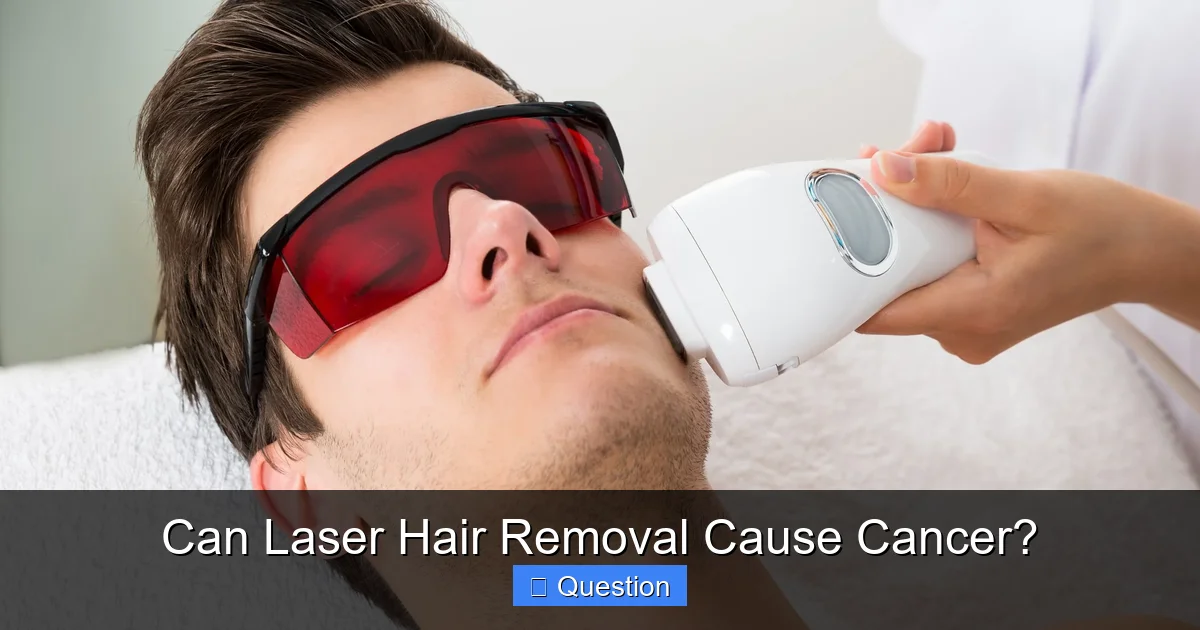
Your eyes are particularly sensitive to laser light. During the treatment, both you and the practitioner must wear special protective eyewear. These glasses are designed to block the specific wavelengths of light used by the laser, preventing any potential damage to your eyes. Never undergo a treatment if protective eyewear is not provided and used correctly.
Pre and Post-Care Instructions
Following pre and post-care instructions is crucial for both safety and effectiveness. This typically includes:
- Avoiding sun exposure and tanning for several weeks before and after your sessions. Sunburned or tanned skin can absorb more laser energy, increasing the risk of burns or pigmentation changes.
- Shaving the treatment area 24 hours before your appointment, but avoiding waxing, plucking, or electrolysis, as these methods remove the hair follicle that the laser needs to target.
- Using gentle skincare products and avoiding harsh exfoliants or irritants on the treated area.
- Applying a soothing gel or cold compress to reduce redness and swelling after the treatment.
Reporting Unusual Side Effects
While serious complications are rare, it’s important to report any unusual or persistent side effects to your practitioner immediately. This includes severe pain, blistering, changes in skin pigmentation (darkening or lightening), or signs of infection. Early intervention can prevent more significant issues.
Addressing Other Potential Concerns and Side Effects
While we’ve established that laser hair removal does not cause cancer, it’s still wise to be aware of other potential side effects or considerations. Knowing what to expect helps manage expectations and ensures a safer experience.
Common and Temporary Side Effects
Most side effects from laser hair removal are mild and temporary, resolving within a few hours to a few days. These can include:
- Redness and swelling: The treated area might look and feel like a mild sunburn. This is a normal reaction as your body responds to the heat.
- Mild discomfort: Some people describe the sensation during treatment as like a rubber band snapping against the skin. Post-treatment, a slight tingling or stinging might occur.
Applying a cold compress or aloe vera gel can help soothe these symptoms. These minor reactions are completely unrelated to the question of “Can laser hair removal cause cancer?”.
Rare but Possible Side Effects
While uncommon, more significant side effects can occur, especially if the treatment is performed by an inexperienced practitioner or with incorrect settings:
- Burns: If the laser settings are too high for your skin type, or if your skin is sun-tanned, burns can happen. These range from mild to more severe blistering.
- Hyperpigmentation (dark spots): More common in individuals with darker skin tones, this is a temporary darkening of the skin.
- Hypopigmentation (light spots): A less common side effect where the treated skin becomes lighter than the surrounding area.
- Scarring: Extremely rare, usually resulting from severe burns or improper aftercare.
- Paradoxical hair growth: In some rare cases, particularly on finer hair or with insufficient energy, laser treatment can paradoxically stimulate new hair growth in adjacent areas, rather than reducing it.
These potential issues highlight the importance of choosing an experienced, qualified professional, as mentioned earlier. Again, none of these potential side effects are linked to cancer.
Is it Safe for Moles or Tattoos?
Laser hair removal should generally be avoided over moles, birthmarks, and tattoos. The laser is attracted to pigment. Treating over a mole could potentially alter its appearance, making it harder to detect changes that could indicate skin cancer. While the laser itself won’t cause cancer, masking changes in a mole could delay diagnosis. For tattoos, the laser can damage the tattoo pigment, leading to fading, blistering, or even scarring. A skilled practitioner will carefully cover or avoid these areas during treatment.
Conclusion
The question, “Can laser hair removal cause cancer?” is a significant one, and it’s essential to address it with clear, evidence-based information. We’ve explored the science behind laser hair removal, differentiated between harmful and harmless types of radiation, and reviewed the overwhelming medical consensus. The good news is that current scientific understanding and decades of clinical experience consistently show no link between laser hair removal and an increased risk of cancer.
The lasers used for hair removal employ non-ionizing radiation, which works by selectively heating and damaging hair follicles, not by causing cellular DNA damage that leads to cancer. This type of light energy penetrates only superficially into the skin, without affecting internal organs or lymph nodes. When performed by a qualified and experienced professional, adhering to proper safety protocols, laser hair removal is considered a safe and effective method for long-term hair reduction.
So, you can breathe a sigh of relief. While it’s always wise to choose a reputable clinic and follow all pre and post-care instructions to minimize common, temporary side effects, you do not need to worry that laser hair removal can cause cancer. Armed with this knowledge, you can make an informed decision about pursuing smooth, hair-free skin with confidence and peace of mind.
Frequently Asked Questions
What kind of radiation does laser hair removal use?
Laser hair removal uses non-ionizing radiation, which includes visible light and infrared light. Unlike ionizing radiation (like X-rays or UV rays), non-ionizing radiation does not have enough energy to damage DNA or cause the cellular changes that lead to cancer.
Can laser hair removal cause skin damage leading to cancer?
No, laser hair removal does not cause skin damage that leads to cancer. The laser targets pigment in hair follicles without harming the DNA of skin cells. While incorrect settings can cause burns or pigmentation changes, these are not linked to an increased risk of cancer.
Is laser hair removal safe for moles?
It is generally recommended to avoid treating directly over moles. While laser hair removal itself does not cause cancer, the laser can alter the appearance of a mole, making it more difficult to detect potential cancerous changes, which could delay diagnosis.
Are there any long-term health risks associated with laser hair removal?
Decades of research and widespread use have shown no evidence of long-term health risks, including cancer, associated with laser hair removal when performed by qualified professionals. The temporary side effects like redness and swelling are generally short-lived and resolve on their own.
What are the most common side effects of laser hair removal?
The most common side effects of laser hair removal are temporary redness, mild swelling, and slight discomfort in the treated area, similar to a sunburn. These usually subside within a few hours to a day or two and are not related to any serious health concerns like cancer.
How can I ensure my laser hair removal treatment is safe?
To ensure a safe treatment, always choose a licensed and experienced professional, undergo an initial consultation and patch test, protect your eyes with appropriate eyewear, and meticulously follow all pre and post-care instructions provided by your practitioner.
As an Amazon Associate, We earn from qualifying purchases.