
Can Bed Bugs Live in Your Hair?
As an Amazon Associate, We earn from qualifying purchases.
Concerned about finding tiny pests in your locks? Rest assured, bed bugs do not live in your hair. Unlike head lice, bed bugs are not adapted to inhabit human hair and prefer to hide in mattresses and furniture. While they might temporarily crawl across your head to bite exposed skin, they won’t build a home or lay eggs in your hair.
There’s a certain primal shiver that runs down your spine at the mere thought of tiny, crawling creatures in your hair. When we talk about creepy-crawlies, bed bugs often top the list of unwelcome guests, stirring up anxiety about our homes and personal spaces. It’s natural, then, to wonder about every possible place these elusive pests might choose to hide. And for many, a common, unsettling question arises: Can bed bugs live in your hair?
The good news, and let’s get straight to the point, is that the answer is overwhelmingly no. While the idea might be unsettling, bed bugs are not adapted to live in human hair. This common misconception often stems from confusing bed bugs with other parasites like head lice, which are specifically designed for a life in your locks. Understanding the distinct differences between these pests is key to dispelling fears and arming yourself with accurate information.
In this comprehensive guide, we’ll dive deep into the world of bed bugs, exploring their biology, behavior, and preferred habitats. We’ll explain why your hair simply isn’t a suitable home for them and how they differ from the creatures that do make a living there. By the end, you’ll have a clear understanding of what to worry about (and what not to!) when it comes to these nighttime nibblers, empowering you with knowledge and peace of mind.
Key Takeaways
- Bed Bugs Don’t Live in Hair: Unlike head lice, bed bugs are not adapted to inhabit human hair follicles or scalp areas permanently.
- Physical Limitations: Their flat, broad bodies and short legs make it difficult for them to navigate and cling to individual strands of hair effectively.
- No Egg Laying in Hair: Bed bugs do not lay their eggs on hair strands; they prefer rough, hidden surfaces like mattress seams or cracks.
- Temporary Visitors: A bed bug might briefly crawl onto your hair or scalp in search of an exposed skin area for feeding, but it will not stay there.
- Habitat Preference: Bed bugs are primarily found in close proximity to human sleeping areas – mattresses, box springs, headboards, and furniture crevices.
- Distinguish from Lice: It’s crucial to understand the distinct differences between bed bugs and head lice, which are specifically adapted to live in hair.
- Focus on Prevention: Instead of worrying about bed bugs in your hair, focus on effective strategies for preventing infestations in your home and during travel.
📑 Table of Contents
- Understanding Bed Bugs: What Are They Really?
- Why Bed Bugs Don’t Live in Your Hair (Unlike Lice)
- The Difference Between Bed Bugs and Head Lice
- So, What Happens if a Bed Bug *Does* Get in Your Hair?
- Preventing Bed Bugs and Protecting Your Home
- Dealing with Bed Bug Bites and Their Aftermath
- Conclusion
Understanding Bed Bugs: What Are They Really?
Before we can truly answer “can bed bugs live in your hair?”, it’s essential to understand who we’re dealing with. Bed bugs, scientifically known as Cimex lectularius, are tiny, reddish-brown, oval-shaped insects that feed exclusively on the blood of warm-blooded animals, primarily humans. They are nocturnal, meaning they are most active at night when their hosts are asleep, emerging from their hiding spots to feed.
Anatomy and Behavior
Bed bugs are incredibly flat, especially before a meal. This unique characteristic allows them to squeeze into incredibly tight spaces – think cracks in walls, crevices in furniture, and seams of mattresses. Their bodies are broad and flattened, and they possess six legs. These legs are relatively short and stout, designed for crawling on flat or slightly textured surfaces, not for clinging to thin, individual strands of hair. After feeding, their bodies become engorged and more reddish, resembling an apple seed.
Preferred Habitats
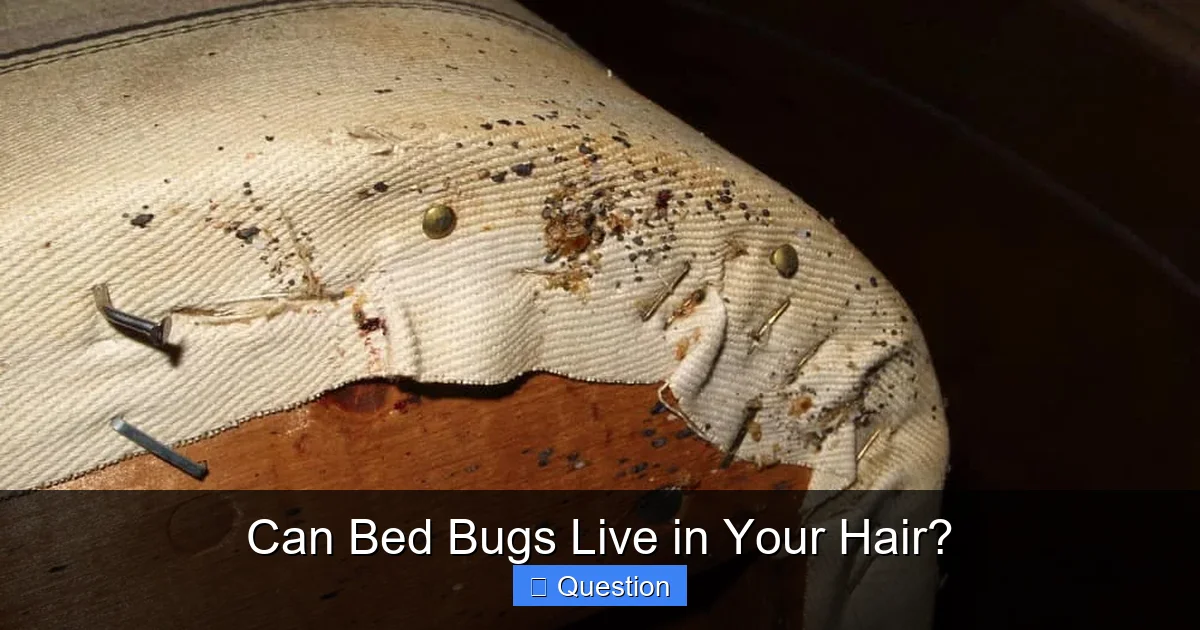
Bed bugs are masters of hiding. They don’t build nests like ants or bees, but rather congregate in “harborage” areas. These areas are typically close to where humans sleep or rest, allowing easy access to a blood meal. Common hiding spots include:
- Mattress seams, tags, and piping
- Box springs and bed frames
- Headboards and nightstands
- Cracks and crevices in walls
- Behind loose wallpaper or electrical outlets
- Upholstered furniture like sofas and recliners
- Luggage, especially after travel
Notice a common theme? These are all stationary, hidden locations offering protection and proximity to their food source. Your hair, with its constant movement, oils, and lack of secure crevices, simply doesn’t fit the bill for a long-term bed bug residence. The idea that bed bugs can live in your hair is a persistent myth, but it doesn’t align with their biological needs.
Why Bed Bugs Don’t Live in Your Hair (Unlike Lice)
The fundamental reason why the answer to “can bed bugs live in your hair?” is no lies in their physical adaptations and feeding habits. They are simply not built for it.
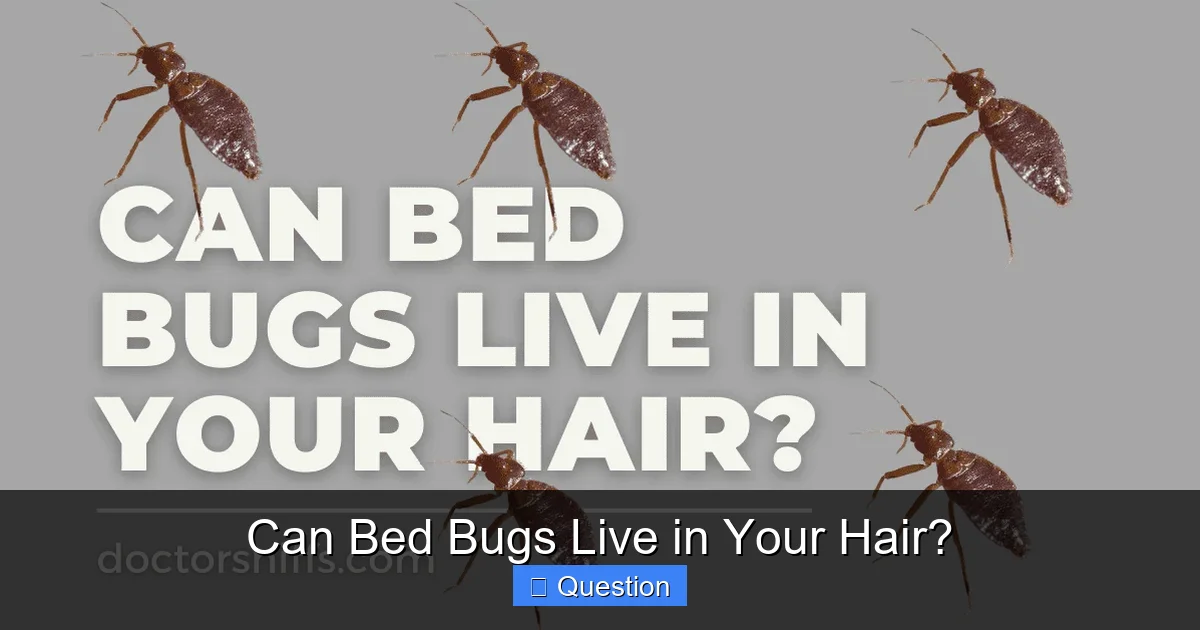
Visual guide about Can Bed Bugs Live in Your Hair?
Image source: doctorsniffs.com
Physical Adaptations: Not Designed for Hair
Consider the bed bug’s body: flat, broad, and with relatively short, unspecialized legs. Now, compare that to head lice, which have specialized claw-like legs perfectly adapted for gripping individual hair shafts. Bed bugs lack these specialized appendages. Their legs are designed for walking on surfaces like fabric, wood, and skin, allowing them to move quickly between their hiding spots and their feeding grounds. Trying to navigate a dense forest of hair strands would be like trying to climb a rope ladder with mittens on – incredibly difficult and inefficient for them. They would struggle to hold on, move effectively, or stay securely hidden.
Feeding Habits: Quick Bites, Then Retreat
Bed bugs are not like ticks that attach for long periods, nor are they like lice that reside on the host. Their feeding process is much quicker. They emerge, locate an exposed patch of skin (often on arms, legs, neck, or face), feed for about 3-10 minutes, and then retreat back to their secure harborage. They don’t burrow into skin or hair. Their entire strategy revolves around remaining undetected in their hiding spots and making swift, clandestine visits for meals. Staying in your hair would expose them to the risk of being easily dislodged, crushed, or groomed away.
Hair vs. Skin: They Need Direct Access
For a bed bug to feed, it needs direct access to a capillary just beneath the skin’s surface. While a bed bug might crawl onto your scalp, it would do so to reach the skin, not to live in your hair. Dense hair provides a barrier, making it harder for them to find a suitable feeding spot and complete their meal efficiently. They prefer clear, unobstructed access to skin. This is another crucial reason why “can bed bugs live in your hair?” has a definitive negative answer.
The Difference Between Bed Bugs and Head Lice
The persistent confusion about bed bugs living in hair largely stems from not understanding the clear distinction between bed bugs and head lice. While both are parasitic insects that feed on human blood, their biology, behavior, and preferred habitats are vastly different.
Size and Appearance
- Bed Bugs: Adult bed bugs are about the size of an apple seed (4-5 mm), reddish-brown, and have a flattened, oval body. Nymphs (young bed bugs) are smaller and translucent, becoming red after feeding. Their eggs are tiny (about 1 mm), pearly white, and often laid in clusters in crevices.
- Head Lice: Adult head lice are much smaller, about the size of a sesame seed (2-3 mm), and are grayish-white or tan. They are elongated rather than broad and flat. Their eggs, called nits, are tiny, oval, and firmly cemented to individual hair shafts, usually close to the scalp.
Life Cycle and Habitat
- Bed Bugs: Live off the host in cracks and crevices, feeding intermittently. They lay eggs in their harborage areas, never on hair. Their entire life cycle, from egg to nymph to adult, occurs off the human body.
- Head Lice: Live their entire life cycle on the human scalp and hair. They rely on the warmth and constant access to blood meals provided by the head. Nits are specifically laid on hair shafts to incubate in the warmth of the scalp. Lice cannot survive for long periods off a human host.
Transmission and Symptoms
- Bed Bugs: Primarily spread by hitchhiking on luggage, clothing, or furniture. Bites typically appear in lines or clusters on exposed skin areas, often causing itchy red welts.
- Head Lice: Spread through direct head-to-head contact or sharing personal items like combs, hats, or headphones. Symptoms include intense itching of the scalp, irritation, and the visible presence of lice or nits on hair.
It’s clear that while both cause itchy bites, their modus operandi is fundamentally different. If you find something in your hair, it is almost certainly lice, not bed bugs. The question “can bed bugs live in your hair?” is answered definitively by looking at these stark contrasts.
So, What Happens if a Bed Bug *Does* Get in Your Hair?
While bed bugs won’t live in your hair, it’s not impossible for one to briefly encounter your hair or scalp. Let’s explore what that scenario might look like and how to react.
A Temporary Traveler
Imagine you’re sleeping, and a bed bug emerges from a nearby crack in your headboard. Its goal is to find exposed skin for a meal. As it navigates its way, it might crawl across your pillow, brush against your hair, or even briefly scuttle across your scalp. This is purely incidental. The bed bug isn’t trying to reside there; it’s just passing through on its way to a feeding site. It won’t dig in, won’t lay eggs, and won’t stay for long. The moment it gets what it needs (a blood meal) or senses danger, it will retreat to its secure hiding place.
How to React: Don’t Panic!
If you were to feel something crawling in your hair and suspect it might be a bed bug, the best course of action is to remain calm. A bed bug in your hair is highly unlikely to be nesting or causing an infestation there. Gently run a comb through your hair or brush your hand over your scalp to dislodge any potential hitchhikers. A quick shake of your head or a shower would also effectively remove any temporary visitors. There’s no need for special shampoos or treatments designed for lice, as bed bugs are not lice.
The real concern isn’t the single bed bug in your hair, but rather the indication that you might have an infestation in your immediate environment. If you find a bed bug on your person, it’s a strong signal to thoroughly inspect your bedding, mattress, and surrounding furniture for signs of these pests.
When Bed Bugs Get Close
Sometimes, bed bug bites appear on the scalp or around the hairline. This isn’t because bed bugs are living in your hair, but because these areas are often exposed while sleeping. A bed bug will simply crawl to the edge of the hair growth to access the skin, feed, and then retreat. This is a common feeding pattern, but it doesn’t mean your hair itself is infested. Remember, the question “can bed bugs live in your hair?” relates to establishing a domicile, which they simply cannot do.
Preventing Bed Bugs and Protecting Your Home
Since the answer to “can bed bugs live in your hair?” is a resounding no, your focus should shift to preventing them from infesting your home and, by extension, ever getting close enough to crawl on you. Prevention is always better than cure when it comes to these resilient pests.
Inspecting for Bed Bugs
Regular inspection is your first line of defense. Know what to look for:
- Live Bed Bugs: Small, apple-seed sized, reddish-brown insects.
- Bed Bug Eggs: Tiny (1mm), white, oval-shaped, often in clusters.
- Fecal Spots: Small, dark, inky spots on mattresses, bedding, or walls – these are digested blood.
- Shed Skins: As bed bugs grow, they shed their exoskeletons. These look like hollow, translucent versions of the bugs themselves.
Concentrate your search on mattress seams, bed frames, headboards, and upholstered furniture. Use a flashlight and a credit card to probe into crevices.
Travel Smarter
Travel is a common way for bed bugs to spread. Implement these precautions:
- Inspect Hotel Rooms: Upon arrival, pull back the sheets and check the mattress seams, headboard, and bedside tables for signs of bed bugs. Use the “S.L.E.E.P.” method: Survey, Lift, Examine, Elevate, Place.
- Elevate Luggage: Keep your suitcase on a luggage rack, away from the bed and walls, preferably in the bathroom.
- Pack in Plastic: Use sealable plastic bags for clothing, both clean and dirty, to contain any potential hitchhikers.
- Post-Travel Laundry: When you return home, immediately wash and dry all your travel clothes on the hottest settings possible, even if they’re clean. Inspect your luggage thoroughly before storing it.
Regular Home Maintenance
A tidy home can help reduce hiding spots and make early detection easier:
- Vacuum Frequently: Regularly vacuum carpets, rugs, and especially around the perimeter of rooms and under furniture. Use a crevice attachment for hard-to-reach areas. Immediately empty the vacuum bag into a sealed plastic bag and dispose of it outdoors.
- Declutter: Reduce clutter, especially around your bed, to eliminate potential hiding spots for bed bugs.
- Seal Cracks: Seal cracks and crevices in walls, baseboards, and around electrical outlets to eliminate harborage areas.
Professional Help
Bed bugs are incredibly difficult to eradicate on your own. If you find signs of an infestation, it’s best to contact a professional pest control service. They have the expertise, tools, and treatments necessary to effectively eliminate bed bugs from your home. Trying DIY solutions often only prolongs the problem and can lead to the infestation spreading.
Dealing with Bed Bug Bites and Their Aftermath
Even if bed bugs don’t live in your hair, experiencing their bites can be distressing. Knowing how to identify and treat bites, and what to do next, is crucial for your peace of mind and health.
Identifying Bites
Bed bug bites often appear as small, red, itchy welts on exposed skin. They can be confused with mosquito bites or other insect bites. Key indicators include:
- Pattern: Bites often appear in lines or clusters (sometimes called “breakfast, lunch, and dinner” patterns) on areas like arms, legs, neck, and face.
- Timing: Bites typically appear in the morning, after you’ve been sleeping.
- Itchiness: They can be intensely itchy, sometimes causing skin irritation or secondary infections from scratching.
Remember, if you find bites on your scalp or hairline, it’s because these areas were exposed, not because bed bugs have set up a permanent residence in your hair.
Treating Symptoms
For most people, bed bug bites are not dangerous, but they can be very uncomfortable. Here’s how to treat them:
- Wash with Soap and Water: Gently clean the affected areas to reduce itching and prevent infection.
- Anti-Itch Creams: Over-the-counter hydrocortisone creams or antihistamines can help alleviate itching and inflammation.
- Avoid Scratching: Scratching can break the skin, leading to infections.
- Consult a Doctor: If you experience severe allergic reactions, develop signs of infection (pus, increased redness, fever), or if the itching is unbearable, seek medical advice.
The Importance of Eradication
Treating the bites is only a temporary solution if the source of the problem isn’t addressed. The most important step after identifying bites is to confirm and eliminate the bed bug infestation in your home. This might involve extensive cleaning, heat treatments, chemical treatments, or a combination of methods, ideally performed by a professional pest control specialist. As we’ve established, the idea of “can bed bugs live in your hair?” is a distraction from the real threat – their presence in your living environment.
Conclusion
The fear of tiny creatures crawling through your hair is a common one, and it’s easy to see why the question “can bed bugs live in your hair?” frequently arises. However, we can confidently put that worry to rest. Bed bugs are not equipped to live in human hair; their biology, physical structure, and behavioral patterns are entirely unsuited for such an environment. Unlike head lice, which are perfectly adapted for a life in your locks, bed bugs are stealthy, nocturnal pests that prefer to hide in the cracks and crevices of your home, emerging only for a quick blood meal from exposed skin.
While a bed bug might occasionally crawl across your hair or scalp in its journey to feed, it will not establish a colony, lay eggs, or stay there. Your hair simply doesn’t offer the security, stability, or direct skin access they need to thrive. By understanding the distinct differences between bed bugs and other parasites, you can replace unnecessary anxiety with accurate knowledge.
Instead of worrying about bed bugs in your hair, channel your energy into proactive prevention and diligent inspection of your home and belongings, especially after travel. Should you suspect an infestation, remember that prompt action and professional help are your best allies in reclaiming a peaceful, pest-free environment. Rest easy knowing that your hair is one place these unwelcome guests won’t call home.
Frequently Asked Questions
Can bed bugs infest your scalp or hair follicles?
No, bed bugs do not infest your scalp or hair follicles. They cannot burrow into the skin or cling effectively to hair strands to establish a permanent living space. Their physical adaptations are not suited for life in hair.
What would happen if a bed bug crawled into my hair?
If a bed bug crawled into your hair, it would likely be a temporary incident as it searches for exposed skin to feed. It would not stay there, lay eggs, or attempt to make your hair its home, and would soon retreat to a secure hiding spot.
Do bed bugs lay eggs in hair like lice do?
Absolutely not. Bed bugs do not lay their eggs in hair. They deposit their tiny, white eggs in secure, hidden crevices of furniture, mattresses, or walls, never on human hair.
What’s the main difference between bed bugs and head lice regarding hair?
The main difference is habitat: Head lice are specifically adapted to live their entire life cycle on human hair and scalp, laying eggs (nits) on hair shafts. Bed bugs, in contrast, live off the human body in hiding spots and are not adapted for living in hair at all.
Can bed bug bites appear on the scalp or hairline?
Yes, bed bug bites can appear on the scalp or hairline if these areas are exposed during sleep. However, this is because the bed bug is accessing the skin for a blood meal, not because it is residing within your hair.
How can I tell if I have bed bugs versus lice?
Lice are tiny, usually found clinging to hair strands, and lay visible nits on hair. Bed bugs are larger (apple-seed size), flat, and found in mattress seams, furniture, or crevices, not on your body (except briefly during feeding).
As an Amazon Associate, We earn from qualifying purchases.