
Is Head and Shoulders Good for Your Hair?
As an Amazon Associate, We earn from qualifying purchases.
Head and Shoulders is primarily an anti-dandruff shampoo, highly effective for treating fungal-related scalp issues like flaking and itchiness, thanks to active ingredients like Pyrithione Zinc. While excellent for its intended purpose, it may not be ideal for everyone, especially those with very dry or color-treated hair, and understanding its role is key to healthy hair care.
Have you ever found yourself standing in the shampoo aisle, staring at the iconic blue bottle of Head and Shoulders, and wondering, “Is Head and Shoulders good for my hair?” It’s a question many of us have pondered, especially with its widespread recognition as *the* anti-dandruff shampoo. For decades, Head and Shoulders has been a household name, synonymous with tackling flakes and itchy scalps. But beyond its primary mission, how does it really impact the overall health and appearance of your hair?
The answer, as with many things in hair care, isn’t a simple yes or no. It’s nuanced, depending largely on your individual hair type, scalp condition, and what you expect from your shampoo. In this comprehensive guide, we’ll dive deep into the world of Head and Shoulders, exploring its active ingredients, its benefits, potential drawbacks, and ultimately help you decide if this popular product is the right fit for your hair care routine.
Key Takeaways
- Targeted Dandruff Treatment: Head and Shoulders is highly effective at treating dandruff, seborrheic dermatitis, and related scalp itchiness and flaking due to its active antifungal ingredients like Pyrithione Zinc or Selenium Sulfide.
- Not Just for Dandruff Anymore: While its primary function is anti-dandruff, modern Head and Shoulders formulas also offer moisturizing and conditioning agents, making them less stripping than older versions and more suitable for regular use for some.
- Potential for Dryness: For individuals without dandruff or those with naturally dry hair, using Head and Shoulders too frequently might lead to scalp or hair dryness, as its active ingredients are designed to inhibit fungal growth.
- Consider Hair Type and Condition: Those with color-treated or chemically processed hair should choose specific “color-safe” or moisturizing variants, or use it sparingly, as strong cleansers can sometimes accelerate color fading.
- Use as Directed: For optimal results against dandruff, it’s crucial to follow the usage instructions, often involving massaging into the scalp and leaving it on for a few minutes before rinsing.
- Not a Universal Solution: While beneficial for many, Head and Shoulders isn’t a one-size-fits-all product. If scalp issues persist or worsen, or if you don’t have dandruff, other shampoos might be more appropriate for your specific hair and scalp needs.
📑 Table of Contents
- Understanding Dandruff: The Root Cause Head & Shoulders Targets
- The Science Behind Head & Shoulders: Key Ingredients and How They Work
- Beyond Dandruff: Potential Benefits for Your Hair and Scalp
- Potential Drawbacks and Misconceptions: Is It Always the Best Choice?
- Who Should Use Head & Shoulders (And Who Should Be Cautious)
- Tips for Using Head & Shoulders Effectively and Maintaining Hair Health
- Conclusion
Understanding Dandruff: The Root Cause Head & Shoulders Targets
Before we talk about whether Head and Shoulders is good for your hair, let’s first understand what it’s primarily designed to combat: dandruff. Dandruff isn’t just about dry scalp, although it can certainly feel that way. It’s a common, chronic scalp condition characterized by flaky skin, itching, and sometimes redness.
What Causes Dandruff?
The main culprit behind dandruff is a naturally occurring yeast-like fungus called Malassezia globosa. This microorganism lives on most adult scalps without causing issues. However, for some individuals, certain factors can cause an overgrowth of Malassezia, leading to inflammation and an accelerated shedding of skin cells. This rapid cell turnover results in the visible flakes we recognize as dandruff.
Other contributing factors can include:
- Oily Skin: People with oily skin or hair (known as seborrheic dermatitis, a more severe form of dandruff) are more prone to dandruff, as Malassezia thrives on sebum (natural skin oils).
- Sensitivity to Hair Products: Some individuals develop contact dermatitis from certain hair products, which can also cause a flaky, itchy scalp.
- Stress and Diet: While not direct causes, stress can exacerbate dandruff, and certain dietary deficiencies might play a minor role.
- Medical Conditions: Conditions like Parkinson’s disease or a weakened immune system can also increase susceptibility to dandruff.
This understanding is crucial because Head and Shoulders is formulated specifically to address the fungal overgrowth that is often the root cause of dandruff. It’s not just a regular cleanser; it’s a medicated treatment.
The Science Behind Head & Shoulders: Key Ingredients and How They Work
Visual guide about Is Head and Shoulders Good for Your Hair?
Image source: m.media-amazon.com
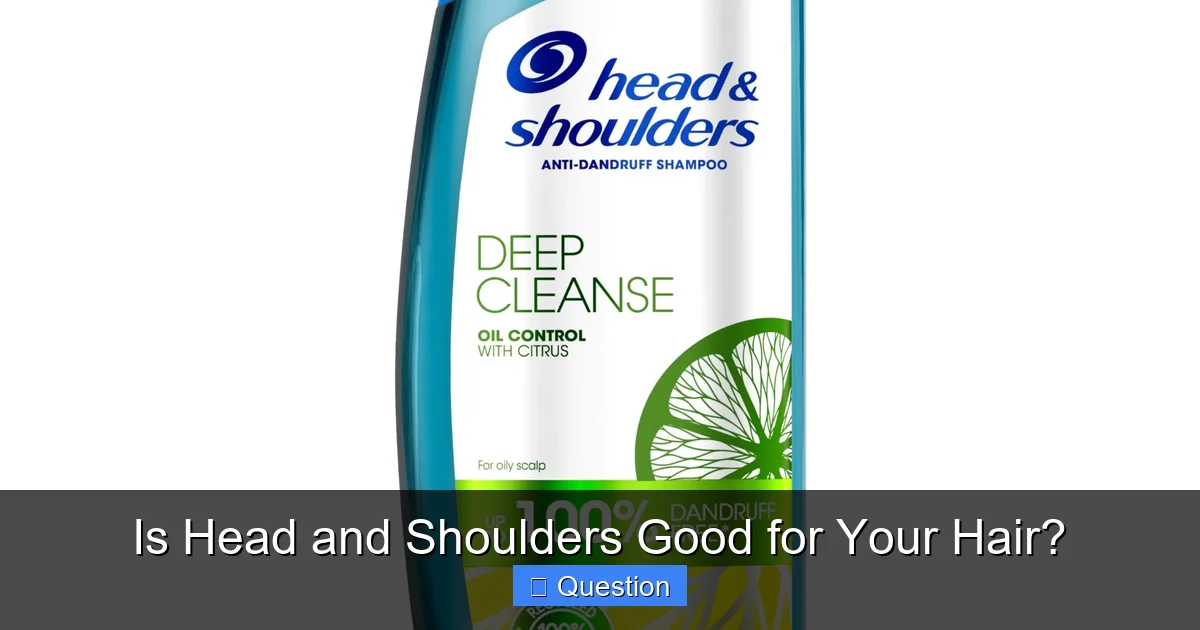
The effectiveness of Head and Shoulders lies in its carefully chosen active ingredients, which are antifungal agents. These are what make it distinct from a typical cosmetic shampoo.
Pyrithione Zinc and Selenium Sulfide: The Stars of the Show
The two most common active ingredients you’ll find in various Head and Shoulders formulations are:
- Pyrithione Zinc (ZPT): This is the flagship active ingredient in most Head and Shoulders products. ZPT works by inhibiting the growth of fungi, particularly Malassezia globosa. It disrupts the fungal cell membrane, preventing it from multiplying and, consequently, reducing the inflammation and excessive skin cell turnover that leads to flakes and itchiness. It’s generally well-tolerated and effective for mild to moderate dandruff.
- Selenium Sulfide: Found in some stronger or specific Head and Shoulders formulas, selenium sulfide is another potent antifungal agent. It also slows down the production of skin cells on the scalp, which helps to reduce flaking. Selenium sulfide is often used for more persistent or severe cases of dandruff and seborrheic dermatitis.
Beyond these active ingredients, Head and Shoulders shampoos also contain a blend of cleansing agents (surfactants), conditioning agents, fragrances, and preservatives. Modern formulations have come a long way from older versions, often including ingredients designed to moisturize the scalp and hair, preventing the dryness that could sometimes be associated with anti-dandruff treatments.
Beyond Dandruff: Potential Benefits for Your Hair and Scalp
While its primary reputation is for fighting flakes, Head and Shoulders can offer several other benefits, especially for those prone to certain scalp conditions.
Relief from Itch and Irritation
Dandruff isn’t just about flakes; the incessant itching can be incredibly frustrating and even embarrassing. By tackling the fungal overgrowth, Head and Shoulders directly addresses the root cause of the itch, providing significant relief. Many users report a noticeable reduction in scalp irritation after just a few uses. This makes Head and Shoulders a good choice for comfort.
Improved Scalp Health
A healthy scalp is the foundation for healthy hair. When your scalp is inflamed, itchy, and flaky, it can impact the hair follicles, potentially leading to weaker hair or even some temporary hair shedding in severe cases. By restoring the scalp’s microbial balance and reducing inflammation, Head and Shoulders contributes to an overall healthier scalp environment. A clean, balanced scalp can foster better hair growth and vitality. This aspect makes Head and Shoulders beneficial not just for managing symptoms, but for promoting a healthier base for your hair.
Oil Control (for some)
Because Malassezia thrives on sebum, people with oily scalps are often more susceptible to dandruff. Some Head and Shoulders formulations are designed to help regulate scalp oil production. While not primarily an “oil control” shampoo in the same vein as some others, its action against the fungus that feeds on oil can indirectly help reduce excessive oiliness for some individuals, leading to hair that feels cleaner for longer. If you have an oily scalp alongside dandruff, Head and Shoulders can be particularly useful.
Accessibility and Affordability
One of the undeniable benefits of Head and Shoulders is its widespread availability and relatively affordable price point. This makes effective dandruff treatment accessible to a vast number of people, without requiring a prescription or a hefty investment. Its convenience makes it a practical choice for managing a common, often recurring, condition.
Potential Drawbacks and Misconceptions: Is It Always the Best Choice?
Despite its proven efficacy for dandruff, Head and Shoulders isn’t a universal solution, and there are some common concerns and misconceptions to address.
Potential for Dryness
The most frequently cited concern about Head and Shoulders is its potential to dry out hair and scalp, especially for those who don’t have dandruff or use it too frequently. While modern formulas include conditioning agents, the active anti-fungal ingredients are designed to be potent. For someone with an already dry scalp or dry, brittle hair, regular use might strip too much natural oil, leading to further dryness, dullness, or even increased frizz. This is where understanding your own hair and scalp needs is key.
Impact on Color-Treated Hair
Many people worry about using Head and Shoulders on color-treated hair. The concern is that medicated shampoos, being more potent cleansers, might strip hair color faster. While some older formulations were indeed harsher, many modern Head and Shoulders products now offer “color-safe” or “2-in-1” variants that are formulated to be gentler. However, if you have invested heavily in your hair color, it’s always wise to exercise caution. Using it only when necessary, or alternating with a color-safe shampoo, might be a good strategy.
Over-Reliance and Misdiagnosis
Sometimes, people mistake a dry, flaky scalp (from lack of moisture) for dandruff (caused by fungus). In such cases, using Head and Shoulders won’t solve the problem and might exacerbate the dryness. It’s important to understand the difference. If your scalp is flaky but not particularly itchy or inflamed, and your skin elsewhere is dry, you might just need a hydrating shampoo and conditioner, not an anti-dandruff treatment. Always listen to what your scalp is telling you.
Not a “Growth” or “Repair” Shampoo
It’s important to clarify that Head and Shoulders is not formulated to promote hair growth, repair damaged hair, or add volume in the way specialized cosmetic shampoos might. Its primary function is therapeutic for the scalp. While a healthy scalp indirectly supports healthy hair, Head and Shoulders shouldn’t be your go-to if your main concerns are purely cosmetic hair issues like breakage, thinning, or lack of shine.
Who Should Use Head & Shoulders (And Who Should Be Cautious)
Knowing if Head and Shoulders is good for your hair largely depends on whether you actually need it.
Ideal Users
- Individuals with Dandruff: This is the primary target group. If you experience persistent flaking, itching, and irritation associated with dandruff or mild seborrheic dermatitis, Head and Shoulders is an excellent and effective solution.
- Those with Oily Scalps Prone to Flakes: If your scalp tends to be oily and you also get dandruff, Head and Shoulders can help manage both issues by controlling the fungal overgrowth that thrives on sebum.
- People Seeking Scalp Comfort: Even if you don’t have severe dandruff, occasional itchiness or mild irritation can be soothed by a targeted anti-dandruff product.
When to Be Cautious or Consider Alternatives
- Naturally Dry Scalp and Hair: If your hair and scalp are naturally very dry and you don’t have dandruff, Head and Shoulders might strip away essential moisture. Opt for hydrating shampoos instead.
- Color-Treated or Chemically Processed Hair (without dandruff): While specific color-safe versions exist, if you don’t have dandruff, a shampoo specifically designed for color protection might be a better choice to preserve your dye.
- No Scalp Issues: If you have a healthy, balanced scalp without flakes, itch, or oiliness, there’s no need to use a medicated shampoo. A regular shampoo suited for your hair type will be more appropriate.
- Severe Scalp Conditions: For very severe or persistent seborrheic dermatitis, psoriasis, or other chronic scalp conditions, Head and Shoulders might not be strong enough. In such cases, it’s best to consult a dermatologist for a prescription-strength treatment.
Tips for Using Head & Shoulders Effectively and Maintaining Hair Health
If you decide that Head and Shoulders is good for your hair, or at least for your scalp issues, here’s how to use it most effectively while maintaining overall hair health.
Follow Directions for Optimal Results
For anti-dandruff shampoos like Head and Shoulders, proper application is key. Don’t just wash and rinse immediately.
- Massage Thoroughly: Apply the shampoo to your wet scalp and hair, massaging it gently but thoroughly into your scalp with your fingertips (not nails) for at least a minute.
- Let It Sit: Allow the shampoo to sit on your scalp for 2-5 minutes. This gives the active ingredients time to work their magic against the fungus.
- Rinse Well: Rinse your hair and scalp thoroughly to ensure no residue is left behind, which can sometimes cause irritation or dullness.
Consider Your Usage Frequency
For active dandruff, you might use Head and Shoulders daily or every other day initially. Once dandruff is under control, you can often reduce the frequency to 2-3 times a week, alternating with a regular, non-medicated shampoo that suits your hair type. Some people use it once a week as a preventative measure.
Pair with a Moisturizing Conditioner
To counteract any potential dryness, always follow up with a good quality, hydrating conditioner, especially on the mid-lengths and ends of your hair. You can even use a separate scalp conditioner if your scalp tends to be dry but still needs dandruff treatment. Look for conditioners labeled as “moisturizing,” “hydrating,” or “for dry/damaged hair.” Many brands, including Head and Shoulders, offer complementary conditioners specifically designed to work with their anti-dandruff shampoos.
Try Different Formulas
Head and Shoulders offers a vast range of products: 2-in-1s, shampoos specifically for dry scalp, oily scalp, color-treated hair, sensitive scalp, and even extra-strength formulas. If one variant doesn’t feel right, experiment with another to find the best Head and Shoulders for your specific needs.
Be Patient and Consistent
Dandruff doesn’t disappear overnight. Give the product a few weeks of consistent use to see significant improvement. If after several weeks you don’t notice a difference, or if your condition worsens, it’s time to consult a dermatologist.
Avoid Over-Washing or Harsh Styling
While treating your scalp, be mindful of your overall hair care routine. Excessive heat styling, tight hairstyles, or harsh chemical treatments can stress your hair and scalp, potentially exacerbating issues or causing new problems.
Conclusion
So, is Head and Shoulders good for your hair? The definitive answer is: yes, *if* you have dandruff or a related scalp condition that benefits from its active ingredients. For those dealing with persistent flakes, itchiness, and irritation caused by Malassezia globosa, Head and Shoulders is an incredibly effective, accessible, and often recommended solution. It’s designed to treat the scalp, which in turn creates a healthier environment for your hair to grow.
However, if you don’t have dandruff, or if your primary concerns are unrelated to scalp fungus (like extreme dryness, damage, or color fading), then a regular shampoo and conditioner tailored to those specific needs would likely be a better choice. Modern Head and Shoulders formulas have improved significantly, offering more conditioning and specialized options, making them less stripping than they once were.
Ultimately, understanding your own hair and scalp needs is paramount. If you’re experiencing dandruff, don’t shy away from Head and Shoulders. Use it correctly, complement it with good conditioning, and enjoy the relief of a healthy, flake-free scalp. If in doubt, or if your symptoms are severe, a chat with a dermatologist can provide personalized guidance.
Frequently Asked Questions
Does Head and Shoulders cause hair loss?
No, Head and Shoulders does not cause hair loss. In fact, by effectively treating dandruff and improving scalp health, it can help reduce scalp inflammation that might otherwise contribute to temporary hair shedding, supporting a healthier environment for hair growth.
Can I use Head and Shoulders every day?
For active dandruff, daily use can be beneficial. However, once dandruff is controlled, many people find success by using it a few times a week, alternating with a regular shampoo, to prevent potential dryness for those with naturally drier hair types.
Is Head and Shoulders bad for color-treated hair?
While some older anti-dandruff formulas could be harsh, modern Head and Shoulders offers specific “color-safe” variants. If you have color-treated hair and dandruff, choose these specialized formulas or consider alternating with a gentle, color-protecting shampoo to minimize fading.
Can Head and Shoulders make my hair dry?
For individuals without dandruff or those with naturally dry hair, Head and Shoulders might potentially cause some dryness if used too frequently, due to its active ingredients. Always follow with a hydrating conditioner, especially on the ends, to mitigate this effect.
What is the main ingredient in Head and Shoulders that fights dandruff?
The primary active ingredient in most Head and Shoulders formulations is Pyrithione Zinc (ZPT). This antifungal agent works by inhibiting the growth of Malassezia globosa, the yeast-like fungus commonly responsible for dandruff.
When should I stop using Head and Shoulders?
You can reduce the frequency of use once your dandruff symptoms are under control, perhaps switching to 2-3 times a week or as needed. If you don’t experience dandruff and are using it preventatively, you might consider if a regular shampoo better suits your hair’s overall health.
As an Amazon Associate, We earn from qualifying purchases.