
How Long Does Hair Color Last?
As an Amazon Associate, We earn from qualifying purchases.
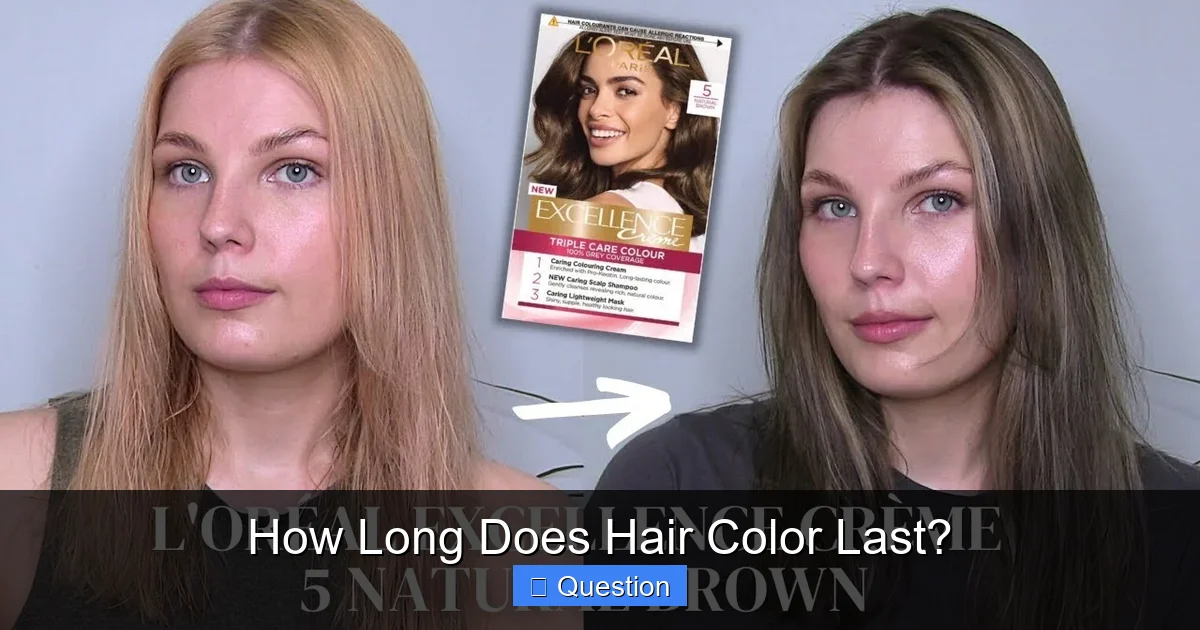
The lifespan of hair color depends heavily on its type, your hair’s condition, and your aftercare routine. Temporary colors wash out quickly, while permanent dyes last until your hair grows out or fades. Factors like sun exposure, frequent washing, and heat styling can significantly shorten how long your hair color lasts, but with the right care, you can extend its vibrancy.
How Long Does Hair Color Last?
Ever walked out of the salon with a gorgeous new hair color, feeling absolutely fabulous, only to wonder how long that vibrancy will actually stick around? Or maybe you’ve tried an at-home kit and found your stunning shade started to dull faster than you’d hoped. You’re not alone! “How long does hair color last?” is one of the most common questions in the beauty world, and for good reason. It’s an investment, both of your time and your money, and naturally, you want your beautiful new hue to last as long as possible.
The truth is, there isn’t one single answer to that question. The longevity of your hair color is a complex dance influenced by a variety of factors. From the type of dye you use to your daily hair care routine, and even your hair’s natural texture, everything plays a part. Understanding these elements can empower you to make informed decisions, extend the life of your color, and keep your locks looking salon-fresh for longer.
So, let’s dive deep into the fascinating world of hair coloring and uncover all the secrets to maintaining that dazzling shade. We’ll explore the different types of hair color, what makes them last (or not last!), and share plenty of practical tips to help you keep your strands vibrant and beautiful.
Key Takeaways
- Hair Color Type is Key: The most significant factor in how long hair color lasts is whether it’s temporary, semi-permanent, demi-permanent, or permanent. Each type offers different levels of longevity and commitment.
- Hair Health Matters: Porous, damaged hair tends to lose color faster than healthy hair because it can’t hold pigment as effectively. Prioritizing hair health before and after coloring is crucial.
- Aftercare is Non-Negotiable: Using color-safe products, washing less frequently with cool water, and protecting hair from heat and UV rays are essential steps to extend the life of your hair color.
- Shade Selection Impacts Fade: Certain colors, like vibrant reds and pastels, inherently fade faster due to their pigment structure, requiring more frequent touch-ups or specialized care.
- Water Quality and Lifestyle: Hard water and exposure to chlorine can strip color, as can frequent swimming or prolonged sun exposure. Adjusting habits can protect your hue.
- Root Regrowth is Inevitable: Even permanent hair color doesn’t truly “fade” on the parts that have grown out. Root regrowth becomes the primary indicator that it’s time for a refresh.
- Professional vs. At-Home: While at-home kits are convenient, professional coloring often lasts longer and provides better results due to specialized techniques and higher-quality products.
📑 Table of Contents
The Different Types of Hair Color and Their Lifespans
The most crucial factor determining how long hair color lasts is the type of product you choose. Hair dyes are formulated very differently, each designed for a specific level of commitment and longevity.
Temporary Hair Color
This is the least permanent option, perfect for a fun, no-commitment change. Think colored sprays, hair chalks, or rinse-out tints.
- How it works: Temporary hair color coats the outside of the hair shaft without penetrating it.
- How long it lasts: Usually just one wash. It’s designed to be easily rinsed out with shampoo.
- Best for: Costume parties, festivals, or just a playful day, especially on lighter hair.
Semi-Permanent Hair Color
A step up from temporary, semi-permanent color offers a bit more staying power without a major commitment.
- How it works: These dyes also coat the hair shaft, but with smaller pigment molecules that can seep slightly under the outermost layer (cuticle) without chemically altering the hair’s structure.
- How long it lasts: Typically 4-12 washes, depending on your hair’s porosity and how often you wash it. It fades gradually.
- Best for: Experimenting with fashion colors (like blues, pinks, purples), refreshing faded permanent color, or adding shine without ammonia or peroxide. It won’t lighten your hair.
Demi-Permanent Hair Color
This type offers a sweet spot between semi-permanent and permanent, providing rich color and shine.
- How it works: Demi-permanent color uses a low volume of peroxide to open the hair cuticle slightly, allowing the color molecules to penetrate deeper into the hair shaft than semi-permanent dyes. However, it doesn’t contain ammonia, so it doesn’t lift your natural hair color.
- How long it lasts: Generally 12-24 washes, or 4-6 weeks. It also fades over time, leaving less noticeable roots than permanent color.
- Best for: Blending gray hair (but not fully covering it), enhancing your natural color, adding depth and shine, or refreshing existing permanent color without causing further damage.
Permanent Hair Color
When you’re ready for a significant change or full gray coverage, permanent hair color is the go-to.
- How it works: This dye uses ammonia (or an ammonia substitute) and peroxide to open the hair cuticle and penetrate deep into the hair’s cortex. It chemically alters your hair’s natural pigment, either lightening it or depositing new color that becomes part of your hair structure.
- How long it lasts: Until your hair grows out or until the color fades significantly due to external factors. The color itself doesn’t “wash out” like other types; it’s a permanent change. Your primary indicator for needing a refresh will be root regrowth.
- Best for: Full gray coverage, significant color changes (e.g., going from dark brown to light blonde), or long-lasting vibrant color.
Factors That Affect How Long Hair Color Lasts
Visual guide about How Long Does Hair Color Last?
Image source: i.makeup.ie
Beyond the type of dye, several other elements significantly influence how long your hair color will truly last. Understanding these can help you better manage your expectations and care routine.
Hair Type and Condition
Your hair’s natural state plays a huge role.
- Porosity: Healthy hair with a smooth, closed cuticle (low porosity) holds color better because the pigments are sealed in. Damaged, porous hair (high porosity) has an open, uneven cuticle, making it harder for color to penetrate evenly and easier for it to wash out or fade quickly. Think of it like a sponge that can’t hold water well.
- Texture: Coarse hair can sometimes be more resistant to color penetration, while fine hair might absorb color more quickly but also show fading more readily.
Color Shade Choice
Some colors are simply more high-maintenance than others.
- Reds and Coppers: These vibrant shades have larger color molecules that don’t penetrate as deeply and are quicker to escape the hair shaft. That’s why red hair color tends to fade the fastest.
- Pastels and Fashion Colors: Light, delicate shades like pastel pinks, blues, and purples are made with smaller amounts of pigment, making them highly susceptible to fading, especially with every wash.
- Blondes: While blonde itself is often a lightening process, toning blonde hair can fade, leading to brassiness.
- Darker Shades: Blacks and browns generally last longer, but even they can oxidize and become dull or acquire unwanted reddish undertones over time.
Application Technique and Skill
A professional colorist’s expertise often results in longer-lasting color.
- Even Saturation: A pro ensures even application, leading to consistent color absorption and less patchiness.
- Formula Customization: They can tailor the dye formula to your specific hair type and condition, optimizing its longevity.
- Proper Processing: Correct processing time is vital. Too short, and the color won’t take; too long, and it can cause damage and quicker fading.
Aftercare Routine (or Lack Thereof)
This is where you have the most control over how long your hair color lasts.
- Shampoo and Conditioner: Using non-color-safe products with harsh sulfates can strip your hair of its color with every wash.
- Washing Frequency: The more you wash your hair, the quicker your color will fade.
- Water Temperature: Hot water opens the hair cuticle, allowing color molecules to escape. Cool water helps seal the cuticle.
- Heat Styling: Excessive use of heat tools (flat irons, curling irons, blow dryers) without heat protectant can “cook” the color out of your hair, leading to dullness and fading.
- Sun Exposure: UV rays are like bleach for your hair color. Prolonged exposure can lighten and alter your shade.
Environmental Factors
What’s in your water, and where you spend your time matters.
- Hard Water: High mineral content in hard water can build up on hair, causing color to look dull and sometimes even altering its tone.
- Chlorine: Found in swimming pools, chlorine is a potent bleaching agent that can drastically change or strip hair color, especially lighter shades.
- Saltwater: While not as harsh as chlorine, saltwater can also contribute to drying and fading.
Hair Growth Rate
This isn’t about fading, but about the visibility of your natural hair.
- Roots: As your hair grows, your natural color will become visible at the roots, regardless of how well the dyed portion has retained its color. This is typically the main reason people re-color permanent dyes.
Tips to Make Your Hair Color Last Longer
Now that you know what impacts longevity, let’s talk about what you can do to protect your investment and keep your hair color looking its best.
1. Choose Color-Safe Products
This is non-negotiable. Invest in shampoos, conditioners, and styling products specifically designed for color-treated hair. Look for sulfate-free formulas, as sulfates are known to strip color.
Practical Tip: Read labels carefully. Many brands now highlight “color-safe” or “sulfate-free” prominently.
2. Wash Your Hair Less Frequently and With Cooler Water
Every wash causes some degree of color loss. Try to extend the time between washes.
Practical Tip: Use dry shampoo to refresh your roots and absorb oil between washes. When you do wash, use lukewarm or cool water, especially when rinsing conditioner.
3. Protect From Heat Styling
Heat can cause color to fade and hair to become dry and damaged.
Practical Tip: Always apply a heat protectant spray or serum before using blow dryers, flat irons, or curling irons. Whenever possible, opt for air-drying. Turn down the heat settings on your tools.
4. Shield From the Sun and Environmental Damage
UV rays are just as harmful to your hair color as they are to your skin.
Practical Tip: Wear a hat when spending extended time outdoors. You can also use leave-in conditioners or sprays that contain UV filters. Rinse your hair with clean water before and after swimming in chlorinated or saltwater to minimize absorption of damaging chemicals.
5. Deep Condition Regularly
Well-hydrated hair holds color better.
Practical Tip: Incorporate a deep conditioning treatment or hair mask into your routine once a week or every two weeks. This helps to seal the cuticle and keep your hair healthy and vibrant.
6. Consider Touch-Ups Over Full Re-Colors
For permanent dyes, roots are often the first sign of needing a refresh.
Practical Tip: Instead of coloring your entire head every few weeks, ask your stylist for a root touch-up. This minimizes chemical exposure to the rest of your hair, keeping it healthier and preventing over-processing.
7. Avoid Harsh Chemicals and Over-Processing
Too many chemical treatments can damage your hair’s integrity and make it harder to hold color.
Practical Tip: If you regularly color your hair, try to space out other chemical treatments like perms or relaxers. Discuss your hair’s history and condition openly with your stylist.
When to Re-Color Your Hair
Knowing when it’s time for a refresh depends on your hair color type, personal preference, and growth rate.
For Temporary and Semi-Permanent Colors
Re-color whenever you desire to re-achieve the initial vibrancy, typically after a few washes. These are low commitment and designed for frequent changes.
For Demi-Permanent Colors
Expect to re-color every 4-6 weeks as the color gradually fades. You’ll notice the shine diminishing and the shade becoming less intense. This is great for maintaining a fresh look without a harsh root line.
For Permanent Colors
This is where root regrowth becomes the primary factor.
- Root Touch-Ups: Most people need a root touch-up every 3-8 weeks. Darker colors on light hair, or full gray coverage, will show roots more quickly, often requiring touch-ups every 3-4 weeks. If your natural hair color is close to your dyed color, you might be able to stretch it to 6-8 weeks.
- Full Color Refresh: Even permanent color can dull or oxidize over time. A full color refresh (often called a “glaze” or “toner” by professionals) might be needed every 8-12 weeks to boost shine and richness, particularly if you have reds or blondes that tend to fade or become brassy.
Practical Tip: Pay attention to your roots. When you start noticing a clear line of demarcation between your natural hair color and the dyed hair, it’s time for a visit to the salon or an at-home root kit.
Special Considerations for Different Colors
As we touched upon earlier, certain shades have unique needs when it comes to longevity.
Reds and Coppers
These are notorious for fading quickly. To make red hair color last longer, consider using color-depositing shampoos and conditioners specifically formulated for red tones. These add a tiny bit of pigment with each wash, helping to maintain vibrancy. Using lukewarm water and minimizing sun exposure are also extra crucial for these fiery shades.
Blondes and Pastels
Blondes can experience brassiness (unwanted yellow or orange tones) as the toner fades. Pastels, being so delicate, vanish quickly. Purple shampoos and conditioners are a blonde’s best friend, counteracting brassy tones and keeping cool blondes fresh. For pastels, color-depositing masks can help extend their life between salon visits. These shades require the most diligent protection from sun and heat.
Darker Shades (Blacks and Browns)
While generally long-lasting, dark colors can become dull or take on an unwanted reddish cast over time due to oxidation. Blue or green-toned color-depositing products can help neutralize unwanted warmth and maintain a rich, cool-toned dark color. Gloss treatments are also excellent for restoring shine and depth.
Conclusion
So, how long does hair color last? It truly depends on a mix of chemistry, care, and commitment. From the instant wash-out of temporary dyes to the enduring depth of permanent shades, each type has its own lifespan. But no matter which beautiful hue you choose, your role in its longevity is immense.
By understanding the science behind your hair color, opting for the right products, embracing smart hair care habits, and protecting your strands from environmental aggressors, you can significantly extend the life and vibrancy of your chosen shade. Don’t let your gorgeous color fade into the background too soon! Treat your colored hair with the love and attention it deserves, and you’ll enjoy stunning, vibrant locks that truly last.
Frequently Asked Questions
How often should I wash my hair if it’s colored?
Aim to wash your colored hair every 2-3 days, or even less frequently if possible. Frequent washing can strip color, so stretching out washes and using dry shampoo can help maintain vibrancy.
Can heat styling really make my hair color fade faster?
Yes, excessive heat from styling tools like flat irons, curling irons, and blow dryers can absolutely cause hair color to fade more quickly. Always use a heat protectant and try to use lower heat settings or air-dry when you can.
Do certain hair colors last longer than others?
Generally, darker, more natural shades like browns and blacks tend to last longer than vibrant reds, coppers, and pastels. These brighter and lighter fashion colors have larger pigment molecules or less pigment overall, making them more prone to fading.
Is hard water bad for colored hair?
Yes, hard water contains minerals that can build up on your hair, making it appear dull and sometimes altering your color’s tone. Using a shower filter or clarifying shampoos specifically formulated for hard water can help.
What’s the difference between semi-permanent and demi-permanent color longevity?
Semi-permanent color typically lasts 4-12 washes, just coating the hair surface without opening the cuticle. Demi-permanent lasts longer, around 12-24 washes (4-6 weeks), because it uses a low-volume peroxide to penetrate slightly deeper, without chemically altering the hair.
How can I make red hair color last longer?
Red hair color fades notoriously fast. To extend its life, use color-depositing shampoos and conditioners for red hair, wash with cool water less frequently, protect from sun exposure with hats or UV sprays, and consider a demi-permanent gloss between full color applications.
As an Amazon Associate, We earn from qualifying purchases.