
Can You Dye Synthetic Hair?
As an Amazon Associate, We earn from qualifying purchases.
Dyeing synthetic hair is significantly more challenging than dyeing human hair due to its plastic-based fibers. Traditional hair dyes won’t work, and success is limited to specific fabric dyes or temporary methods, often with unpredictable results. Expect color changes only from lighter to darker, and be prepared for potential damage or unevenness, making alternatives often a better choice.
Ah, the age-old question that many a wig-wearer or extension-lover has pondered: “Can you dye synthetic hair?” You’ve got that perfect wig, but maybe the color just isn’t quite right, or you’re craving a bold new look without investing in a whole new piece. It’s a common dilemma, and one that often leads to hopeful experiments that, sadly, don’t always pan out as planned.
The allure of a simple dye job is strong, especially when you compare it to the ease with which human hair can be transformed with a bottle of color. But synthetic hair is a different beast altogether. It doesn’t behave like natural hair, and understanding why is the first step in managing your expectations and avoiding disappointment (or worse, ruining your favorite wig!). So, let’s dive deep into the world of synthetic hair and uncover the truth about dyeing it.
Key Takeaways
- Synthetic Hair Chemistry: Synthetic hair is made from plastic fibers (like Kanekalon or Toyokalon) that lack the cuticles found in human hair, meaning it cannot absorb traditional hair dye pigments.
- Traditional Dyes Don’t Work: Regular human hair dyes, whether permanent, semi-permanent, or temporary, are ineffective on synthetic fibers and will not alter their color.
- Limited Dye Options: The most viable dyeing methods involve fabric dyes designed for synthetic materials (like iDye Poly or certain RIT dyes) or alcohol-based pigments (like Sharpie ink), which essentially stain or coat the fibers.
- Color Change Restrictions: You can typically only dye synthetic hair to a darker shade. Going lighter or achieving vibrant, precise colors is usually not possible.
- Risk of Damage and Unevenness: Dyeing synthetic hair often involves heat (for fabric dyes) which can melt or damage the fibers, leading to a loss of texture or uneven, patchy color.
- The Importance of Strand Testing: Always perform a strand test on an inconspicuous area before committing to dyeing an entire wig or extension to assess color outcome and potential damage.
- Better Alternatives Exist: For reliable color changes, buying pre-colored synthetic hair, using temporary wig sprays, or simply embracing the original color are often more successful and less damaging options.
📑 Table of Contents
The Fundamental Challenge: Why Synthetic Hair Resists Dye
The primary reason you can’t just slap a box of traditional hair dye on a synthetic wig is rooted in its very nature. Synthetic hair isn’t hair at all; it’s typically made from plastic fibers. Think of materials like Kanekalon, Toyokalon, or Modacrylic. These materials are fundamentally different from human hair, which is made of keratin protein.
The Material Difference: Plastic, Not Protein
Human hair has an outer layer called the cuticle, which can be opened with chemicals to allow dye pigments to penetrate the hair shaft and change its color. Synthetic fibers, on the other hand, are essentially strands of plastic. They have a smooth, non-porous surface. There’s no cuticle to open, and nothing for traditional hair dye to absorb into. Imagine trying to dye a plastic water bottle with hair dye – it just won’t work!
The Role of Heat and Melting Points
Many traditional hair dyeing processes involve chemicals that can generate heat, or you might use heat tools afterward. Synthetic hair has a much lower melting point than human hair. While some newer synthetic hair is “heat-resistant,” even that has its limits. Exposing synthetic hair to too much heat, whether from the dye itself or a styling tool, can cause it to melt, frizz, or become permanently damaged, turning it into a tangled, crispy mess.
The Color Lock: Factory-Dyed Fibers
Synthetic fibers are colored during their manufacturing process. The pigment is literally baked into the plastic before it’s spun into individual strands. This means the color is locked in from the inside out, making it incredibly difficult to alter. You’re not trying to change a hair’s pigment; you’re trying to change the color of a pre-colored plastic strand.
Understanding Synthetic Hair Types and Their Dyeing Potential
Not all synthetic hair is created equal, and understanding the differences can help you determine what might be possible, even if the possibilities are slim.
Visual guide about Can You Dye Synthetic Hair?
Image source: youprobablyneedahaircut.com
Standard Synthetic Fibers (Kanekalon, Toyokalon)
These are the most common types of synthetic hair found in wigs, extensions, and braiding hair. They are generally not heat-friendly and are the most challenging to dye. Their plastic composition is highly resistant to absorption, meaning any color you apply will largely sit on the surface.
Heat-Resistant Synthetic Fibers (Futura, Modacrylic)
These newer fibers, like Futura, are designed to withstand low to medium heat styling. While this doesn’t make them “dyeable” in the traditional sense, their higher heat tolerance can be advantageous for certain dyeing methods that require warm water, such as fabric dyes. However, they still lack the porous structure needed to absorb traditional hair dyes.
Human Hair Blends: A Tricky Middle Ground
Some wigs or extensions are marketed as “human hair blends,” meaning they contain a mix of human and synthetic fibers. If you attempt to dye these, only the human hair strands will pick up the color, leaving the synthetic strands untouched. This can result in a streaky, uneven, and often undesirable look. It’s generally best to avoid dyeing these blends unless you’re specifically going for a multi-tonal effect and are prepared for the unpredictable outcome.
Dyes That (Might) Work: The Limited Options
Since traditional hair dyes are out, what options are left for altering the color of synthetic hair? The key is to think about dyes that stain or coat, rather than penetrate and change the internal pigment.
Acrylic Inks / Fabric Dyes (RIT Dye, iDye Poly)
This is often considered the most “successful” method, though success is relative. Dyes like iDye Poly are specifically formulated for synthetic fabrics (polyester, nylon, acrylic). Regular RIT dye often works only on natural fibers, but RIT DyeMore is formulated for synthetic materials. These dyes work by essentially staining the outer layer of the synthetic fibers. You’ll typically need hot water, which carries the risk of damaging the hair if it’s not heat-resistant. You can usually only go from a lighter color to a darker one.
Sharpie/Alcohol-Based Markers
For small sections, streaks, or touch-ups, alcohol-based markers like Sharpies can be surprisingly effective. The alcohol acts as a carrier for the pigment, allowing it to adhere to the synthetic fibers. You can carefully color individual strands or sections. This method is meticulous and best for small areas, as coloring an entire wig would be incredibly time-consuming, expensive, and likely result in an uneven, stiff finish. Remember, the color might bleed slightly, especially if the wig gets wet.
Wigs That Are “Dyeable” (The Rare Exception)
Very occasionally, you might come across a synthetic wig advertised as “dyeable.” These are rare and usually have a special coating or fiber treatment that allows them to accept certain types of pigment, often with specific dyes provided by the manufacturer. If you see such a product, always read the instructions carefully and only use the recommended dyeing agents. Do not assume any synthetic hair can be dyed just because it says “dyeable” without specific instructions.
Steer Clear of Traditional Hair Dyes
Let’s reiterate: do NOT use traditional hair dyes, permanent or semi-permanent, formulated for human hair. They will not work. They contain chemicals that can damage the synthetic fibers, leaving them brittle, gummy, or discolored in an unintended way. You’ll waste your money and potentially ruin your synthetic hair piece.
DIY Dyeing Methods for Synthetic Hair (with Caution!)
If you’re still determined to try, here are a few methods that people have had varying degrees of success with. Remember, proceed with extreme caution and always, always test first.
The Fabric Dye Bath Method (e.g., iDye Poly)
This method involves submerging your synthetic hair in a hot dye bath. It’s best suited for lighter-colored synthetic hair that you want to make darker.
- What you’ll need: iDye Poly (or RIT DyeMore), a large pot (that you don’t use for food), stove, rubber gloves, tongs, old towels, mild shampoo, conditioner.
- Preparation: Wash the synthetic hair gently with mild shampoo and rinse thoroughly to remove any product buildup.
- Mixing the Dye: Follow the dye package instructions precisely. You’ll typically dissolve the dye packet in a pot of hot water (just below boiling for iDye Poly). The hotter the water, the better the fibers will absorb the stain, but also the higher the risk of damage.
- Dyeing: Carefully submerge the synthetic hair into the dye bath using tongs. Gently agitate the hair to ensure even saturation. The longer it stays in, the darker the color will be. Watch it closely!
- Rinsing: Once you achieve your desired color (which usually looks darker when wet), remove the hair and rinse it thoroughly under cool running water until the water runs clear.
- Aftercare: Gently wash with a mild shampoo and condition to help restore some softness. Allow it to air dry completely.
Warning: High heat can cause synthetic hair to frizz, become stiff, or even melt. Test a small, hidden strand first!
The Alcohol Marker Method (e.g., Sharpies)
This is a hands-on, meticulous method best for highlights, lowlights, or small sections.
- What you’ll need: Alcohol-based markers (like Sharpies) in your desired color, rubbing alcohol (optional, for blending), gloves, old towels, comb.
- Preparation: Lay the synthetic hair flat on a protected surface.
- Application: Carefully color the desired strands or sections with the markers. For a more blended look, you can dip the colored section into a small amount of rubbing alcohol or dab it on with a cotton ball immediately after coloring to help the pigment spread.
- Setting: Allow the hair to air dry completely.
- Considerations: This method can be streaky and stiff if not done carefully. The color might rub off slightly onto clothing or skin, especially when new.
The Spray Paint/Wig Spray Method
This is a temporary, surface-level coloring method, ideal for events or quick changes.
- What you’ll need: Wig-specific color spray or fabric spray paint (test first!), old sheet or newspaper, comb.
- Preparation: Lay the synthetic hair on a protected surface. Comb it thoroughly to remove tangles.
- Application: Hold the can several inches away from the hair and apply in light, even coats. Avoid over-saturating.
- Drying: Allow each coat to dry completely before applying another, or before styling.
- Considerations: This method can leave the hair feeling stiff and may transfer color. It’s a purely superficial coating and will wash out or rub off over time.
Managing Expectations and Troubleshooting
When attempting to dye synthetic hair, it’s crucial to go into it with realistic expectations. This isn’t like dyeing human hair, where you can achieve precise, vibrant, and even results with relative ease.
Color Change Limitations: Darker, Not Lighter
You can almost always only go darker than the original color. Trying to lighten synthetic hair is virtually impossible. The pigments used in the manufacturing process are permanent. If you have a dark brown wig, you cannot turn it blonde or even light brown. You might be able to go black, or a very dark shade of a different color, but never lighter.
Uneven Results: Patchiness and Streaking
Because synthetic fibers don’t absorb dye evenly, you’re likely to end up with patchy or streaky results. Some areas might take the color more intensely than others, or the color might not penetrate consistently, leading to an unprofessional finish. This is especially true with the fabric dye bath method if the hair isn’t constantly agitated.
Texture Changes and Damage
As mentioned, heat is the enemy of synthetic hair. Even if you’re careful, the hot water needed for fabric dyes can alter the texture of the fibers, making them frizzier, stiffer, or less soft than before. In extreme cases, the hair can melt or become permanently damaged, rendering it unusable.
The Importance of Strand Testing
Seriously, do NOT skip this step! Find a small, inconspicuous section of the synthetic hair (perhaps from the nape of the wig or a few strands from the underside of an extension weft). Test your chosen dye method on this small section first. This will give you an idea of:
- The actual color outcome.
- How the hair reacts to the dye and heat.
- Whether the texture changes.
It’s the best way to prevent ruining your entire hairpiece.
Alternatives to Dyeing Synthetic Hair
Given the challenges and potential for disappointment, many people find that exploring alternatives to dyeing synthetic hair is a much more satisfying and reliable approach.
Buying Pre-Colored Wigs or Extensions
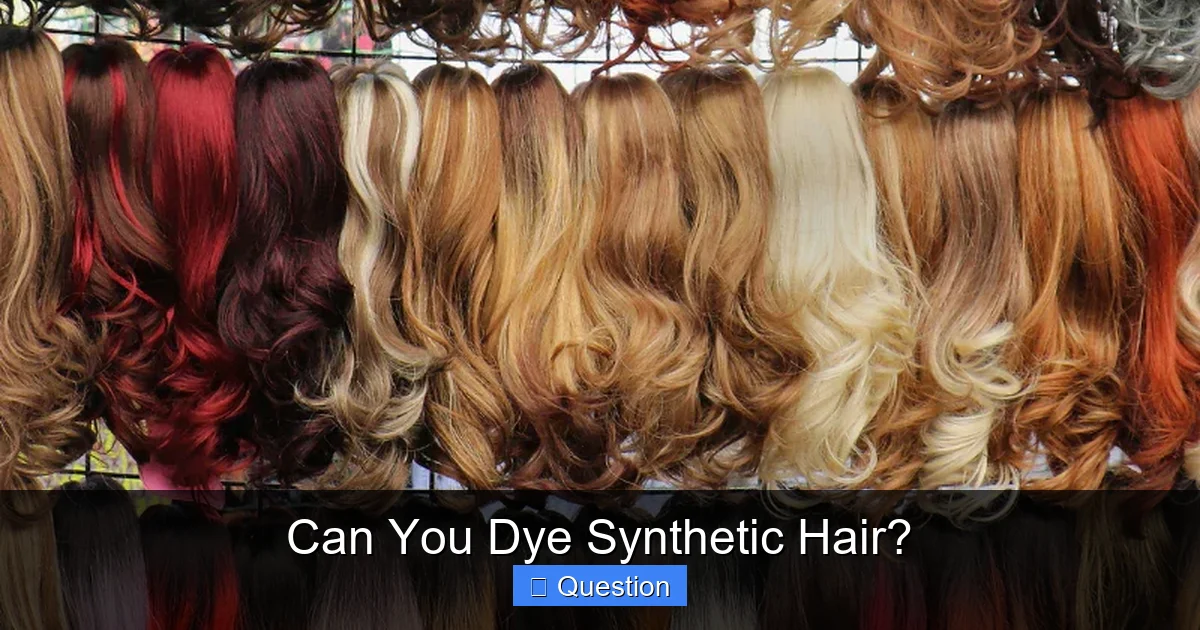
This is by far the most straightforward and effective solution. Synthetic hair is produced in a vast array of colors, from natural shades to wild, vibrant hues. If you need a specific color, chances are you can find a wig or set of extensions already made in that exact shade. This ensures even color, consistent quality, and no risk of damage from dyeing.
Mixing and Matching Wigs/Extensions
If you’re looking for a multi-tonal effect or streaks, consider buying synthetic hair in different pre-colored shades and blending them. For example, you could buy a blonde wig and add in some clip-in black extensions for a bold contrast, or combine different shades of red for a rich, dimensional look. This gives you full control over the final appearance without any chemical processing.
Wig Spray or Hair Chalk (Temporary Solutions)
For temporary color changes that wash out, wig-specific color sprays or hair chalks are excellent options. These products simply coat the outside of the synthetic fibers. They’re great for costumes, themed parties, or just experimenting with a new color for a day. While they might make the hair feel a little stiffer, they don’t cause permanent damage and offer a commitment-free way to change your look.
So, can you dye synthetic hair? The short answer is: sometimes, with specific methods, very limited success, and significant risk. It’s a tricky business with many potential pitfalls. While it’s not impossible to achieve a darker shade with fabric dyes, the process is far from guaranteed and often results in compromised texture. For most people seeking a reliable and beautiful color change, exploring the vast world of pre-colored synthetic hair is the wisest and most rewarding path. Save your wigs, save your time, and enjoy your perfect new color without the fuss!
Frequently Asked Questions
Can I use regular box hair dye on synthetic hair?
No, traditional box hair dyes are designed for human hair, which has cuticles that absorb pigment. Synthetic hair is made of plastic fibers that cannot absorb these dyes, so using them will not change the color and may even damage the hair.
What types of dyes have the best chance of working on synthetic hair?
Dyes specifically formulated for synthetic fabrics, such as iDye Poly or RIT DyeMore, have the best chance of staining synthetic fibers. Alcohol-based inks like those in Sharpie markers can also work for smaller sections or streaks, as they coat the fiber surface.
Will dyeing synthetic hair make it feel different?
Yes, often dyeing synthetic hair, especially with hot fabric dyes, can alter its texture. It might become stiffer, frizzier, or lose some of its original softness due due to the heat exposure and the dye coating the fibers.
Can I dye a dark synthetic wig to a lighter color?
No, it is virtually impossible to dye a dark synthetic wig to a lighter color. Synthetic fibers are colored during manufacturing, and you can only add a darker stain on top of the existing color, never remove it or lighten it.
Is a strand test really necessary before dyeing an entire synthetic wig?
Absolutely! A strand test is crucial to see how the synthetic hair reacts to the dye, what the actual color outcome will be, and if there’s any damage or texture change, helping you avoid ruining the entire wig.
What are the safest ways to change the color of my synthetic wig?
The safest and most reliable ways to change the color of synthetic hair are to purchase a new wig or extensions in the desired color, or to use temporary wig sprays or hair chalks that wash out and cause no permanent damage.
As an Amazon Associate, We earn from qualifying purchases.