
Does Armpit Hair Cause Odor?
As an Amazon Associate, We earn from qualifying purchases.
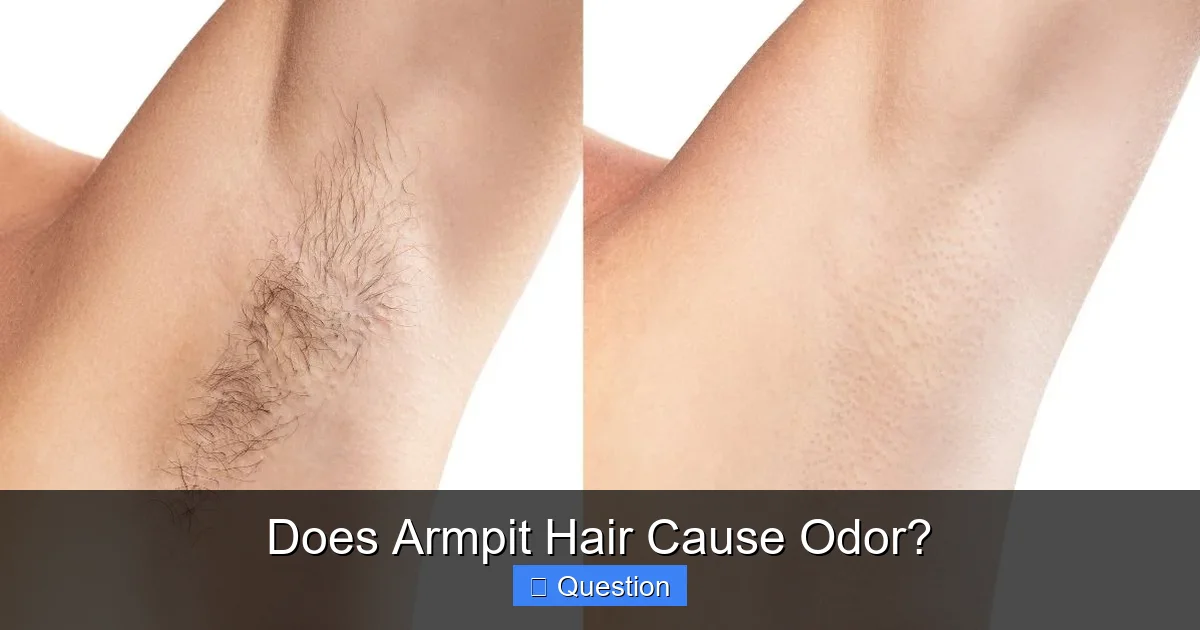
The common question, “Does armpit hair cause odor?” often leads to confusion. Armpit hair itself does not produce odor. Instead, it creates an ideal environment where odor-causing bacteria thrive. The hair traps sweat and provides a larger surface area for these bacteria to grow and break down sweat, leading to the distinct smell. Managing armpit hair can be a helpful part of an effective odor control strategy, but it’s not the only solution.
Does Armpit Hair Cause Odor? Unraveling the Truth About Underarm Smell
Have you ever found yourself asking, “Does armpit hair cause odor?” It’s a question many people ponder, often leading to quick decisions about hair removal. There’s a common belief that armpit hair is directly responsible for that distinct underarm smell. You might feel that keeping your armpits smooth and hair-free is the only way to stay fresh.
But is this belief really true? Or is there more to the story of body odor than meets the eye (and nose)? Understanding the actual science behind how body odor develops can help you make more informed choices. Let’s dive deep into the fascinating world of our underarms and find out how hair, sweat, and bacteria interact to create that unique scent.
This article will explore the core question: does armpit hair cause odor? We will look at what truly causes underarm smell, the specific role armpit hair plays, and practical ways to keep feeling fresh. You will learn that the relationship between hair and odor is not as simple as it seems.
Key Takeaways
- Hair Itself Doesn’t Smell: Armpit hair is just keratin, a protein. It does not naturally have an odor.
- Hair Traps Sweat: The hair strands can hold onto sweat, preventing it from evaporating quickly. This creates a moist environment.
- Increased Surface Area for Bacteria: Armpit hair provides a larger surface area where bacteria can colonize and multiply. More bacteria mean more potential for odor.
- Bacteria Cause the Odor: Body odor happens when bacteria on your skin break down sweat and other secretions from your apocrine glands.
- Hair Removal Can Reduce Odor: Removing armpit hair can help reduce odor by making it harder for bacteria to grow and easier to clean the area.
- Hygiene is Crucial: Regardless of hair, regular washing with soap, using antiperspirants or deodorants, and wearing breathable clothes are essential for odor control.
- Other Factors Play a Role: Diet, stress, hormones, and medical conditions can also significantly influence body odor, even with clean underarms.
📑 Table of Contents
The Science Behind Body Odor: It’s Not Just Sweat
Before we can answer, “Does armpit hair cause odor?” we need to understand what body odor actually is. Many people think sweat itself smells bad. But pure sweat is almost odorless. The real culprits behind the smell are tiny organisms living on your skin: bacteria.
Two Types of Sweat Glands
Your body has two main types of sweat glands:
- Eccrine Glands: These glands are all over your body. They produce a clear, watery sweat that helps cool you down when you’re hot. This sweat has very little smell.
- Apocrine Glands: These glands are found in specific areas, mainly your armpits, groin, and around your nipples. They become active during puberty. The sweat they produce is different. It’s thicker and contains fats and proteins.
It’s the sweat from the apocrine glands that plays a starring role in body odor. When this fatty, protein-rich sweat reaches the surface of your skin, the bacteria living there get to work.
The Role of Bacteria
Your skin is home to a vast community of bacteria. This is totally normal and healthy. However, some types of bacteria love to feast on the fats and proteins in apocrine sweat. As these bacteria break down the sweat, they produce waste products. It’s these waste products – volatile organic compounds – that create the strong, often unpleasant, smell we know as body odor.
So, the simple answer is that bacteria cause body odor, not sweat directly. Sweat just provides the food.
The Role of Armpit Hair in Odor Production
Now that we know bacteria are the main cause, let’s circle back to our central question: Does armpit hair cause odor? Armpit hair doesn’t directly create the smell. Hair strands themselves are made of keratin, a protein, and are odorless. However, armpit hair plays a significant indirect role by creating an environment where odor-causing bacteria can thrive.
Trapping Sweat and Moisture
Think of your armpit hair like a dense forest. When you sweat, whether from eccrine or apocrine glands, the hair acts like a net. It traps sweat and moisture close to your skin. This makes it harder for the sweat to evaporate quickly. A moist, warm environment is exactly what bacteria love to grow in. It’s like a perfect little greenhouse for them.
Visual guide about Does Armpit Hair Cause Odor?
Image source: s3.envato.com
Consider this example: if you spill water on a smooth countertop, it dries quickly. If you spill it on a furry rug, it stays wet for much longer. Your armpit hair acts similarly, holding onto moisture.
Increased Surface Area for Bacteria
Beyond trapping moisture, armpit hair provides a much larger surface area for bacteria to colonize. Imagine trying to grow bacteria on a smooth, flat plate versus a crumpled-up piece of paper. The crumpled paper offers many more nooks and crannies. Each hair strand, with its tiny scales and texture, offers numerous places for bacteria to latch onto and multiply.
More bacteria mean more chances for them to break down sweat and produce odor-causing compounds. So, while the hair itself doesn’t smell, its presence can significantly amplify the potential for odor.
Does Armpit Hair Directly Cause Odor? The Nuance
To be clear: no, armpit hair does not directly cause odor. It doesn’t generate the smelly compounds itself. If you plucked out a single armpit hair and sniffed it, it wouldn’t smell. The odor comes from the bacterial breakdown of sweat.
Hair as an Odor Amplifier
It’s more accurate to think of armpit hair as an odor amplifier or facilitator. It creates conditions that are highly favorable for the odor-producing process:
- Increased Warmth: Hair acts as insulation, keeping the armpit area warmer.
- Reduced Airflow: A dense patch of hair can limit air circulation, further trapping heat and moisture.
- Sweat Trapping: As discussed, hair holds onto sweat, especially the fatty apocrine sweat.
- Bacterial Habitat: The hair provides a vast, warm, moist surface for bacteria to multiply.
All these factors combine to make the armpit a prime location for odor development. Without hair, sweat might evaporate more quickly, and bacteria would have fewer places to hide and grow.
Individual Differences
It’s also important to remember that everyone is different. The composition of sweat, the types of bacteria on your skin, and even your genetics can influence how much and what kind of body odor you produce. Some people might find that having armpit hair makes a big difference to their odor, while others might notice very little change.
Managing Armpit Odor With and Without Hair
Whether you choose to keep your armpit hair or remove it, there are many effective strategies to manage underarm odor. The goal is always to reduce the bacterial population and control sweat.
Effective Hygiene Practices
Good personal hygiene is the foundation of odor control, regardless of whether you have armpit hair or not:
- Regular Washing: Wash your armpits daily with soap and water, especially after sweating or exercise. Use an antibacterial soap if you find regular soap isn’t enough. Make sure to lather well and rinse thoroughly.
- Thorough Drying: After washing, dry your armpits completely. Moisture is a friend to bacteria, so a dry environment helps keep them in check.
- Changing Clothes: Wear clean clothes daily. Fabric can absorb sweat and odor, especially in the armpit area. Opt for natural, breathable fabrics like cotton or linen when possible, as they allow air to circulate better than synthetic materials.
Antiperspirants vs. Deodorants
Understanding the difference between these products is key:
- Antiperspirants: These products work by temporarily blocking your sweat glands, reducing the amount of sweat released. Less sweat means less food for bacteria. They often contain aluminum compounds that form a temporary plug in the sweat ducts.
- Deodorants: These products don’t stop you from sweating. Instead, they work in two main ways: they contain fragrances to mask odor, and they often include antibacterial agents to kill or slow the growth of odor-causing bacteria.
Many products combine both antiperspirant and deodorant properties. If you sweat a lot, an antiperspirant might be more effective. If your primary concern is odor, a strong deodorant might be enough. Apply these products to clean, dry skin for best results.
Hair Removal and Odor
If you choose to remove your armpit hair, you might notice a reduction in odor. Here’s why:
- Less Surface Area: With less hair, there are fewer places for bacteria to cling to and multiply.
- Easier Cleaning: It’s simpler to wash and clean the skin directly without hair getting in the way.
- Better Product Absorption: Antiperspirants and deodorants can make better contact with your skin, potentially making them more effective.
Common hair removal methods include shaving, waxing, sugaring, depilatory creams, and laser hair removal. Each has its own benefits and drawbacks, so choose what works best for your skin and lifestyle.
Beyond Hair: Other Factors Influencing Body Odor
While armpit hair and hygiene play a big role, it’s worth noting that other factors can influence how much you smell. So, even if you ask, “Does armpit hair cause odor?” and take steps to manage it, other elements might still be at play.
Diet and Lifestyle
What you eat can sometimes affect your body odor. Foods with strong flavors or smells, like garlic, onions, curry, and certain spices, can release compounds through your sweat glands. Similarly, caffeine and alcohol can stimulate sweat production.
Stress and anxiety can also trigger your apocrine glands to produce more sweat, leading to increased odor. Finding ways to manage stress, such as exercise, meditation, or spending time in nature, might help.
Clothing Choices
The type of clothing you wear matters. Synthetic fabrics like polyester or nylon tend to trap sweat and moisture, creating a perfect breeding ground for bacteria. Natural fibers like cotton, linen, and wool are more breathable. They allow air to circulate and sweat to evaporate more easily, which can reduce odor.
Medical Conditions and Medications
Sometimes, changes in body odor can signal an underlying medical condition. Conditions like hyperhidrosis (excessive sweating), diabetes, kidney disease, or liver disease can affect body odor. Certain medications might also alter how you sweat or smell.
If you notice a sudden, significant, or unusual change in your body odor that persists despite good hygiene, it’s always a good idea to consult a doctor. They can help rule out any medical causes.
Conclusion: The Real Answer to “Does Armpit Hair Cause Odor?”
So, let’s wrap up our journey to answer the question: Does armpit hair cause odor? The definitive answer is no, not directly. Armpit hair itself is not the source of body odor. It’s the tireless work of bacteria on your skin, breaking down sweat from your apocrine glands, that produces the smell.
However, armpit hair plays a crucial role as an *environment creator*. It traps sweat, increases moisture, and provides a larger surface area for odor-causing bacteria to multiply. This makes the armpit a prime location for body odor to develop and linger.
Whether you choose to keep your armpit hair or remove it is a personal decision. Both choices are perfectly normal and valid. What truly matters for odor control is a combination of good hygiene, effective use of antiperspirants or deodorants, and sometimes, considering other lifestyle factors. By understanding the science, you can confidently choose the best approach to stay fresh and comfortable every day.
Frequently Asked Questions
Does armpit hair smell on its own?
No, armpit hair itself does not have an odor. It is made of keratin, a protein, which is odorless. The smell comes from bacteria breaking down sweat and other secretions on your skin.
If I remove my armpit hair, will my body odor disappear completely?
Removing armpit hair can significantly reduce body odor because it makes the area less hospitable for bacteria and easier to clean. However, it may not disappear completely, as bacteria are still present on the skin and sweat glands remain active.
Do antiperspirants or deodorants work better with less armpit hair?
Many people find that antiperspirants and deodorants work more effectively on hair-free or shorter-haired armpits. This is because the products can make direct contact with the skin, where sweat glands and odor-causing bacteria are located, rather than being absorbed by hair.
Are there cultural differences in how armpit hair and odor are viewed?
Yes, attitudes towards armpit hair and its association with odor vary greatly across different cultures. In some cultures, armpit hair removal is common and seen as more hygienic or aesthetically pleasing, while in others, it is considered natural and is not typically removed.
Can diet affect my armpit odor, even if I have clean armpits?
Absolutely. Certain foods, like garlic, onions, and spicy dishes, contain compounds that can be released through your sweat glands and contribute to body odor. Diet can play a role alongside hygiene in determining your overall scent.
What if I have excessive armpit odor even after good hygiene and hair removal?
If you experience persistent or unusually strong armpit odor despite practicing good hygiene, using effective products, and even removing hair, it’s advisable to consult a doctor. This could sometimes indicate an underlying medical condition or require a stronger medical antiperspirant.
As an Amazon Associate, We earn from qualifying purchases.