
How Can You Get Hair Dye Out of Clothes?
As an Amazon Associate, We earn from qualifying purchases.
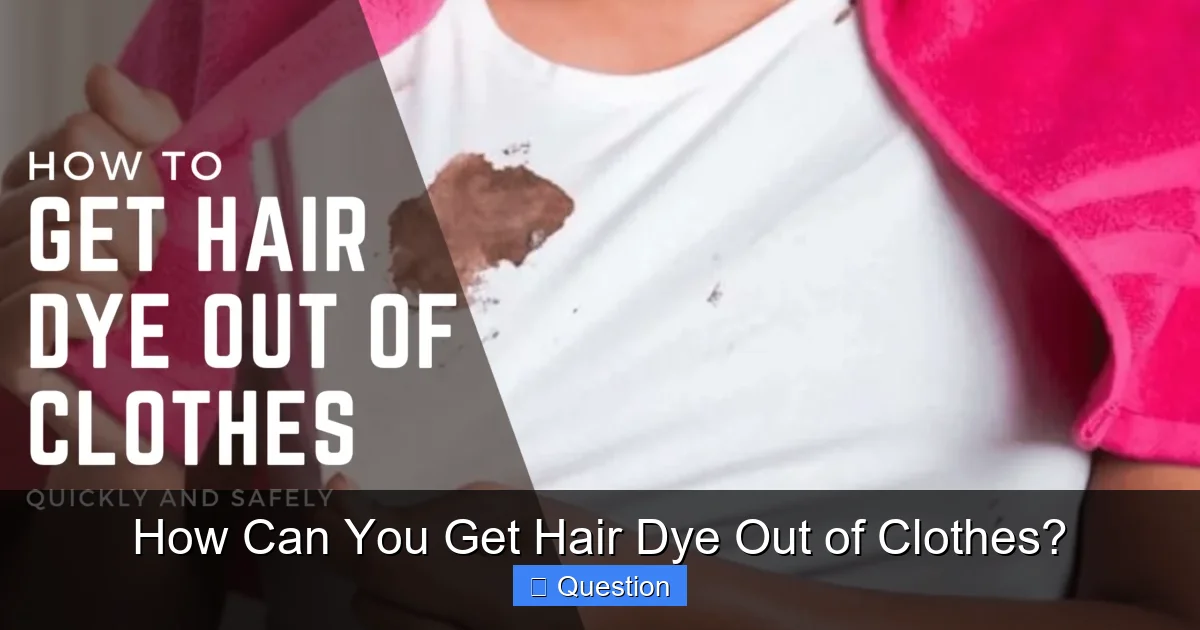
Spilling hair dye on clothes can be frustrating, but acting fast is key to successful removal. Start by blotting and flushing with cold water, then apply common household products like dish soap, hydrogen peroxide, or rubbing alcohol, depending on the fabric and stain age. Always patch test and avoid heat until the stain is gone to save your garments and effectively get hair dye out of clothes.
Oh, the joys of a fresh hair color! That vibrant shade, that glossy finish – there’s nothing quite like it. But then, disaster strikes. A rogue drip, a slippery brush, or a simple accidental smear, and suddenly, that beautiful new hair dye isn’t just on your head; it’s on your favorite shirt, your trusty towel, or even worse, your brand-new rug. Panic sets in, followed by the sinking feeling that your beloved item is now ruined forever. But don’t throw in the towel just yet!
The good news is that getting hair dye out of clothes is often possible, especially if you act quickly. While it might seem like a permanent predicament, many common household products, coupled with a bit of patience and the right technique, can help lift even stubborn hair dye stains. Understanding how to tackle these tricky spots can save your wardrobe and your sanity. So, let’s dive into practical, step-by-step methods to get hair dye out of clothes and bring your garments back to life.
This guide will walk you through everything you need to know, from immediate first aid for fresh spills to more intensive treatments for dried-on stains. We’ll cover various fabric types, essential precautions, and what to do (and what not to do) to maximize your chances of success. Armed with this knowledge, you’ll be well-prepared for any future hair dye mishaps.
Key Takeaways
- Act Immediately: The absolute best chance you have to get hair dye out of clothes is to treat the stain as soon as it happens, before it has a chance to set.
- Blot, Don’t Rub: Rubbing a hair dye stain can spread it further and push it deeper into the fabric fibers, making it harder to remove. Always blot gently.
- Cold Water First: Hot water can actually set hair dye into fabric, so always use cold water to flush the stain from the back of the fabric.
- Patch Test: Before applying any cleaning solution, always test it on an inconspicuous area of the garment (like an inner seam) to ensure it won’t damage or discolor the fabric.
- Avoid Heat: Never put a garment with a hair dye stain into the dryer until you are absolutely certain the stain is completely gone, as heat will permanently set the dye.
- Know Your Fabric: Different fabrics (cotton, silk, synthetics) react differently to cleaning agents. Always consider the fabric type when choosing a removal method.
📑 Table of Contents
Act Fast! The Golden Rule for Hair Dye Stains
When it comes to how you can get hair dye out of clothes, speed is your number one ally. A fresh stain is significantly easier to remove than one that has dried and set into the fabric fibers. The moment you notice a dye spill, put down everything else and attend to it immediately. Every second counts!
Blot, Don’t Rub
Your first instinct might be to vigorously rub the stain away, but resist this urge! Rubbing will only spread the dye further and push it deeper into the fabric, making removal much more difficult. Instead, grab a clean, white cloth, paper towel, or even a few sheets of toilet paper. Gently blot the stained area to absorb as much of the excess dye as possible. Start from the outer edges of the stain and work your way inwards to prevent spreading.
Cold Water is Your Friend
After blotting, take the garment to the sink and flush the stained area with cold water. It’s crucial to use cold water, not hot, as hot water can actually set the dye permanently into the fabric. Hold the garment with the back of the stain facing upwards under a steady stream of cold water. This helps to push the dye out of the fabric rather than further into it. Continue flushing until no more dye appears to be washing out.
First-Aid for Fresh Stains (Before Washing)
Once you’ve blotted and rinsed, it’s time to apply a cleaning agent. Always remember to test any cleaning solution on an inconspicuous area of the fabric first (like an inside seam) to ensure it doesn’t cause discoloration or damage. This is a critical step when trying to get hair dye out of clothes, as fabric reactions can vary widely.
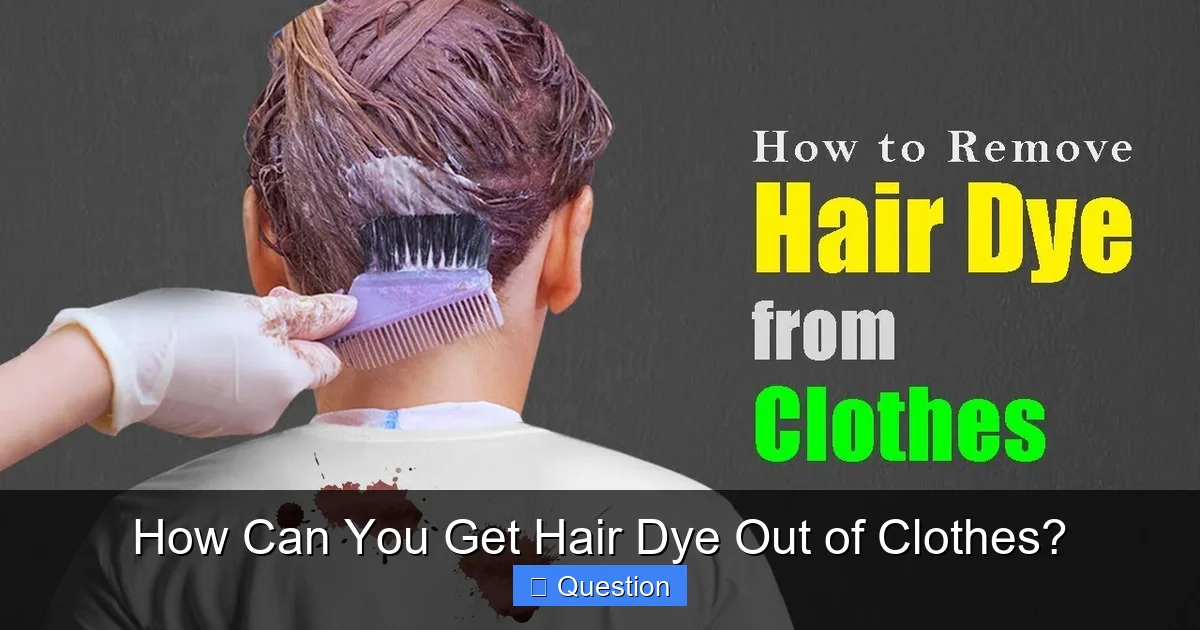
Visual guide about How Can You Get Hair Dye Out of Clothes?
Image source: i.ytimg.com
Dish Soap & Water
For many fresh stains, a simple solution of dish soap can be surprisingly effective. Dish soap is designed to cut through grease and grime, and it can also work wonders on dye.
- Apply a small amount of liquid dish soap directly onto the wet stain.
- Gently rub the soap into the fabric using your fingers or a soft brush (an old toothbrush works well for this).
- Let it sit for 5-10 minutes.
- Rinse thoroughly with cold water. Repeat if necessary.
Laundry Detergent Power
Your regular liquid laundry detergent can also be a powerful tool for fresh hair dye stains. Opt for a heavy-duty liquid detergent with enzymes, as these are excellent at breaking down various types of stains.
- Pour a small amount of liquid laundry detergent directly onto the stain.
- Work it into the fabric with your fingers or a soft brush.
- Allow it to sit for at least 30 minutes, or even a few hours for a more stubborn stain.
- After soaking, wash the garment in cold water according to its care label, but do not put it in the dryer until the stain is completely gone. Air dry instead.
The Magic of Hair Spray (Alcohol-based)
This might sound counterintuitive, but alcohol-based hairspray can sometimes help loosen hair dye. The alcohol acts as a solvent.
- Spray the hairspray directly onto the stain until it’s saturated.
- Immediately blot with a clean cloth, working from the outside in. You should see some dye transferring to the cloth.
- Rinse with cold water.
- Follow up with a dish soap or laundry detergent treatment.
Tackling Dried or Set-In Stains (Chemical Warfare)
If you didn’t catch the stain immediately, or if the initial treatments didn’t quite do the trick, don’t despair! There are stronger remedies you can try. These methods require more caution and a thorough understanding of your fabric type. Always remember the patch test!
Hydrogen Peroxide (for light fabrics)
Hydrogen peroxide is a mild bleaching agent and can be very effective on hair dye, especially on white or light-colored fabrics. It should generally not be used on dark or colored fabrics, as it can cause discoloration.
- Apply a 3% hydrogen peroxide solution directly to the stain.
- Let it sit for 10-15 minutes. Watch it carefully; you might see the dye start to lift.
- Rinse thoroughly with cold water.
- For tougher stains on whites, you can soak the garment in a solution of 1 part hydrogen peroxide to 10 parts cold water for up to an hour, then wash normally (cold cycle).
Rubbing Alcohol (for synthetic fabrics)
Isopropyl alcohol (rubbing alcohol) is another excellent solvent, particularly effective on synthetic fabrics like polyester, nylon, and acrylic.
- Dampen a clean white cloth with rubbing alcohol.
- Gently blot the stain, working from the outside towards the center.
- As the dye transfers to the cloth, switch to a clean section of the cloth.
- Rinse with cold water and then wash as usual with laundry detergent.
Vinegar Solution (gentle but effective)
White vinegar is a natural acid that can help break down dyes and is generally safe for most fabrics.
- Mix equal parts white vinegar and cold water.
- Soak the stained area in this solution for 30 minutes to an hour.
- Alternatively, apply undiluted white vinegar directly to the stain, let it sit for 10-15 minutes, then blot and rinse.
- Wash the garment in cold water with your usual detergent.
Commercial Stain Removers (what to look for)
Many commercial stain removers are specifically formulated to tackle tough dyes. Look for products that are “oxygen-based” or designed for “color-safe” stain removal. Brands like OxiClean or specific dye removers (e.g., Rit Dye Remover for fabric that you want to strip all color from, or specific laundry stain removers like Shout or Zout) can be very effective.
- Always follow the product instructions carefully.
- Pre-treat the stain directly.
- Allow the product to penetrate for the recommended time.
- Wash in cold water.
Specific Fabric Considerations
When asking “how can you get hair dye out of clothes,” the answer often depends on the type of fabric you’re dealing with. Different materials require different approaches.
Delicate Fabrics (Silk, Wool)
Delicate fabrics like silk, wool, and rayon require a much gentler touch. Harsh chemicals can damage these fibers.
- Mild Dish Soap & Cold Water: Your best bet is usually a very mild dish soap or a specialized delicate fabric detergent. Gently blot the stain with a solution of mild soap and cold water.
- Vinegar Solution: A diluted white vinegar solution can also be used, but always patch test and avoid prolonged soaking.
- Professional Cleaning: For expensive or cherished delicate items, it might be best to consult a professional dry cleaner who specializes in stain removal for these materials.
Dark vs. Light Clothes
The color of the garment is a significant factor.
- White/Light Fabrics: You have more options, including hydrogen peroxide and even a very diluted bleach solution as a last resort (see below).
- Dark/Colored Fabrics: Avoid any product with bleaching agents, including hydrogen peroxide and chlorine bleach, as they will cause permanent discoloration. Stick to rubbing alcohol, dish soap, laundry detergent, or color-safe commercial stain removers.
Synthetics vs. Naturals
Synthetic fibers (polyester, nylon, acrylic) often respond well to rubbing alcohol. Natural fibers (cotton, linen) are generally more durable and can handle most of the methods mentioned (dish soap, laundry detergent, vinegar, hydrogen peroxide on light colors). Wool and silk, being protein fibers, are more sensitive and require gentle, pH-neutral cleaners.
Advanced Techniques & What NOT to Do
When conventional methods fail, there are a couple of more potent options, but they come with warnings. And just as importantly, there are things you absolutely must avoid.
The Ammonia & Detergent Mix (use with caution)
For really stubborn, dried-on stains on sturdy, non-delicate fabrics (like cotton or polyester), a mixture of ammonia and liquid laundry detergent can be powerful.
- Mix 1 tablespoon of clear ammonia (not sudsy or scented) with a few drops of liquid laundry detergent in a cup of cold water.
- Apply the solution to the stain with a clean cloth or cotton swab.
- Let it sit for 15-30 minutes, then rinse thoroughly with cold water.
- Caution: Never mix ammonia with bleach, as this creates dangerous toxic fumes. Do not use on wool or silk. Work in a well-ventilated area.
Bleach (Last Resort, Only for Whites)
Chlorine bleach is a powerful oxidizing agent and can remove most dyes. However, it’s highly corrosive and will strip color from anything but pure white fabrics.
- Only use on white, bleach-safe fabrics.
- Dilute bleach according to product instructions (usually ¼ cup per gallon of water).
- Soak the stained area for a short period (5-15 minutes) until the stain disappears.
- Rinse extensively with cold water, then wash immediately with detergent to remove all traces of bleach.
- Warning: Bleach can weaken fabric fibers over time, even on whites. Use sparingly.
Professional Help
If you’ve tried everything and the stain persists, or if the garment is very expensive or delicate, it’s time to call in the professionals. A dry cleaner with experience in dye removal might have access to specialized solvents and techniques that aren’t available for home use. Make sure to point out the stain and inform them it’s hair dye.
What to AVOID
- Heat: This is the cardinal rule. Never, ever put a stained item in the dryer until you are absolutely positive the stain is gone. Heat will permanently set the dye, making it impossible to remove.
- Rubbing Aggressively: As mentioned, rubbing spreads the stain and pushes it deeper. Always blot.
- Chlorine Bleach on Colors: This will irrevocably strip the color from your garment, creating an even worse stain.
- Mixing Chemicals: Never mix ammonia with bleach, as it creates toxic chloramine gas. Also, be careful about mixing other cleaning agents without knowing their chemical reactions.
- Prolonged Soaking for Delicates: Delicate fabrics can be damaged by extended exposure to water or chemicals.
Conclusion
Accidentally getting hair dye on your clothes is a common, frustrating experience, but it doesn’t have to be a permanent one. By understanding the principles of stain removal and applying the right techniques, you can often save your beloved garments. Remember the golden rules: act fast, blot instead of rub, use cold water, and always patch test. Knowing how you can get hair dye out of clothes empowers you to tackle these mishaps with confidence.
While some stubborn stains might require a bit more elbow grease or even a trip to a professional cleaner, the majority can be successfully treated at home with common household products. So, the next time a drop of dye strays from your hair, take a deep breath, grab your supplies, and follow these steps. With a little care and persistence, you can bid farewell to those unwelcome dye marks and keep your clothes looking their best!
Frequently Asked Questions
Is it possible to remove dried hair dye from clothes?
Yes, it is often possible to remove dried hair dye, but it requires more aggressive treatment and patience than fresh stains. You’ll likely need to use stronger agents like hydrogen peroxide (for light fabrics), rubbing alcohol, or commercial stain removers, and allow them more time to work on breaking down the set-in dye.
What should I do immediately after spilling hair dye?
The moment you spill hair dye, immediately blot the excess with a clean, dry cloth or paper towel (do not rub!). Then, take the garment to a sink and flush the stain from the back with cold water to push the dye out of the fabric.
Can I use bleach to remove hair dye from colored clothes?
No, you should never use chlorine bleach on colored clothes to remove hair dye. Bleach will strip the original color from the fabric, creating a permanent light or white spot that is often worse than the original dye stain. Bleach should only be used as a last resort on pure white, bleach-safe fabrics.
Are there any natural remedies to get hair dye out of clothes?
Yes, white vinegar is a popular natural remedy. You can mix equal parts white vinegar and cold water to soak the stained area, or apply undiluted vinegar directly. Mild dish soap is also a gentle and effective option for fresh stains, particularly when combined with cold water rinsing.
How do I know if a method is safe for my fabric?
Always perform a patch test on an inconspicuous area of the garment (like an inside seam, hem, or cuff) before applying any cleaning solution to the main stain. Apply a small amount of the cleaner, let it sit for a few minutes, then rinse. Check for any discoloration or damage to ensure it’s safe for the fabric type.
When should I give up and take it to a professional?
If you’ve tried multiple appropriate methods for your fabric type and the hair dye stain still persists, or if the garment is a delicate, expensive, or cherished item, it’s best to take it to a professional dry cleaner. Inform them that it’s a hair dye stain so they can use specialized techniques.
As an Amazon Associate, We earn from qualifying purchases.