
How to Get Hair Dye Out of Carpet?
As an Amazon Associate, We earn from qualifying purchases.
Spilling hair dye on your carpet can feel like a disaster, but it’s often reversible if you act quickly and methodically. This comprehensive guide provides step-by-step instructions using common household items like dish soap, vinegar, and hydrogen peroxide, along with crucial tips for different carpet types and dye formulations. Remember, speed is key, and always patch test solutions in an inconspicuous area before tackling the main stain to avoid further damage.
Oh no, the dreaded hair dye spill! We’ve all been there, or at least imagined the horror. One slip of the hand, one misplaced towel, and suddenly that beautiful new hair color is gracing your carpet instead of your locks. It feels like a moment of pure panic, but take a deep breath. While hair dye can be notoriously stubborn, getting it out of your carpet is often possible with the right approach and a little elbow grease.
This isn’t a lost cause! Most hair dye stains, especially if tackled quickly, can be significantly lightened or even completely removed. Whether it’s a vibrant red, a deep black, or a subtle blonde that’s gone astray, we’re here to walk you through the most effective methods to restore your carpet to its former glory. So, grab your cleaning supplies, and let’s get that hair dye out of your carpet!
Key Takeaways
- Act Immediately: The sooner you address a hair dye spill, the higher your chances of complete removal. Fresh stains are significantly easier to clean than dried-in ones.
- Blot, Don’t Rub: Always blot the stain with a clean, white cloth or paper towel to absorb the dye. Rubbing can spread the stain and push the dye deeper into the carpet fibers, making it harder to remove.
- Patch Test Solutions: Before applying any cleaning solution, especially hydrogen peroxide or rubbing alcohol, always test it on an inconspicuous area of your carpet to ensure it doesn’t cause discoloration or damage.
- Start Gentle, Escalate if Needed: Begin with the mildest solutions, like dish soap and white vinegar. If the stain persists, gradually move to stronger options such as hydrogen peroxide or rubbing alcohol, carefully following safety precautions.
- Understand Dye and Carpet Types: Permanent dyes are tougher than semi-permanent ones. Synthetic carpets generally handle stronger cleaners better than natural fibers like wool, which require more delicate approaches.
- Rinse Thoroughly: After treating the stain, ensure you thoroughly rinse the area with clean water to remove all cleaning solution residue. Leftover residue can attract dirt and cause future staining.
- Prevention is Best: To avoid future incidents, lay down old towels or drop cloths when dyeing hair, wear old clothes, and consider dyeing hair in an easy-to-clean area like a bathroom with tile flooring.
📑 Table of Contents
Act Fast: The Golden Rule for Stain Removal
The absolute most important piece of advice when dealing with a hair dye spill is to act immediately. Fresh stains are infinitely easier to remove than those that have had time to dry and set into the carpet fibers. Think of it as a race against the clock!
Blot, Don’t Rub – It’s Crucial!
Your first instinct might be to scrub the stain aggressively, but resist the urge! Rubbing will only spread the dye further and push it deeper into the carpet fibers, making it harder to extract. Instead, grab some clean, white paper towels or a white cloth. Gently blot the spill from the outside edges inwards. Apply firm but gentle pressure to absorb as much of the liquid dye as possible. Change to a fresh, clean part of the towel as it becomes saturated with dye. Keep blotting until no more dye transfers to the towel. This initial step is vital for how to get hair dye out of carpet effectively.
Gather Your Arsenal: Tools and Supplies
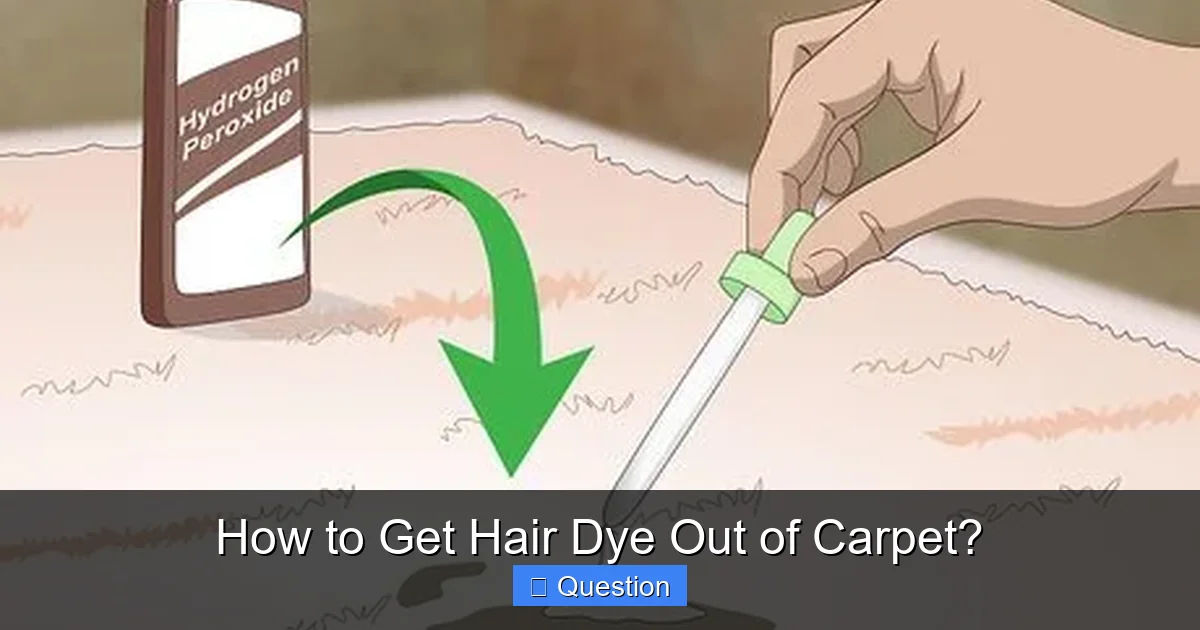
Visual guide about How to Get Hair Dye Out of Carpet?
Image source: wikihow.com
Before you dive into cleaning, make sure you have all the necessary tools and solutions readily available. Having everything at hand will prevent delays, which are critical when dealing with fresh hair dye stains.
Essential Cleaning Supplies:
- Clean White Cloths or Paper Towels: For blotting and applying solutions. White is crucial to ensure no color transfer from the cloth itself.
- Spray Bottle: Handy for applying cleaning solutions evenly.
- Vacuum Cleaner: To clean the area before and after treatment.
- Gloves: Protect your hands from the dye and cleaning solutions.
- Old Toothbrush or Soft Brush: For gently working solutions into the carpet fibers.
- Clean Water: For rinsing.
Cleaning Agents You Might Need:
- Liquid Dish Soap (e.g., Dawn): A mild degreaser, excellent for initial treatment.
- White Vinegar: A natural cleaner and deodorizer, often effective on various stains.
- Hydrogen Peroxide (3% solution): A mild bleaching agent, effective on darker dyes but requires caution.
- Rubbing Alcohol (Isopropyl Alcohol): Can break down some dye formulas, especially in synthetic carpets.
- Baking Soda: For absorbing moisture and odors.
- Commercial Carpet Cleaner: As a last resort, choose one specifically designed for dye or tough stains.
Step-by-Step Guide to Removing Hair Dye from Carpet
Remember to always *patch test* any cleaning solution in an inconspicuous area of your carpet (like inside a closet or under furniture) before applying it to the main stain. Wait a few minutes to ensure no discoloration or damage occurs.
Method 1: Dish Soap and White Vinegar (Your First Line of Defense)
This method is gentle and effective for many fresh spills.
- Prepare the Solution: In a small bowl or spray bottle, mix one tablespoon of mild liquid dish soap (like Dawn) with two cups of warm water and one tablespoon of white vinegar.
- Apply the Solution: Lightly dampen a clean white cloth with the solution. Do not saturate the carpet.
- Blot the Stain: Gently blot the hair dye stain with the dampened cloth, working from the outside in. Continue blotting, using fresh sections of the cloth as dye transfers, until no more color comes up.
- Let it Sit (Optional): For stubborn spots, you can apply the solution and let it sit for 5-10 minutes, but don’t let it dry on the carpet.
- Rinse: Dampen another clean cloth with plain, cool water and blot the area to rinse away the cleaning solution. It’s important to remove all soap residue, which can attract dirt.
- Dry: Blot the area dry with a clean, dry towel. You can also place a thick stack of paper towels on the damp spot and weigh them down with a heavy book overnight to absorb remaining moisture.
Method 2: Hydrogen Peroxide (For Darker and More Persistent Stains)
Hydrogen peroxide is a mild bleaching agent, so it’s especially useful for dark dyes but *must* be patch tested first, especially on darker or natural fiber carpets, as it can cause lightening.
- Patch Test: Seriously, do not skip this. Apply a small amount of 3% hydrogen peroxide to an inconspicuous spot. Wait 30 minutes. If there’s no discoloration, proceed.
- Apply Peroxide: Dampen a clean, white cloth with 3% hydrogen peroxide. Gently blot the hair dye stain. Do *not* pour directly onto the carpet, as this can over-saturate and bleach too much.
- Dwell Time: Allow the hydrogen peroxide to sit on the stain for no more than 15-30 minutes. Keep an eye on it. The dye should begin to break down and lift.
- Blot and Rinse: Blot the area thoroughly with a clean, damp cloth to absorb the dye and peroxide. Rinse again with a cloth dampened with plain water.
- Dry: Blot dry with a clean towel. You can use a fan to speed up drying.
Tip: For very stubborn spots, you can mix a small amount of hydrogen peroxide with a dab of non-gel, white toothpaste (avoid toothpastes with abrasives or colors) and gently work it into the stain with an old toothbrush. Let it sit briefly, then blot and rinse thoroughly.
Method 3: Rubbing Alcohol (Effective on Synthetic Fibers and Gel Dyes)
Rubbing alcohol (isopropyl alcohol) can be effective on synthetic carpets and certain types of dye, particularly those with an alcohol base (like some semi-permanent or gel dyes).
- Patch Test: Always test rubbing alcohol on an hidden area first, as it can sometimes affect carpet backing or certain dyes.
- Apply Alcohol: Dampen a clean, white cloth with rubbing alcohol.
- Blot the Stain: Gently blot the hair dye stain with the alcohol-dampened cloth. Work from the outside in. The alcohol helps dissolve the dye.
- Continue Blotting: Keep using fresh sections of the cloth until no more dye transfers.
- Rinse: Lightly dampen a fresh cloth with plain water and blot the area to rinse away the alcohol residue.
- Dry: Blot dry with a clean towel.
Method 4: Commercial Carpet Cleaner (The Last Resort)
If homemade solutions aren’t cutting it, a specialized carpet stain remover for tough stains or dyes might be necessary.
- Choose Wisely: Look for products specifically designed for dye removal or pet stains, as these often contain stronger enzymes or bleaching agents. Read reviews!
- Read Instructions Carefully: Each commercial cleaner will have specific instructions for application, dwell time, and rinsing. Follow them precisely.
- Patch Test: Even with commercial products, a patch test is non-negotiable.
- Apply and Blot: Apply the cleaner according to the manufacturer’s directions. Use a clean cloth to blot, never rub.
- Rinse Thoroughly: Ensure all chemical residue is removed with clean water and blotting.
- Dry: Allow the area to dry completely.
Dealing with Specific Dye Types and Carpet Materials
Understanding what kind of dye you spilled and what your carpet is made of can influence your approach.
Permanent vs. Semi-Permanent Dye
- Semi-Permanent Dyes: These are generally easier to remove as they coat the hair shaft rather than deeply penetrating it. The dish soap and vinegar method often works wonders.
- Permanent Dyes: These dyes use developers (peroxide or ammonia) to open the hair cuticle and deposit color deeply. They are tougher to remove from carpet fibers. You’ll likely need to escalate to hydrogen peroxide or rubbing alcohol.
Synthetic vs. Natural Fiber Carpets
- Synthetic Carpets (Nylon, Polyester, Olefin): These are generally more resilient and can withstand stronger cleaning solutions like hydrogen peroxide or rubbing alcohol, provided you’ve done a patch test. They are less absorbent than natural fibers, which can be both a blessing (less penetration) and a curse (harder to extract once set).
- Natural Fiber Carpets (Wool, Silk): These are much more delicate. Harsh chemicals can damage, shrink, or discolor them. Stick to the mildest solutions (dish soap and vinegar) first. If you must use hydrogen peroxide, dilute it further and use it very sparingly after an extensive patch test. For significant stains on natural fibers, it might be best to call a professional cleaner.
Prevention is Key: Avoiding Future Spills
The best way to get hair dye out of carpet is to never get it there in the first place! A little preparation can save you a lot of hassle.
Smart Dyeing Practices:
- Lay Down Protection: Before you even open the dye box, cover your carpet with old towels, newspaper, or a plastic drop cloth. Make sure the coverage extends well beyond your immediate work area.
- Wear Old Clothes: Accidents happen, and it’s better to ruin an old t-shirt than your favorite outfit (or your carpet).
- Wear Gloves: Always wear the gloves provided in the dye kit. They’re there for a reason!
- Choose Your Location Wisely: Consider dyeing your hair in a bathroom with tile or linoleum flooring, where spills are much easier to clean up.
- Work Carefully: Take your time, don’t rush, and keep the dye kit securely closed when not in use.
When to Call a Professional
Sometimes, despite your best efforts, the stain just won’t budge, or you might be dealing with a particularly delicate or expensive carpet. Don’t feel bad about calling in the cavalry!
Consider a Professional if:
- The Stain is Large or Very Deeply Set: Professionals have access to industrial-strength cleaners and equipment that can penetrate deeper without damaging fibers.
- Your Carpet is a Delicate Material: If you have wool, silk, or antique carpets, the risk of permanent damage from DIY cleaning is high.
- You’ve Tried Everything and Failed: If you’ve gone through the steps and the stain persists, a professional might be your last best hope.
- You’re Unsure What to Do: If you’re nervous about damaging your carpet, peace of mind is worth the cost.
A professional carpet cleaner often has specialized solutions and techniques for dye removal that aren’t available to the average homeowner. They can also assess your carpet type and choose the safest, most effective approach.
Conclusion
A hair dye spill on your carpet can certainly be a heart-stopping moment, but it doesn’t have to be a permanent disaster. By acting quickly, being patient, and following these step-by-step methods, you significantly increase your chances of successfully getting hair dye out of your carpet. Remember to always patch test, blot instead of rub, and work from the mildest solutions upwards. With a little determination and the right techniques, your carpet can be saved, leaving no trace of your colorful mishap behind!
Frequently Asked Questions
Is it possible to completely remove permanent hair dye from carpet?
Yes, it is often possible to completely remove permanent hair dye from carpet, especially if addressed immediately. Permanent dyes are tougher than semi-permanent ones, but with persistent blotting, the right cleaning solutions like hydrogen peroxide, and careful application, significant or full removal is achievable.
What should I do immediately after spilling hair dye on my carpet?
The very first thing you should do is grab clean, white paper towels or a cloth and gently blot the spill. Do not rub, as this can spread the dye and push it deeper into the fibers. Continue blotting until no more dye transfers to the towel, changing to fresh sections as needed.
Are there any solutions I should avoid using on my carpet?
You should generally avoid using harsh chemicals like bleach (unless specifically formulated for carpets and patch-tested) or strong solvents, especially on natural fiber carpets like wool, as they can cause irreversible damage, discoloration, or weakening of the fibers. Always patch test any cleaning solution in an inconspicuous area first.
Can hydrogen peroxide damage my carpet?
Hydrogen peroxide (3% solution) can be an effective agent for removing dark hair dye stains, but it is a mild bleaching agent. It should always be patch-tested on an inconspicuous area of your carpet first to ensure it doesn’t cause discoloration, especially on darker or delicate carpets. Limit its contact time on the carpet.
How do I dry the carpet after cleaning without causing mold?
After cleaning, blot the area thoroughly with clean, dry towels to absorb as much moisture as possible. You can place a stack of paper towels weighted down by a heavy object overnight. Additionally, use a fan to circulate air over the damp spot, or open windows to ensure good ventilation, preventing mold or mildew growth.
When should I consider calling a professional carpet cleaner for a hair dye stain?
Consider calling a professional carpet cleaner if the stain is large, deeply set, on a delicate natural fiber carpet (like wool or silk), or if your DIY attempts using the recommended methods have not yielded satisfactory results. Professionals have specialized tools and stronger solutions that can often save stubborn stains without damaging your carpet.
As an Amazon Associate, We earn from qualifying purchases.