
Is Tresemme Good for Your Hair?
As an Amazon Associate, We earn from qualifying purchases.
The question “Is Tresemme good for your hair?” doesn’t have a simple yes or no answer. While many people use Tresemme effectively, its formulas, often containing sulfates and silicones, can be beneficial for some hair types and concerns, particularly for cleansing and temporary smoothness. However, for individuals with very dry, damaged, color-treated, or sensitive hair, these ingredients might lead to dryness, buildup, or irritation, making other options more suitable. The key lies in understanding your own hair needs and choosing the right Tresemme line – or an alternative – accordingly.
Is Tresemme Good for Your Hair? Unpacking the Truth
“Is Tresemme good for your hair?” This question has probably crossed your mind, or perhaps you’ve heard friends debating it. Tresemme is a household name, found on drugstore shelves in almost every corner of the world. Its massive bottles and affordable prices make it a go-to for many, promising salon-quality results without the hefty price tag. But for every person who raves about it, there seems to be another who warns against its use. So, what’s the real story?
Navigating the world of haircare can feel like a maze. With so many brands, ingredients, and opinions floating around, it’s easy to get confused. When it comes to Tresemme, the perception is particularly polarized. Some users find it delivers amazing shine and manageability, while others report issues like dryness, breakage, or scalp irritation. This article aims to cut through the noise, providing a balanced, comprehensive look at Tresemme products, their ingredients, and who they might – or might not – be good for. We’ll help you understand if Tresemme is good for your hair, based on facts and common experiences.
Let’s dive deep into the world of Tresemme. We’ll explore its typical formulations, discuss the controversial ingredients often found within, and provide guidance on how to decide if this popular brand aligns with your hair’s unique needs. By the end, you’ll have a clearer picture, empowering you to make an informed choice for your haircare routine.
Key Takeaways
- Diverse Formulations: Tresemme offers a wide range of products designed for various hair types, but the core formulas often contain ingredients like sulfates and silicones.
- Sulfate Debate: Sulfates (like SLS) provide strong cleansing and lather but can be stripping for dry, damaged, or color-treated hair. For oily or normal hair, they might be perfectly fine.
- Silicone Impact: Silicones create a smooth, shiny appearance and reduce frizz, but heavier silicones can lead to buildup over time, potentially weighing down fine hair or requiring clarifying shampoos.
- Affordability & Accessibility: Tresemme is widely available and budget-friendly, making it a popular choice for daily use without breaking the bank.
- Not One-Size-Fits-All: Whether Tresemme is good for *your* hair depends heavily on your specific hair type, concerns (e.g., oiliness, dryness, color-treated), and individual sensitivities.
- Consider Specific Lines: If you choose Tresemme, opt for a line specifically formulated for your needs (e.g., “Moisture Rich” for dryness, “Color Protect” for treated hair, though still check ingredients).
- Ingredient Awareness is Key: Always read the ingredient list. If you have known sensitivities or specific hair concerns, understanding what’s in your products is crucial for making an informed decision.
📑 Table of Contents
Understanding Tresemme: A Brand Overview
Tresemme has been a staple in haircare for decades, originally launched in 1947 by the Godefroy Manufacturing Company. Named after its founder, Edna L. Emme (pronounced tresem-ME, meaning “well-loved” in French), the brand initially catered to beauty salons. Its philosophy has always been to offer professional-quality products that are accessible and affordable for daily home use. Today, it’s owned by Unilever and continues to be one of the biggest names in the mass-market haircare industry.
The brand offers an extensive range of products, including shampoos, conditioners, styling sprays, mousses, and treatments, all designed to address various hair concerns from frizz control to volume enhancement. Their marketing often emphasizes “salon-quality” results, making them an attractive option for consumers looking for effective products without breaking the bank. But is Tresemme good for your hair in the long run, or are these just temporary fixes? This is where understanding the ingredients becomes crucial.
The Promise of Professional Quality at Home
Tresemme’s appeal largely comes from its promise: professional-grade haircare that you can pick up at your local drugstore. This accessibility and affordability are major selling points. They often release new lines targeting specific issues, like their Keratin Smooth, Moisture Rich, or Color Protect series. Each line is formulated with a particular hair concern in mind, attempting to offer a tailored solution. However, despite these specialized lines, many core ingredients remain consistent across the brand.
The Ingredients Debate: What’s Inside Tresemme?

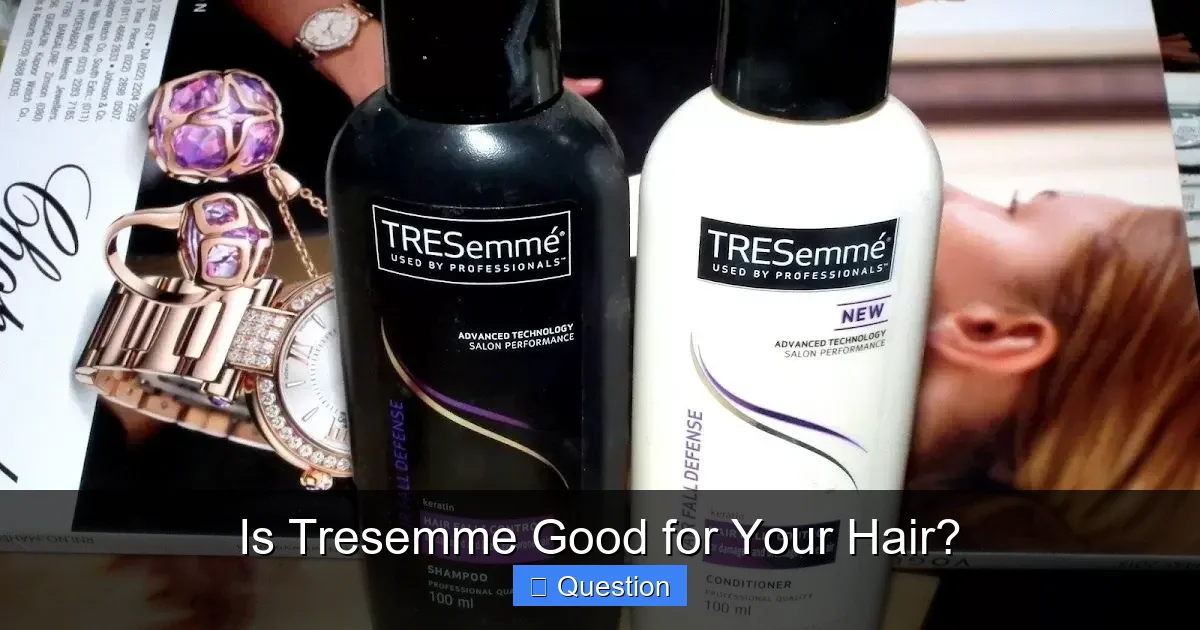
Visual guide about Is Tresemme Good for Your Hair?
Image source: straightenerlab.com
To truly answer “Is Tresemme good for your hair?”, we need to talk about ingredients. Like many mass-market haircare brands, Tresemme’s formulations often include common synthetic components that can spark debate among haircare enthusiasts and professionals. The two most frequently discussed are sulfates and silicones.
Sulfates: The Great Cleansers (and Strippers?)
Sulfates, primarily Sodium Lauryl Sulfate (SLS) and Sodium Laureth Sulfate (SLES), are surfactants commonly found in many shampoos, including many Tresemme formulas. Their job is to create a rich lather and effectively strip away oil, dirt, and product buildup from your hair and scalp.
* The Pros: For those with oily hair or significant product buildup, sulfates are highly effective cleansers. They leave your scalp feeling squeaky clean and your hair refreshed. Many people enjoy the luxurious lather they produce. If your hair tends to get greasy quickly, a sulfate-containing Tresemme shampoo might feel like a godsend.
* The Cons: The strong cleansing power of sulfates can be a double-edged sword. They can strip away not only dirt but also natural oils, leading to dryness, frizz, and even irritation for sensitive scalps. For color-treated hair, sulfates can accelerate color fading. If your hair is already dry, damaged, or fine, sulfate-laden shampoos might exacerbate these issues, making you question if Tresemme is good for your hair.
Silicones: For Shine and Smoothness (or Buildup?)
Silicones are another prevalent ingredient in many Tresemme conditioners and some shampoos and styling products. They coat the hair shaft, creating a smooth, shiny appearance, reducing frizz, and making hair feel incredibly soft and manageable. Dimethicone, cyclomethicone, and amodimethicone are common examples.
* The Pros: Silicones are fantastic for instant gratification. They make your hair look healthier, smoother, and shinier almost immediately. They also provide a protective barrier against humidity, helping to combat frizz. For those seeking sleek, polished styles, the benefits can be clear.
* The Cons: The downside of silicones is their potential for buildup. Over time, particularly with heavier, non-water-soluble silicones, they can accumulate on the hair shaft, weighing it down, especially for fine hair. This buildup can prevent moisture from penetrating the hair, leading to dryness and dullness in the long run. If your hair feels heavy, greasy, or unresponsive to conditioning, silicone buildup could be the culprit, prompting you to wonder if Tresemme is good for your hair over time.
Other Common Ingredients
Beyond sulfates and silicones, Tresemme products, like many others, often contain:
* Parabens: Preservatives used to extend shelf life. While their safety has been debated, many brands, including some Tresemme lines, are now paraben-free.
* Fragrance: A common component that gives products their pleasant scent. For individuals with sensitive skin or allergies, fragrance can sometimes be an irritant.
* Alcohols: Some styling products might contain drying alcohols (e.g., alcohol denat) which can contribute to dryness if used excessively. However, fatty alcohols (e.g., cetyl alcohol) are beneficial and act as emollients.
Who is Tresemme Best Suited For?
Given its ingredient profile, Tresemme isn’t universally “good” or “bad.” It truly depends on your hair type, lifestyle, and specific needs.
Normal to Oily Hair Types
If your hair tends to get oily quickly, or if you don’t have particular scalp sensitivities, Tresemme’s sulfate-containing shampoos can be highly effective at cleansing your hair and scalp. They can remove excess oil and product buildup, leaving your hair feeling fresh. For these hair types, Tresemme can be good for your hair on a regular basis.
Budget-Conscious Individuals
One of Tresemme’s biggest draws is its affordability. If you’re looking for an economical haircare option that provides decent results without breaking the bank, it’s a strong contender. The large bottle sizes offer excellent value, making it a practical choice for families or those on a tight budget.
Those Who Style Frequently (with Precautions)
If you use a lot of styling products (gels, mousses, hairsprays), Tresemme’s stronger cleansing shampoos can help remove the residue that accumulates. The silicone-rich conditioners can also help create a smooth base for heat styling, offering temporary protection and shine. Just remember to clarify occasionally!
Individuals Seeking Instant Smoothness and Shine
The silicone content in many Tresemme products delivers immediate visual benefits. If you prioritize instant shine, frizz reduction, and detangling, you’ll likely be pleased with the initial results. For an event or a quick fix, Tresemme can be good for your hair in terms of aesthetic appeal.
When Might Tresemme NOT Be the Best Choice?
While Tresemme works for many, there are specific hair types and conditions where it might do more harm than good, leading people to ask if Tresemme is good for your hair at all.
Dry, Damaged, or Brittle Hair
Hair that is already dry, prone to breakage, or significantly damaged (from chemical treatments, heat styling, etc.) needs gentle care. The strong sulfates in many Tresemme shampoos can strip away what little natural moisture and oils remain, leading to further dryness and potential damage. In this scenario, Tresemme is *not* good for your hair.
Color-Treated Hair
As mentioned, sulfates can cause hair color to fade more quickly. If you’ve invested in a fresh hair color, using a sulfate-laden shampoo can diminish its vibrancy. While Tresemme offers “Color Protect” lines, always check the ingredient list for milder surfactants if you want to preserve your color for longer.
Sensitive or Irritated Scalp
If you suffer from a sensitive scalp, dandruff, eczema, or psoriasis, the strong detergents and fragrances in some Tresemme products might cause irritation, itching, or exacerbate existing conditions. Look for hypoallergenic or fragrance-free options if this is you, and consider if Tresemme is good for your hair in this context.
Fine Hair Prone to Buildup
Individuals with fine hair are particularly susceptible to silicone buildup. The coating silicones provide can easily weigh down fine strands, making them look greasy, limp, and lifeless faster. If your fine hair struggles with volume, Tresemme’s heavier conditioners might not be the best option.
Curly or Wavy Hair (for some)
Many people with curly hair follow the “Curly Girl Method,” which avoids sulfates and certain silicones to prevent dryness and enhance curl definition. While some curly individuals find success with specific Tresemme lines, many find that the standard formulations can be too drying or cause buildup, hindering natural curl patterns.
Tips for Using Tresemme Effectively
If you decide to continue using Tresemme, or want to give it a try, here are some tips to get the best results and mitigate potential downsides:
1. Choose the Right Line for Your Hair
Tresemme offers various product lines designed for different concerns.
* Moisture Rich: For dryness (though still check sulfate content).
* Keratin Smooth: For frizz and smoothness (likely high in silicones).
* Color Protect: For colored hair (again, check sulfates).
* Volume: For fine, limp hair.
Select a line that addresses your primary hair concern, but always review the ingredient list to ensure it aligns with your hair’s needs.
2. Alternate with Other Products
Consider using a sulfate-free or silicone-free shampoo and conditioner once or twice a week, or alternating every other wash. This can help prevent buildup and provide your hair with a break from stronger cleansing agents. A clarifying shampoo (from any brand) once a month can also help remove residual buildup.
3. Condition Smartly
If you have fine hair or are prone to greasiness, apply conditioner only from the mid-shaft to the ends of your hair, avoiding the scalp. This ensures you get the conditioning benefits without weighing down your roots.
4. Rinse Thoroughly
Ensure you rinse your hair meticulously after shampooing and conditioning. Any product residue left behind can contribute to buildup, make your hair feel heavy, or even irritate your scalp.
5. Listen to Your Hair and Scalp
Pay attention to how your hair and scalp respond. If you notice increased dryness, frizz, breakage, or scalp irritation, it might be a sign that Tresemme isn’t the best fit for you, or that a specific product in the line isn’t agreeing with your hair. Your hair’s health is the ultimate indicator of whether Tresemme is good for your hair.
Exploring Alternatives
If you find that Tresemme isn’t delivering the results you desire, or if your hair has specific needs that aren’t being met, don’t despair! The haircare market is vast.
* Sulfate-Free Options: Many brands now offer sulfate-free shampoos that cleanse gently without stripping natural oils.
* Natural & Organic Brands: If you’re concerned about synthetic ingredients, look for brands that prioritize natural extracts and minimize chemicals.
* Professional Salon Brands: Often formulated with higher concentrations of beneficial ingredients and fewer potentially harsh ones, though at a higher price point.
* DIY Solutions: Simple homemade rinses (like apple cider vinegar) or masks can sometimes complement your routine.
Conclusion: Is Tresemme Good for Your Hair?
So, is Tresemme good for your hair? The definitive answer is: *it depends*. There isn’t a single, universal truth when it comes to haircare, as every individual’s hair is unique. For many, especially those with normal to oily hair, or those on a budget seeking immediate smoothness and shine, Tresemme can be a perfectly adequate and even beneficial part of their haircare routine. Its affordability and accessibility make it a practical choice for daily cleansing and conditioning.
However, for individuals with specific needs – such as very dry, damaged, color-treated, or sensitive hair, or those prone to product buildup – Tresemme’s traditional formulations might not be the best fit. The presence of strong sulfates and heavy silicones can sometimes lead to issues like dryness, fading color, scalp irritation, or weighed-down strands.
The key takeaway here is knowledge and personalization. Understand your hair type, pay attention to how your hair reacts to products, and read ingredient labels. By doing so, you can make an informed decision and determine if Tresemme is truly good for *your* hair, or if another brand might better serve your unique haircare journey. Ultimately, healthy hair is happy hair, and finding the right products is a journey of discovery.
Frequently Asked Questions
Is Tresemme suitable for all hair types?
No, Tresemme is not suitable for all hair types. While it offers lines for various concerns, its traditional formulas with sulfates and silicones might be too harsh for very dry, damaged, or sensitive hair, potentially causing dryness or buildup.
Do Tresemme products contain sulfates?
Many Tresemme shampoos traditionally contain sulfates (like Sodium Laureth Sulfate) which are effective cleansers. However, some newer lines or specific products might be formulated without sulfates, so it’s always best to check the ingredient list.
Can Tresemme cause hair loss?
There is no scientific evidence to suggest that Tresemme products directly cause hair loss. However, if you experience significant dryness, breakage, or scalp irritation from using their products, this could indirectly contribute to hair thinning or damage.
Is Tresemme good for color-treated hair?
Some Tresemme products, particularly those containing strong sulfates, can cause hair color to fade more quickly. While they offer “Color Protect” lines, it’s advisable for those with color-treated hair to opt for sulfate-free alternatives to preserve their color.
Why do some people experience dry hair after using Tresemme?
The strong cleansing agents (sulfates) in many Tresemme shampoos can strip natural oils from the hair and scalp, leading to dryness, especially for individuals already prone to dry hair or with sensitive scalps.
Are Tresemme conditioners good for hair?
Tresemme conditioners often contain silicones that can make hair feel smooth, shiny, and detangled immediately. However, for some hair types, especially fine hair, these silicones can lead to buildup over time, potentially weighing hair down and preventing moisture absorption.
As an Amazon Associate, We earn from qualifying purchases.