
Can You Flush Hair Down the Toilet?
No, you absolutely should not flush hair down the toilet. While it might seem convenient, hair doesn’t dissolve like toilet paper and quickly forms stubborn, tangled clogs that can devastate your plumbing, septic system, and even the municipal sewer lines. Opt for responsible disposal in the trash can instead to save yourself costly repairs and headaches.
Ah, the bathroom. A place of peace, hygiene, and sometimes, a little plumbing mystery. We all do it – shed hair. Whether it’s after a refreshing shower, a quick brush-through, or a trim, those stray strands have a way of appearing everywhere. And let’s be honest, the toilet, with its powerful flush, can seem like a tempting, quick fix for getting rid of them. It’s just a few hairs, right? What could be the harm?
This is a question many homeowners ponder, often at the moment a tiny clump of hair finds its way into the porcelain bowl. “Can you flush hair down the toilet?” is a common query, and for good reason. The answer, however, might surprise you in its urgency and importance. While it might seem harmless, flushing hair down the toilet is actually one of the worst things you can do for your plumbing system, leading to a cascade of potential problems that can be costly and incredibly frustrating to fix.
In this comprehensive guide, we’re going to dive deep into why flushing hair down the toilet is a big no-no, what exactly happens when you do, and most importantly, how to safely and responsibly dispose of hair to keep your drains flowing freely and your plumbing in tip-top shape. So, let’s untangle this hairy situation once and for all!
Key Takeaways
- Avoid Flushing Hair: Hair does not break down in water like toilet paper and is one of the leading causes of household plumbing clogs.
- Forms “Hairballs”: Hair strands, especially long ones, easily intertwine with soap scum, grease, and other debris, creating dense, impenetrable blockages.
- Damages Plumbing Systems: Regular flushing of hair can lead to expensive clogs in your drains, pipes, and even damage your septic system or contribute to municipal sewer issues.
- Ineffective Against Chemical Cleaners: Most chemical drain cleaners are not effective at dissolving hair and can even cause further damage to your pipes.
- Safe Disposal is Simple: The easiest and most responsible way to dispose of hair is to place it directly into a trash can.
- Prevention is Key: Use drain protectors or hair traps in your showers and sinks to catch loose hair before it enters your pipes.
- Professional Help for Clogs: If you already have a significant hair clog, it’s often best to call a professional plumber to avoid worsening the problem.
📑 Table of Contents
The Short Answer: No, You Absolutely Shouldn’t Flush Hair Down the Toilet
Let’s cut right to the chase: no, you should not flush hair down the toilet. This might seem like an overstatement for something as innocuous as a few strands of hair, but the truth is, hair is a plumbing system’s worst enemy. Unlike toilet paper, which is specifically designed to break down and dissolve in water, hair is incredibly resilient. It doesn’t dissolve, it doesn’t disintegrate, and it definitely doesn’t just float harmlessly away.
Why Hair is Different from Toilet Paper
Think about the composition of hair. It’s made of keratin, a strong protein that is very resistant to breakdown, especially in cold water. Toilet paper, on the other hand, is made from wood pulp designed to quickly lose its structural integrity when exposed to water, allowing it to move easily through pipes and wastewater treatment systems. Hair, by contrast, retains its shape, its strength, and its ability to entangle. This fundamental difference is why flushing hair down the toilet creates such significant problems.
Understanding the Plumbing Peril: How Hair Causes Clogs
So, what exactly happens when you flush hair down the toilet? It’s not just about a single strand; it’s about the cumulative effect and the way hair interacts with other substances in your pipes. It’s a recipe for disaster that can lead to some of the most stubborn and difficult clogs you’ll ever encounter.
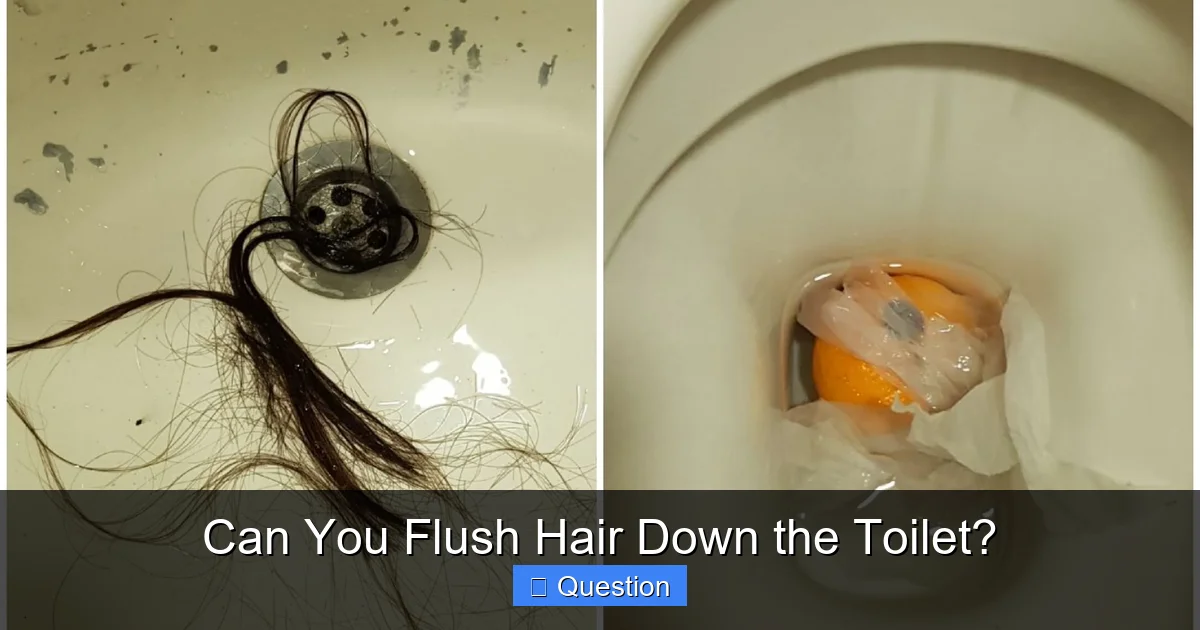
Visual guide about Can You Flush Hair Down the Toilet?
Image source: i.redd.it
Hair’s Sticky Nature: The Binding Agent
One of the primary reasons hair is so problematic is its tendency to cling to almost anything. As hair travels down your pipes, it doesn’t go alone. It quickly becomes entangled with soap scum, grease, shampoo residue, and other debris that naturally accumulates on the inner walls of your pipes. This creates a sticky, fibrous web. Imagine a spiderweb, but made of human hair, grease, and grime – that’s what’s forming inside your plumbing.
The “Net” Effect: Forming Impenetrable Blockages
Long strands of hair are particularly insidious. They act like a net, catching more hair, more soap scum, and other non-flushable items that might accidentally or intentionally be sent down the drain. Over time, these masses grow larger and denser, eventually forming an impenetrable blockage that completely obstructs water flow. These “hairballs” can be incredibly tough to dislodge, often requiring more than just a simple plunger. Flushing hair down the toilet repeatedly guarantees that these clogs will form, typically in narrow sections of your pipes or where turns occur.
Beyond Your Toilet: Impacting the Sewer System
The problem isn’t confined to just your toilet or the immediate drain. If the hair manages to make it past your immediate plumbing, it can continue its journey into your home’s main sewer line, or even further into the municipal sewer system. There, it can contribute to much larger, more severe blockages, potentially causing backups not just in your home, but in your neighbors’ homes as well. These larger clogs, sometimes referred to as “fatbergs” when combined with grease and other waste, are incredibly expensive for municipalities to clear and can cause significant environmental issues. The question “Can you flush hair down the toilet?” should always be answered with the health of the entire wastewater system in mind.
Beyond Clogs: Other Negative Impacts of Flushing Hair Down the Toilet
While clogs are the most immediate and common consequence, flushing hair down the toilet can lead to several other negative impacts that affect your home, your wallet, and even the environment.
Pipe Damage and Wear
Constant pressure from accumulating clogs can put stress on your pipes. While pipes are robust, prolonged blockages mean water backs up, sitting in places it shouldn’t. This can accelerate corrosion, especially in older metal pipes, and contribute to leaks over time. Additionally, attempts to clear stubborn hair clogs with harsh chemical drain cleaners or improper use of drain snakes can also damage your pipes, leading to even more costly repairs down the line.
Septic System Nightmares
If your home relies on a septic system, flushing hair down the toilet is an even bigger mistake. Septic systems are delicate ecosystems designed to break down organic waste using bacteria. Hair, being non-biodegradable, doesn’t break down. Instead, it accumulates in the septic tank, taking up valuable space and potentially clogging the outlet baffle, which can lead to solids flowing into the drain field. Once hair gets into the drain field, it can clog the soil absorption area, causing the entire system to fail. Repairing or replacing a drain field is an incredibly expensive undertaking, far outweighing the convenience of flushing a few hairs.
Environmental Concerns: Microplastics and Synthetic Hair
It’s not just natural human hair we’re talking about. Many people use synthetic hair extensions, wigs, or even shed microfibers from clothing during laundry. These synthetic fibers are essentially plastics. When flushed, they contribute to the growing problem of microplastic pollution in our waterways and oceans. Wastewater treatment plants aren’t always equipped to filter out all microplastics, meaning these tiny plastic particles can end up in rivers, lakes, and eventually the ocean, where they harm marine life and enter the food chain. Thinking about “Can you flush hair down the toilet?” should also include considering the broader environmental impact of synthetic materials.
What To Do Instead: Safe Hair Disposal Methods
So, if flushing hair down the toilet is such a bad idea, what’s the right way to get rid of it? Fortunately, the best methods are simple, effective, and require minimal effort.
The Trash Can is Your Best Friend
This is by far the easiest, safest, and most recommended method. Any hair you collect from your brush, shower drain, or floor should go straight into the trash can. It might seem obvious, but it’s the most responsible choice for your plumbing and the environment. Keep a small waste bin in your bathroom, and make it a habit to dispose of hair there.
Hair Traps for Showers and Sinks: Prevention is Key
Prevention is always better than cure. Invest in a good quality hair trap or drain protector for your shower and bathtub drains. These inexpensive devices sit over the drain opening and effectively catch loose hair before it has a chance to go down the pipe. After each shower, simply remove the hair trap, clear the collected hair, and toss it in the trash. There are also sink strainers that can catch hair from shaving or washing your face. Regularly cleaning these traps will prevent large accumulations and keep your pipes clear.
Composting (with caveats)
For those interested in sustainable practices, natural, untreated human or pet hair can be composted. Hair is rich in nitrogen and can be a beneficial addition to a compost pile, breaking down over time. However, this only applies to natural hair that hasn’t been treated with harsh chemicals, dyes, or styling products. Also, ensure you bury it deep within your compost pile to prevent it from blowing away or attracting pests. This isn’t an option for everyone, but it’s a sustainable alternative for some. Just remember, it’s never an excuse to flush hair down the toilet.
Dealing with an Existing Hair Clog
Even with the best intentions, sometimes a hair clog happens. Perhaps you’ve moved into a new place, or a previous resident wasn’t as diligent. If you find yourself facing a sluggish drain or a complete blockage, here are some steps you can take:
The Plunger: Your First Line of Defense
A good old-fashioned plunger can often dislodge minor clogs. Make sure you have a flange plunger (the type with a bell-shaped extension) for toilets, as it provides a better seal. Create a tight seal over the drain opening and plunge vigorously several times. Sometimes, this is enough to break up or push through a small hairball.
Drain Snake or Auger: When a Plunger Isn’t Enough
For more stubborn clogs, a drain snake (also known as a plumber’s snake or auger) can be highly effective. These flexible tools can be manually or electrically operated and are designed to navigate the twists and turns of your pipes to either retrieve the clog or break it up. Be careful when using a drain snake, especially in toilets, as improper use can scratch the porcelain or damage pipes. Many small, inexpensive hand-held snakes are available at hardware stores for DIY use.
Chemical Drain Cleaners (Use with Extreme Caution)
While readily available, chemical drain cleaners are generally not recommended for hair clogs and can even be detrimental. Most chemical cleaners are designed to dissolve organic matter like grease and food, but hair, being protein-based, is much harder to break down. Moreover, these harsh chemicals can corrode pipes, especially older ones, and if they don’t clear the clog, they’ll sit in your pipes, making the situation hazardous for anyone (including a professional plumber) who later tries to tackle the clog manually. If you must use one, choose an enzymatic cleaner specifically designed for hair, and follow instructions precisely, but be aware of their limited effectiveness and potential risks. It’s almost never the solution if you’re asking “Can you flush hair down the toilet?” as prevention is better.
When to Call a Pro: Recognizing Professional Help is Needed
If you’ve tried plunging and snaking without success, or if you have recurring clogs, it’s time to call a professional plumber. They have specialized tools, such as powerful augers, hydro-jetting equipment, and even camera inspections, to accurately locate and clear even the most challenging hair clogs without damaging your plumbing. Attempting to force a stubborn clog can cause more harm than good, leading to burst pipes or larger, more expensive repairs.
Conclusion
The simple answer to “Can you flush hair down the toilet?” is a resounding no. While it might seem like a harmless act, the cumulative effect of flushing hair down the toilet can lead to costly clogs, pipe damage, septic system failures, and even contribute to broader environmental problems. Hair is not designed to break down in water, and it acts as a magnet for other debris, quickly forming impenetrable masses in your plumbing.
Instead of risking an expensive plumbing emergency, embrace the easy and responsible solution: toss all collected hair into the trash can. Implement simple preventative measures like using drain traps in your showers and sinks, and you’ll save yourself a lot of headaches and keep your drains flowing smoothly for years to come. Your pipes, your wallet, and even the environment will thank you for making the small but significant choice to dispose of hair responsibly.
Frequently Asked Questions
Is it ever okay to flush a small amount of hair down the toilet?
No, it is generally never okay to flush any amount of hair down the toilet. Even a small amount can begin to accumulate and act as a net, catching other debris and eventually forming a significant clog over time. It’s best practice to always dispose of hair in the trash.
Why don’t chemical drain cleaners work well on hair clogs?
Most chemical drain cleaners are designed to dissolve organic matter like grease and food waste. Hair, made of keratin protein, is much more resistant to these chemicals, making them largely ineffective at breaking down hair clogs and potentially leaving behind corrosive chemicals in your pipes.
What’s the best way to prevent hair clogs in the shower?
The best way to prevent hair clogs in the shower is to use a drain protector or hair trap over the drain opening. These inexpensive devices catch hair before it can enter the pipes, and you can simply remove and clean them after each use, disposing of the hair in the trash.
Can flushed hair affect municipal sewer systems?
Yes, flushed hair can definitely affect municipal sewer systems. While individual strands might seem insignificant, collectively they contribute to larger blockages, often combining with grease and other non-flushable items to form massive “fatbergs” that are expensive and difficult for municipalities to clear.
Will flushing hair damage my septic system?
Absolutely. Flushing hair down the toilet is particularly detrimental to septic systems. Hair does not break down in the septic tank and can accumulate, clogging the outlet baffle or, worse, flowing into and blocking the vital drain field, leading to system failure and extremely costly repairs.
How often should I clean my shower drain protector?
You should clean your shower drain protector after every use to ensure it continues to function effectively and to prevent large accumulations of hair. Regularly clearing the trapped hair will keep your shower drain flowing freely and prevent any hair from slipping past into your pipes.