
Could Hair Dye Cause Hair Loss?
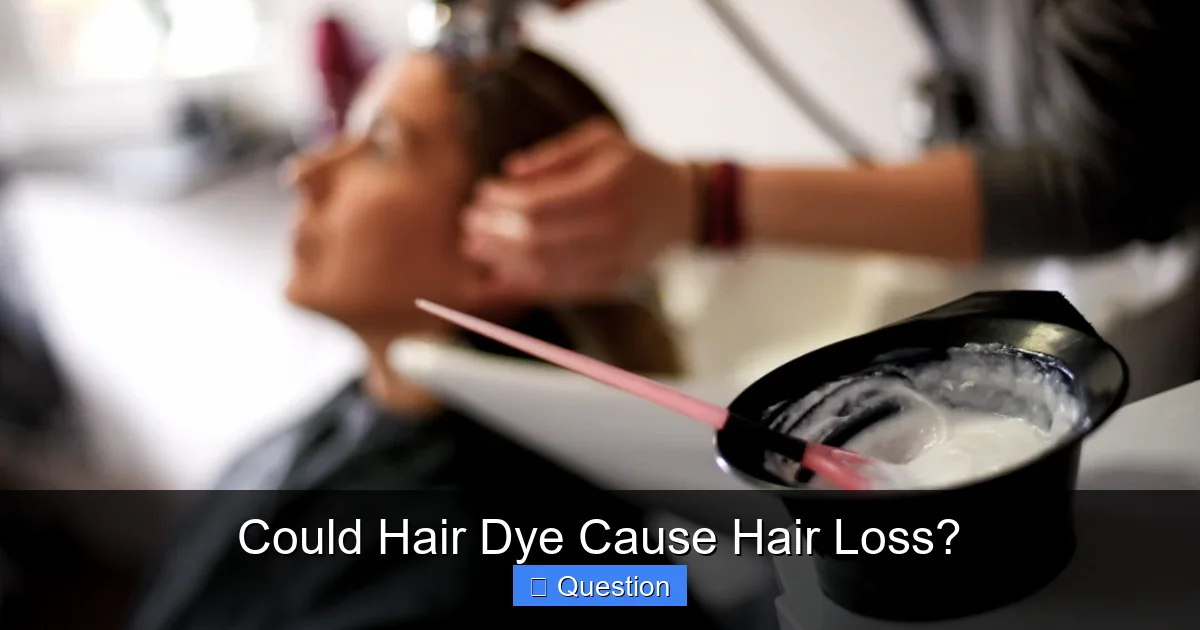
Many wonder, “Could hair dye cause hair loss?” The good news is that direct hair loss from the follicle due to dye is rare. More often, harsh chemicals in permanent dyes or bleach can lead to hair breakage, making your hair appear thinner or damaged, but not typically causing permanent shedding from the root. Proper application and aftercare are key to maintaining hair health while enjoying your favorite colors.
Could Hair Dye Cause Hair Loss? The Truth Behind Your Color Concerns
We’ve all been there: admiring a fresh new hair color in the mirror, feeling vibrant and confident. But then, a nagging thought creeps in. You might notice a few more strands on your brush or in the shower, and suddenly you’re wondering, “Could hair dye cause hair loss?” It’s a question many people with colored hair ask, and it’s completely valid. After all, we put our hair through a lot to achieve that perfect shade!
The relationship between hair dye and hair loss isn’t always straightforward. It’s a common misconception that dyeing your hair automatically leads to permanent hair loss. While it’s true that the chemicals in hair dye can be harsh and potentially damaging, they typically affect the hair strand itself, rather than directly attacking the follicle (the root) from which your hair grows. Understanding this distinction is key to putting your mind at ease and taking the best care of your colored locks.
In this comprehensive guide, we’ll dive deep into how hair dye works, what types of dyes carry the most risk, and under what circumstances they might contribute to what *looks* like hair loss. We’ll explore the difference between true hair loss and hair breakage, and most importantly, provide you with practical tips and best practices to keep your hair healthy, strong, and vibrant, even when you love to color it. Let’s unravel the mystery together!
Key Takeaways
- Hair Dye Primarily Causes Breakage, Not Follicle Hair Loss: While hair dye can damage the hair shaft, leading to breakage and thinner-looking hair, it rarely causes hair loss directly from the follicle unless there’s an allergic reaction or severe chemical burn.
- Bleach is a Major Contributor to Damage: Bleaching is the most aggressive chemical process, significantly weakening hair bonds and making strands highly susceptible to breakage, which can often be mistaken for hair loss.
- Over-processing is the Enemy: Applying dye too frequently, leaving it on too long, or overlapping applications onto previously dyed hair dramatically increases the risk of damage and breakage.
- Allergic Reactions Can Be Serious: Ingredients like PPD can cause severe scalp irritation, inflammation, and even temporary hair loss in sensitive individuals. Always perform a patch test.
- Proper Aftercare and Techniques are Crucial: Using high-quality products, deep conditioning, minimizing heat styling, and seeking professional application can significantly reduce the risk of dye-related damage.
- Underlying Health Matters: The overall health of your hair, scalp, and body (diet, stress, genetics) plays a big role in how well your hair withstands chemical treatments.
- Distinguish Breakage from Shedding: Pay attention to whether hair strands are breaking off mid-shaft (breakage) or falling out with the root attached (shedding) to better understand the cause of thinning.
📑 Table of Contents
- Understanding Hair Dye and Its Impact on Your Strands
- Types of Hair Dye and Their Potential Risks
- When Hair Dye *Does* Contribute to Hair Loss (and Why)
- Recognizing the Signs: Is It Dye-Related Hair Loss?
- Protecting Your Hair: Best Practices for Dyeing
- Beyond Dye: Other Causes of Hair Loss to Consider
- Final Thoughts: Enjoy Your Color Responsibly
Understanding Hair Dye and Its Impact on Your Strands
Hair dye works by altering the natural pigment of your hair. This process, especially with permanent dyes, involves a chemical reaction that can change the very structure of your hair. When done incorrectly or too frequently, this can indeed lead to visible damage. But what exactly happens when you color your hair?
The Chemical Dance of Hair Dye
At its core, hair is made of keratin, a strong protein. The color of your hair comes from melanin pigments. To change this color, hair dyes need to penetrate the outer layer of your hair, called the cuticle, to reach the cortex where melanin lives.
* Ammonia (or ammonia-free alternatives): This ingredient opens up the cuticle scales, allowing the dye to get inside. It’s a crucial step, but also one that can make hair more vulnerable.
* Peroxide (developer): This oxidizes the natural melanin, lightening it, and also helps to develop the new dye color molecules once they’re inside the hair shaft. Peroxide is a strong chemical and the higher its volume, the more intense the lightening action and potential for damage.
When these chemicals are applied, they can weaken the hair’s protein structure. Over time, or with improper use, this weakening can lead to a variety of issues that might make you think hair dye could cause hair loss.
Types of Hair Dye and Their Potential Risks
Not all hair dyes are created equal when it comes to their potential impact on your hair’s health. Understanding the differences can help you make more informed choices.
Permanent Hair Dyes
These are the most common type for significant color changes and grey coverage. They use ammonia and peroxide to open the cuticle and deposit color deep within the cortex.
- Risk: Highest potential for damage if misused. The chemical process permanently alters the hair structure. Repeated use can lead to dryness, brittleness, and breakage.
Demi-Permanent and Semi-Permanent Dyes
These dyes don’t use ammonia and use lower volumes of peroxide (demi-permanent) or no peroxide at all (semi-permanent). They deposit color on the outside of the hair shaft or just inside the cuticle.
- Risk: Much lower risk of damage compared to permanent dyes. Color fades more quickly, but they are gentler on the hair. They won’t lift natural color.
Temporary Hair Colors
These simply coat the outside of the hair shaft and wash out in one or two shampoos.
- Risk: Virtually no risk of chemical damage.
Bleaching
Often a prerequisite for vibrant colors or going significantly lighter, bleaching is a separate and highly aggressive chemical process. It uses strong peroxide (and sometimes other activators) to strip the natural melanin from the hair.
- Risk: Bleaching is arguably the most damaging chemical process you can put your hair through. It can severely weaken the hair’s disulfide bonds, making it extremely porous, brittle, and prone to breakage. This is where many people experience significant hair damage that they mistake for hair loss. If you bleach your hair, you need to be extra vigilant with aftercare.
When Hair Dye *Does* Contribute to Hair Loss (and Why)
Let’s be clear: genuine hair loss, where the hair follicle stops producing hair, is rarely a direct result of hair dye. However, dye can absolutely *contribute* to what appears to be hair loss through breakage and, in rare cases, scalp damage.
Hair Breakage vs. True Hair Loss
This is the most critical distinction.
- Hair Breakage (Telogen Effluvium-like appearance): This is the most common issue associated with hair dye. Chemical processes, especially bleaching and permanent dyeing, can weaken the hair shaft. This makes strands brittle and prone to breaking off at any point along their length, rather than shedding from the root. If you see short, broken pieces of hair, split ends that travel up the shaft, or a general reduction in hair density but still have a healthy scalp, it’s likely breakage. This makes your hair look thinner and less voluminous.
- True Hair Loss (Anagen Effluvium or Scarring Alopecia): This occurs when the hair follicle itself is damaged or stops functioning. This is much rarer with hair dye alone. If you notice complete bald patches, significant shedding from the root (hair strands with a small white bulb attached), or scalp irritation that persists, this is a more serious concern.
Factors That Can Lead to Dye-Related Damage and Breakage
-
Over-processing:
This is perhaps the biggest culprit. Applying dye too frequently, leaving it on for too long, or overlapping dye onto hair that has already been processed can cause immense stress. Each time you dye, you’re opening the cuticle. Too much of this, and the cuticle can become permanently lifted or compromised, leading to porous, weak hair that snaps easily.
Visual guide about Could Hair Dye Cause Hair Loss?
Image source: lasercap.com
-
Improper Application:
Dyeing your hair at home without proper knowledge can lead to uneven application, hotspots, or over-saturation, all of which can damage your hair. For example, applying bleach directly to previously bleached hair without care can cause severe breakage.
-
Allergic Reactions:
Ingredients like paraphenylenediamine (PPD), commonly found in permanent hair dyes, can trigger severe allergic reactions in some individuals. Symptoms can range from mild itching and redness to severe blistering, swelling, and burning of the scalp. In severe cases, this inflammation can damage hair follicles, leading to temporary or, in extremely rare and severe cases, permanent hair loss in the affected areas. This is why a patch test before every coloring session is non-negotiable!
-
Chemical Burns:
Leaving highly potent chemicals on the scalp for too long, or using overly strong formulations, can result in chemical burns. These burns can damage hair follicles and potentially lead to localized hair loss or scarring alopecia, where hair may not grow back.
-
Pre-existing Hair Damage or Weakness:
If your hair is already fragile, dry, or damaged from heat styling, environmental factors, or previous chemical treatments, adding dye on top of it will only exacerbate the problem. Starting with strong, healthy hair is crucial for minimizing dye-related issues.
-
Poor Hair Care Post-Dyeing:
Neglecting proper conditioning, using harsh shampoos, excessive heat styling, or vigorous brushing on wet, vulnerable hair can lead to breakage even if the dye application itself was flawless. Could hair dye cause hair loss? Not directly, but poor aftercare certainly contributes to the appearance of it.
Recognizing the Signs: Is It Dye-Related Hair Loss?
It’s important to differentiate between normal hair shedding and signs of damage or potential problems. We lose 50-100 hairs a day naturally, but if you’re concerned, look for these indicators:
- Excessive Breakage: You notice many short, broken strands in your brush, on your clothes, or in the shower. These pieces won’t have the small white bulb at the root. Your hair may feel rough, dry, and lack elasticity.
- Thinning in Specific Areas: If thinning is concentrated where dye was applied most heavily or where your hair is frequently processed (e.g., highlights around the face), it’s a red flag.
- Scalp Irritation: Persistent itching, redness, burning, flaking, or sores on your scalp after dyeing can indicate an allergic reaction or chemical burn. This needs immediate attention.
- Lack of Growth: If your hair seems stuck at a certain length or breaks off before it can grow, the dye might be compromising its integrity.
If you suspect severe damage or allergic reaction, it’s always best to consult a dermatologist or a trusted hair professional.
Protecting Your Hair: Best Practices for Dyeing
You don’t have to give up your love for vibrant hair color. With the right approach, you can minimize the risks and keep your hair looking and feeling healthy. Could hair dye cause hair loss if you follow these steps? Much less likely!
1. Patch Test, Every Time!
This is the golden rule. Apply a small amount of the dye mixture to a discreet area of skin (e.g., behind your ear or inner elbow) 48 hours before full application. Check for any redness, itching, or irritation. If you experience any reaction, do not use the product.
2. Choose Wisely: Gentler Dyes and Professional Expertise
- Consider Demi- or Semi-Permanent: If you’re not looking for a dramatic change or full grey coverage, these are much kinder to your hair.
- Opt for Ammonia-Free: Many brands now offer ammonia-free permanent dyes that use alternative alkalizing agents, which can be less harsh.
- Go to a Professional: A skilled colorist knows how to assess your hair’s condition, choose the right products, and apply dye precisely to minimize damage, especially when bleaching. They can avoid overlapping and ensure even saturation.
3. Condition, Condition, Condition!
Chemical processes strip moisture and proteins from your hair.
- Deep Conditioning Masks: Use a rich, hydrating hair mask at least once a week. Look for ingredients like keratin, argan oil, shea butter, and hyaluronic acid.
- Leave-in Conditioners: These provide an extra layer of protection and moisture, especially for ends.
- Bond-Building Treatments: Products containing ingredients like maleic acid or olaplex technology can help repair and strengthen the broken bonds within the hair shaft, especially beneficial after bleaching.
4. Space Out Your Treatments
Give your hair a break! Avoid dyeing too frequently. Aim for touch-ups every 6-8 weeks for roots, and only do full-head color refreshes every few months, if necessary. If you’re bleaching, allow even longer periods between sessions.
5. Minimize Heat Styling
Colored hair is more vulnerable to heat damage.
- Use Heat Protectant: Always apply a heat protectant spray or serum before using flat irons, curling irons, or blow dryers.
- Lower the Temperature: Use the lowest effective heat setting on your tools.
- Air Dry When Possible: Give your hair a rest from heat whenever you can.
6. Gentle Hair Care
- Sulfate-Free Shampoos: These are gentler on colored hair and help prevent color fading while maintaining moisture.
- Be Gentle When Wet: Hair is most fragile when wet. Blot it dry with a microfiber towel instead of vigorously rubbing, and use a wide-tooth comb to detangle, starting from the ends and working your way up.
- Avoid Tight Hairstyles: Constantly pulling your hair into tight ponytails or braids can cause tension and breakage, especially on chemically treated hair.
7. Healthy Lifestyle, Healthy Hair
Your hair’s health starts from within.
- Balanced Diet: Eat plenty of protein, vitamins (especially A, C, D, E, B vitamins), and minerals (iron, zinc). Foods like leafy greens, berries, nuts, seeds, and lean proteins are excellent for hair.
- Stay Hydrated: Drink plenty of water.
- Manage Stress: Chronic stress can contribute to various types of hair loss, including telogen effluvium, which is general shedding.
Beyond Dye: Other Causes of Hair Loss to Consider
While we’ve focused on “could hair dye cause hair loss,” it’s important to remember that hair thinning and loss can stem from many other factors completely unrelated to your color. If you’re experiencing significant hair loss, it’s worth exploring these common causes:
- Genetics: Androgenetic alopecia (male or female pattern baldness) is the most common cause of hair loss and is largely hereditary.
- Hormonal Changes: Pregnancy, childbirth, menopause, thyroid disorders, and polycystic ovary syndrome (PCOS) can all trigger hair loss.
- Stress: Severe physical or emotional stress can lead to a type of temporary hair loss called telogen effluvium.
- Nutritional Deficiencies: Lack of iron, protein, zinc, or certain vitamins can impact hair growth.
- Medical Conditions & Medications: Autoimmune diseases, skin conditions, and certain medications can cause hair loss.
- Harsh Styling Practices: Constant tight hairstyles, excessive heat, and rough brushing can cause traction alopecia or physical damage.
If you’re truly concerned about hair loss, especially if it’s accompanied by bald patches, scalp pain, or excessive shedding from the root, consult a doctor or dermatologist. They can help diagnose the underlying cause and recommend appropriate treatments.
Final Thoughts: Enjoy Your Color Responsibly
So, could hair dye cause hair loss? While direct, permanent hair loss from the follicle due to hair dye is rare, the chemicals involved, especially bleach and permanent dyes, can significantly damage the hair shaft, leading to breakage. This breakage can make your hair look thinner, sparser, and less healthy, often leading to the *feeling* of hair loss.
The key to enjoying vibrant, colored hair without undue worry is to be informed, choose your products wisely, prioritize professional application when possible, and commit to a diligent aftercare routine. Treat your hair with kindness, listen to its needs, and remember that healthy hair is strong hair – no matter what color it is!
Frequently Asked Questions
Can hair dye cause permanent hair loss?
Permanent hair loss from hair dye is very rare. It would typically only occur in cases of severe chemical burns or allergic reactions that cause irreversible damage to the hair follicles, which are the structures that grow hair.
Is it normal for hair to fall out after dyeing?
You might notice some increased breakage or shedding after dyeing, especially if your hair was previously fragile or if the process was harsh. However, excessive shedding or hair coming out from the root is not typical and warrants investigation.
Which type of hair dye is safest for preventing hair loss?
Temporary or semi-permanent dyes are generally the safest as they don’t involve harsh chemicals like ammonia or high volumes of peroxide, making them less damaging to the hair shaft and scalp.
How can I protect my hair when dyeing to avoid damage?
Always perform a patch test, choose gentler dye formulations (like ammonia-free), space out your coloring sessions, use deep conditioning treatments regularly, and minimize heat styling to protect your hair.
Can bleaching lead to hair loss?
Bleaching is a very aggressive chemical process that can severely weaken hair, making it extremely prone to breakage. While it rarely causes hair to fall out from the follicle, the extensive breakage can make hair appear significantly thinner and be mistaken for hair loss.
What should I do if I suspect hair dye has caused my hair to thin or break?
If you notice significant thinning, breakage, or scalp irritation after dyeing, stop using the product, focus on intensive conditioning, and consider consulting a professional hair stylist, dermatologist, or doctor to assess the damage and recommend a recovery plan.