
Do Braids Help Your Hair Grow?
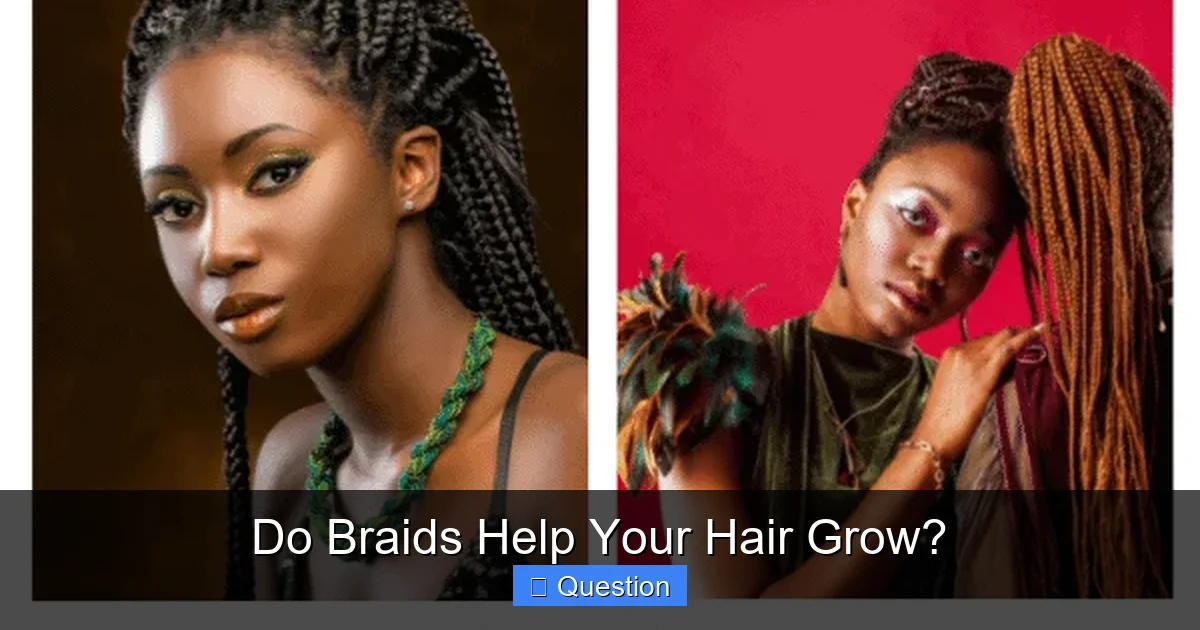
Many people ask, “Do braids help your hair grow?” The truth is, braids don’t directly stimulate hair growth from the scalp. Hair growth is an internal biological process. However, braids are incredibly effective as a protective style, significantly reducing breakage, friction, and daily manipulation. This protection allows your hair to retain its length, making it *appear* to grow faster because you’re losing less hair to damage.
Have you ever looked at someone with luscious, long braids and wondered, “Do braids help your hair grow?” It’s a question that pops up in conversations about hair health all the time, especially in communities that embrace protective styling. There’s a widespread belief that braiding your hair can somehow magically speed up its growth, leading to Rapunzel-like locks in no time.
But what’s the real story behind this popular notion? Is it a myth, a misunderstanding, or a genuine secret weapon for achieving longer hair? Let’s dive deep into the world of hair science and protective styling to unravel the truth and give you a clear, easy-to-understand answer. Get ready to learn how braids truly impact your hair’s journey to length and health!
Key Takeaways
- Braids Don’t Directly Stimulate Growth: Hair growth is determined by genetics, diet, and overall health, not by braiding itself. Braids cannot make your hair grow faster from the scalp.
- Braids Promote Length Retention: The primary benefit of braids for hair length is protection. By shielding your hair from daily manipulation, environmental damage, and friction, braids significantly reduce breakage.
- Reduced Breakage Leads to Perceived Growth: When you experience less breakage, your hair is able to retain more of its length. This retention often creates the *illusion* that your hair is growing faster, as you’re seeing more overall length.
- Proper Installation and Maintenance are Crucial: To truly benefit from braids, they must be installed correctly (not too tight!), moisturized regularly, and kept clean. Poorly installed or neglected braids can cause damage and breakage.
- Scalp Health is Paramount: A healthy scalp is the foundation for healthy hair growth. Ensure your scalp is clean, moisturized, and free from tension while in braids.
- Take Breaks Between Styles: Constantly keeping your hair in braids without breaks can strain the scalp and hair follicles. Allow your hair to breathe and be loose for periods between protective styles.
- Avoid Excessive Tension: Braids that are too tight can lead to traction alopecia, a form of hair loss caused by prolonged pulling on the hair follicles. Always prioritize comfort over tightness.
📑 Table of Contents
- The Truth About Hair Growth: What You Need to Know
- How Braids *Actually* Influence Hair Length
- The Protective Power of Braids: Minimizing Damage
- Best Practices for Healthy Braiding to Maximize Length
- Common Braiding Mistakes That Hinder Hair Growth
- Beyond Braids: A Holistic Approach to Hair Health and Growth
The Truth About Hair Growth: What You Need to Know
Before we talk about braids, it’s essential to understand how hair actually grows. Your hair growth journey starts not at the ends, but deep within your scalp, specifically in the hair follicles. Each follicle goes through a cycle with three main phases:
The Hair Growth Cycle
- Anagen (Growth Phase): This is the active growth stage, where hair cells divide rapidly, forming new hair strands. This phase can last anywhere from two to seven years, and its length is largely determined by genetics.
- Catagen (Transition Phase): A short transitional phase where hair growth stops, and the follicle shrinks. This lasts about two to three weeks.
- Telogen (Resting Phase): During this phase, the hair strand is fully formed but inactive. Eventually, the old hair falls out, and a new hair begins to grow in the follicle, restarting the anagen phase. This usually lasts around three months.
Your hair typically grows about half an inch per month, on average. This rate is influenced by a combination of factors, including your genetics, age, hormones, nutrition, and overall health. Braiding your hair doesn’t change your genetic blueprint or alter the biological processes happening within your scalp. So, to answer the initial query directly: no, braids themselves don’t *make* your hair grow faster from the root.
How Braids *Actually* Influence Hair Length
If braids don’t speed up growth, why do so many people swear by them for achieving longer hair? The key lies in understanding the difference between hair *growth* and hair *length retention*.
Growth vs. Length Retention
Imagine your hair as a delicate plant. It grows at a steady rate from the soil (your scalp). If the leaves keep breaking off, even if the plant is growing, it won’t appear to be getting taller. Hair works similarly.
Visual guide about Do Braids Help Your Hair Grow?
Image source: livinggorgeous.com
While your hair is constantly growing from the scalp at its genetically predetermined rate, external factors can cause the older, more fragile ends to break off. Things like brushing, heat styling, friction from clothing, environmental exposure, and even just daily manipulation can lead to breakage. When the rate of breakage equals or exceeds the rate of growth, your hair seems to stay the same length or even get shorter.
This is where braids come into play. Braids excel at length retention. By keeping your hair tucked away, protected, and relatively undisturbed, they minimize the amount of breakage you experience. When you’re consistently retaining more length than you’re losing, your hair will appear to be growing longer and healthier. It’s not that your hair is growing faster; it’s that you’re *keeping* more of the hair that has grown.
The Protective Power of Braids: Minimizing Damage
The true magic of braids for hair length lies in their ability to act as a protective shield. Let’s break down how they safeguard your strands:
Reducing Mechanical Damage
Think about how often you touch your hair in a day: brushing, combing, styling, running your fingers through it. Each of these actions, no matter how gentle, can cause some degree of friction and stress on the hair shaft, leading to split ends and breakage. When your hair is braided, it’s largely left alone. This dramatically cuts down on daily manipulation and the associated wear and tear.
Shielding from Environmental Stressors
Your hair faces a daily barrage of environmental aggressors: sun, wind, cold, humidity, and pollution. The sun’s UV rays can degrade hair proteins, wind can cause tangles and knots, and extreme temperatures can strip moisture. Braids act as a physical barrier, protecting your hair from direct exposure to these elements, especially your delicate ends, which are the oldest and most vulnerable parts of your hair.
Minimizing Friction
Your hair is constantly rubbing against clothing, pillowcases, and furniture. This friction, especially if you’re not using silk or satin pillowcases, can rough up the hair cuticle, leading to frizz, dryness, and breakage. Braids keep your hair contained, reducing this constant rubbing and allowing the cuticles to remain smoother.
Best Practices for Healthy Braiding to Maximize Length
Just putting your hair in braids isn’t enough; doing it correctly is crucial to reap the benefits and avoid damage.
Choose the Right Style and Size
Not all braids are created equal. Consider the size and tension. Smaller braids, like micro-braids, can put more tension on individual strands and take longer to install, potentially leading to breakage during the process. Larger, looser braids might be less protective. Find a balance that suits your hair type and lifestyle, ensuring the braids aren’t too heavy for your hair.
Prioritize Gentle Installation
This is perhaps the most critical factor. Braids should *never* be painful. If your braids are installed too tightly, they pull on your scalp and hair follicles, leading to inflammation, irritation, and potentially a condition called traction alopecia – a type of hair loss caused by repeated tension. Speak up if a braider is pulling too hard. The goal is neatness, not tightness.
Moisturize Your Hair and Scalp Regularly
Even though your hair is braided, it still needs moisture. Use a lightweight leave-in conditioner, hair milk, or a water-based moisturizer mixed with a sealing oil (like jojoba, almond, or argan oil) to keep your hair hydrated. Don’t forget your scalp! A healthy scalp fosters healthy hair growth. Apply a light oil to your scalp to keep it moisturized and prevent dryness and itching.
Keep Your Scalp Clean
Product buildup, sweat, and environmental debris can accumulate on your scalp, even in braids. This can lead to itching, odor, and even hinder healthy hair growth. Gently cleanse your scalp regularly using a diluted shampoo or a specific braid spray cleanser. Rinse thoroughly and allow your scalp to air dry completely to prevent mildew.
Don’t Keep Braids in Too Long
While braids are protective, they aren’t meant to be permanent. Keeping them in for too long (generally more than 6-8 weeks, depending on the style and your hair type) can lead to excessive new growth, making the braids heavy, tangling the hair at the roots, and potentially causing more damage during take-down. It also makes it harder to properly cleanse your scalp.
Protect at Night
Just like with loose hair, protect your braided style at night. Sleep on a silk or satin pillowcase or wear a silk/satin bonnet or scarf. This reduces friction against your bedding, helps retain moisture, and keeps your braids looking neat longer.
Common Braiding Mistakes That Hinder Hair Growth
While braids can be beneficial, certain practices can turn them into a hair villain.
Too Much Tension
As mentioned, overly tight braids are a major culprit for damage. They strain the hair follicles, leading to discomfort, headaches, and ultimately, hair loss around the hairline and temples. Always ensure your braids feel comfortable, not painful.
Neglecting Hair and Scalp
Thinking that “out of sight, out of mind” applies to braided hair is a big mistake. Just because your hair is tucked away doesn’t mean it doesn’t need care. Failing to moisturize and cleanse can lead to dry, brittle hair that breaks when you take the braids down, and an unhealthy, itchy scalp.
Leaving Braids in for Too Long
Beyond the recommended duration, your natural hair will continue to grow, causing the braids to loosen and slip down the hair shaft. This new growth can become severely tangled, matted, and form single-strand knots, making the take-down process a nightmare and leading to significant breakage.
Improper Take-Down
The take-down process is just as important as the installation. Rushing or pulling your braids out can undo all the protection they provided. Be patient, use a good detangling product, and gently unbraid section by section. You will shed a lot of hair – this is normal, as you’re shedding hair that would have naturally fallen out over the weeks you had the braids in.
Not Giving Your Hair a Break
Continuously moving from one braided style to another without allowing your hair to breathe and recover can stress your strands and follicles. Give your hair a break of a few weeks between protective styles, focusing on deep conditioning treatments and scalp massages during this time.
Beyond Braids: A Holistic Approach to Hair Health and Growth
While braids are a fantastic tool for length retention, they are just one piece of the puzzle. True hair growth and health come from a holistic approach.
Healthy Diet and Hydration
What you eat directly impacts your hair. Ensure your diet is rich in proteins, vitamins (especially A, C, D, E, and B vitamins like biotin), and minerals (iron, zinc). Foods like leafy greens, berries, eggs, fatty fish, nuts, and seeds are excellent for hair health. And don’t forget to drink plenty of water!
Minimize Heat Styling
Excessive heat from flat irons, curling wands, and even blow dryers can damage the hair’s protein structure, leading to dryness and breakage. If you must use heat, always apply a heat protectant.
Regular Trims
While counter-intuitive for length, regular trims (every 3-4 months) can prevent split ends from traveling up the hair shaft and causing more significant breakage. Trimming the ends doesn’t make your hair grow faster, but it helps maintain healthy hair that can retain length.
Stress Management
High stress levels can disrupt the hair growth cycle, potentially leading to increased shedding (telogen effluvium). Practices like meditation, yoga, or simply taking time for hobbies can help manage stress.
Scalp Care
A healthy scalp is the foundation for healthy hair. Incorporate regular scalp massages to stimulate blood flow, use clarifying shampoos to remove buildup, and consider scalp treatments if you deal with specific issues like dandruff or excessive oiliness.
In conclusion, the answer to “Do braids help your hair grow?” is nuanced. Braids do not magically accelerate the biological process of hair growth. That rate is set by your genetics and overall health. However, braids are incredibly effective as a protective style, drastically reducing breakage and helping your hair retain the length it *does* grow. When done correctly and cared for properly, braids can be a powerful ally in your journey towards longer, healthier hair. Remember, patience, consistency, and a holistic approach to hair care are your best friends in this journey.
Frequently Asked Questions
How often should I wash my hair while in braids?
You should wash your scalp and braids every 1-2 weeks, or more frequently if you exercise a lot or have an oily scalp. Use a diluted shampoo or a braid cleansing spray, focusing on the scalp, then rinse thoroughly and allow to air dry completely to prevent mildew.
How long should I keep my braids in?
The ideal duration for braids is generally 4-8 weeks. Any longer than this can lead to excessive new growth, tangling at the roots, and make the take-down process more damaging, potentially causing breakage.
Can braids cause hair loss?
Yes, if installed too tightly, braids can cause traction alopecia, a form of hair loss due to constant pulling on the hair follicles, particularly around the hairline. Always ensure your braids are comfortable and don’t cause pain or headaches.
What should I do for my hair after taking out braids?
After removing braids, gently detangle your hair, deep condition with a restorative mask to replenish moisture, and consider a light trim to remove any frayed ends. Give your hair a break of at least 1-2 weeks before installing another protective style.
Do certain types of braids help with hair growth more than others?
No particular braid type directly promotes hair growth more than another. The key is how gently they are installed and maintained. Looser, medium-sized braids that don’t put excessive tension on the scalp are generally preferred for health and length retention.
Is it normal to see a lot of shed hair when taking down braids?
Yes, it’s completely normal to see a significant amount of shed hair when taking down braids. On average, you shed 50-100 strands of hair daily. All that shed hair accumulates within your braids, so when you undo them, it all comes out at once, which can appear alarming but is typically just accumulated natural shedding.