
Does Hair Transplant Hurt?
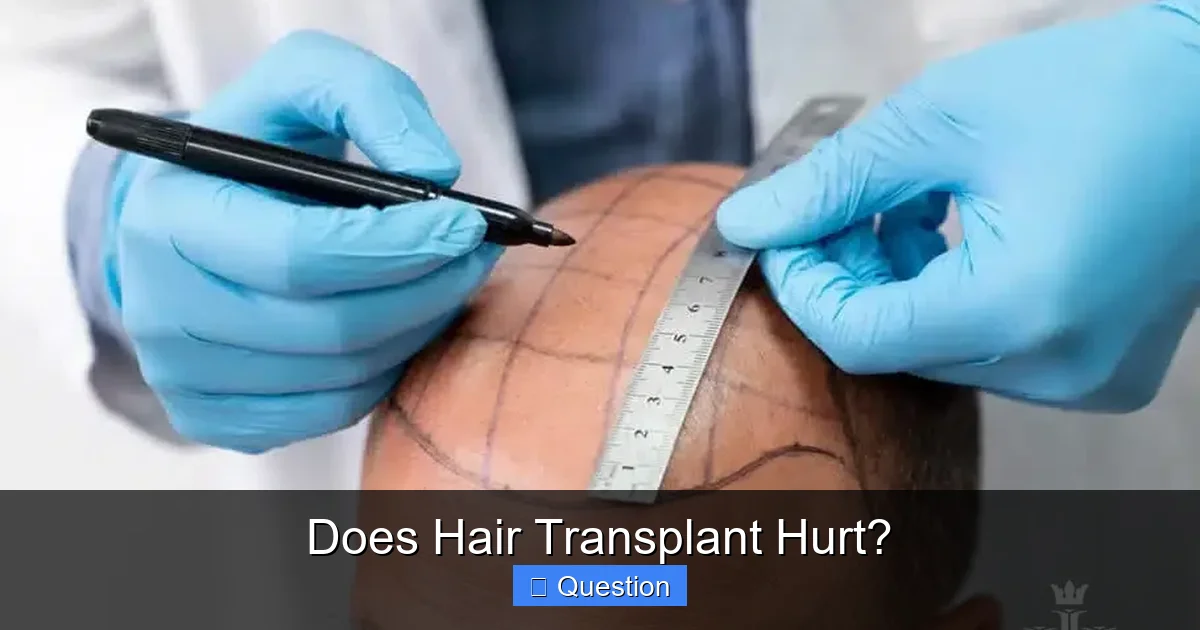
The question, “Does hair transplant hurt?” is a common one, and the reassuring answer is that severe pain is generally not experienced. During the procedure, local anesthesia ensures you feel minimal to no pain, often compared to a dental visit. Post-procedure, discomfort is typical but manageable with prescribed medications and proper aftercare, making the recovery process quite smooth for most patients.
You’ve been thinking about a hair transplant, envisioning a fuller head of hair, renewed confidence, and a younger-looking you. It’s an exciting prospect, but then a very natural question pops into your mind: “Does hair transplant hurt?” It’s a valid concern, and one that nearly every potential patient asks. After all, nobody wants to willingly sign up for pain!
Let me put your mind at ease right from the start: while a hair transplant isn’t entirely “pain-free,” it’s far from the excruciating experience some might imagine. Modern hair transplant procedures are remarkably sophisticated, with patient comfort being a top priority for clinics and surgeons worldwide. The vast majority of patients report only mild discomfort, which is easily managed. Think of it less like a painful ordeal and more like a series of sensations that are generally tolerable.
In this comprehensive guide, we’re going to dive deep into what you can truly expect regarding pain during and after a hair transplant. We’ll explore the different phases of the procedure, discuss the sensation you might feel, and share practical tips for managing any discomfort. Our goal is to demystify the process so you can approach your decision with confidence and a clear understanding of what lies ahead. So, let’s get into the nitty-gritty of “Does hair transplant hurt?” and uncover the truth.
Key Takeaways
- Minimal Pain During Procedure: Thanks to local anesthesia, patients typically feel little to no pain during a hair transplant. The most you might feel is a slight pinch during the initial numbing injections.
- Manageable Post-Procedure Discomfort: After the anesthesia wears off, it’s normal to experience some discomfort, soreness, or tightness in the donor and recipient areas. This is usually mild to moderate and well-managed with over-the-counter or prescribed pain medication.
- Two Main Techniques (FUE vs. FUT): Both Follicular Unit Extraction (FUE) and Follicular Unit Transplantation (FUT) procedures are performed under local anesthesia. FUT might involve slightly more post-operative discomfort due to the linear incision in the donor area, but both are generally tolerable.
- Importance of Aftercare: Adhering to your surgeon’s aftercare instructions is crucial for minimizing discomfort and ensuring a smooth recovery. This includes proper washing, sleeping positions, and avoiding strenuous activities.
- Pain Management Strategies: Your surgeon will provide specific instructions for pain relief, which may include prescription painkillers for the first few days and recommending over-the-counter options like ibuprofen or paracetamol for ongoing mild discomfort.
- Individual Pain Threshold Varies: While most patients report manageable discomfort, individual pain tolerance plays a role. Clinics prioritize patient comfort, and effective pain relief protocols are standard.
- Long-Term Results Outweigh Temporary Discomfort: For many, the minor, temporary discomfort associated with a hair transplant is a small price to pay for the long-lasting confidence and natural-looking results they achieve.
📑 Table of Contents
The Truth About Pain During the Hair Transplant Procedure
When most people ask, “Does hair transplant hurt?”, they’re usually picturing the actual surgery itself. The good news? The procedure itself is surprisingly comfortable for most patients. This is all thanks to a very important element: local anesthesia.
How Local Anesthesia Makes it Comfortable
Imagine going to the dentist for a filling. The first thing they do is numb the area around your tooth, right? You feel a tiny pinch or sting from the injection, but then the whole area goes numb, and you don’t feel anything during the actual drilling. A hair transplant works in much the same way.
Before any extraction or implantation begins, the surgeon will carefully inject a local anesthetic into both your donor area (where the hair follicles are taken from) and your recipient area (where they will be implanted). These injections are usually the most “painful” part of the entire procedure, but even then, it’s typically described as a series of quick, sharp pinches or stings. Most patients rate this sensation as a 2-3 out of 10 on a pain scale. Once the anesthetic kicks in, which usually takes just a few minutes, these areas become completely numb. You might feel pressure or movement, but no sharp pain.
The Extraction Phase: What You’ll Feel
During the extraction phase, whether you’re undergoing Follicular Unit Extraction (FUE) or Follicular Unit Transplantation (FUT), the donor area is completely numb. For FUE, individual follicular units are carefully extracted. You won’t feel pain, but you might feel a mild pulling or pressure sensation as the surgeon works. It’s generally not bothersome, and many patients even drift off to sleep or watch a movie during this part. For FUT, a strip of skin is removed, but again, with proper numbing, you won’t feel the incision itself. You might feel some pressure.
The Implantation Phase: What to Expect
Once the grafts are prepared, the surgeon will make tiny incisions or “recipient sites” in the balding areas, and then meticulously place each individual graft. This area is also thoroughly numbed. Again, you won’t feel any pain from the incisions or the placement of the grafts. You might feel a slight pressure as the surgeon works, or hear the gentle click of instruments, but no sharp pain. Most patients find this part of the procedure quite tolerable, often remarking how quickly the day goes by despite the meticulous nature of the work.
Understanding Post-Procedure Discomfort and Pain
So, does hair transplant hurt *after* the anesthesia wears off? This is where the answer shifts slightly. Yes, you will experience some discomfort, but it’s crucial to understand that “discomfort” is different from severe pain. Most patients describe it as soreness, tightness, or a dull ache rather than sharp, debilitating pain.
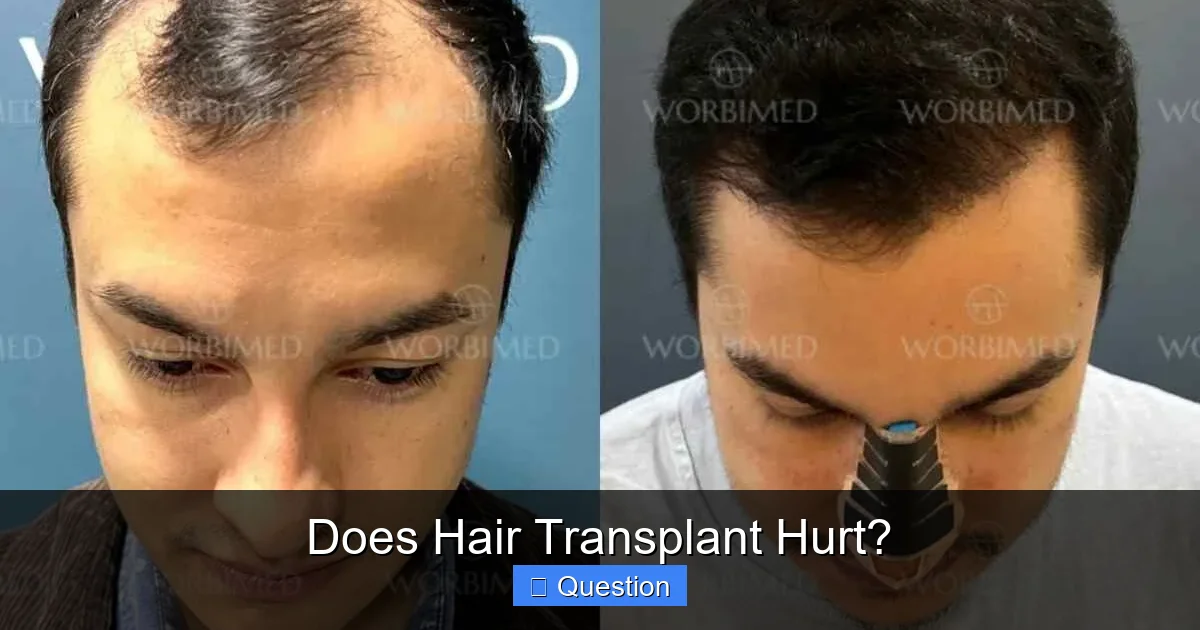
Visual guide about Does Hair Transplant Hurt?
Image source: articlesubmited.com
Immediate Aftermath: The First Few Hours
As the local anesthesia gradually wears off, usually a few hours after the procedure, you’ll start to feel sensations returning. The first sensation is often a feeling of tightness or tenderness in both the donor and recipient areas. It can feel a bit like a mild sunburn or a muscular ache. Your surgeon will likely send you home with prescription pain medication, and it’s wise to take the first dose before the numbness completely fades, to stay ahead of any potential discomfort.
Days 1-3: The Peak of Discomfort
The first 1 to 3 days post-surgery are typically when patients report the most discomfort. The donor area, especially after a FUT procedure due to the linear incision, might feel more sore and tight. FUE patients usually experience a more diffused soreness across the shaved donor area. The recipient area might feel swollen, tight, and slightly numb due to the numerous tiny incisions. Some patients also experience itching as the tiny scabs begin to form.
- Donor Area (FUE): Like a mild sunburn or general tenderness.
- Donor Area (FUT): More localized tightness and soreness around the incision line.
- Recipient Area: Swelling, numbness, and a ‘pins and needles’ sensation as nerves regenerate.
Weeks 1-2: Gradually Improving
By the end of the first week, most of the acute discomfort should have significantly reduced. You’ll likely transition from prescription pain medication to over-the-counter options if needed. The swelling will start to subside, and the scabs in the recipient area will begin to flake off. You might still experience some numbness, particularly in the donor area, which can last for several weeks or even a few months as the nerves heal. Itching is a common complaint during this phase as the skin heals, but it’s important not to scratch.
Long-Term Sensations: Numbness and Itching
Don’t be surprised if you experience some intermittent numbness or a tingling sensation in your scalp for several weeks or even months after the procedure. This is completely normal and a sign that your nerves are regenerating. Persistent itching can also occur, which your clinic can advise you on managing with specific shampoos or topical solutions.
Managing Discomfort and Pain Effectively
The key to a smooth recovery and minimizing the answer to “Does hair transplant hurt?” is effective pain management. Your surgeon and clinic will provide you with a comprehensive aftercare plan designed to keep you as comfortable as possible.
Prescription Pain Relievers
For the initial few days, your surgeon will likely prescribe stronger pain medication. It’s crucial to take these as directed, even if you feel okay, to prevent pain from flaring up. Don’t wait for the pain to become severe before taking your medication.
Over-the-Counter Options
As the initial discomfort subsides, you’ll usually transition to over-the-counter pain relievers like ibuprofen (e.g., Advil, Motrin) or paracetamol (e.g., Tylenol). Always follow the dosage instructions on the packaging and consult your clinic if you have any questions or concerns about combining medications.
Cold Compresses and Swelling Management
Swelling, especially around the forehead and eyes, is common after a hair transplant. Applying cold compresses (never directly to the grafts!) to your forehead can help reduce swelling and provide some comfort. Your surgeon might also prescribe anti-inflammatory medication or recommend specific sleeping positions (elevated head) to minimize swelling.
Proper Sleeping Positions
To protect your newly implanted grafts and reduce swelling, you’ll be advised to sleep with your head elevated (at a 45-degree angle) for the first few nights, often using a neck pillow. This can feel a little awkward, but it’s vital for a good outcome and can also help with discomfort. Avoiding pressure on the donor area is also important, especially for FUT patients.
Gentle Washing and Aftercare
Your clinic will provide specific instructions for gently washing your scalp. This is crucial for keeping the area clean, preventing infection, and promoting healing. Gentle washing can also help alleviate itching and remove scabs, which might otherwise contribute to discomfort. Avoid harsh scrubbing or picking at scabs.
For example, you might be instructed to use a specific mild shampoo and gently dab it onto your scalp, letting it sit for a few minutes before rinsing with a very light stream of water. Following these detailed instructions carefully makes a huge difference in your comfort levels.
Factors Influencing Your Comfort Levels
While we’ve established that “Does hair transplant hurt?” generally has a reassuring answer, it’s also true that individual experiences can vary slightly. Several factors can influence the level of discomfort you might feel.
The Hair Transplant Technique: FUE vs. FUT
The two primary hair transplant techniques are Follicular Unit Extraction (FUE) and Follicular Unit Transplantation (FUT).
- FUE (Follicular Unit Extraction): This technique involves extracting individual hair follicles one by one. The donor area is typically shaved, and while there are many tiny incisions, there’s no linear scar. Patients often report less post-operative pain and a quicker recovery time for the donor area compared to FUT. Discomfort is generally described as a widespread soreness, like a sunburn.
- FUT (Follicular Unit Transplantation): This involves removing a strip of skin from the donor area, from which the follicles are then harvested. This technique results in a linear scar. While highly effective, some patients report slightly more post-operative discomfort in the donor area due to the incision and stitches. This discomfort is often described as tightness or a pulling sensation.
Your surgeon will discuss which technique is best for your specific case, and this discussion should also include expectations regarding post-operative sensations.
Surgeon’s Expertise and Clinic Standards
An experienced and skilled hair transplant surgeon, supported by a competent medical team, plays a significant role in minimizing discomfort. A good surgeon will:
- Administer local anesthesia effectively and comfortably.
- Perform the extractions and implantations with precision and care, minimizing tissue trauma.
- Provide clear, detailed aftercare instructions and support.
- Offer appropriate pain management protocols.
Choosing a reputable clinic with high standards of patient care can make a substantial difference in your overall experience regarding “Does hair transplant hurt?”.
Individual Pain Threshold
Everyone’s body is different, and so is our pain tolerance. What one person considers mild discomfort, another might perceive as moderate. If you generally have a low pain threshold, it’s important to communicate this with your surgeon during your consultation. They can then tailor their approach to pain management more precisely for you.
Adherence to Aftercare Instructions
This cannot be stressed enough: meticulously following your post-operative care instructions is crucial. Failing to take prescribed medications, not sleeping in the recommended position, or not gently washing your scalp can increase discomfort, prolong swelling, and potentially lead to complications. Your recovery is a team effort between you and your clinic.
The Payoff: Why the Minor Discomfort is Worth It
By now, we’ve hopefully answered “Does hair transplant hurt?” with a reassuring “not really, it’s mostly discomfort.” And for many, this temporary discomfort is a small price to pay for the life-changing results of a successful hair transplant. The benefits extend far beyond just having more hair.
Renewed Confidence and Self-Esteem
Hair loss can significantly impact a person’s self-esteem and confidence. A successful hair transplant can restore a fuller hairline and density, leading to a dramatic boost in how you feel about yourself. Patients often report feeling younger, more attractive, and more confident in social and professional settings.
Natural-Looking and Lasting Results
Modern hair transplant techniques deliver incredibly natural-looking results. The transplanted hair grows just like your natural hair and can be styled, cut, and treated normally. These results are typically long-lasting, as the transplanted follicles are usually resistant to the hormone that causes pattern baldness. The temporary discomfort fades, but the beautiful results remain.
An Investment in Yourself
Thinking about a hair transplant is an investment – an investment of time, money, and a little bit of temporary discomfort. But for many, it’s an investment in their happiness, well-being, and quality of life. The psychological benefits of restoring your hair can be profound and contribute to a more positive outlook on life.
Conclusion: Setting Realistic Expectations
So, does hair transplant hurt? The overarching answer is that severe pain is rare, and while discomfort is expected, it’s generally manageable. The procedure itself is made comfortable with local anesthesia, and any post-operative soreness can be effectively controlled with medication and proper aftercare.
It’s important to approach your hair transplant journey with realistic expectations. Understand that there will be a recovery period involving some mild to moderate discomfort, swelling, and possibly itching. However, by choosing an experienced surgeon, adhering to all post-operative instructions, and utilizing the pain management strategies provided, your experience can be remarkably smooth and tolerable. Remember, the temporary sensations give way to permanent, natural-looking results that can truly transform your life. If you’re still on the fence, we encourage you to have an open conversation with a qualified hair transplant specialist to address any remaining concerns and get personalized advice.
Frequently Asked Questions
Does the local anesthesia injection hurt?
The local anesthesia injections are typically the most sensation-provoking part of the procedure. Patients often describe them as quick, sharp pinches or stings, similar to a dental injection, but these sensations quickly subside as the area becomes numb.
How long does the numbness last after a hair transplant?
The numbness from the local anesthesia typically lasts for several hours after the procedure. However, it’s common to experience some residual numbness or altered sensation in the donor and recipient areas for several weeks or even months as the nerves heal and regenerate.
What type of pain medication will I receive after the surgery?
Your surgeon will likely prescribe stronger pain medication for the first few days post-surgery, especially for FUT patients, to manage any acute discomfort. After this initial period, over-the-counter pain relievers like ibuprofen or paracetamol are usually sufficient to manage mild soreness.
Is the itching common after a hair transplant?
Yes, itching in both the donor and recipient areas is a very common sensation during the healing process, particularly as scabs form and begin to flake off. Your clinic will provide specific instructions or topical solutions to help manage itching without disturbing the grafts.
Can I go back to work immediately after a hair transplant?
While the actual “pain” might be minimal, it’s generally recommended to take 3-7 days off work, especially if your job is physically demanding or requires public interaction. This allows for initial healing, swelling reduction, and ensures you can follow crucial aftercare instructions like sleeping upright.
What if I have a low pain tolerance? Can I still get a hair transplant?
Absolutely! If you have a low pain tolerance, it’s important to communicate this with your surgeon during your consultation. They can discuss options like stronger sedation during the procedure or more robust pain management strategies to ensure your comfort throughout the process.