
Does Keratin Treatment Damage Hair?
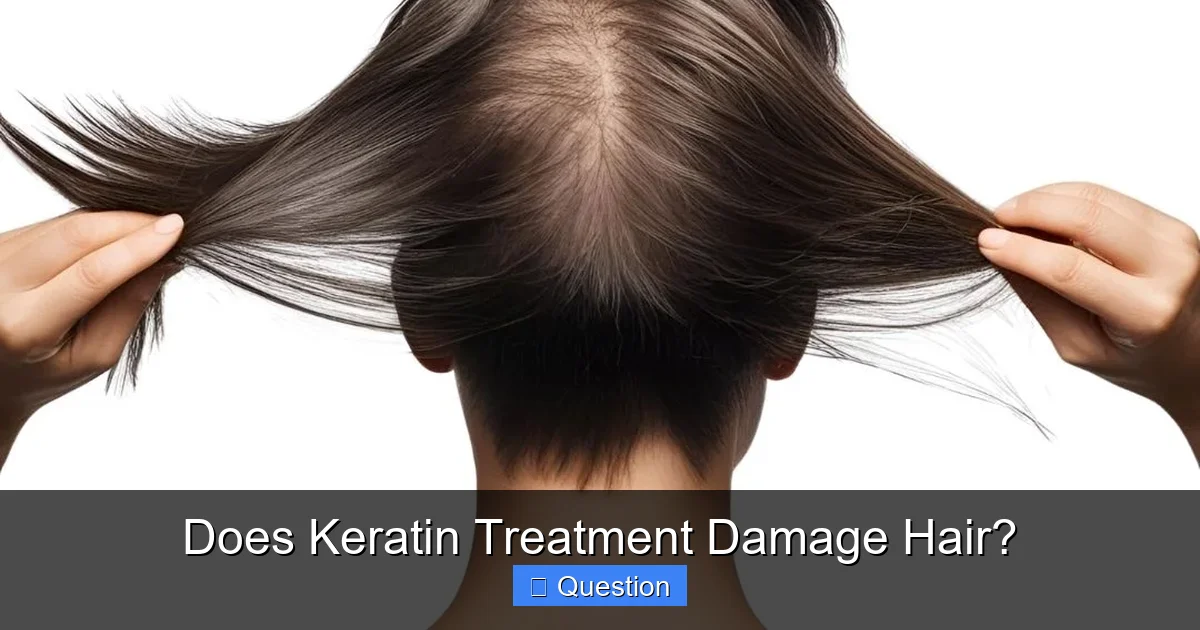
Does keratin treatment damage hair? The answer isn’t a simple yes or no. While a properly applied, high-quality keratin treatment by a skilled professional, followed by excellent aftercare, generally won’t damage healthy hair, there are definite risks. Factors like harsh chemicals (especially formaldehyde), excessive heat during application, repeated treatments, or poor aftercare can indeed lead to dryness, breakage, and thinning. It’s crucial to understand the process and choose wisely.
Does Keratin Treatment Damage Hair? Unraveling the Truth Behind Smooth Locks
Who doesn’t dream of effortlessly sleek, frizz-free hair that practically styles itself? The promise of perfectly smooth, shiny, and manageable hair without the daily struggle is incredibly alluring. For many, keratin treatments seem like the magic wand to achieve this very dream. You walk into a salon with frizzy, unruly hair and emerge hours later with locks that look like they belong in a shampoo commercial. It’s no wonder these treatments have soared in popularity.
But with great beauty comes great responsibility – and often, a nagging question: “Does keratin treatment damage hair?” This concern is perfectly valid. We’ve all heard stories, seen disheartening before-and-afters of hair gone wrong, or simply worried about the long-term effects of any chemical process on our precious strands. The truth, like many things in the world of beauty, isn’t black and white. It’s a nuanced discussion involving ingredients, application techniques, your hair’s unique condition, and what you do *after* the treatment.
In this comprehensive guide, we’re going to dive deep into the world of keratin treatments. We’ll explore what they actually do, dissect the potential risks, discuss key ingredients like formaldehyde, and empower you with the knowledge to make an informed decision. By the end, you’ll understand whether a keratin treatment is the right choice for your hair journey, how to minimize any potential damage, and ultimately, how to keep your hair healthy and happy. Let’s get started!
Key Takeaways
- Not Inherently Damaging: A high-quality keratin treatment, performed correctly on suitable hair, is generally not damaging. The risks often stem from harsh chemicals, improper application, or poor aftercare.
- Formaldehyde is a Key Concern: Traditional keratin treatments often contain formaldehyde or formaldehyde-releasing chemicals, which can be irritating and potentially harmful. Opt for formaldehyde-free or low-formaldehyde alternatives.
- Heat Application is Crucial: The high heat from flat irons used to seal the keratin can cause damage if misused, especially on already fragile or chemically treated hair. Professional expertise is vital.
- Hair Type Matters: Keratin treatments are most beneficial for frizzy, unruly, or moderately damaged hair. Very fine, severely damaged, or overly processed hair might be too fragile and more susceptible to damage.
- Aftercare is Non-Negotiable: The longevity and health of your hair post-treatment heavily depend on using sulfate-free and sodium chloride-free shampoos and conditioners, avoiding hair ties, and minimizing heat styling.
- Choose Your Salon Wisely: Research and select a reputable salon with experienced stylists who use high-quality products. Don’t hesitate to ask about ingredients and the stylist’s experience.
- Listen to Your Hair: Pay attention to how your hair feels after treatment. If you notice increased dryness, breakage, or scalp irritation, it might be a sign the treatment isn’t right for you or was applied incorrectly.
📑 Table of Contents
- What Exactly *Is* a Keratin Treatment? Understanding the Process
- The “Damage” Debate: Understanding the Risks
- Formaldehyde and Its Alternatives: A Key Concern
- Who Should (and Shouldn’t) Get a Keratin Treatment?
- Minimizing Risks: Best Practices Before, During, and After Your Treatment
- The Verdict: Is Keratin Treatment Worth It for You?
What Exactly *Is* a Keratin Treatment? Understanding the Process
Before we can talk about damage, let’s clarify what a keratin treatment is and how it works. Often referred to as a Brazilian blow-out or a “keratin straightening treatment,” these salon services aim to smooth, defrizz, and often straighten hair for an extended period, typically lasting from 2 to 6 months.
The Role of Keratin
Keratin is a naturally occurring protein that makes up a significant part of our hair, skin, and nails. It’s the structural building block that gives hair its strength, elasticity, and overall healthy appearance. Over time, environmental factors, heat styling, and chemical processes can deplete our natural keratin, leading to dull, frizzy, and damaged hair.
A keratin treatment essentially works by applying a liquid keratin formula to the hair. This formula then penetrates the hair shaft, filling in porous areas and creating a protective layer around each strand. This layer smooths the cuticle, reducing frizz and increasing shine.
The Application Process
The typical keratin treatment process usually involves several steps:
- Hair Wash: Your hair is thoroughly washed, often with a clarifying shampoo, to remove any product buildup and open the hair cuticles, preparing them to absorb the treatment.
- Treatment Application: The keratin solution is applied section by section, from root to tip. The hair is usually saturated but not dripping.
- Waiting Period: The solution is left on the hair for a specific amount of time, typically 20-45 minutes, allowing the keratin to penetrate.
- Blow-Drying: The hair is then blow-dried completely, often with a round brush, which helps to further smooth it.
- Flat Ironing: This is a crucial step. A flat iron, typically heated to a high temperature (around 450°F or 230°C), is used to seal the keratin into the hair shaft. This heat activates the chemicals in the solution, bonding the keratin to the hair and creating the smooth, straightened effect.
- Rinsing (Optional): Some treatments require rinsing the hair immediately after flat ironing, while others instruct you to wait 24-72 hours before washing.
It’s important to note that the specific chemicals and processes can vary significantly between different brands and types of keratin treatments.
The “Damage” Debate: Understanding the Risks
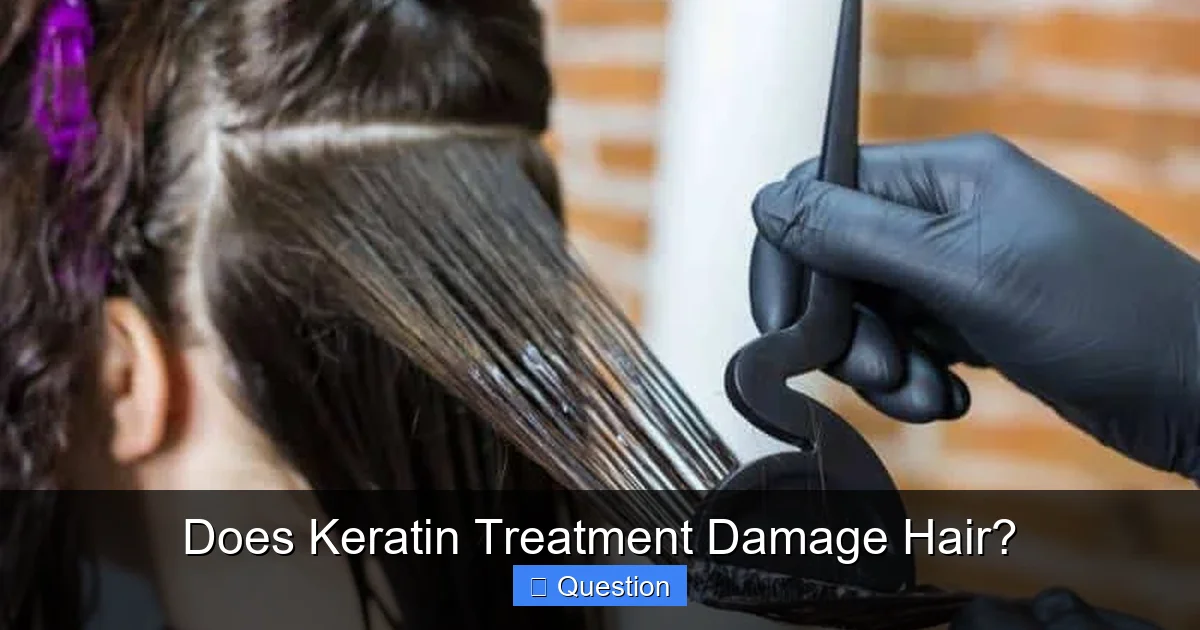
Visual guide about Does Keratin Treatment Damage Hair?
Image source: laurenandvanessa.com
So, does keratin treatment damage hair? The potential for damage isn’t inherent in the “keratin” itself but rather in the accompanying chemicals, the heat involved, and the application process.
Chemical Damage: The Formaldehyde Factor
This is perhaps the biggest and most controversial risk. Many traditional keratin treatments contain formaldehyde or formaldehyde-releasing chemicals (like methylene glycol, formol, methanediol). When heated, these chemicals release formaldehyde gas, which is a known carcinogen and can cause various adverse reactions.
- Hair Breakage and Dryness: Formaldehyde essentially creates a rigid, waterproof coating on the hair. While this gives a super-smooth look, it can also make the hair less flexible. Over time, this rigidity can lead to dryness, brittleness, and increased breakage, especially if treatments are done too frequently or if the hair is already compromised.
- Scalp Irritation: The chemicals can irritate the scalp, causing itching, redness, or even burns in sensitive individuals.
- Allergic Reactions: Some people might experience allergic reactions to other ingredients in the formula.
Heat Damage During Application
The flat ironing step is critical for sealing the keratin, but it also carries a significant risk of heat damage.
- High Temperatures: Flat irons used for keratin treatments often reach very high temperatures, sometimes up to 450°F (230°C). If the stylist uses the iron too slowly, on very thin sections, or on already fragile hair, this intense heat can literally cook the hair, leading to severe dryness, brittleness, and breakage.
- Repeated Passes: Stylists often pass the flat iron over each section multiple times (10-15 times is not uncommon) to ensure the keratin is fully sealed. While necessary for the treatment’s efficacy, this repeated high heat application, especially if not done correctly, can be very damaging.
Hair Thinning and Loss
While keratin treatments don’t directly cause hair loss from the root, the damage they *can* inflict might *appear* as hair loss. If hair becomes severely brittle and breaks off close to the scalp, it can look like thinning or significant hair loss. This is usually due to chemical over-processing, excessive heat, or applying the treatment to hair that isn’t strong enough to withstand it.
Color Alteration
Some keratin treatments, especially those with harsher chemicals or higher pH levels, can slightly lighten or alter the tone of color-treated hair. If you have colored hair, discuss this with your stylist beforehand.
Formaldehyde and Its Alternatives: A Key Concern
Given the concerns surrounding formaldehyde, it’s vital to understand what you’re putting on your hair. Formaldehyde-based keratin treatments deliver the most dramatic and long-lasting straightening effects, but at a potential cost to your health and hair integrity.
Formaldehyde-Free Options
Thankfully, the beauty industry has responded to consumer demand for safer alternatives. Many brands now offer “formaldehyde-free” or “low-formaldehyde” keratin treatments.
- Glyoxylic Acid: Many formaldehyde-free treatments use glyoxylic acid or its derivatives. These formulations typically don’t straighten hair as dramatically as formaldehyde-based ones, but they are excellent for frizz reduction and smoothing. The results might not last as long (typically 2-4 months) but are generally considered safer for both clients and stylists.
- Other Alternatives: Some treatments use a blend of amino acids, proteins, and conditioning agents to achieve similar smoothing effects without harsh chemicals.
When choosing a salon, always ask about the ingredients in their keratin treatment products. A reputable stylist should be transparent and able to explain the differences between various formulations.
Who Should (and Shouldn’t) Get a Keratin Treatment?
Understanding your hair type and condition is crucial in deciding if a keratin treatment is right for you.
Ideal Candidates for Keratin Treatment
- Frizzy, Unruly Hair: If you battle frizz daily and struggle to manage your hair, a keratin treatment can be a game-changer for smoothing and increasing manageability.
- Wavy or Moderately Curly Hair: Keratin treatments can relax waves and curls, making them easier to straighten or giving them a smoother, less defined look.
- Dull, Lackluster Hair: By smoothing the cuticle, keratin treatments enhance shine and can make hair look healthier.
- Hair Prone to Humidity Frizz: If humidity is your enemy, a keratin treatment can provide a protective barrier against moisture, keeping your hair smooth.
When to Exercise Caution (or Avoid Altogether)
- Severely Damaged or Overly Processed Hair: If your hair is already very brittle, broken, or extensively chemically treated (e.g., heavily bleached, permed multiple times), adding another strong chemical and high heat can push it past its breaking point.
- Very Fine or Thin Hair: While some fine hair types can benefit from smoothing, very fine or thin hair might become weighed down or appear even thinner after a keratin treatment, and the high heat can be too harsh.
- Pregnancy or Breastfeeding: Due to the chemical nature of the treatments, especially those containing formaldehyde, it’s generally recommended to avoid them during pregnancy and breastfeeding. Always consult your doctor.
- Sensitive Scalp Conditions: If you have a highly sensitive scalp, eczema, or psoriasis, the chemicals could cause irritation.
Minimizing Risks: Best Practices Before, During, and After Your Treatment
If you decide a keratin treatment is for you, taking proactive steps can significantly reduce the risk of damage.
Before Your Treatment: Due Diligence is Key
- Research Your Salon and Stylist: This is arguably the most important step. Look for salons with excellent reviews for keratin treatments. Don’t be afraid to ask your stylist about their experience, the specific products they use, and if they offer formaldehyde-free options. A good stylist will assess your hair’s condition and be honest about whether the treatment is suitable for you.
- Ingredient Transparency: Ask to see the product labels. Educate yourself on ingredients to avoid, especially if you have concerns about formaldehyde.
- Hair Condition Assessment: Be honest with your stylist about your hair’s history – previous chemical treatments, color, and any existing damage. This helps them determine the right product and heat setting.
- Patch Test: If you have sensitivities, ask for a patch test on a small area of skin (e.g., behind the ear) a few days before your appointment.
During the Treatment: Communication is Key
- Speak Up About Discomfort: If you experience any burning, itching, or excessive discomfort on your scalp, inform your stylist immediately.
- Monitor Heat: While you can’t control the flat iron, you can ask your stylist to be mindful of the heat, especially if your hair is delicate.
Aftercare: The Long-Term Health of Your Hair
The period immediately after and the months following your keratin treatment are critical for maintaining the results and preventing damage.
- Wait to Wash: Follow your stylist’s instructions on when to wash your hair. For many treatments, it’s 24-72 hours. This allows the keratin to fully bond.
- Use Sulfate-Free & Sodium Chloride-Free Products: This is non-negotiable! Sulfates and sodium chloride (salt) are common ingredients in many shampoos and conditioners that can strip the keratin from your hair, shortening the life of your treatment and potentially drying out your hair. Invest in products specifically designed for keratin-treated hair.
- Avoid Hair Ties and Clips: For the first 72 hours, avoid tying your hair up, tucking it behind your ears, or using clips. This can create dents and bends in the newly straightened hair.
- Sleep Smart: Try to sleep on a silk or satin pillowcase to reduce friction and maintain smoothness.
- Minimize Heat Styling: One of the perks of a keratin treatment is reduced need for heat styling. Embrace it! When you do use heat tools, use them on a lower setting and always apply a heat protectant.
- Deep Conditioning: Regular deep conditioning treatments (once a week or bi-weekly) can help maintain your hair’s moisture levels and extend the life of your keratin treatment.
- Limit Chemical Treatments: Give your hair a break between keratin treatments and other chemical processes like coloring or perms. Consult your stylist on the best timing.
The Verdict: Is Keratin Treatment Worth It for You?
So, does keratin treatment damage hair? The comprehensive answer is: *it can*, but it doesn’t have to. The risk of damage is significantly reduced when you:
- Choose a reputable salon and experienced stylist.
- Opt for formaldehyde-free or low-formaldehyde formulations if safety is a primary concern.
- Ensure your hair is in a healthy enough condition to begin with.
- Commit to diligent aftercare with appropriate products.
For many individuals with frizzy, unruly, or wavy hair, a keratin treatment can be a transformative experience, offering months of easy-to-manage, shiny, and smooth hair. The convenience and confidence it brings can be well worth the investment.
However, if your hair is severely damaged, very fine, or if you have a sensitive scalp, it might be best to explore other hair-smoothing alternatives or focus on intensive conditioning treatments to restore health before considering a keratin process.
Ultimately, the decision to get a keratin treatment should be an informed one. Armed with the knowledge about its process, potential risks, and crucial aftercare, you can confidently discuss your options with a professional and make the choice that’s best for the health and beauty of your unique hair. Here’s to good hair days, every day!
Frequently Asked Questions
How often can I get a keratin treatment without damaging my hair?
Most stylists recommend waiting at least 3-4 months between keratin treatments. Allowing your hair sufficient time to recover and regrow can help minimize cumulative stress and potential damage from repeated chemical exposure and heat.
What’s the difference between a keratin treatment and a permanent hair straightening (relaxer)?
A keratin treatment is a semi-permanent smoothing treatment that gradually washes out, typically lasting 2-6 months, and doesn’t permanently alter the hair’s internal structure. A permanent relaxer, on the other hand, chemically breaks and reforms the hair’s disulfide bonds, permanently straightening it until new growth appears, and is generally much harsher.
Can keratin treatments cause hair loss?
Keratin treatments don’t directly cause hair loss from the scalp. However, if the treatment is applied incorrectly, uses excessively high heat, or contains harsh chemicals that weaken the hair shaft, it can lead to increased breakage and thinning of the hair strands, which might appear as hair loss.
Are formaldehyde-free keratin treatments truly safe and effective?
Formaldehyde-free keratin treatments are generally considered safer for both clients and stylists as they eliminate exposure to the known carcinogen. While they may offer less dramatic straightening and shorter longevity compared to traditional formaldehyde formulas, they are highly effective at reducing frizz and providing significant smoothing benefits.
Can I color my hair after a keratin treatment?
It’s generally recommended to color your hair *before* a keratin treatment, as some treatments can slightly alter hair color. If you must color afterward, wait at least two weeks to allow the keratin to fully set, and always consult your stylist, as some treatments might be incompatible with immediate coloring.
What are some natural alternatives to keratin treatments for frizz control?
For natural frizz control, you can try deep conditioning masks with ingredients like argan oil, coconut oil, or shea butter. Using sulfate-free shampoos and conditioners, incorporating leave-in conditioners, and air-drying hair with styling creams can also help manage frizz without harsh chemicals.