
Does Trimming Hair Make It Grow Faster?
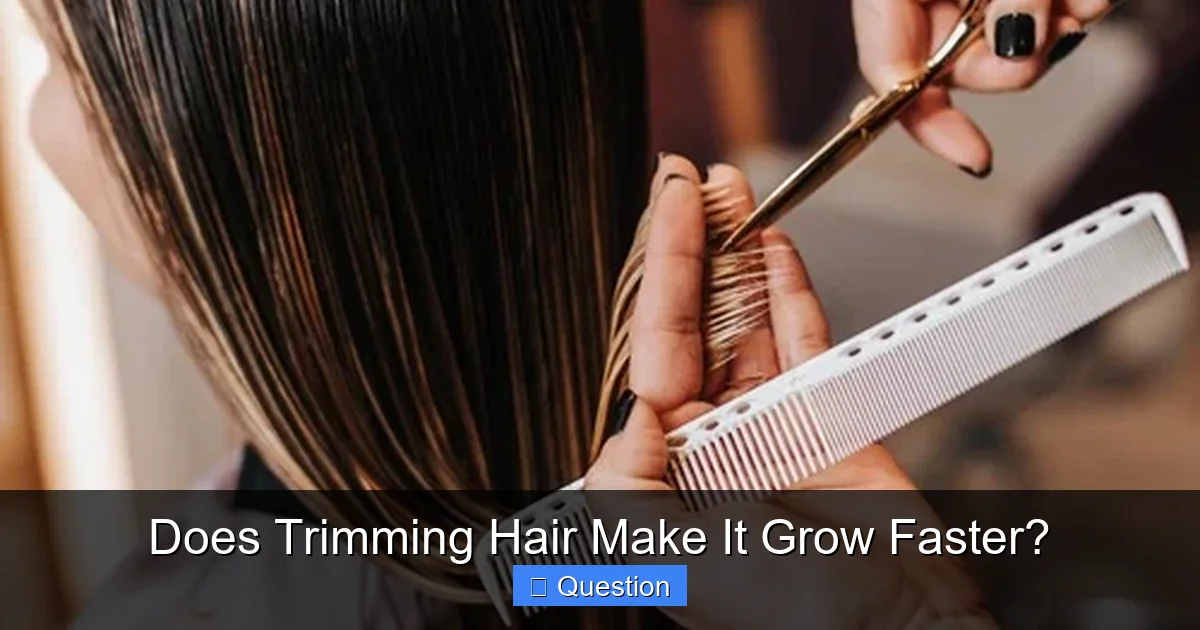
Many believe trimming hair makes it grow faster, but this is a common misconception. Hair growth originates from the scalp, not the ends. While trimming doesn’t affect the speed at which your hair grows from the root, it is crucial for maintaining hair health by removing split ends and preventing breakage, which can ultimately help you retain length and achieve the appearance of faster growth.
Does Trimming Hair Make It Grow Faster?
Ah, the age-old question that has echoed through salons, whispered among friends, and sparked countless debates: “Does trimming hair make it grow faster?” It’s a belief deeply ingrained in our collective hair wisdom, often passed down through generations. You might have heard it from your mom, your stylist, or even just picked it up through osmosis in the beauty world. The idea is simple: if you snip off those ragged ends, your hair will suddenly get a burst of energy and sprout into a glorious, long mane faster than ever before.
But here’s the thing about common beliefs: not all of them hold up under scrutiny. When it comes to the science of hair growth, the answer to “Does trimming hair make it grow faster?” might surprise you. While regular trims are undoubtedly beneficial for your hair, their role isn’t quite what many of us have been led to believe. This article aims to untangle the myth from the reality, providing you with a clear, science-backed understanding of how your hair truly grows and what truly influences its length and health.
So, let’s dive deep into the fascinating world of hair, explore the real purpose of a trim, and uncover the factors that genuinely contribute to faster, healthier hair growth. Prepare to arm yourself with knowledge that will help you make the best decisions for your locks, steering clear of common misconceptions and embracing practices that truly work.
Key Takeaways
- Growth Originates from the Follicle: Hair grows from the roots in your scalp, a process unaffected by what happens to the ends of the hair shaft.
- Trimming Doesn’t Speed Up Growth: Cutting your hair’s ends has no direct impact on the rate at which new hair emerges from your scalp. The myth that trimming hair makes it grow faster is not supported by science.
- Trimming Promotes Hair Health: Regular trims are vital for removing split ends, breakage, and damage, which helps maintain the integrity and strength of your hair.
- Retaining Length vs. Growing Faster: By eliminating damaged ends, trims prevent further breakage up the hair shaft, allowing you to retain more length over time and giving the *appearance* of faster growth.
- Factors Influencing Growth: Hair growth speed is primarily determined by genetics, diet, overall health, hormones, and scalp care, not the frequency of haircuts.
- Healthy Hair is Long Hair: Focusing on internal health, proper nutrition, gentle hair care practices, and a healthy scalp are the most effective strategies for achieving and maintaining desired hair length.
📑 Table of Contents
- The Hair Growth Cycle: Understanding the Basics
- Dispelling the Myth: Why Trimming Doesn’t Speed Up Growth
- The Real Benefits of Trimming: Healthier Hair, Not Faster Growth
- Factors That *Actually* Influence Hair Growth
- Practical Tips for Promoting Healthy Hair Growth
- Beyond Trimming: Maintaining Length and Health
The Hair Growth Cycle: Understanding the Basics
To understand why the notion that trimming hair makes it grow faster is a myth, we first need to get a grip on how hair actually grows. It’s a complex, cyclical process that happens deep within your scalp, not at the visible ends of your hair. Each individual hair strand goes through three main phases:
Anagen (Growth) Phase
This is the active growth phase, where hair cells in the follicle rapidly divide, pushing the hair shaft upwards and outwards. It’s the longest phase, typically lasting anywhere from two to seven years, and determines the maximum length your hair can achieve. The longer your anagen phase, the longer your hair can grow. About 85-90% of your hair is in this phase at any given time.
Catagen (Transition) Phase
After the anagen phase, your hair enters a short transitional phase that lasts about two to three weeks. During this time, the hair follicle shrinks, and hair growth stops. The hair detaches from its blood supply and nutrient source, preparing for the next stage.
Telogen (Resting/Shedding) Phase
This is the resting phase, which lasts about two to four months. The old hair rests while new hair begins the anagen phase in the same follicle. Eventually, the old hair sheds to make way for the new hair, which typically happens when you brush or wash your hair. We usually shed about 50-100 hairs a day – it’s a completely normal part of the cycle.
The crucial takeaway here is that hair growth originates from the hair follicle, which is located *underneath* the skin on your scalp. The visible part of your hair – the shaft – is essentially dead cells. Think of it like a plant: pruning the dead leaves (the ends) doesn’t make the roots grow faster; it just keeps the plant looking tidy and prevents disease.
Dispelling the Myth: Why Trimming Doesn’t Speed Up Growth
Visual guide about Does Trimming Hair Make It Grow Faster?
Image source: hairreve.ph
Now that we understand the hair growth cycle, we can directly address the central question: does trimming hair make it grow faster? The straightforward answer is no, it doesn’t.
The mechanism of hair growth happens at the scalp level, specifically within the hair follicles. These follicles are tiny organs that produce new hair cells. Trimming the ends of your hair is like cutting the tip of a piece of string – it doesn’t affect the source of the string or how quickly it’s being produced. The rate at which your follicles produce new hair is determined by a myriad of internal factors, not by external manipulation of the hair shaft.
Think of it this way: if you cut your fingernails, do your nails grow faster from the nail bed? No. They continue to grow at their predetermined rate. The same principle applies to your hair. Your hair doesn’t have nerves or blood vessels in the visible shaft, so it can’t “sense” a trim and decide to grow faster in response. The myth likely stems from a misunderstanding of what “faster growth” actually means in a practical sense, which we’ll explore next.
The Real Benefits of Trimming: Healthier Hair, Not Faster Growth
While trimming doesn’t accelerate growth, it plays an absolutely vital role in maintaining the health and integrity of your hair. Regular trims are crucial, especially if you’re trying to grow your hair long, for reasons that have everything to do with preventing damage and retaining length.
Combating Split Ends
This is the primary reason why people get trims. Over time, the ends of your hair, being the oldest part, are exposed to the most wear and tear. Heat styling, chemical treatments, environmental factors, and even just brushing can cause the hair shaft to fray and split. Once a hair strand splits, the damage doesn’t stay confined to the very tip. It can travel up the hair shaft, weakening the entire strand and making it more prone to breakage.
Preventing Breakage and Damage Progression
When split ends are left untreated, they worsen. The hair becomes weaker, more brittle, and prone to breaking off higher up the shaft. This means that even if your hair is growing from the root at a healthy rate, you’re constantly losing length due to breakage. Imagine your hair growing an inch a month, but you’re losing half an inch to breakage. You’re only gaining half an inch! By regularly trimming those damaged ends, you remove the weakest points, preventing the splits from traveling further up and ensuring the hair that is growing out remains strong and healthy.
Maintaining Shape and Style
Beyond health, trims help maintain the shape of your hairstyle. Whether you have layers, a blunt cut, or bangs, regular trims keep your style looking fresh and intentional. Overgrown hair can lose its shape, look limp, and become difficult to manage.
The Appearance of Faster Growth
Here’s where the misconception likely originates. When you regularly trim your hair, you’re removing the thinnest, most damaged, and most brittle parts. The remaining hair looks thicker, healthier, and feels smoother. Because you’re preventing significant breakage and retaining more of the length that your hair *is* growing, it *appears* to be growing faster and longer. You’re not actually speeding up the growth rate, but you’re effectively keeping more of the length you’ve already grown.
So, while the answer to “Does trimming hair make it grow faster?” is a definitive no, the answer to “Does trimming hair help you achieve longer, healthier hair?” is a resounding yes!
Factors That *Actually* Influence Hair Growth
If trimming doesn’t make hair grow faster, what does? Hair growth speed is a complex biological process influenced by a variety of internal factors. Understanding these can help you focus your efforts on what truly matters for achieving your hair length goals.
Genetics
Your genes play the most significant role in determining your hair’s natural growth rate, density, texture, and maximum length. Some people naturally have a longer anagen (growth) phase, allowing their hair to grow much longer before shedding, while others have a shorter one. This is largely beyond your control.
Diet and Nutrition
Your hair follicles are tiny factories that need a constant supply of nutrients to produce strong, healthy hair. A balanced diet rich in proteins, vitamins (especially A, B vitamins like biotin, C, D, E), and minerals (iron, zinc, selenium) is crucial. Deficiencies in these nutrients can lead to slower growth, brittle hair, and even hair loss.
Overall Health and Lifestyle
Chronic stress, illness, hormonal imbalances (e.g., thyroid issues, pregnancy, menopause), certain medications, and even lack of sleep can all impact hair growth. A healthy lifestyle, including regular exercise and adequate rest, supports overall bodily functions, including hair growth.
Scalp Health
A healthy scalp is the foundation for healthy hair growth. Conditions like dandruff, psoriasis, or excessive oiliness can impede the proper functioning of hair follicles. A clean, balanced, and well-nourished scalp environment is essential.
Age
As we age, hair growth often slows down, and hair can become finer and less dense. The anagen phase can shorten, and follicles may become less productive.
Hormonal Balance
Hormones play a significant role in hair growth. For instance, androgens (male hormones) can influence hair growth patterns, and fluctuations during puberty, pregnancy, or menopause can affect hair cycles.
Practical Tips for Promoting Healthy Hair Growth
Since we’ve established that trimming hair doesn’t make it grow faster, let’s shift our focus to actionable steps you *can* take to support optimal hair health and encourage the best possible growth your genetics allow.
1. Nourish Your Body from Within
- Balanced Diet: Prioritize lean proteins (fish, chicken, beans, lentils), healthy fats (avocado, nuts, seeds), complex carbohydrates (whole grains), and plenty of fruits and vegetables.
- Key Nutrients: Ensure you’re getting enough iron, zinc, vitamin D, vitamin C, and B vitamins (especially biotin). If you suspect deficiencies, consult a doctor or nutritionist.
- Hydration: Drink plenty of water. Your body needs proper hydration for all its functions, including healthy hair growth.
2. Be Gentle with Your Hair
- Avoid Excessive Heat: Minimize the use of heat styling tools (flat irons, curling irons, blow dryers) or use a heat protectant spray every time. High heat can strip hair of moisture and cause damage, leading to breakage.
- Gentle Brushing: Use a wide-tooth comb or a soft-bristle brush, especially when your hair is wet and most vulnerable. Start detangling from the ends and work your way up.
- Careful Washing: Don’t over-wash your hair, as this can strip natural oils. Use sulfate-free shampoos and always follow with a good conditioner to moisturize and protect.
- Protect Hair While Sleeping: Consider sleeping on a silk or satin pillowcase to reduce friction and minimize breakage, or tie your hair loosely in a silk scrunchie.
3. Maintain Scalp Health
- Regular Cleansing: Keep your scalp clean to prevent product buildup and clogged follicles.
- Scalp Massage: Gentle scalp massages can help stimulate blood circulation to the follicles, potentially encouraging growth.
- Targeted Treatments: If you have scalp issues like dandruff or excessive oil, use products designed to address these concerns.
4. Manage Stress
Chronic stress can push hair prematurely into the telogen (resting/shedding) phase, leading to increased hair loss. Practice stress-reducing techniques like meditation, yoga, exercise, or spending time in nature.
5. Consider Supplements (Under Guidance)
While a balanced diet is best, some people may benefit from hair growth supplements, especially if they have dietary deficiencies. Look for supplements containing biotin, collagen, specific vitamins, and minerals. Always consult with a healthcare professional before starting any new supplement regimen.
Beyond Trimming: Maintaining Length and Health
The journey to long, healthy hair is less about magic tricks and more about consistent, mindful care. Since trimming hair doesn’t make it grow faster, it’s about creating an environment where your hair can thrive and grow to its genetic potential without being constantly cut short due to damage.
Regular trims, typically every 8-12 weeks, are an investment in your hair’s future. They are your first line of defense against the relentless assault of daily life on your hair strands. By removing those damaged ends, you’re preserving the structural integrity of your hair, allowing each strand to grow longer and stronger before succumbing to breakage. It’s a proactive measure that prevents small problems from becoming big, length-compromising issues.
Remember, patience is key. Hair grows at an average rate of about half an inch per month. This means visible changes take time. Focus on celebrating the small victories – the reduced split ends, the increased shine, the overall healthier feel of your hair. Each healthy inch you gain is a testament to your consistent efforts.
In conclusion, while the myth that trimming hair makes it grow faster persists, the reality is far more nuanced and empowering. Trims are a tool for health, not speed. By understanding your hair’s biology and implementing a holistic approach to care, you can truly unlock your hair’s potential for length, strength, and vibrant beauty. So, embrace those regular trims, nurture your body, and enjoy the journey to the healthy, long hair you desire.
Frequently Asked Questions
Does cutting hair frequently really help it grow longer?
No, cutting your hair frequently doesn’t directly make it grow longer from the root. Hair growth originates in the scalp’s follicles, and the frequency of trims on the ends of your hair doesn’t influence this biological process.
If trimming doesn’t make it grow faster, why do stylists recommend regular trims for length?
Stylists recommend regular trims to remove split ends and damaged hair. By getting rid of these unhealthy ends, you prevent the damage from traveling up the hair shaft, which reduces breakage and allows your hair to retain more of its length as it grows.
How often should I trim my hair if I want it to grow long?
The ideal frequency depends on your hair’s condition and how quickly it develops split ends, but generally, trimming every 8 to 12 weeks is recommended. This schedule helps maintain healthy ends without sacrificing too much length.
Can specific products make my hair grow faster?
Certain products, especially those targeting scalp health or containing ingredients like minoxidil (for hair loss) or caffeine, can stimulate follicles or improve scalp conditions, potentially encouraging stronger growth. However, no product can drastically alter your natural genetic growth rate.
What are the actual signs of healthy hair growth?
Signs of healthy hair growth include fewer split ends, less breakage, increased shine, a feeling of strength and elasticity, and new “baby” hairs appearing around the hairline. The rate of growth will depend on your individual genetics.
Is there anything I can do to encourage my hair to grow thicker?
While you can’t increase the number of hair follicles you have, you can encourage existing follicles to produce thicker, stronger strands. This involves maintaining a healthy diet, minimizing damage, ensuring good scalp health, and using volumizing products that don’t weigh hair down.