
Does Vaping Cause Hair Loss?
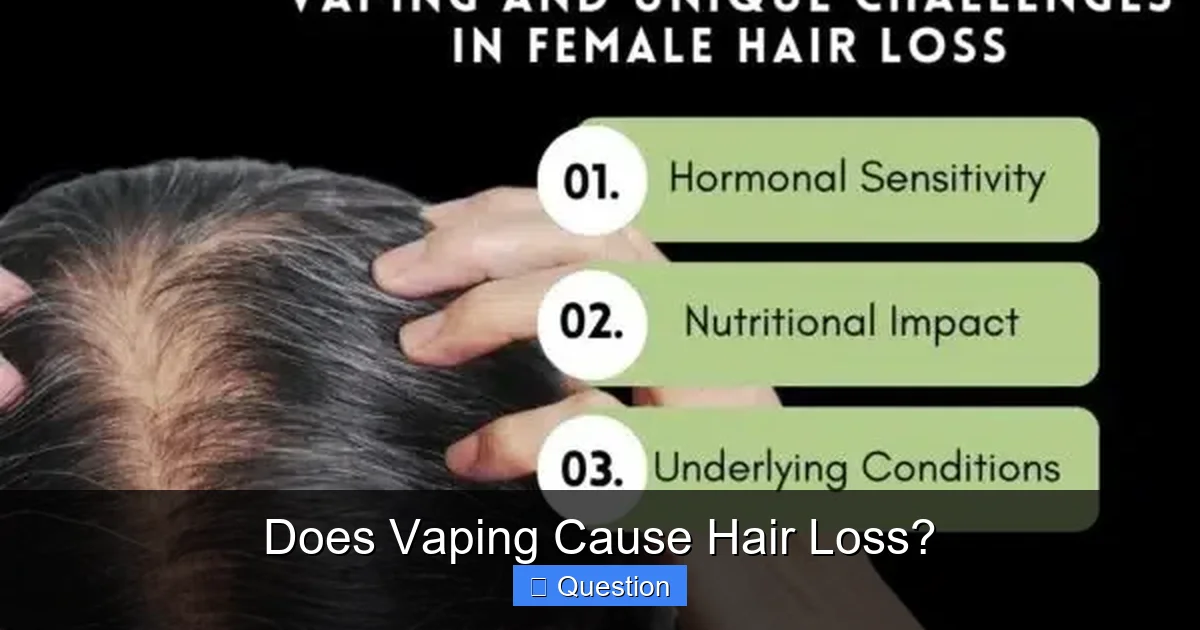
While direct scientific proof specifically linking vaping to hair loss is still emerging, many components in e-cigarettes, particularly nicotine, are known to negatively impact hair health. Nicotine constricts blood vessels, reducing nutrient delivery to hair follicles, and other chemicals can induce oxidative stress and inflammation, potentially contributing to thinning and loss. Understanding these underlying mechanisms is key to assessing the risk.
Hey there! Have you ever found yourself looking at more hair in your brush or shower drain than usual and wondered, “What on earth is going on?” It’s a common concern, and with the rise of vaping, a new question has entered the chat: Does vaping cause hair loss? It’s a really important question, especially for those who vape and are noticing changes in their hair.
Hair loss can be a source of significant anxiety, affecting self-esteem and confidence. And in today’s world, where vaping has become a widespread alternative to traditional smoking, it’s only natural to scrutinize every potential health impact. We know smoking has a long list of adverse effects, but vaping is often presented as a “safer” option. However, “safer” doesn’t necessarily mean “safe,” and the science is still catching up. So, let’s dive deep into what we know, what we suspect, and what you can do about it.
In this article, we’re going to explore the different components found in e-cigarettes and examine how they might interact with your hair follicles. We’ll look at the current scientific understanding (or lack thereof), discuss the plausible biological mechanisms, and give you some practical insights into maintaining healthy hair. If you’re pondering, “Does vaping cause hair loss?” – you’re in the right place for some answers and clarity.
Key Takeaways
- No Direct Proof, but Strong Suspicions: There isn’t extensive direct scientific research specifically confirming that vaping causes hair loss. However, the known effects of e-liquid components, especially nicotine, strongly suggest a potential link.
- Nicotine is a Primary Suspect: Nicotine, a key ingredient in most vape products, is a vasoconstrictor, meaning it narrows blood vessels. This can reduce blood flow and nutrient delivery to hair follicles, impairing their ability to grow healthy hair and potentially accelerating hair loss.
- Oxidative Stress and Inflammation: Vaping exposes the body to various chemicals and toxins that can increase oxidative stress and inflammation. Both of these are known contributors to hair follicle damage and premature hair shedding.
- Other Harmful Ingredients: Beyond nicotine, other chemicals in vape liquids like heavy metals, formaldehyde, and acrolein can also have systemic health impacts that indirectly affect hair growth cycles and overall scalp health.
- Indirect Factors and Lifestyle: Vaping can exacerbate existing predispositions to hair loss (like genetics) and compound the effects of other unhealthy lifestyle choices (poor diet, stress). It’s part of a broader health picture.
- Similar to Smoking: Given that many of the harmful mechanisms are shared with traditional smoking (e.g., nicotine’s effects, increased oxidative stress), it’s logical to infer that vaping could have similar detrimental effects on hair health, though possibly to a different degree.
- Prioritize Hair and Overall Health: If you’re experiencing hair loss and vape, considering reduction or cessation, along with adopting a healthier lifestyle, is a sensible approach to support your hair and overall well-being.
📑 Table of Contents
- The Connection Between Vaping and Your Health: A Closer Look
- Nicotine: The Primary Suspect in Hair Thinning
- Beyond Nicotine: Other Vaping Chemicals and Hair Health
- The Science (or Lack Thereof) on Vaping and Hair Loss
- Practical Tips for Supporting Hair Health While Vaping (or Quitting!)
- Conclusion: The Verdict on Vaping and Your Tresses
The Connection Between Vaping and Your Health: A Closer Look
Before we pinpoint how vaping might affect your hair, it’s crucial to understand what vaping entails and its broader health implications. Vaping involves inhaling an aerosol created by heating a liquid, often called e-liquid or vape juice. This liquid typically contains nicotine, propylene glycol, vegetable glycerin, and flavorings. While it lacks the tar and many carcinogens found in traditional cigarettes, it’s far from harmless.
What’s Inside Your Vape?
Understanding the ingredients is the first step to knowing if vaping causes hair loss. Each component can have a different impact:
- Nicotine: This is the primary addictive substance in most e-liquids. It’s a stimulant, but its effects extend far beyond just alertness.
- Propylene Glycol (PG) and Vegetable Glycerin (VG): These are the base liquids that create the vapor. They are generally considered safe for consumption, but inhaling them is a different story.
- Flavorings: These compounds give vapes their appealing tastes, but many are food-grade and not tested for inhalation safety. Some contain diacetyl, linked to “popcorn lung,” and other chemicals that could be irritants.
- Heavy Metals and Other Toxins: Studies have found traces of heavy metals (like lead, nickel, and chromium) and other harmful chemicals (like formaldehyde and acrolein) in vape aerosols, often leached from the heating coil or produced during the heating process.
All these ingredients, once inhaled, enter your bloodstream and circulate throughout your body, potentially influencing various bodily functions, including those crucial for hair growth. So, when asking, “Does vaping cause hair loss?” we need to consider the cumulative effect of these substances.
Nicotine: The Primary Suspect in Hair Thinning
If there’s one ingredient that consistently comes up in discussions about vaping and hair loss, it’s nicotine. While often associated with traditional cigarettes, nicotine is just as prevalent in e-cigarettes, and its biological effects are well-documented. So, how might nicotine contribute to hair loss?
Visual guide about Does Vaping Cause Hair Loss?
Image source: hairrestorationtour.com
How Nicotine Affects Blood Flow and Hair Follicles
One of nicotine’s most significant impacts is on your circulatory system. Nicotine is a potent vasoconstrictor. In simple terms, it causes your blood vessels to narrow. Think of your hair follicles as tiny, hungry plants. They need a steady supply of blood, rich in oxygen and nutrients, to grow strong and healthy. When blood vessels constrict, this vital supply is reduced.
- Reduced Nutrient Delivery: Less blood flow means less oxygen, vitamins, and minerals reach your scalp and hair follicles. Over time, this nutrient deprivation can weaken hair strands, make them grow slower, and even push them into a resting (telogen) phase prematurely, leading to increased shedding.
- Hormonal Imbalance: Nicotine can influence hormone levels, including androgens, which are hormones known to play a role in androgenetic alopecia (pattern baldness). While the link isn’t fully clear for vaping, similar effects observed with smoking suggest a potential for nicotine to exacerbate hormonal hair loss.
- Collagen Production: Collagen is vital for healthy skin and hair. Nicotine has been shown to degrade collagen and elastin, which are essential for the structural integrity of hair follicles and the surrounding scalp tissue. Weakened collagen can make hair more brittle and prone to breakage.
Given these mechanisms, it’s highly plausible that nicotine, whether from traditional cigarettes or vapes, could contribute to hair loss. The question then shifts from “Does vaping cause hair loss?” to “How much does the nicotine in vaping contribute to hair loss compared to other factors?”
Beyond Nicotine: Other Vaping Chemicals and Hair Health
While nicotine often takes center stage, it’s not the only concern when it comes to vaping and its potential impact on your hair. The cocktail of chemicals in e-liquids and the process of heating them can introduce other elements that are detrimental to overall health, including hair health.
Oxidative Stress and Inflammation
Vaping generates an aerosol containing various chemicals, some of which are known to cause oxidative stress. Oxidative stress occurs when there’s an imbalance between free radicals and antioxidants in your body. Free radicals are unstable molecules that can damage cells, including hair follicle cells.
- Cellular Damage: Increased oxidative stress can damage the DNA in hair follicle cells, impairing their function and leading to premature hair loss. It can also interfere with the hair growth cycle.
- Inflammation: Many components in vape aerosols can trigger an inflammatory response in the body. Chronic inflammation, even low-grade, can negatively impact hair follicles, potentially shrinking them and leading to thinner hair over time. Inflammation is a known factor in various types of hair loss, including alopecia areata.
So, even if you choose nicotine-free vape liquids, the presence of other chemicals and the potential for oxidative stress and inflammation still raise questions about whether vaping causes hair loss, regardless of nicotine content.
Heavy Metals and Other Toxins
Studies have detected heavy metals like lead, nickel, and chromium, along with other toxic compounds such as formaldehyde and acrolein, in vape aerosols. These substances can leach from the heating coil or are formed during the heating process. When inhaled, these toxins enter the bloodstream and can have systemic effects.
- Systemic Toxicity: Accumulation of heavy metals in the body can disrupt various biological processes, including nutrient absorption and hormonal balance, all of which are critical for healthy hair growth.
- Cellular Harm: Formaldehyde and acrolein are known irritants and carcinogens. While direct links to hair loss are not as clear as with nicotine, their overall impact on cellular health and potential to induce stress on the body cannot be ignored, indirectly affecting hair health.
The cumulative exposure to these various compounds raises valid concerns. When considering, “Does vaping cause hair loss?” it’s not just one culprit, but potentially a synergy of harmful elements.
The Science (or Lack Thereof) on Vaping and Hair Loss
Here’s where things get a bit tricky. When we ask, “Does vaping cause hair loss?” we often seek definitive scientific studies that directly investigate this link. However, the science on vaping is relatively new, and robust, long-term studies specifically on hair loss are scarce.
What We Know vs. What We Infer
Most of our understanding comes from:
- Studies on Traditional Smoking: There’s a substantial body of evidence linking traditional cigarette smoking to hair loss. Since nicotine is a common factor and many other detrimental mechanisms (like oxidative stress) are shared, it’s a logical inference to suspect vaping might have similar, though potentially less severe, effects.
- Mechanistic Plausibility: As discussed, the known effects of nicotine on blood flow and hormone regulation, coupled with the impact of other chemicals on oxidative stress and inflammation, provide a strong biological basis for why vaping *could* lead to hair loss.
- Anecdotal Reports: Many individuals who vape report experiencing hair thinning or loss. While anecdotal evidence isn’t scientific proof, it contributes to the growing concern and prompts further investigation.
The lack of direct, conclusive studies doesn’t mean there’s no risk. It often means the research hasn’t caught up yet. Vaping devices and liquids are constantly evolving, making it challenging for scientists to keep pace and conduct the necessary long-term research. Therefore, when you hear “there’s no definitive proof,” it often means “the research is ongoing,” not “it’s completely safe.”
Practical Tips for Supporting Hair Health While Vaping (or Quitting!)
If you’re currently vaping and concerned about hair loss, or if you’re just looking to maintain healthy hair, there are several steps you can take. Addressing the question “Does vaping cause hair loss?” also means considering what actions you can take to mitigate potential risks.
Consider Reducing or Quitting Vaping
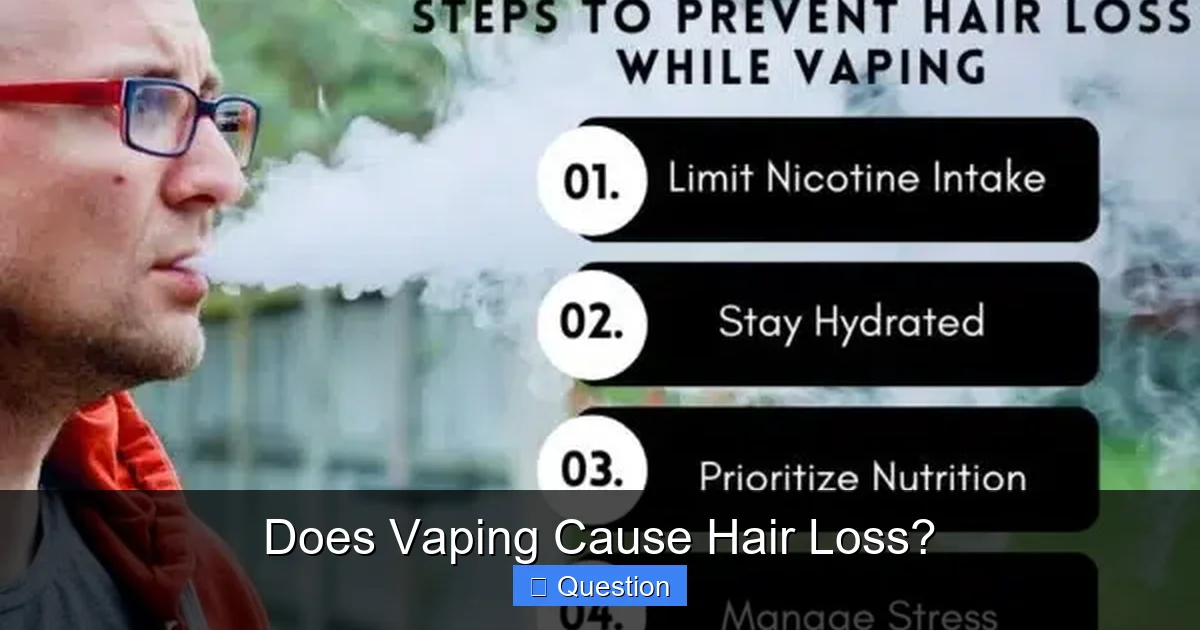
This is arguably the most direct action. If you’re genuinely concerned that vaping is contributing to your hair loss, reducing your nicotine intake or quitting altogether could alleviate some of the biological stressors on your hair follicles. Many resources are available to help with cessation, including support groups and nicotine replacement therapies.
Prioritize a Nutrient-Rich Diet
Healthy hair starts from within. Ensure your diet is rich in vitamins and minerals essential for hair growth:
- Protein: Hair is made of keratin, a protein. Include lean meats, fish, eggs, beans, and nuts.
- Iron: Essential for oxygen transport to follicles. Found in red meat, spinach, and lentils.
- Vitamins A, C, D, E: Antioxidants and crucial for cell growth. Get them from fruits, vegetables, and healthy fats.
- Biotin (Vitamin B7): Often associated with hair health. Found in eggs, nuts, and sweet potatoes.
- Zinc: Important for hair tissue growth and repair. Found in meat, shellfish, and legumes.
A balanced diet can help counteract some of the nutrient deficiencies that might be exacerbated by vaping’s impact on circulation and nutrient absorption.
Manage Stress Levels
Stress is a known trigger for various types of hair loss, particularly telogen effluvium, where hair prematurely enters the resting phase and sheds. Vaping itself can sometimes be a stress reliever for some, but the underlying habit can also contribute to stress if you’re trying to quit or managing nicotine withdrawal.
- Practice mindfulness or meditation.
- Engage in regular physical activity.
- Ensure you get adequate sleep.
Managing stress holistically is crucial for overall health and healthy hair growth, regardless of whether vaping causes hair loss directly.
Gentle Hair Care Practices
Treat your hair kindly to minimize breakage and damage:
- Avoid harsh chemical treatments (dyes, perms).
- Limit heat styling.
- Use gentle shampoos and conditioners.
- Avoid tight hairstyles that pull on the hair.
Consult a Healthcare Professional
If you’re experiencing significant hair loss, it’s always best to consult a doctor or dermatologist. They can help identify the underlying cause, which could be anything from genetics, hormonal imbalances, nutritional deficiencies, or medical conditions, in addition to lifestyle factors like vaping. They can offer personalized advice and treatment options.
While the direct answer to “Does vaping cause hair loss?” might not be a resounding “yes” with years of definitive proof, the scientific principles and anecdotal evidence strongly suggest it’s a plausible contributing factor. Taking a proactive approach to your health, including what you inhale, is always a wise choice.
Conclusion: The Verdict on Vaping and Your Tresses
So, after exploring the various angles, what’s the final word on “Does vaping cause hair loss?” While specific, long-term studies directly linking vaping to hair loss are still in their early stages, the available evidence points to a strong likelihood of a connection. The mechanisms are compelling: nicotine’s vasoconstrictive properties reduce vital blood flow and nutrient delivery to hair follicles, while other chemicals in vape aerosols contribute to oxidative stress and inflammation, both known enemies of healthy hair growth.
Think of it this way: your hair follicles are like tiny gardens, needing fertile soil, water, and sunlight to thrive. Vaping, particularly with nicotine, is like introducing a constant drought and toxic pollutants into that garden. Over time, even if not immediately apparent, the garden will struggle. While genetics, stress, diet, and other health conditions also play significant roles in hair loss, vaping adds another potential stressor to your system.
Therefore, it’s prudent to approach vaping with caution if hair health is a concern. If you’re experiencing hair thinning or loss and are a vaper, considering a reduction in usage or exploring cessation options, alongside adopting a holistic healthy lifestyle, is a sensible and proactive step. Your hair, and indeed your overall health, will thank you for making informed choices.
Frequently Asked Questions
Does nicotine in vapes directly cause hair loss?
While there isn’t direct, long-term research specifically on vaping’s impact, nicotine is a known vasoconstrictor, meaning it narrows blood vessels. This effect can reduce blood flow and nutrient delivery to hair follicles, potentially impairing hair growth and accelerating hair loss.
Are nicotine-free vapes safe for hair?
Nicotine-free vapes eliminate the primary vasoconstrictive agent, but they still contain other chemicals like propylene glycol, vegetable glycerin, and flavorings. These can contribute to oxidative stress and inflammation, which are also detrimental to hair follicles, meaning “nicotine-free” doesn’t necessarily mean “risk-free” for your hair.
How does vaping affect overall hair health, not just loss?
Beyond potential hair loss, vaping can lead to overall poorer hair quality. Reduced nutrient supply and increased oxidative stress can make hair strands weaker, duller, more brittle, and prone to breakage, impacting their texture and vitality.
Can stopping vaping reverse hair loss?
If vaping is a contributing factor to your hair loss, stopping could potentially slow down further loss and, in some cases, allow for hair regrowth if the follicles haven’t been permanently damaged. However, hair growth is a slow process, and results vary depending on individual factors and the extent of the damage.
Are there any specific vitamins or supplements that can help if I vape and am experiencing hair loss?
While no supplement can directly counteract the potential negative effects of vaping, ensuring a diet rich in hair-supporting nutrients like biotin, iron, zinc, and vitamins A, C, D, and E can help. It’s always best to discuss supplementation with a healthcare professional, especially if you have underlying deficiencies.
How long does it take to see effects of vaping on hair loss?
The effects of vaping on hair loss, if present, are likely gradual and cumulative. It might take months or even years of consistent vaping before noticeable thinning or loss occurs, depending on individual susceptibility, genetics, and the intensity of vaping.