
Hair Conditioner Vs Hair Serum
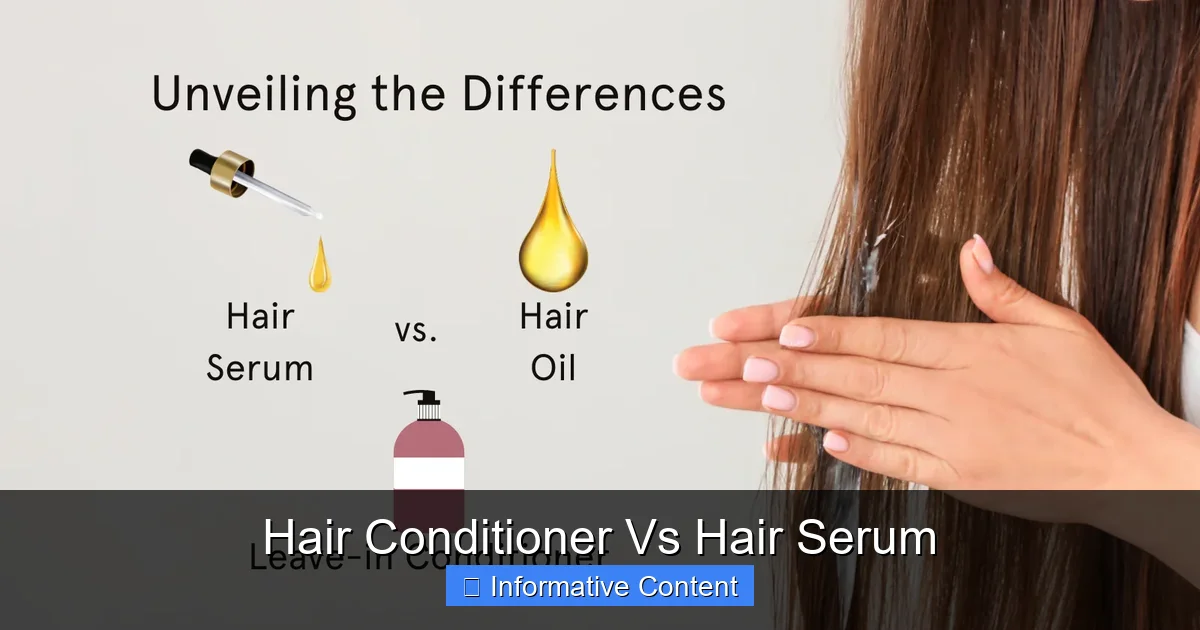
Navigating the world of hair care products can be confusing, especially when comparing hair conditioner vs hair serum. While both aim to improve hair health and appearance, they serve fundamentally different purposes: conditioner primarily focuses on deep hydration, detangling, and smoothing the hair cuticle post-shampoo, whereas serum is a styling and treatment product designed to add shine, control frizz, protect from damage, and target specific concerns on the hair’s surface. Understanding these distinctions is key to achieving your desired hair goals.
Ever stood in the hair care aisle, staring at countless bottles, wondering what each one actually does? You’re not alone! It’s a common scenario, especially when it comes to differentiating between products that seem to have similar goals: making your hair look and feel amazing. Two of the most frequently confused contenders are hair conditioner and hair serum. Both promise healthier, shinier, and more manageable locks, but they go about achieving those results in distinctly different ways.
It’s easy to assume they’re interchangeable or that one can simply replace the other. However, understanding the unique role of hair conditioner vs hair serum is like having a secret weapon for your hair routine. Each product is formulated with specific ingredients to target different parts of your hair and address various concerns. Using them correctly, either individually or in tandem, can dramatically improve your hair’s appearance and health, transforming it from dull and lifeless to vibrant and strong.
So, let’s clear up the confusion once and for all. By diving deep into what each product is, how it works, and when to use it, you’ll gain the knowledge to confidently choose the right products for your hair’s specific needs. Get ready to unlock the full potential of your hair care routine as we explore the essential differences and complementary benefits of hair conditioner vs hair serum.
Key Takeaways
- Primary Function: Hair conditioner moisturizes, detangles, and smooths the hair cuticle, serving as a foundational step for hair health after shampooing. Hair serum is a styling and treatment product that adds shine, controls frizz, protects, and addresses specific surface concerns.
- Application & Timing: Conditioner is typically applied to wet, shampooed hair, left on for a few minutes, and then rinsed out. Serum is a leave-on product, usually applied to damp or dry hair, focusing on mid-lengths and ends.
- Ingredient Focus: Conditioners often contain emollients, humectants, and proteins to penetrate the hair shaft for hydration and repair. Serums are typically rich in silicones, oils, and botanical extracts that coat the hair for surface smoothing, shine, and protection.
- Results & Benefits: Conditioner leads to softer, more manageable, and less tangled hair, improving overall hair health. Serum provides immediate cosmetic benefits like intense shine, frizz control, heat protection, and a sleek finish.
- Hair Type Suitability: All hair types benefit from conditioner as a regular part of their wash routine. Serums are chosen based on specific concerns like frizz, dullness, or heat exposure, and can be tailored to various hair types.
- Can You Use Both? Absolutely! They are complementary. Conditioner should always be used first to nourish and prep the hair, followed by serum as a finishing touch or targeted treatment.
Quick Answers to Common Questions
Can I use hair serum instead of conditioner?
No, hair serum cannot replace conditioner. Conditioner provides internal hydration and detangling that serum doesn’t. Serum is a styling and protective product, while conditioner is a foundational care product.
Which is better for frizzy hair, conditioner or serum?
Both are beneficial for frizzy hair. Conditioner helps by smoothing the cuticle for overall manageability, while serum directly targets and seals the hair’s surface to control frizz and humidity in the immediate term.
Do I apply conditioner or serum first?
Always apply conditioner first, after shampooing, and then rinse it out. Hair serum is a leave-on product applied afterwards to damp or dry hair, typically before styling or as a finishing touch.
Can hair conditioner make my hair greasy?
Yes, if applied excessively or too close to the roots, especially for oily or fine hair. Focus conditioner on the mid-lengths and ends and rinse thoroughly to prevent greasiness.
Does hair serum help with split ends?
Hair serum can temporarily coat and “seal” split ends, making them appear smoother and less noticeable. However, it cannot permanently repair split ends; only a trim can remove them.
📑 Table of Contents
What Exactly Is Hair Conditioner?
Think of hair conditioner as your hair’s daily dose of hydration and nourishment. It’s an indispensable part of most hair care routines, designed to follow shampooing, which, while cleansing, can sometimes strip your hair of its natural oils and leave the cuticles open and rough. Conditioner steps in to restore balance, making your hair smoother, softer, and much easier to manage.
The Purpose and Core Function of Conditioner
The primary role of hair conditioner is to hydrate and moisturize your hair. When you shampoo, it lifts the hair’s outer layer, known as the cuticle, to clean it. This can leave your hair feeling rough and tangled. Conditioner works by sealing the cuticle back down, creating a smooth surface. This action not only makes your hair feel incredibly soft but also helps to:
- Detangle: By smoothing the cuticle, conditioner reduces friction between hair strands, making it much easier to comb through knots and tangles, especially after washing.
- Moisturize: It replenishes moisture lost during shampooing, preventing dryness and brittleness.
- Improve Shine: A smooth cuticle reflects light better, leading to visibly shinier hair.
- Reduce Breakage: Well-conditioned hair is more elastic and less prone to breakage when brushed or styled.
- Enhance Manageability: Hair becomes more pliable and easier to style.
Key Ingredients You’ll Find in Conditioners
Conditioners are formulated with a blend of ingredients that work together to achieve their hydrating and smoothing effects. Some common components include:
- Emollients: These are oils and fatty alcohols (like cetyl alcohol, stearyl alcohol) that soften and smooth the hair, filling in gaps in the cuticle.
- Humectants: Ingredients like glycerin and hyaluronic acid draw moisture from the air into the hair, keeping it hydrated.
- Proteins: Hydrolyzed proteins (e.g., wheat, keratin, silk) can temporarily patch damaged areas of the hair shaft, adding strength and reducing breakage.
- Cationic Surfactants: These positively charged molecules are attracted to the negatively charged hair, helping to smooth the cuticle and reduce static.
Types of Conditioners and How to Use Them
There’s a conditioner for almost every need:
- Rinse-Out Conditioners: The most common type, applied after shampoo and rinsed out after a few minutes. Ideal for daily hydration.
- Leave-In Conditioners: Applied to damp hair and not rinsed out. They provide continuous moisture, detangling, and protection, especially beneficial for dry, curly, or fine hair prone to tangles.
- Deep Conditioners/Hair Masks: More intensive treatments with higher concentrations of active ingredients. Used once or twice a week, left on for a longer period (5-20 minutes), often with heat, for deep repair and hydration.
- Cleansing Conditioners (Co-wash): A single product that cleanses and conditions simultaneously, without traditional shampoo. Great for very dry or curly hair that benefits from minimal suds.
To use most rinse-out conditioners, apply a generous amount from the mid-lengths to the ends of your hair (avoiding the scalp if your hair gets oily easily) after shampooing. Let it sit for 2-3 minutes, then rinse thoroughly with cool water to seal the cuticles.
What Exactly Is Hair Serum?
Now, let’s turn our attention to hair serum. Unlike conditioner, which primarily focuses on internal hair health and hydration, hair serum is more of an external styling and treatment product. It’s designed to coat the surface of your hair, providing immediate cosmetic benefits and often offering protection from environmental stressors.
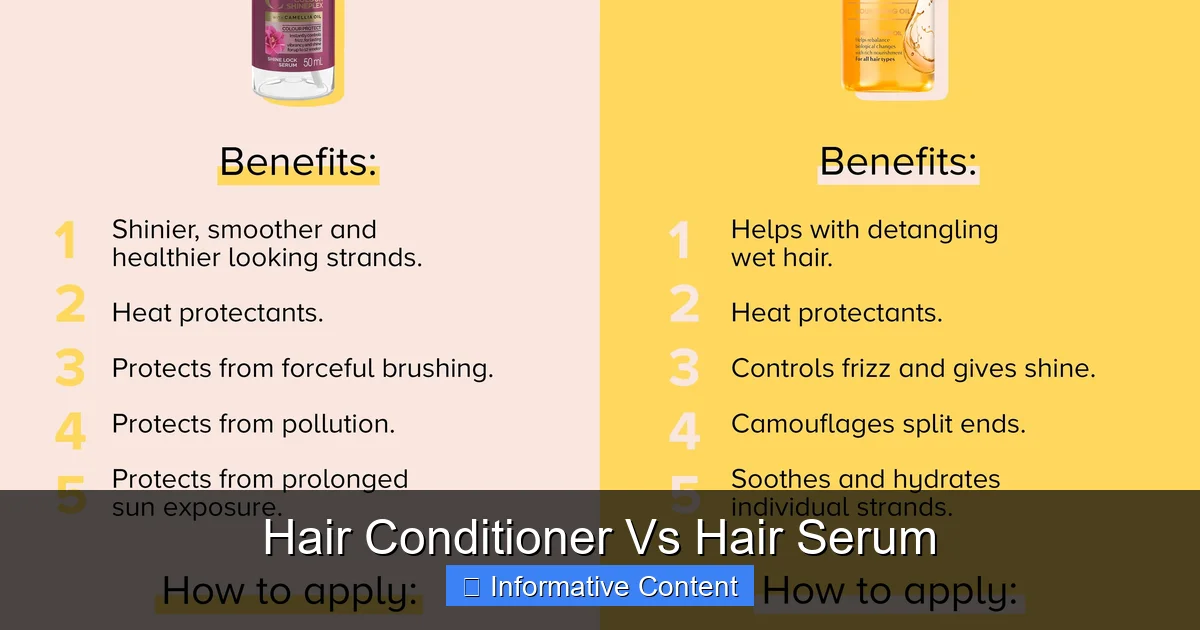
Visual guide about Hair Conditioner Vs Hair Serum
Image source: i.pinimg.com
The Purpose and Core Function of Serum
Hair serum acts like a protective and beautifying shield for your hair. Its main goal is to improve your hair’s texture and appearance instantly, offering benefits like:
- Adding Shine: Serums create a smooth, reflective surface that makes hair appear incredibly glossy and healthy.
- Controlling Frizz: By smoothing down the hair cuticle and creating a barrier, serums effectively tame flyaways and reduce frizz, especially in humid conditions.
- Protecting from Damage: Many serums contain ingredients that shield hair from heat styling, UV rays, and pollution.
- Softening Hair: While not as deeply hydrating as conditioner, serums can make hair feel silkier to the touch.
- Enhancing Style: Serums can help define curls, straighten hair, or add volume, depending on their specific formulation.
- Targeted Treatments: Some serums are formulated to address specific concerns like split ends, dryness, or even hair growth.
Key Ingredients You’ll Find in Serums
The ingredient profile of a hair serum differs significantly from a conditioner, focusing on surface effects and protection:
- Silicones: These are the workhorses of most serums (e.g., dimethicone, cyclomethicone). They form a smooth, breathable film over the hair, providing shine, frizz control, and heat protection without feeling greasy.
- Natural Oils: Argan oil, jojoba oil, coconut oil, and almond oil are often included for their nourishing properties and ability to add shine and softness.
- Botanical Extracts: Plant extracts provide antioxidants and other beneficial compounds that can protect and strengthen hair.
- Vitamins: Vitamins like E or B5 can be added for their conditioning and protective benefits.
- UV Filters: Some serums include ingredients to protect hair from sun damage.
Types of Serums and How to Use Them
Serums come in various formulations, each tailored to a specific need:
- Shine-Enhancing Serums: Primarily silicone-based to deliver high gloss.
- Frizz-Control Serums: Often combine silicones with oils to smooth frizz and block humidity.
- Heat Protectant Serums: Formulated with heat-activated polymers that shield hair from styling tools.
- Hair Growth Serums: Contain ingredients like biotin, caffeine, or peptides to stimulate follicles (these are more of a treatment than a styling product).
- Damage Repair Serums: Aim to temporarily seal split ends and reduce the appearance of damage.
Hair serums are typically applied to damp, towel-dried hair before styling, or to dry hair for a finishing touch. Use a very small amount (a pea-sized drop for most hair types), warm it between your palms, and then gently apply it to the mid-lengths and ends of your hair, focusing on areas prone to frizz or dullness. Avoid applying too much to the roots, as it can weigh hair down or make it look greasy.
The Core Differences: Hair Conditioner vs Hair Serum
Now that we’ve explored each product individually, let’s explicitly highlight the fundamental distinctions between hair conditioner vs hair serum. Understanding these differences is crucial for building an effective hair care routine.
Primary Function: Hydration vs. Styling & Protection
- Hair Conditioner: Its main function is deeply internal and restorative. It’s about replenishing moisture, improving hair’s intrinsic health, detangling, and smoothing the hair cuticle post-wash. Think of it as a nourishing meal for your hair, working on the hair shaft itself.
- Hair Serum: Its primary role is external and immediate. It’s a styling aid and protective barrier that sits on the surface of the hair to add shine, control frizz, protect from environmental aggressors, and facilitate styling. It’s like the finishing glaze or protective coating.
Application Method and Timing: Rinse-Out vs. Leave-On
- Hair Conditioner: Almost always applied to wet hair after shampooing and then rinsed out. It’s an integral part of your wash day routine.
- Hair Serum: A leave-on product, applied to either damp, towel-dried hair before styling, or to dry hair as a finishing touch. It’s not meant to be rinsed off and continues to work until your next wash.
Ingredient Focus: Penetration & Repair vs. Surface Smoothing & Shine
- Hair Conditioner: Contains ingredients (emollients, humectants, proteins) designed to penetrate the hair shaft or bond with the cuticle to restore moisture, elasticity, and strength.
- Hair Serum: Primarily features ingredients (silicones, oils) that create a film or coating on the hair’s surface. These don’t typically penetrate deeply but excel at smoothing, protecting, and adding shine externally.
Hair Type Suitability: Universal Need vs. Targeted Concern
- Hair Conditioner: Essential for virtually all hair types, regardless of concern. Every hair type benefits from hydration and cuticle smoothing to prevent damage and maintain health.
- Hair Serum: While many hair types can use serum, it’s typically chosen to address specific cosmetic concerns like frizz, dullness, or heat damage. You select a serum based on what immediate effect you want to achieve for your hairstyle.
Desired Results: Long-Term Health vs. Immediate Aesthetic Improvement
- Hair Conditioner: Aims for long-term hair health – softness, strength, manageability, and reduced breakage over time. Its effects are cumulative.
- Hair Serum: Delivers immediate aesthetic improvements – instant shine, frizz reduction, a sleek look, and heat protection for that day’s styling.
Can You Use Both? (And How to Do It Right)
This is where the magic happens! The short answer is a resounding YES. Hair conditioner and hair serum are not mutually exclusive; in fact, they are highly complementary. Think of them as different stages in a comprehensive hair care routine, each contributing its unique benefits to the overall health and appearance of your hair.
The “Layering” Concept
Using both hair conditioner and hair serum is a fantastic way to ensure your hair is both healthy from the inside out and looks incredible on the outside. The key is understanding the layering concept: you build your routine from the innermost needs of your hair to its outermost appearance.
- Conditioner first: Addresses the foundational needs of your hair by hydrating, detangling, and smoothing the cuticle after cleansing. It preps your hair.
- Serum second: Comes in as the finishing touch, locking in moisture, adding shine, protecting from external elements, and perfecting your style.
Optimal Order of Application
For most hair types and concerns, here’s the recommended order for using hair conditioner vs hair serum:
- Shampoo: Cleanse your scalp and hair thoroughly.
- Rinse-Out Conditioner: Apply after shampooing, focusing on mid-lengths to ends. Leave on for the recommended time, then rinse thoroughly. This step is crucial for hair health.
- Towel Dry: Gently squeeze excess water from your hair with a towel until it’s damp, not dripping wet.
- Leave-In Conditioner (Optional): If your hair is particularly dry, tangled, or needs extra protection, apply a leave-in conditioner at this stage.
- Hair Serum: Take a small amount of serum, warm it in your palms, and apply it evenly to your damp hair, concentrating on the mid-lengths and ends. This is where the serum provides its frizz-fighting, shine-boosting, and protective benefits.
- Style as Usual: Proceed with blow-drying, air-drying, or heat styling. If you’re heat styling, ensure your serum has heat-protectant properties, or use a separate heat protectant spray before the serum.
- Finishing Touch (Optional): For extra shine or to tame any last flyaways, a tiny bit of serum can be applied to dry hair as a final step.
Tips for Combining Both Products Effectively
- Don’t Overdo It: Especially with serum, a little goes a long way. Too much can make your hair look greasy or weighed down. Start with a pea-sized amount and add more only if needed.
- Choose Wisely: Select conditioners and serums that are suitable for your specific hair type and concerns. For instance, if you have fine hair, look for lightweight formulas. If you have thick, coarse hair, you might benefit from richer products.
- Listen to Your Hair: Pay attention to how your hair responds. If it feels weighed down or greasy, you might be using too much product or products that are too heavy for your hair type.
- Focus Application: Always apply conditioner and serum from mid-lengths to ends, avoiding the roots unless specifically directed (e.g., a scalp-specific serum).
- Consider Your Climate: In humid conditions, a good frizz-control serum after conditioning can be a lifesaver.
Choosing the Right Product for Your Hair Needs
Deciding between hair conditioner vs hair serum, or understanding how to use them together, ultimately comes down to knowing your hair. Your hair type, specific concerns, and desired results are your compass.
Assess Your Hair Type
Different hair types react differently to products:
- Fine Hair: Needs lightweight conditioners to avoid weighing it down. Serums should also be very light and used sparingly to add shine without looking greasy.
- Thick/Coarse Hair: Can handle richer, more hydrating conditioners and heavier serums to manage frizz and add softness.
- Oily Hair: Focus conditioner on ends only; use a lightweight serum very sparingly and avoid roots.
- Dry/Damaged Hair: Benefits greatly from deep conditioners and nourishing serums rich in oils to restore moisture and shine.
- Curly/Wavy Hair: Often needs intense hydration from conditioners and frizz-controlling, curl-defining serums.
- Color-Treated Hair: Opt for color-safe conditioners and serums that protect against fading and add shine.
Identify Your Hair Concerns
What are your biggest hair struggles? This will guide your choice between hair conditioner vs hair serum, or the type of each product you choose.
- Frizz: A primary concern for serums. Look for frizz-control serums.
- Dullness/Lack of Shine: Serums are excellent for instant shine.
- Tangling/Knots: A good conditioner is your first line of defense. A leave-in conditioner can also help.
- Dryness/Brittleness: Deep conditioners are essential. Serums with nourishing oils can also provide surface hydration.
- Heat Damage: Serums with heat protectants are crucial if you frequently use hot tools.
- Split Ends: While only a trim can truly remove split ends, some serums can temporarily “seal” them, improving their appearance.
- Lack of Manageability: Conditioner will significantly improve this.
Consider Your Desired Outcome
Are you looking for daily maintenance, a specific style, or a long-term treatment?
- For everyday softness and health: A good rinse-out conditioner is non-negotiable.
- For sleekness, shine, and frizz control on styled hair: A hair serum is your go-to.
- For deep repair and intense moisture once a week: A deep conditioner or hair mask.
- For continuous hydration and detangling throughout the day: A leave-in conditioner.
A Practical Guide for Selection
Here’s a quick thought process:
- Start with Conditioner: Every hair care routine needs a conditioner. Choose one tailored to your hair type (e.g., “volumizing” for fine, “moisturizing” for dry, “color-safe” for treated).
- Evaluate Your Styling Needs: Do you often use heat tools? Do you battle frizz in humidity? Do you want a mirror-like shine? If yes, then a hair serum is likely beneficial.
- Target Specific Issues: If split ends are a major concern, or you want to protect your hair from pollution, add a specialized serum.
- Layer Mindfully: Remember the order – cleanse, condition, then treat/style with serum. Less is often more when combining products.
Conclusion
By now, the distinction between hair conditioner vs hair serum should be crystal clear. They are far from interchangeable; instead, they are complementary powerhouses in the world of hair care. Hair conditioner lays the foundation for healthy hair by deeply hydrating, detangling, and smoothing the hair cuticle, ensuring your strands are soft, strong, and manageable from the inside out. Hair serum, on the other hand, is your secret weapon for immediate aesthetic enhancement, providing a protective layer that adds dazzling shine, controls frizz, and shields your hair from external aggressors, perfecting your look.
Embrace both products in your routine, understanding their unique roles and the optimal way to layer them. Your hair will thank you for the thoughtful attention, rewarding you with not just a stunning appearance but also robust health. So go ahead, experiment, and confidently choose the perfect combination of hair conditioner vs hair serum to unlock your hair’s full potential and achieve the luscious locks you’ve always dreamed of!
Frequently Asked Questions
Is it necessary to use a conditioner every time I wash my hair?
Yes, it’s highly recommended to use a conditioner every time you shampoo your hair. Shampoo cleanses but can also strip natural oils and open the hair cuticle, and conditioner helps restore moisture, detangle, and smooth the cuticle, preventing damage.
How often should I use hair serum?
The frequency of using hair serum depends on your hair type and concerns. For daily shine and frizz control, a small amount can be used daily or every time you wash your hair before styling. If your hair is fine or gets greasy easily, you might prefer using it every other day or only when styling.
Are silicones in hair serums bad for my hair?
Silicones have gotten a bad rap, but they are generally safe and effective for hair. They create a protective barrier, add shine, and reduce frizz. If you’re concerned about buildup, regular clarifying shampoos can help remove them, or you can opt for water-soluble silicones or silicone-free serums.
Can I use a leave-in conditioner and a hair serum together?
Yes, you absolutely can! Apply your leave-in conditioner first to provide internal moisture and detangling. Once absorbed, follow with a small amount of hair serum to add shine, control frizz, and provide surface protection. Remember to use sparingly to avoid weighing down your hair.
What’s the difference between a hair serum and a hair oil?
While often confused, hair serums are typically formulated with a higher concentration of silicones and active ingredients to create a lightweight film for shine, frizz control, and protection. Hair oils, on the other hand, are primarily composed of natural plant oils that aim to deeply nourish, moisturize, and soften hair, often penetrating the hair shaft more effectively than a serum’s surface-level action.
Can men use both hair conditioner and hair serum?
Absolutely! Hair conditioner and hair serum are unisex products. Men can benefit from conditioner for healthy, manageable hair and use serum to style, add shine, control frizz, or protect their hair, especially if they have longer hair or style it frequently.