
How Do You Get Hair Out of the Shower Drain?

Dealing with a hair-clogged shower drain can be frustrating, but many effective solutions exist. From simple preventive measures like drain screens and regular brushing to DIY remedies such as baking soda and vinegar, or specialized tools like drain snakes, you can easily learn how to get hair out of the shower drain. Knowing the right method for your situation, coupled with consistent maintenance, will keep your shower flowing freely.
Ah, the dreaded moment. You’re enjoying a relaxing shower, the warm water cascading over you, when suddenly you notice it: a small pool forming around your feet. The water isn’t draining as quickly as it should, and a quick glance confirms your suspicion. There’s a collection of hair, soap scum, and who-knows-what-else slowly but surely creating a blockage. It’s a universal problem for anyone with hair, and knowing how to get hair out of the shower drain is a skill every homeowner eventually needs.
A clogged shower drain isn’t just an annoyance; it can lead to standing water, unpleasant odors, and even potential damage to your pipes if left unaddressed. But don’t despair! You don’t always need to call a professional plumber right away. Many effective methods exist to tackle these hairy situations, from simple DIY solutions using household items to specialized tools that make quick work of even stubborn clogs. This article will walk you through everything you need to know about how to get hair out of the shower drain, ensuring your daily rinse remains a refreshing experience, not a foot bath.
Key Takeaways
- Prevention is Paramount: Regularly use hair catchers and brush your hair before showering to significantly reduce hair accumulation in the drain.
- Start with Simple DIY: For minor clogs, methods like a plunger, boiling water, or baking soda and vinegar can often resolve the issue without harsh chemicals.
- Invest in Basic Tools: A simple drain snake or hair snare tool is highly effective and relatively inexpensive for physically removing hair clogs from your shower drain.
- Use Chemical Cleaners with Caution: If opting for chemical solutions, always follow safety instructions, ensure good ventilation, and be aware of potential damage to older pipes or septic systems.
- Know When to Call a Pro: Don’t hesitate to contact a plumber for persistent clogs, multiple affected drains, or if DIY methods repeatedly fail, as deeper issues might be at play.
- Regular Maintenance Matters: Consistent cleaning and proactive steps are crucial to prevent future blockages and ensure your shower drain remains clear and functional.
📑 Table of Contents
Prevention is Key: Stopping Hair Before It Starts
The best way to deal with a hair-clogged shower drain is to prevent it from happening in the first place. A little proactive effort can save you a lot of hassle down the line. Preventing hair from ever reaching the drain’s narrow pipes means you won’t have to wonder how to get hair out of the shower drain so frequently.
Hair Catchers and Drain Screens
This is perhaps the simplest and most effective preventive measure. Hair catchers, or drain screens, are inexpensive devices that sit over or in your drain, acting as a filter. They catch hair, soap scum, and other debris before it can enter your plumbing system. There are various types available, from silicone strainers that suction onto the tub floor to metal screens that fit directly into the drain opening. Regularly clean these catchers after each shower – just pick up the collected hair and toss it in the trash.
Regular Hair Brushing Before Showering
Many people lose a significant amount of hair while showering. Brushing your hair thoroughly before you step into the shower can drastically reduce the amount of loose hair that ends up in the drain. A quick brush-through ensures most of the shed hairs are captured in your brush, which you can then clean and dispose of properly. This simple habit makes a big difference in preventing blockages and reduces the need to learn how to get hair out of the shower drain repeatedly.
Avoiding Washing Hair Down the Drain
For those with very long or thick hair, even brushing beforehand might not catch everything. Some people find it helpful to collect fallen hair during the shower and dispose of it in the trash rather than letting it go down the drain. You can stick it to the shower wall temporarily or simply gather it as you wash. It might sound a bit unconventional, but it’s incredibly effective at keeping your pipes clear.
Simple DIY Methods for Minor Clogs
When you notice the water isn’t draining quite right, but it’s not a full-blown blockage, these easy DIY methods are your first line of defense. They use common household items and can often resolve minor hair clogs before they become major headaches. These methods are excellent starting points when you need to figure out how to get hair out of the shower drain without specialized tools.
Visual guide about How Do You Get Hair Out of the Shower Drain?
Image source: wikihow.com
The Plunger Method
A good old-fashioned plunger can work wonders for many drain clogs, including those caused by hair. Make sure you use a cup-style plunger, not a toilet plunger. To use it effectively:
- Remove the drain cover if possible.
- Fill the tub or shower base with enough water to submerge the rim of the plunger.
- Place the plunger firmly over the drain, creating a tight seal.
- Pump vigorously 10-15 times.
- Quickly pull the plunger up to break the seal.
Repeat this process a few times. The suction and pressure can dislodge the hair clog, pushing it further down or bringing it closer to the surface where you can remove it. This is often the first thing people try when they wonder how to get hair out of the shower drain.
Boiling Water Flush
For minor clogs that are primarily made of grease, soap scum, and some hair, a boiling water flush can be surprisingly effective. The hot water helps to dissolve soap and grease, potentially loosening the hair clump. However, use this with caution:
- Boil a pot of water.
- Carefully pour the boiling water directly down the drain in stages, allowing a few seconds between pours.
Important Note: Do NOT use boiling water if you have PVC pipes or if your shower drain is connected to an older, potentially brittle plastic pipe system, as extremely hot water can damage or warp them. Never use boiling water if you’ve recently used a chemical drain cleaner, as this can create dangerous fumes.
Baking Soda and Vinegar Solution
This eco-friendly solution creates a fizzing reaction that can help break down hair, grease, and soap scum, making it easier to flush away. It’s a popular natural method for those looking for how to get hair out of the shower drain without harsh chemicals.
- Pour about 1 cup of baking soda down the clogged drain.
- Follow with 1 cup of white vinegar.
- Immediately cover the drain with a stopper or a rag to contain the fizzing reaction within the pipe.
- Let it sit for at least 30 minutes, or even overnight for tough clogs.
- Flush the drain thoroughly with hot water (again, use caution with boiling water and PVC pipes).
The combination creates a gentle acidic reaction that can help loosen the clog. You might need to repeat this process a few times for the best results.
Tools of the Trade: When DIY Needs a Boost
Sometimes, simple DIY methods aren’t enough to dislodge a stubborn hair clog. That’s when it’s time to bring in some specialized, yet still very accessible, tools. These tools are designed specifically for the task of how to get hair out of the shower drain, making the job much easier.
Drain Snake/Hair Snare Tool
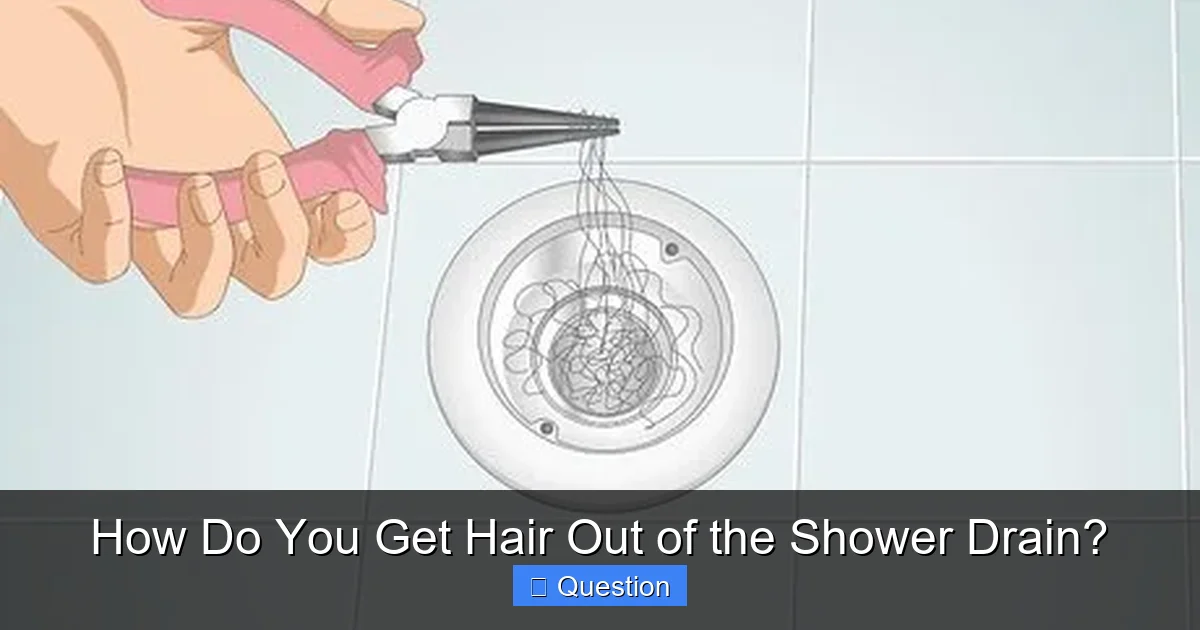
A drain snake, often called a hair snare tool or drain auger, is one of the most effective ways to physically pull hair clogs out of the drain. These flexible plastic or metal strips have barbed edges or a small claw at one end, designed to grab onto hair and pull it back up. They are inexpensive and widely available at hardware stores.
- Remove the drain cover. You might need a screwdriver or pliers for this.
- Insert the drain snake slowly into the drain opening. Push it gently until you feel resistance, which is likely the clog.
- Once you hit the clog, twist and wiggle the snake to entangle the hair.
- Slowly and carefully pull the snake back out of the drain. Be prepared for a greasy, hairy mess!
- Dispose of the gunk in the trash and flush the drain with hot water to clear any remaining debris.
This method is highly effective because it directly addresses the problem – physically removing the hair. Learning how to get hair out of the shower drain using this tool is a game-changer.
Pliers and Screwdrivers (for Drain Cover Removal)
Often, the biggest hurdle is just getting to the clog. Many shower drains have covers that are screwed in or simply sit in place. A basic set of pliers and screwdrivers (both Phillips and flathead) are indispensable for removing these covers. Once the cover is off, you have direct access to insert a drain snake or even reach in with gloved fingers if the clog is shallow.
Wet/Dry Shop Vac (for Stubborn Clogs)
For particularly stubborn clogs that are close to the drain opening, a wet/dry shop vac can sometimes literally suck the clog out. This method uses powerful suction, but it needs to be done correctly to avoid making a bigger mess.
- Ensure the shop vac is set to “wet” mode.
- Remove the drain cover.
- Create as tight a seal as possible between the vacuum hose and the drain opening. You might need to use a towel or a flexible hose attachment to help.
- Turn on the shop vac and let it run for a minute or two.
The powerful suction might be enough to pull the hair clog out. Be warned, it can be a rather messy process, but often very effective when you need to know how to get hair out of the shower drain that’s really stuck.
Chemical Drain Cleaners: Use with Caution
Chemical drain cleaners are often seen as a quick fix, but they come with significant caveats. While they can dissolve hair and other organic matter, they should be used as a last resort due to potential safety hazards and environmental concerns. Knowing how to get hair out of the shower drain using these products requires careful consideration.
Understanding Chemical Drain Cleaners
These products typically contain strong corrosive chemicals (like lye, bleach, or sulfuric acid) that generate heat and break down organic materials. They work by dissolving the hair, rather than physically removing it. They are powerful, but their power comes with risks.
Safety First: Precautions and Ventilation
If you choose to use a chemical drain cleaner, always prioritize safety:
- Read the Label: Follow the manufacturer’s instructions exactly. Different products have different active ingredients and usage guidelines.
- Wear Protective Gear: Always wear rubber gloves and eye protection to prevent skin and eye contact.
- Ensure Ventilation: Open windows and turn on the bathroom fan. The fumes can be potent and dangerous to inhale.
- Never Mix Chemicals: Do NOT mix different drain cleaners or combine them with other household cleaners (like bleach and ammonia), as this can create toxic and deadly gases.
- Avoid Overuse: Using too much or too frequently can damage pipes over time, especially older ones.
When to Avoid Chemical Solutions
Chemical drain cleaners are not suitable for all situations:
- Septic Systems: Many chemical cleaners can harm the beneficial bacteria in your septic tank, disrupting its function.
- Old or Damaged Pipes: The heat and corrosive nature of these chemicals can further weaken old or already damaged pipes, potentially leading to leaks.
- Completely Clogged Drains: If the drain is completely blocked, the chemical cleaner will just sit in the pipe and not reach the clog effectively, creating a pool of corrosive material.
- After Other Methods: Never use a chemical cleaner immediately after attempting to use a plunger or a drain snake, as splashing could be dangerous.
While chemical solutions can appear to be a simple answer to how to get hair out of the shower drain, their risks often outweigh the benefits, especially when safer, equally effective alternatives are available.
When to Call a Professional Plumber
Despite your best efforts, there are times when a hair clog is simply beyond your DIY capabilities. Knowing when to call in a professional plumber can save you time, frustration, and potentially prevent more significant plumbing problems down the road. If you’ve tried everything to learn how to get hair out of the shower drain and nothing works, it’s time for an expert.
Recurring Clogs
If you find yourself frequently dealing with a clogged shower drain, even after successfully clearing it yourself, it might indicate a deeper, more systemic issue. This could be anything from a buildup further down the main drain line to tree roots infiltrating the pipes outside your home.
Multiple Drains Affected
When not just your shower drain, but also your sink, toilet, or other drains in your home are slow or clogged, it’s a strong sign of a main line blockage. This is definitely a job for a professional, as it requires specialized equipment to inspect and clear the main sewer line.
Unsuccessful DIY Attempts
You’ve tried the plunger, the baking soda and vinegar, the drain snake, and perhaps even a chemical cleaner (with caution, of course). If the water still isn’t draining, or is only draining very slowly, it’s time to admit defeat and call in the cavalry. Professionals have industrial-grade tools and expertise to tackle even the most stubborn blockages.
Suspecting Deeper Issues
Sometimes, a clog comes with other worrying signs: strange gurgling noises from other drains, foul odors, or water backing up in unexpected places. These symptoms point to something more serious than a simple hairball. A plumber can accurately diagnose the problem using cameras to inspect the inside of your pipes and apply the correct solution.
A professional plumber might use a heavy-duty drain auger, hydro-jetting equipment, or other specialized tools to effectively clear the obstruction without damaging your plumbing system. They can also offer advice on long-term prevention strategies to keep your drains flowing freely.
Conclusion
Dealing with a hair-clogged shower drain is a common nuisance, but one that is usually easily remedied with the right approach. From simple preventive measures like using hair catchers and brushing your hair before showering, to effective DIY techniques like plunging or using baking soda and vinegar, there are many ways to tackle the problem yourself. When those methods aren’t enough, an inexpensive drain snake or hair snare tool can often do the trick, providing a direct solution for how to get hair out of the shower drain.
Remember to always prioritize safety, especially if you opt for chemical drain cleaners, and know when it’s time to call in a professional for persistent or complex clogs. By understanding these various methods and incorporating regular maintenance into your routine, you can keep your shower drain clear, your water flowing freely, and ensure your daily shower remains a truly relaxing experience, free from standing water and plumbing woes.
Frequently Asked Questions
How often should I clean my shower drain to prevent hair clogs?
Ideally, you should clean your shower drain cover or hair catcher after every shower. For the drain itself, a monthly flush with hot water, or a baking soda and vinegar solution, can help prevent significant buildup and keep it flowing smoothly.
Can I use a clothes hanger to get hair out of the shower drain?
Yes, a straightened wire coat hanger with a small hook bent at the end can be a makeshift drain snake. While not as effective as a dedicated hair snare tool, it can sometimes be useful for shallow hair clogs close to the drain opening.
Are chemical drain cleaners safe for all types of pipes?
No, chemical drain cleaners are not safe for all pipes. They can be particularly harsh on older, corroded metal pipes, or certain types of plastic pipes (like PVC), potentially causing damage, warping, or leaks. Always check your pipe material and the product’s warning labels before use.
What if the hair clog is really far down the drain?
If the hair clog is very deep and cannot be reached with a standard drain snake, it’s likely time to call a professional plumber. They have longer, more powerful augers and inspection cameras to locate and clear deep-seated obstructions in your plumbing system.
Will a plunger always work for a hair clog?
A plunger can be effective for many hair clogs, especially those that are not too densely packed or too far down the pipe. However, if the clog is particularly stubborn, very compacted, or tangled with other debris, a plunger alone might not generate enough force or suction to dislodge it.
How can I make sure hair doesn’t clog my drain again after I clear it?
To prevent future hair clogs, consistently use a hair catcher or drain screen in your shower. Brush your hair thoroughly before showering to remove loose strands, and consider performing a simple baking soda and vinegar flush or hot water rinse down the drain monthly as a preventive measure.