
How Long Does It Take for Hair to Grow Back?
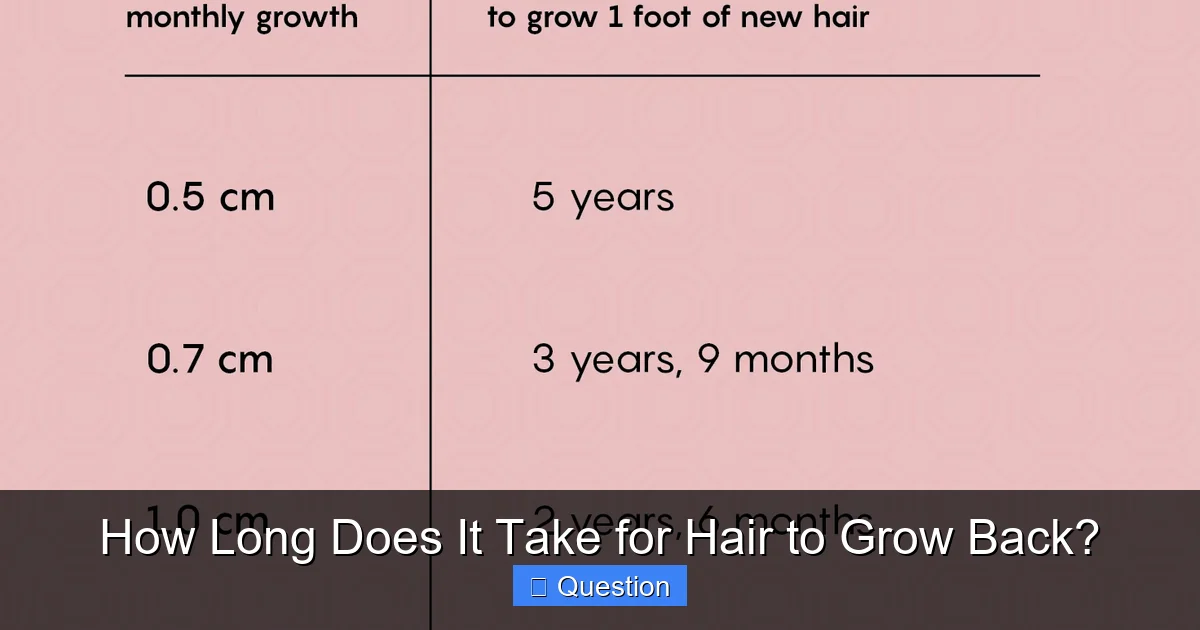
How long does it take for hair to grow back? The answer varies greatly, depending on individual factors like genetics, age, and overall health, as well as the specific cause of hair loss. Generally, hair grows about 0.5 inches (1.25 cm) per month, but complete regrowth after significant loss can take anywhere from a few weeks to several months or even years, intricately tied to the natural hair growth cycle.
How Long Does It Take for Hair to Grow Back?
Have you ever looked in the mirror after a bad haircut, a particularly stressful period, or even after undergoing a medical treatment, and wondered, “How long until my hair grows back?” It’s a question many of us ponder at some point, whether we’re yearning for longer locks, recovering from hair loss, or just curious about our body’s amazing processes. The truth is, there’s no single, one-size-fits-all answer.
The speed and success of hair regrowth are influenced by a fascinating interplay of biology, personal circumstances, and even lifestyle choices. From the intricate cycles of individual hair follicles to broader factors like your diet and overall health, understanding these elements can shed light on what to expect when you’re patiently waiting for your hair to make its glorious return. Let’s dive deep into the world of hair growth and discover what truly makes it tick, and how long you might be waiting for your hair to grow back.
Key Takeaways
- Average Growth Rate: Human hair typically grows about 0.5 inches (1.25 cm) per month, or 6 inches (15 cm) per year, but this can vary.
- The Hair Growth Cycle is Key: Hair growth occurs in four main stages—Anagen (growth), Catagen (transition), Telogen (resting), and Exogen (shedding). The duration of these phases significantly impacts how long hair takes to grow back.
- Many Factors Influence Regrowth: Genetics, age, nutrition, overall health, hormonal balance, and scalp condition all play a crucial role in how quickly your hair grows back.
- Regrowth Timelines Vary by Cause: Hair grows back almost immediately after a shave, but after plucking, it takes a few weeks. For hair loss due to conditions like Telogen Effluvium or chemotherapy, it can take months, while some forms of permanent alopecia may prevent hair from growing back at all.
- Supportive Care Helps: A balanced diet, gentle hair care, stress management, and maintaining a healthy scalp can create an optimal environment for hair to grow back faster and healthier.
- When to Seek Professional Advice: If you experience sudden, significant, or persistent hair loss, or if your hair isn’t growing back as expected, consulting a dermatologist can help identify underlying causes and treatment options.
📑 Table of Contents
The Science Behind Hair Regrowth: Understanding the Hair Growth Cycle
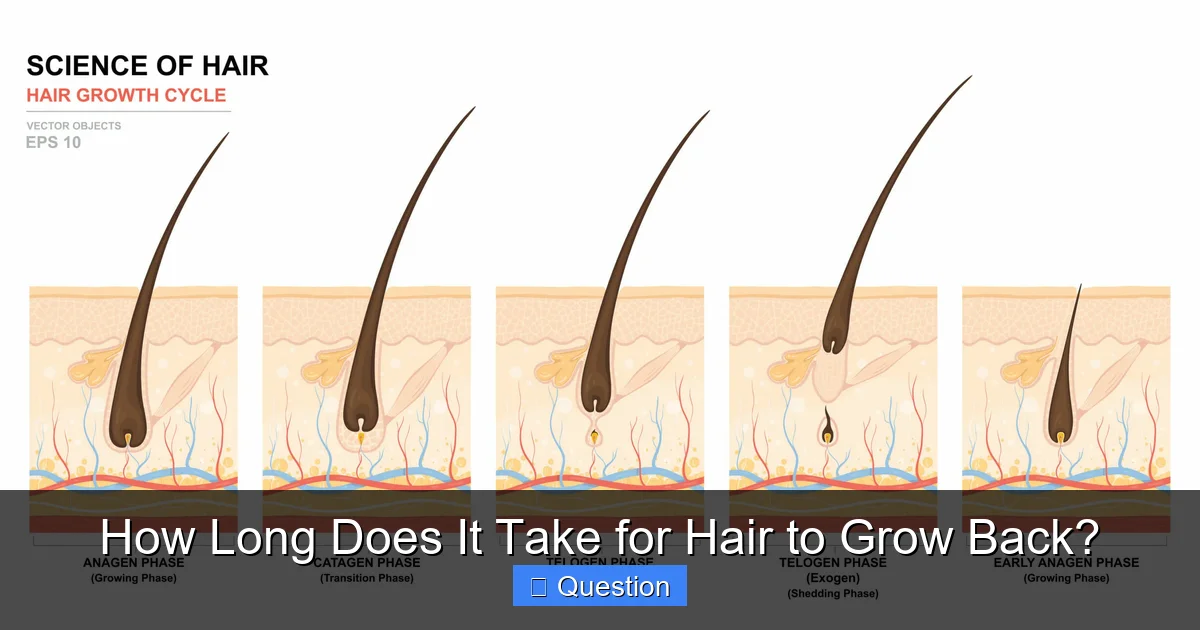
Before we can talk about how long it takes for hair to grow back, it’s essential to understand the basic mechanics of how hair grows in the first place. Each strand of hair on your head goes through a continuous, cyclical process involving growth, rest, and shedding. This is known as the hair growth cycle, and it consists of four distinct phases.
Anagen Phase (Growing)
This is the active growth phase, where hair cells rapidly divide, and new hair forms. About 85-90% of all the hair on your head is in this phase at any given time. The longer your hair stays in the anagen phase, the longer it can grow. For scalp hair, this phase typically lasts anywhere from 2 to 7 years, but it can be shorter for body hair. Genetics largely determine the duration of your anagen phase, which is why some people can grow their hair much longer than others.
Catagen Phase (Transition)
After the anagen phase, hair enters a short transitional period called the catagen phase. This phase lasts only about 2 to 3 weeks. During this time, hair growth stops, the hair follicle shrinks, and detaches from the dermal papilla, which is the blood supply that nourishes the hair. Only about 1% of your hair is in this phase at any given moment.
Telogen Phase (Resting)
The telogen phase is a resting period for the hair follicle. It lasts about 2 to 4 months, and roughly 10-15% of your hair is in this phase. During this time, the old hair strand rests in the follicle while a new hair begins to grow underneath it. This new growth will eventually push the old hair out.
Exogen Phase (Shedding)
Sometimes considered a sub-phase of telogen, the exogen phase is when the old hair actively sheds. This is a natural part of the cycle, and it’s why we typically lose 50-100 hairs daily. The new hair then takes its place, restarting the cycle. If this phase is prolonged or an excessive amount of hair enters it prematurely, it can lead to noticeable hair thinning or loss.
Understanding these cycles is crucial because when we talk about hair growing back, we’re talking about a new hair starting its anagen phase, not just a cut strand suddenly getting longer.
What Influences How Quickly Your Hair Grows Back?
Visual guide about How Long Does It Take for Hair to Grow Back?
Image source: livethatglow.com
The speed at which your hair grows back isn’t just about the hair cycle; it’s a complex interaction of various internal and external factors. Many things can either accelerate or impede the process.
Genetics and Age
Your genes play a significant role in determining your hair’s natural growth rate, density, and thickness. If your parents have fast-growing hair, chances are you will too. Age also plays a part; hair growth tends to slow down as we get older, and follicles can produce thinner, less pigmented hair over time.
Nutrition and Overall Health
A healthy diet rich in vitamins, minerals, and proteins is fundamental for optimal hair growth. Essential nutrients like biotin, iron, zinc, and vitamins A, C, D, and E are critical for healthy hair follicle function. If your body lacks these vital nutrients, your hair might take longer to grow back, or it might grow back weaker and more brittle. Similarly, underlying health conditions such as thyroid disorders, autoimmune diseases, or chronic illnesses can significantly impact hair growth and lead to hair loss, making it much harder for hair to grow back effectively.
Hormonal Balance
Hormones have a powerful influence on hair growth. Fluctuations due to pregnancy, childbirth, menopause, or conditions like Polycystic Ovary Syndrome (PCOS) can cause temporary hair loss or changes in hair texture and growth speed. For example, many women experience postpartum hair loss (Telogen Effluvium) as hormone levels return to normal after pregnancy, but typically their hair does grow back within several months.
Scalp Health
A healthy scalp is the foundation for healthy hair growth. Conditions like dandruff, fungal infections, or excessive oil production can create an unfriendly environment for hair follicles, potentially slowing down growth or causing hair to shed prematurely. Inflammation or blockages in the follicles can also prevent hair from growing back optimally.
Damage and Trauma
Chemical treatments, excessive heat styling, tight hairstyles, and harsh brushing can damage hair strands and follicles. While the hair shaft itself is dead, repeated damage to the follicle can impair its ability to produce healthy hair, making it take longer for strong hair to grow back. Physical trauma or significant stress can also trigger temporary hair loss.
Timelines for Hair to Grow Back: Different Scenarios
Now that we understand the underlying biology and influencing factors, let’s explore some common scenarios and how long you might expect your hair to grow back in each case. Remember, these are general estimates, and individual results can vary.
After a Haircut or Shave
If you’ve simply had a haircut, the hair is still actively growing from the follicles, so you’ll see growth immediately at its standard rate of about 0.5 inches (1.25 cm) per month. For a shaved head, your hair technically isn’t “growing back” because the follicles were never removed; you just removed the hair shaft at the scalp’s surface. You’ll see stubble within 1-2 days, and a short buzz cut (1-2 inches) will take about 2-4 months to grow back. To get shoulder-length hair (about 12 inches), you’re looking at around 2 years of consistent growth.
After Plucking or Waxing
When hair is plucked or waxed, the entire hair strand, including the root, is removed from the follicle. However, the follicle itself usually remains intact. The follicle then needs to regenerate a new hair, which typically starts its anagen (growth) phase within 3-6 weeks. So, you can expect to see noticeable regrowth within a month or two, but it will be a new, short hair.
Post Hair Loss Conditions (e.g., Telogen Effluvium, Alopecia Areata)
* Telogen Effluvium: This common condition involves a sudden, widespread shedding of hair, often triggered by stress, illness, childbirth, surgery, or significant lifestyle changes. It typically causes hair follicles to prematurely enter the telogen (resting) phase. Once the underlying trigger is resolved, hair usually begins to grow back within 3-6 months. Full density might take 12-18 months to return.
* Alopecia Areata: This is an autoimmune condition where the immune system mistakenly attacks hair follicles, leading to patchy hair loss. In many cases, the follicles are not permanently destroyed, and hair can grow back on its own within a few months to a year, sometimes even longer. However, regrowth is unpredictable, and it can reoccur. Treatment can sometimes accelerate regrowth.
* Androgenetic Alopecia (Male/Female Pattern Baldness): This is a genetic condition that causes gradual hair thinning and loss. In these cases, hair often doesn’t fully grow back in the affected areas without consistent treatment. Treatments like minoxidil or finasteride can help slow loss and stimulate some regrowth, but they need to be used continuously.
After Chemotherapy
Chemotherapy drugs are designed to target rapidly dividing cells, which unfortunately includes hair follicle cells. This often leads to significant, sometimes complete, hair loss. However, once chemotherapy treatment stops, hair usually begins to grow back within 2-3 weeks, often as a soft fuzz. This initial hair may be different in texture or color than your original hair. It generally takes 3-6 months for a noticeable amount of hair to grow back, and 12-18 months for it to regain significant length and thickness.
Growing Out Damaged Hair (e.g., from Dye, Heat)
If your hair is damaged from chemical treatments (like harsh dyes or perms) or excessive heat styling, the damaged portions won’t “heal” or grow back to their original healthy state. Instead, you’ll need to grow out the healthy hair from the roots and gradually cut off the damaged ends. This means you’re waiting for new, healthy hair to emerge at your scalp’s average growth rate (about 0.5 inches per month). Depending on the extent of the damage and your desired length, this could take several months to a few years to completely remove all damaged sections.
Practical Tips to Encourage Healthy Hair Regrowth
While you can’t drastically alter your genetic growth rate, you can certainly create the best possible environment for your hair to grow back strong and healthy.
Nourish from Within: Diet and Supplements
Eat a balanced diet rich in proteins (lean meats, fish, eggs, legumes), healthy fats (avocado, nuts, seeds), and plenty of fruits and vegetables for essential vitamins and minerals. Consider supplements like biotin, collagen, or iron if you have a known deficiency, but always consult with a doctor before starting any new supplement regimen.
Gentle Hair Care Practices
* Avoid harsh chemicals: Limit coloring, perming, and relaxing, or choose gentler, ammonia-free options.
* Reduce heat styling: Let your hair air dry when possible, and use heat protectants if you must use heat tools.
* Brush gently: Use a wide-tooth comb or a soft-bristle brush, especially when hair is wet and most vulnerable.
* Loose hairstyles: Avoid tight ponytails, braids, and buns that can pull on hair follicles and lead to traction alopecia.
Maintain Scalp Health
Keep your scalp clean and free from product buildup. Gentle massage can increase blood circulation to the follicles, which may promote growth. If you have scalp issues like dandruff or itchiness, use appropriate medicated shampoos or treatments.
Manage Stress
Chronic stress can push a significant number of hair follicles into the resting phase prematurely, leading to Telogen Effluvium. Incorporate stress-reducing activities into your daily routine, such as meditation, yoga, exercise, or spending time in nature.
Consider Topical Treatments
Over-the-counter options like minoxidil (Rogaine) can stimulate hair growth in some individuals, particularly for androgenetic alopecia. Natural oils like rosemary oil or peppermint oil, when diluted, are also anecdotally used for scalp stimulation, though scientific evidence for their efficacy is still emerging. Always do a patch test before applying new products.
When to Consult a Professional
While some hair loss and regrowth timelines are normal, there are times when it’s wise to seek professional medical advice. If you notice:
* Sudden or extensive hair loss.
* Hair loss accompanied by itching, redness, or pain on the scalp.
* No regrowth after several months, especially if you suspect a specific trigger has passed.
* Changes in your hair that concern you, such as increased thinning or breakage.
A dermatologist or a trichologist (a specialist in hair and scalp health) can help diagnose the underlying cause of your hair loss and recommend appropriate treatments, ensuring you get the best possible outcome for your hair to grow back.
Conclusion
So, how long does it take for hair to grow back? It’s a journey, not a sprint, and the timeline is as unique as you are. On average, hair grows about half an inch a month, but everything from your genes to your lifestyle impacts this rate. Whether you’re recovering from a significant hair loss event or just patiently growing out a short cut, understanding the hair growth cycle and embracing supportive hair care practices can make a world of difference. Be patient with your body, nourish it well, and soon enough, you’ll be enjoying the healthy, strong hair you’ve been waiting for.
Frequently Asked Questions
How fast does hair generally grow?
On average, human hair grows about 0.5 inches (1.25 cm) per month, which equates to roughly 6 inches (15 cm) per year. However, this rate can vary from person to person due to genetics, age, and overall health.
Can stress make my hair take longer to grow back?
Yes, significant physical or emotional stress can trigger a condition called Telogen Effluvium, where a large number of hair follicles prematurely enter the resting phase. This can cause widespread shedding and delay hair from growing back normally until the stress is managed.
Do hair growth supplements actually work?
Hair growth supplements can be effective if your hair loss or slow growth is due to a nutritional deficiency (e.g., biotin, iron, zinc). However, if your diet is already balanced, or if the cause of hair loss is genetic or hormonal, supplements may have little to no effect. Always consult a doctor before starting new supplements.
How long does it take for hair to grow back after shaving my head?
After shaving your head, your hair technically isn’t “growing back” from zero since the follicles remain intact. You’ll see stubble in a day or two, about an inch of growth in two months, and it will take roughly 2 years to achieve shoulder-length hair.
What’s the difference between hair growing back after plucking vs. loss?
After plucking or waxing, the entire hair strand is removed, but the follicle usually remains intact and will regenerate a new hair, taking about 3-6 weeks to restart growth. With hair loss (like from Telogen Effluvium), the hair sheds on its own, and the follicle goes into a prolonged resting phase before new hair starts to grow back, which can take several months.
Can diet really affect how quickly my hair grows back?
Absolutely. A diet rich in essential nutrients like protein, iron, zinc, and vitamins A, C, D, and E is crucial for healthy hair follicle function and strong hair growth. Nutritional deficiencies can significantly slow down hair growth and impact its quality, making it take longer for hair to grow back robustly.