
How Long to Leave Bleach in Hair?
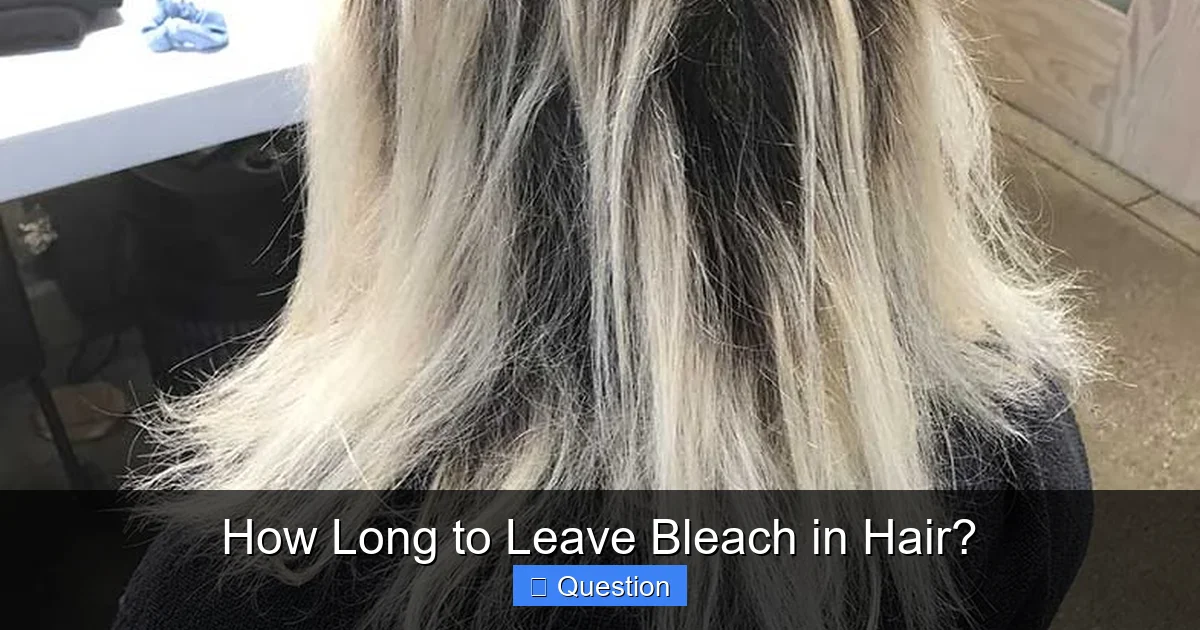
Bleaching hair is a delicate process where timing is everything. Knowing how long to leave bleach in hair is crucial to prevent damage and achieve your desired lift. Factors like hair type, desired shade, and bleach strength all influence the processing time, requiring careful monitoring to ensure stunning, healthy results.
How Long to Leave Bleach in Hair?
Bleaching your hair at home can be an exciting journey toward a new look. Whether you dream of vibrant platinum, sun-kissed highlights, or a bold fashion color that needs a light base, bleach is often the first step. It promises transformation, but also comes with a significant responsibility: understanding exactly how it works and, more importantly, how long to leave bleach in hair. This isn’t a one-size-fits-all answer, and getting it wrong can lead to anything from disappointing results to serious hair damage.
This comprehensive guide will demystify the bleaching process, helping you navigate the crucial question of timing. We’ll delve into the science behind bleaching, explore the various factors that influence processing time, and provide practical, step-by-step advice to ensure your bleaching experience is as safe and effective as possible. Our goal is to empower you with the knowledge needed to achieve beautiful, healthy, lightened locks without compromising your hair’s integrity. Getting the timing right is the single most important factor for success and safety when considering how long to leave bleach in hair.
So, if you’re standing in front of the mirror, bleach kit in hand, wondering “how long to leave bleach in hair?”, take a deep breath. Patience and knowledge are your best tools. Let’s dive into making your hair lightening dreams a reality without the nightmare of damage.
Key Takeaways
- Strand Test is Non-Negotiable: Always perform a strand test on a small, hidden section of hair first. This is the only reliable way to predict how your hair will react and determine the ideal processing time for your specific hair type and desired outcome.
- Hair Condition Matters Most: The health and virginity of your hair significantly impact how long it can tolerate bleach. Healthy, virgin hair typically processes differently than previously colored, chemically treated, or damaged hair, which requires extra caution.
- Monitor Constantly: Do not just set a timer and walk away. Visually check your hair’s progress every 5-10 minutes. Look for the desired lift and assess your hair’s integrity (elasticity and texture) throughout the process.
- Never Exceed Maximum Time: Most bleach products have a maximum recommended processing time, often between 45-60 minutes. Exceeding this limit dramatically increases the risk of severe damage, breakage, and chemical burns, even if your hair hasn’t reached the desired shade.
- Developer Volume Influences Speed: Higher volume developers (e.g., 30 or 40 volume) work faster and are more potent, but also harsher. Lower volumes (e.g., 10 or 20 volume) offer a slower, gentler lift, ideal for finer hair or achieving subtle changes. Choose based on your desired lift and hair health.
- Rinse Promptly When Done: As soon as your hair reaches the desired level of lightness, or when you hit the maximum processing time, rinse the bleach out immediately with cool water to halt the chemical action.
- Aftercare is Essential: Post-bleaching hair is vulnerable. Follow up with deep conditioning treatments, protein masks, and gentle hair care to restore moisture and strength, minimizing potential damage.
📑 Table of Contents
The Science of Bleaching: How It Works
Before we discuss how long to leave bleach in hair, it’s helpful to understand what bleach actually does to your hair. Your natural hair color comes from melanin, a pigment found in your hair shaft. There are two main types: eumelanin (which creates black and brown tones) and pheomelanin (which creates red and yellow tones).
The Chemical Reaction
Bleach works through a process called oxidation. When you mix bleach powder (which contains persulfates) with a developer (hydrogen peroxide), a chemical reaction begins. This mixture then penetrates your hair cuticle and breaks down the melanin pigments within the hair shaft. As the melanin is broken down, your hair progressively lightens, moving through various stages of red, orange, yellow, and finally, pale yellow. This process is irreversible; once melanin is removed, it cannot be put back. This is why understanding how long to leave bleach in hair is so critical.
Why Timing is Crucial
The longer bleach stays on your hair, the more melanin it breaks down, and the lighter your hair becomes. However, bleach doesn’t just attack pigment; it also weakens the hair structure. The cuticles are forced open, and the inner protein bonds can be compromised. Leaving bleach on for too long can strip your hair of its natural oils, elasticity, and strength, leading to dryness, frizz, breakage, and even chemical burns on your scalp. On the flip side, not leaving it on long enough means your hair won’t reach the desired lightness, potentially leaving you with unwanted brassy or orange tones. This delicate balance is why the question of “how long to leave bleach in hair” is so important.
Factors Influencing Bleach Processing Time
Visual guide about How Long to Leave Bleach in Hair?
Image source: livinggorgeous.com
There’s no universal answer to how long to leave bleach in hair because several factors come into play. Each of these elements will influence how quickly your hair lifts and how long it can safely endure the bleaching process.
Hair Type and Condition
- Natural Color: Darker hair has more eumelanin and takes longer to lighten than lighter hair.
- Hair Thickness: Thicker hair generally takes longer to process than fine hair because it has more layers of cuticle and denser pigment.
- Virgin vs. Processed Hair: Virgin hair (hair that has never been chemically treated) typically lifts more predictably and can often handle bleach for slightly longer than hair that has been previously colored, permed, or relaxed. Processed hair is already compromised and requires extreme caution.
- Hair Health: Damaged, dry, or brittle hair should never be bleached without significant pre-treatment and professional consultation. Healthy hair will always react better to bleach.
Desired Lift
How light do you want to go? This is a major factor in how long to leave bleach in hair.
- Subtle Highlights: If you only need a slight lift (1-2 levels), your processing time will be shorter.
- Dramatic Lightening: To go from dark brown to platinum blonde, you’ll need a longer processing time, possibly multiple sessions, and careful monitoring. Each level of lift requires more time for the bleach to work.
Bleach Strength (Developer Volume)
The developer (hydrogen peroxide) mixed with the bleach powder comes in different volumes:
- 10 Volume: Gentlest, slowest lift. Ideal for fragile hair, subtle lightening, or toning already lightened hair. Can take up to 60 minutes.
- 20 Volume: Most common and versatile. Provides a good balance of lift and control. Suitable for most hair types and can lift 2-3 levels. Processing time typically 30-45 minutes.
- 30 Volume: Stronger, faster lift. Can lift 3-4 levels. Use with caution, primarily on healthy, virgin hair and with experience. Max processing time often 30-40 minutes.
- 40 Volume: The most potent. Not recommended for at-home use due to high risk of severe damage and chemical burns. Extremely fast processing, very harsh.
Generally, the lower the volume, the longer you might leave it on (within safe limits), but the gentler the process. Higher volumes mean less time is needed, but the risk of damage increases significantly.
Heat and Environment
Applying heat (like from a dryer or even warm room temperature) can speed up the bleaching process. While some salons use controlled heat, it’s generally best to avoid external heat when bleaching at home, as it can be difficult to monitor and easily lead to over-processing. A warm room can be enough to accelerate the lift.
The Golden Rules for Bleaching Your Hair Safely
Before you even think about how long to leave bleach in hair, follow these crucial steps to protect your locks and scalp.
Always Strand Test
This is perhaps the most important tip. Before applying bleach to your entire head, mix a tiny amount and apply it to a small, inconspicuous section of hair (e.g., from underneath your ear or at the nape of your neck). Time how long it takes to reach your desired lightness and observe your hair’s condition. This will give you an accurate idea of how long to leave bleach in hair for your specific situation.
Patch Test for Allergies
Always perform a patch test 48 hours before bleaching. Apply a tiny bit of the mixed bleach to a discreet area of skin (like behind your ear or inner elbow) to check for any allergic reactions.
Prep Your Hair
- Don’t Wash Immediately: Bleaching on slightly dirty hair (1-2 days unwashed) can protect your scalp with its natural oils.
- Deep Condition Ahead: For a week or two prior, use deep conditioning treatments to ensure your hair is as healthy and hydrated as possible.
- Section Meticulously: Divide your hair into clean, manageable sections. This ensures even application and prevents some areas from processing longer than others.
Monitor Constantly
Do not leave the room once the bleach is applied. Check your hair every 5-10 minutes. Look for the color change. When assessing how long to leave bleach in hair, visual cues are more important than the clock alone.
Never Exceed Maximum Time
Most bleach products specify a maximum processing time, typically 45-60 minutes. Regardless of whether your hair has reached your desired lightness, never, ever exceed this time. The chemical reaction continues to damage your hair even if it stops visibly lightening.
A Step-by-Step Guide to Bleach Application and Timing
Here’s how to approach the actual bleaching process, with a focus on timing.
1. Gather Your Tools and Protect Yourself
You’ll need: bleach kit, non-metallic bowl and applicator brush, gloves, old towels, protective cape, timer, clips for sectioning, petroleum jelly (for skin protection), and a mirror. Lay out everything you need. Apply petroleum jelly around your hairline and ears to prevent scalp irritation.
2. Mix the Bleach
Follow the manufacturer’s instructions precisely for mixing ratios. Use a non-metallic bowl and stir thoroughly until smooth and lump-free. Work in a well-ventilated area.
3. Application Strategy
Apply the bleach quickly and evenly. Speed is crucial because the bleach starts working the moment it’s mixed, and you want all sections to process as similarly as possible.
- Roots Last: If you’re bleaching your whole head, apply to the mid-shaft and ends first. Your roots process faster due to scalp heat, so apply to them last, about 10-15 minutes into the total processing time.
- Saturate Thoroughly: Ensure every strand is fully saturated. Dry spots or uneven application will lead to patchy results.
4. Monitoring the Process
This is where your strand test knowledge comes in.
- Visual Checks: Every 5-10 minutes, gently scrape a little bleach off a small section of hair with the back of your brush. Observe the color. Is it lifting evenly? Has it reached the shade you want?
- Elasticity Test: Gently pull a strand of hair. If it feels gummy, overly stretchy, or starts to break easily, rinse immediately! Your hair is severely compromised. This is a critical indicator for how long to leave bleach in hair.
- Timing from Application: Start your timer from the moment you begin applying the bleach, not when you finish. This helps manage the overall duration.
5. Rinsing and Aftercare
Once your hair reaches the desired lightness, or you hit the maximum processing time, it’s time to rinse!
- Rinse Thoroughly: Rinse your hair with cool water for several minutes until all traces of bleach are gone. Cool water helps close the cuticle.
- Shampoo and Condition: Use a gentle, pH-balancing shampoo specifically designed for bleached hair, followed by a deep conditioning treatment or a bond-repairing mask. This is vital to rehydrate and strengthen your hair after the harsh chemical process.
- Tone if Needed: If your hair still has unwanted yellow or orange tones, you might need to apply a toner. This is a separate process and should be done after your hair has had a chance to rest.
Common Mistakes and How to Avoid Them
Even with the best intentions, mistakes can happen. Knowing what to watch out for can prevent disaster when figuring out how long to leave bleach in hair.
Leaving it on Too Long
This is the most common and damaging mistake. As discussed, it leads to severe dryness, breakage, and a gummy texture. Always adhere to the maximum processing time recommended by the product. If your hair isn’t light enough, it’s better to rinse, re-assess, and plan for a second, separate bleaching session a few weeks later.
Not Enough Bleach Mixture
If you skimp on the bleach, you’ll end up with uneven lightening and possibly orange patches because some areas didn’t get enough product to process properly. Always mix enough to saturate your hair fully. When in doubt, make a little extra.
Uneven Application
Rushing or improper sectioning can lead to splotchy results where some areas are lighter than others. Take your time with application and ensure every strand is coated. Remember the roots-last rule for overall bleaching.
Ignoring Hair Condition
Bleaching already damaged hair is a recipe for disaster. If your hair is brittle, over-processed, or prone to breakage, postpone bleaching and focus on intensive repair treatments first. A professional stylist can assess your hair’s health and advise if it’s safe to proceed.
Skipping Aftercare
Bleach strips your hair, making aftercare non-negotiable. Skipping deep conditioners, protein treatments, and gentle styling can prolong damage and make your hair look and feel awful. Invest in good quality aftercare products.
Conclusion
Understanding how long to leave bleach in hair is not just about getting the right shade; it’s about safeguarding the health and integrity of your hair. The process is a delicate balance of chemical reaction and careful monitoring, tailored to your unique hair type and desired outcome. There’s no magic number, but by performing a strand test, choosing the right developer, applying meticulously, and monitoring constantly, you empower yourself to achieve beautiful, lightened hair safely.
Always prioritize your hair’s health over achieving an instant, dramatic result. Patience, preparation, and proper aftercare are your allies in the bleaching journey. If you’re ever unsure, especially with significant color changes or previously processed hair, consulting a professional stylist is always the wisest choice. Bleaching at home can be incredibly rewarding when done correctly, so take your time, be smart, and enjoy your stunning new look!
Frequently Asked Questions
Can I leave bleach on for an hour?
Most bleach products have a maximum recommended processing time, often 45-60 minutes. While some formulas might allow an hour, it’s generally not advisable to exceed this, as hair can become severely damaged regardless of whether it has reached the desired lightness.
What happens if I leave bleach in my hair for too long?
Leaving bleach in hair for too long can lead to severe damage, including excessive dryness, a gummy or elastic texture, breakage, and even “chemical cuts” where hair breaks off. It can also cause chemical burns to the scalp.
How do I know when my hair is done processing?
You know your hair is done processing when it has reached your desired level of lightness, as determined by visual checks on a scraped-off strand, or when you reach the maximum processing time recommended by the bleach manufacturer. Always prioritize the maximum time over desired lightness if you haven’t quite gotten there.
Does heat speed up bleach processing?
Yes, heat does speed up the bleach processing time. While some professionals use controlled heat, it’s generally recommended to avoid external heat sources when bleaching at home, as it can make the process unpredictable and significantly increase the risk of over-processing and damage.
Should I wash my hair before bleaching?
It’s generally recommended not to wash your hair immediately before bleaching. Bleaching on slightly dirty hair (1-2 days unwashed) allows your scalp’s natural oils to provide a protective barrier against irritation, and your cuticles will be slightly more closed, offering a little more resistance to the bleach.
Can I bleach my hair twice in one day?
Bleaching your hair twice in one day is highly discouraged due to the extreme risk of severe damage and breakage. Hair needs time to recover and rebuild its strength after the harsh chemical process. If your hair isn’t light enough after the first session, it’s best to wait several weeks, focusing on intensive conditioning treatments, before considering a second, gentler lightening session.