
How Often Should I Trim My Hair?
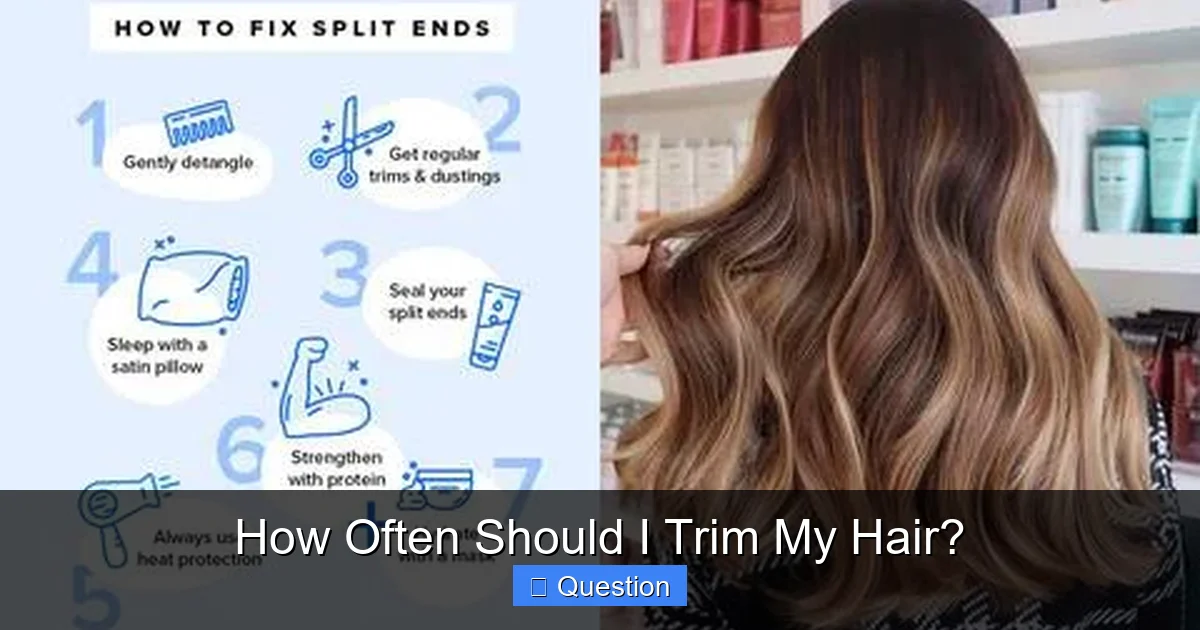
Figuring out how often you should trim your hair depends entirely on your unique hair type, current condition, and desired style. While there’s no one-size-fits-all answer, regularly removing split ends and maintaining shape is crucial for healthy growth and vibrant locks. Listen to your hair’s signals – frizz, tangles, and visible split ends are clear indicators it’s time for a snip.
Welcome to the age-old hair dilemma: “How often should I trim my hair?” It’s a question almost everyone has asked their stylist, their friends, or even themselves in the mirror. You’ve probably heard everything from “every six weeks like clockwork!” to “only when you see split ends!” It can feel confusing, right?
The truth is, there’s no single magic number that works for everyone. Your hair is as unique as you are, and its needs can change over time. What works for someone with super long, straight hair might be completely different for someone rocking a short, curly bob. But don’t worry, we’re here to demystify the process and help you figure out the best trimming schedule for your beautiful locks.
Regular trims are a cornerstone of healthy hair care, but the *frequency* is key. It’s not just about getting rid of split ends; it’s about maintaining your hair’s integrity, promoting healthy growth, and keeping your style looking fresh. Let’s dive into all the factors that influence your ideal trimming schedule and equip you with the knowledge to make the best decision for your mane.
Key Takeaways
- No One-Size-Fits-All: The ideal frequency for how often you should trim your hair varies greatly based on your individual hair type, current condition, length, and styling goals.
- Listen to Your Hair: Key indicators that you need a trim include visible split ends, excessive frizz, persistent tangles, and a noticeable loss of your hair’s natural shape or bounce.
- Prevents Damage Spread: Regular trimming stops split ends from traveling further up the hair shaft, which prevents more extensive breakage and keeps your hair looking healthier overall.
- Promotes Healthy Growth: Trimming removes damaged, unhealthy ends, creating a better environment for new, healthy hair to grow from the roots. It doesn’t make hair grow faster, but it ensures the length you gain is strong.
- Maintains Style & Shape: For specific hairstyles like bobs, pixies, or layers, more frequent trims (every 4-8 weeks) are essential to maintain the crispness, structure, and intended look.
- Long Hair Needs Care Too: Even if you’re trying to grow your hair out, light dusting trims every 8-12 weeks are vital to remove unhealthy ends that could break off, ultimately hindering your progress towards longer, healthier hair.
- Condition Matters Most: Chemically treated, color-treated, or heat-damaged hair typically requires more frequent trims (every 6-8 weeks) to combat dryness, breakage, and keep it in the best possible condition.
📑 Table of Contents
The Golden Rule: It Depends!
When it comes to figuring out how often you should trim your hair, the honest answer is: it depends! It’s not a straightforward “cut it every X weeks” scenario. Think of it like a personalized haircut prescription. Many different elements play a role in how quickly your hair shows wear and tear, and therefore, how often it needs a snip.
Understanding Your Hair’s Needs
Every head of hair is different. Some hair types are more prone to damage, while others are incredibly resilient. For example, fine hair might show split ends sooner than thick hair because it’s more delicate. Chemically treated hair (think color, perms, or relaxers) will generally need more attention than virgin hair. Your lifestyle, styling habits, and even your diet can influence your hair’s health and, consequently, its need for a trim. Learning to “listen” to your hair is the first step in understanding its unique trimming rhythm.
The Myth of Hair Growth
Let’s clear up a common misconception: trimming your hair does *not* make it grow faster. Hair growth happens at the scalp, from the follicles. What trimming *does* do is remove unhealthy, damaged ends that could otherwise break off. By getting rid of these weak points, you prevent breakage that could make your hair appear to be growing slower or staying the same length. So, while trims don’t speed up growth, they ensure that the length you gain is healthy, strong, and less prone to breaking off. This helps you retain length, making your hair *feel* like it’s growing faster.
Factors Influencing Your Trimming Schedule

Visual guide about How Often Should I Trim My Hair?
Image source: 2.bp.blogspot.com
Many things come into play when deciding how often you should trim your hair. Understanding these factors will help you create a personalized trimming schedule that truly works for you.
Hair Type
Your hair’s natural texture and thickness play a huge role.
- Fine or Thin Hair: This hair type can be more fragile and prone to split ends due to its delicate structure. You might notice damage more quickly, potentially needing trims every 6-8 weeks.
- Thick or Coarse Hair: Generally more resilient, thick hair might not show damage as quickly. Trims every 8-12 weeks could be sufficient, especially if it’s healthy.
- Wavy or Curly Hair: Curls can hide split ends better than straight hair, but they also tend to be drier and more prone to frizz. Regular trims every 8-12 weeks, often with a dry cut method, help maintain curl definition and prevent tangles.
- Coily Hair: The most fragile hair type, coily hair is susceptible to breakage and dryness. While it might appear to grow slower due to shrinkage, regular dusting (very light trims) every 10-12 weeks can help retain length and prevent split ends from traveling up the shaft.
Hair Condition
The current health of your hair is a major indicator of how often you should trim your hair.
- Damaged Hair (Split Ends, Breakage, Dryness): If you see a lot of split ends, feel excessive dryness, or notice significant breakage, your hair is screaming for a trim. Damaged hair needs more frequent trims, perhaps every 4-6 weeks, to remove the unhealthy parts and prevent further deterioration.
- Healthy Hair: If your hair is in great shape, shiny, strong, and free of split ends, you can likely go longer between trims, maybe 10-12 weeks, or even up to 4 months.
- Chemically Treated Hair (Colored, Permed, Relaxed): Chemical processes weaken the hair structure, making it more vulnerable to damage. To combat dryness and breakage, aim for trims every 6-8 weeks.
Hair Length & Style
The way you wear your hair significantly impacts how often you need to get it trimmed.
- Short Hair Styles (Pixie, Bob): These styles rely on precise lines and shapes. To maintain the crispness and definition, you’ll need more frequent trims, typically every 4-8 weeks. A growing bob can quickly lose its chic edge!
- Long Hair: If you have long hair or are growing it out, it still needs attention. The ends are older and more exposed to damage. Light trims (often called “dusting”) every 8-12 weeks are crucial to prevent split ends from progressing up the hair shaft and ruining your hard-earned length.
- Layered Hair: Layers add movement and volume. To keep them looking intentional and not just like uneven growth, trims every 6-10 weeks are usually recommended.
Your Hair Goals
What you want from your hair also guides your trimming schedule.
- Growing It Out: While it might seem counterintuitive, regular trims are vital for growing healthy, long hair. Small trims every 8-12 weeks prevent breakage that would otherwise stop you from gaining length.
- Maintaining Length: If you’re happy with your current length, regular trims every 6-10 weeks will keep it looking fresh and healthy without sacrificing much length.
- Fresh, Styled Look: If you love your sharp bob or perfectly angled layers, more frequent trims (every 4-8 weeks) are necessary to maintain that “just-styled” appearance.
Typical Trimming Frequencies for Different Hair Types and Goals
Now that we’ve covered the factors, let’s look at some general guidelines for how often you should trim your hair in various scenarios. Remember, these are starting points, and you should always adjust based on how your hair is actually behaving.
Fine or Thin Hair
Fine hair tends to show damage more quickly. To keep it looking full and prevent wispy ends, aim for a trim every 6-8 weeks. This helps remove fragile ends before they split extensively.
Thick or Coarse Hair
Thick hair is often more robust. If your thick hair is generally healthy and you don’t style with a lot of heat, you might be able to go 8-12 weeks between trims. However, if it’s prone to dryness or frizz, closer to the 8-week mark might be better.
Chemically Treated or Heat-Damaged Hair
This is where more frequent trims become really important. If your hair is colored, permed, relaxed, or regularly styled with high heat, it’s under more stress. To prevent breakage and keep it looking its best, plan for a trim every 6-8 weeks. Sometimes, even 4-6 weeks might be necessary if the damage is severe.
Hair That’s Growing Out
Many people mistakenly skip trims when trying to grow their hair longer. This can backfire! The ends of long hair are the oldest and most susceptible to damage. To ensure the new growth is strong and healthy, and to prevent split ends from ruining your length gains, aim for a “dusting” (a very minimal trim, often just 1/4 to 1/2 inch) every 8-12 weeks.
Short Hair Styles (Bobs, Pixies)
Precision cuts like bobs, pixies, and short layered styles need frequent maintenance to retain their shape and definition. Expect to visit your stylist every 4-8 weeks to keep these styles looking sharp and intentional. A few extra weeks can quickly turn a chic bob into an awkward grow-out phase.
Long Hair
Even if your hair is long and healthy, it still benefits from regular attention. Long hair’s ends have seen a lot of life and are prone to dryness and split ends. To maintain strength, shine, and prevent further damage, a trim every 10-12 weeks is a good baseline.
Recognizing the Signs You Need a Trim
Your hair is constantly communicating with you. Learning to read its signals is the best way to determine how often you should trim your hair. Here are the tell-tale signs:
Split Ends Galore
This is the most obvious sign. Look closely at the very ends of your hair strands. Do you see them splitting into two or more pieces, or looking frayed? Split ends are irreversible, and if left untreated, they will continue to travel up the hair shaft, causing more damage and making your hair feel rough and look unhealthy. Once you see them, it’s time for a trim.
Frizz That Won’t Quit
While frizz can be caused by humidity or dryness, persistent frizz, especially at the ends, can indicate damage. When the outer layer of your hair (the cuticle) is damaged, it lifts, allowing moisture to enter and causing frizz. Trimming off these compromised ends can significantly reduce overall frizz.
Lack of Shape or Style
Does your once-perfect bob now look shapeless? Do your layers no longer frame your face correctly? Has your hair lost its bounce or natural curl pattern? When your hair loses its intended style and becomes limp or unruly, it’s a clear sign that the weight distribution is off, or the ends are too damaged to hold their shape. A trim will restore structure and vitality.
Dull and Lifeless Look
Healthy hair typically has a natural shine and vibrancy. If your hair looks consistently dull, lackluster, or just generally “blah,” even after conditioning, it might be due to damaged ends. Removing these tired ends can instantly bring back shine and make your hair look healthier and more alive.
Hair Tangles Easily
While all hair can tangle, excessive tangling, especially at the ends, can be a sign of damage. Split ends and rough cuticles can catch on each other, creating knots and snags. If you find yourself struggling with persistent tangles and knots, especially after washing, a trim can smooth things out and make detangling much easier.
The Benefits of Regular Trimming
Understanding how often you should trim your hair and actually doing it comes with a host of fantastic benefits for your hair’s health and appearance. It’s an investment in your hair’s future!
Preventing Damage from Spreading
This is perhaps the most crucial benefit. Split ends don’t just stay at the very tip; they can mercilessly travel up the hair shaft. Imagine a run in a stocking – it keeps going! If you ignore split ends, they will continue to weaken your hair, leading to more extensive breakage, thinner ends, and overall unhealthy-looking hair. Regular trims act as a protective barrier, stopping damage in its tracks.
Promoting Healthy Growth
While trimming doesn’t make your hair grow faster, it creates an optimal environment for growth. By regularly removing the damaged, weak parts of your hair, you ensure that the hair coming from your scalp isn’t fighting against unhealthy ends. This allows new, strong hair to grow and retain its length without breaking off prematurely, ultimately contributing to longer, healthier locks.
Maintaining Style and Shape
Every haircut has a specific design and structure. Over time, as your hair grows, that design changes. Layers fall out, blunt cuts lose their sharpness, and curls lose their bounce. Regular trims preserve the integrity of your hairstyle, keeping it fresh, defined, and exactly how it was intended to look. This means your hair looks great for longer between salon visits.
Enhancing Shine and Softness
Damaged hair, with its lifted cuticles and rough texture, tends to look dull and feel coarse. When you trim off these unhealthy ends, you expose smoother, healthier hair. This leads to a noticeable improvement in shine, as light can reflect more evenly off smooth cuticles. Your hair will also feel softer, silkier, and much more manageable.
Tips for Extending Time Between Trims (When Possible)
While trims are essential, sometimes life happens, or you might just want to see how long you can go. If you’re looking to maximize the time between your trims without completely sacrificing hair health, here are some strategies. These tips focus on preventing damage in the first place, so you have fewer split ends to cut off.
Gentle Hair Care Routine
Treat your hair with kindness. Use a wide-tooth comb to detangle, starting from the ends and working your way up. Avoid harsh scrubbing or rubbing with a towel after washing; instead, gently squeeze out excess water. Opt for silk pillowcases to reduce friction while you sleep, which can lead to less breakage.
Protective Styling
Give your hair a break from daily manipulation. Styles like braids, buns, twists, and ponytails (not too tight!) can protect your ends from environmental damage and friction. When your hair is up, it’s less exposed to snagging on clothes or getting caught in zippers.
Quality Hair Products
Invest in good quality shampoos, conditioners, and leave-in treatments that are suitable for your hair type. Look for products that offer hydration, strengthening, and heat protection. Regular deep conditioning treatments or hair masks once a week can significantly improve your hair’s resilience and prevent dryness that leads to split ends.
Heat Protection
Heat styling is a major culprit for hair damage. If you use heat tools (blow dryers, straighteners, curling irons), always apply a heat protectant spray beforehand. Also, try to limit how often you use heat and use the lowest effective temperature setting. Air-drying your hair whenever possible is a great way to give it a break.
Conclusion
So, how often should I trim my hair? As we’ve explored, there’s no single perfect answer, but by understanding your unique hair type, current condition, and styling goals, you can create a customized trimming schedule that keeps your hair healthy, vibrant, and beautiful. Pay close attention to the signs your hair gives you – those pesky split ends, persistent frizz, and a general lack of life are all calls for a snip.
Regular trims aren’t just about removing damage; they’re about preventing it from spreading, promoting stronger growth, maintaining your style, and enhancing your hair’s natural shine and softness. Think of your trims not as losing length, but as investing in the health and longevity of your hair. When in doubt, have a chat with your trusted hairstylist. They can offer personalized advice and help you embark on the perfect trimming journey for your gorgeous locks. Your hair will thank you!
Frequently Asked Questions
Does trimming hair make it grow faster?
No, trimming your hair does not make it grow faster. Hair growth originates from the follicles on your scalp. What trimming *does* do is remove damaged, split ends, which prevents breakage and helps you retain the length your hair gains, making it appear to grow longer and healthier.
What happens if I don’t trim my hair regularly?
If you don’t trim your hair regularly, split ends will worsen and travel further up the hair shaft, leading to more extensive breakage, dryness, and frizz. Your hair will lose its shape, become harder to manage, and ultimately look dull and unhealthy, hindering your ability to achieve or maintain desired length.
How often should I trim my hair if I’m growing it out?
Even when growing your hair out, regular light trims (often called “dusting”) are crucial. Aim for a trim every 8-12 weeks to snip off just the very ends. This removes split ends that would otherwise break off higher up, ensuring the length you gain is healthy and strong.
Can I trim my own hair?
While it’s possible to do a very light trim or “dusting” at home, especially if you’re skilled, it’s generally recommended to see a professional stylist. They have the right tools, training, and perspective to ensure an even cut, maintain your style’s shape, and remove damage effectively without causing more issues.
How do I know if I have split ends?
To check for split ends, take a small section of dry hair, twist it gently, and look closely at the very tips under good light. If you see individual strands splitting into two or more forks, or looking frayed and white, those are split ends, and it’s time for a trim.
Is it bad to trim hair too often?
Trimming hair *too* often, especially if you’re removing more than just the damaged ends, can prevent you from gaining length if that’s your goal. However, if your hair is severely damaged or you have a very short, precise style, frequent small trims can be beneficial. The key is finding the right balance for your hair’s needs and goals.