
How to Avoid Hair Breakage?
Hair breakage can be a frustrating challenge, but it’s often preventable with the right care and habits. By adopting gentle washing and styling techniques, prioritizing deep conditioning and hydration, protecting your hair from heat and chemical damage, and supporting its health with a nutritious diet, you can significantly strengthen your strands and effectively avoid hair breakage, leading to healthier, more resilient hair.
Ever look down at your brush or shower drain and see a disheartening amount of snapped hair strands? If so, you’re not alone. Hair breakage is a common concern that many people face, and it can leave your hair looking dull, frizzy, and much shorter than you’d like. It’s a sign that your hair isn’t as strong or healthy as it could be, and it’s definitely something we want to tackle head-on.
The good news is that understanding how to avoid hair breakage isn’t rocket science. It often comes down to a combination of gentle care, smart product choices, and healthy lifestyle habits. Think of your hair as a delicate fabric – it needs gentle handling, nourishment, and protection to stay beautiful and intact. By making a few mindful changes, you can significantly reduce breakage and pave the way for longer, stronger, and more vibrant locks.
This comprehensive guide is designed to walk you through everything you need to know to effectively avoid hair breakage. From understanding why your hair might be breaking to implementing daily routines and long-term strategies, we’ll cover practical tips and expert advice that you can start using today. Get ready to transform your hair care routine and say goodbye to frustrating breakage!
Key Takeaways
- Understand the Causes: Hair breakage often stems from dryness, harsh treatments, excessive heat, friction, or poor nutrition. Identifying the root cause is the first step to prevention.
- Embrace Gentle Care: Avoid vigorous scrubbing, rough towel drying, and aggressive brushing. Use wide-tooth combs, silk pillowcases, and soft microfiber towels to minimize friction and stress on your strands.
- Prioritize Hydration and Nourishment: Regularly use deep conditioners, hair masks, and leave-in treatments. Hydrated hair is elastic and less prone to snapping, making it easier to avoid hair breakage.
- Protect Against External Damage: Always use heat protectants before styling, shield your hair from sun exposure, and be cautious with chemical treatments. Protective hairstyles can also guard against environmental wear and tear.
- Fuel Hair Health Internally: A balanced diet rich in proteins, vitamins (especially A, C, D, E), and minerals (iron, zinc, biotin) is crucial. Stay well-hydrated to support overall hair vitality from within.
- Choose the Right Products: Select shampoos, conditioners, and styling products that match your hair type and address specific concerns, focusing on ingredients that strengthen and moisturize rather than strip or dry out your hair.
📑 Table of Contents
Understanding Hair Breakage: What It Is and Why It Happens
Before we dive into solutions, let’s get clear on what hair breakage actually is. Unlike natural hair shedding (where the entire strand, including the root, falls out), breakage occurs when the hair shaft snaps along its length. This often leaves you with short, uneven pieces of hair, split ends, and a noticeable lack of growth. Knowing the enemy is the first step to learning how to avoid hair breakage.
The Anatomy of Hair
Your hair strand is surprisingly complex. The outermost layer is the cuticle, made up of overlapping cells that protect the inner cortex. When the cuticle is smooth and intact, your hair looks shiny and feels soft. But when it’s damaged – lifted, chipped, or rough – the inner cortex becomes exposed and vulnerable, leading to dryness, weakness, and ultimately, breakage.
Common Causes of Breakage
Many factors contribute to hair breakage. Identifying your personal culprits is key to developing an effective strategy to avoid hair breakage.
- Dryness and Lack of Moisture: Dry hair is brittle hair. When your strands lack adequate moisture, they lose elasticity and become stiff, making them more prone to snapping. This is a huge reason people struggle to avoid hair breakage.
- Excessive Heat Styling: Frequent use of hot tools like flat irons, curling irons, and blow dryers without proper protection can strip hair of its natural moisture, weaken the cuticle, and cause damage that leads to breakage.
- Chemical Treatments: Dyes, bleaches, perms, and relaxers can significantly alter the hair’s structure. While they can achieve stunning results, they can also severely compromise hair integrity if not done correctly or if overused, leading to increased fragility.
- Mechanical Damage: This is damage caused by physical friction. Think aggressive brushing, tight hairstyles, rough towel drying, or even sleeping on cotton pillowcases that snag your hair.
- Environmental Factors: Exposure to harsh sun, wind, chlorine, and saltwater can dry out and weaken hair over time, making it more susceptible to breakage.
- Poor Nutrition and Hydration: What you put into your body directly impacts your hair’s health. A diet lacking essential vitamins, minerals, and proteins, along with insufficient water intake, can weaken strands from the inside out.
Gentle Hair Care Practices for Stronger Strands
The way you handle your hair daily plays a massive role in its strength and resilience. Small changes in your routine can make a big difference in your efforts to avoid hair breakage.
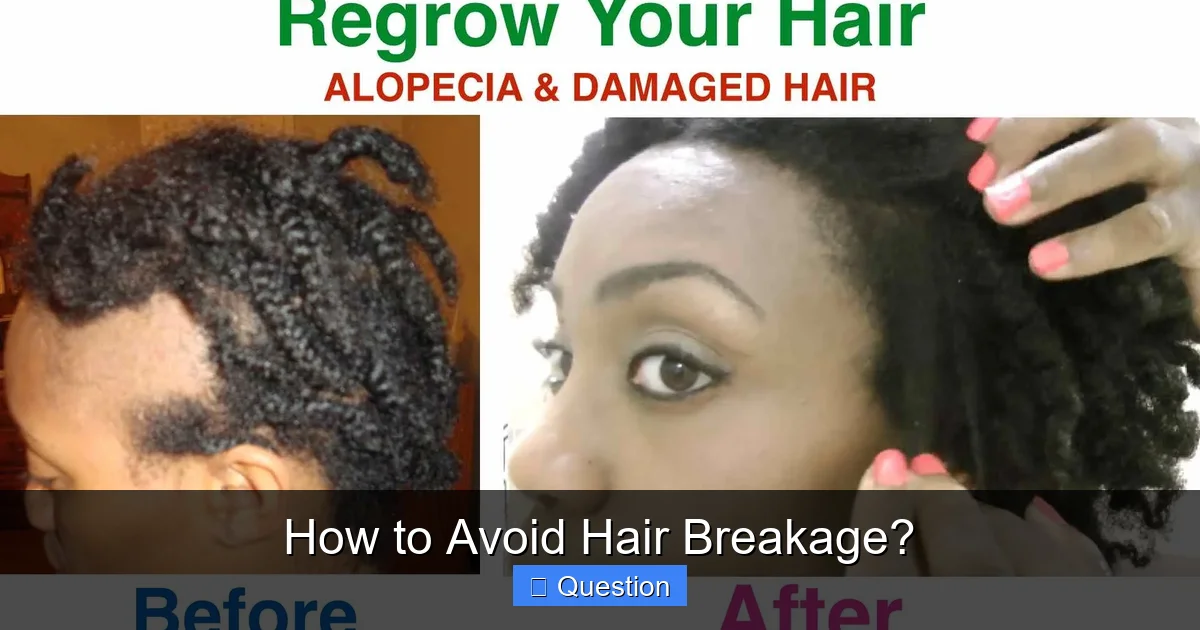
Visual guide about How to Avoid Hair Breakage?
Image source: voiceofhair.com
Washing Wisely: The Right Way to Cleanse
- Shampoo Smart: Don’t over-shampoo. Focus shampoo primarily on your scalp to cleanse away oil and product buildup, allowing the suds to gently run down your hair strands as you rinse. Use sulfate-free shampoos if your hair is prone to dryness or has been chemically treated.
- Use Lukewarm Water: Hot water can strip your hair of natural oils, making it drier and more vulnerable. Lukewarm water is much kinder to your scalp and strands.
- Condition Correctly: Always follow shampoo with a good conditioner. Apply it from mid-lengths to ends, letting it sit for a few minutes to deeply penetrate. This helps to smooth the cuticle and add much-needed moisture.
Detangling & Brushing: A Gentle Approach
- Start from the Ends: When detangling, always begin at the tips of your hair and work your way up to the roots. This prevents you from pushing knots further down and causing more damage.
- Use the Right Tools: A wide-tooth comb or a wet brush is your best friend for detangling wet hair, which is most fragile. For dry hair, a boar bristle brush can help distribute natural oils, but use it gently.
- Never Brush Wet Hair Aggressively: Wet hair is much more elastic and prone to snapping. Be extra gentle, or wait until your hair is partially dry before brushing.
Drying Techniques: Skip the Harsh Rub
- Microfiber Towels or T-Shirts: Ditch the rough cotton towel. Instead, gently squeeze excess water from your hair with a microfiber towel or even an old cotton t-shirt. These materials are much softer and reduce friction, helping you to avoid hair breakage.
- Air Dry When Possible: Give your hair a break from heat. Air drying is the gentlest way to dry your hair, minimizing stress and damage.
Nourish & Hydrate: The Foundation of Healthy Hair
Hydrated hair is happy hair. Moisture is what gives your strands elasticity, making them less likely to snap under stress. Prioritizing hydration is crucial if you want to avoid hair breakage.
Deep Conditioning: Your Hair’s Best Friend
Think of deep conditioners or hair masks as an intensive spa treatment for your hair. They deliver a concentrated dose of moisture and strengthening ingredients. Use a deep conditioner 1-2 times a week, leaving it on for the recommended time (or even longer, with a shower cap for extra penetration) to significantly improve hair health and elasticity.
Leave-in Treatments & Oils: Extra Protection
After washing and conditioning, a leave-in conditioner can provide continuous moisture and a protective barrier against environmental damage. Hair oils (like argan, jojoba, or coconut oil) can also seal in moisture, add shine, and provide extra nourishment, especially to dry ends. Apply sparingly to avoid weighing down your hair.
Scalp Health: Where it All Begins
A healthy scalp is the foundation for healthy hair growth. Ensure your scalp is clean, balanced, and moisturized. Scalp massages can stimulate blood flow, and using a gentle scalp scrub occasionally can remove buildup that might impede healthy hair growth. Never forget that a healthy root helps you to avoid hair breakage further down the strand.
Protect Your Hair: Shielding Against Damage
External factors can be incredibly damaging to your hair. Learning how to protect it from these stressors is vital to avoid hair breakage.
Heat Styling: Use with Caution
- Always Use Heat Protectant: This is non-negotiable. A good heat protectant creates a barrier between your hair and the hot tool, minimizing damage.
- Lower the Heat: You don’t always need the highest setting. Start with a lower temperature and increase only if necessary.
- Limit Frequency: Try to reduce how often you use heat tools. Embrace your natural texture or find no-heat styling alternatives a few days a week.
Chemical Treatments: Proceed with Care
While coloring or perming can be fun, these treatments inherently weaken hair. If you frequently opt for chemical services, ensure you go to a reputable stylist who prioritizes hair health. Space out your appointments, and invest in bond-repairing treatments both in-salon and at home to restore strength and help you avoid hair breakage.
Environmental Stressors: Sun, Wind, and Pollution
- Sun Protection: Just like your skin, your hair can get sunburned. Wear a hat or use UV-protective hair products when spending extended time in the sun.
- Chlorine and Saltwater: Wet your hair with clean water and apply a leave-in conditioner before swimming. This creates a barrier that prevents your hair from absorbing too much chlorine or salt, which can be very drying. Rinse your hair immediately after swimming.
Protective Hairstyles: Your Hair’s Armor
Braids, buns, twists, and updos can shield your ends from friction, snagging, and environmental exposure. Just be sure not to make them too tight, as excessive tension can lead to breakage around the hairline (traction alopecia).
Lifestyle Factors for Internal Hair Strength
Your overall health has a direct impact on the health of your hair. Taking care of your body from the inside out is a fundamental way to avoid hair breakage.
Nutrition: Fueling Hair from Within
A balanced diet is crucial. Ensure you’re consuming enough:
- Protein: Hair is primarily made of protein (keratin). Include lean meats, fish, eggs, dairy, legumes, and nuts in your diet.
- Vitamins and Minerals:
- Iron: Found in red meat, spinach, and lentils, essential for oxygen transport to hair follicles.
- Zinc: In nuts, seeds, and whole grains, important for hair tissue growth and repair.
- Biotin (Vitamin B7): Found in eggs, avocados, and sweet potatoes, known for its role in hair health.
- Vitamins A, C, D, E: Important antioxidants and support overall cellular health, including hair follicles.
- Omega-3 Fatty Acids: From fatty fish, flaxseeds, and walnuts, these support scalp health and add shine to hair.
Hydration: Drink Up for Your Locks
Just as your skin needs water, so does your hair. Staying well-hydrated ensures that your cells, including those in your hair follicles, function optimally. Drink plenty of water throughout the day to support overall hair health and elasticity, making it easier to avoid hair breakage.
Stress Management & Sleep: The Unsung Heroes
Chronic stress can disrupt your body’s natural cycles, including the hair growth cycle, potentially leading to increased shedding and breakage. Finding healthy ways to manage stress (meditation, exercise, hobbies) can be beneficial. Additionally, aim for 7-9 hours of quality sleep each night. Sleep is when your body repairs and regenerates, and that includes your hair cells.
When to Seek Professional Help and Product Power
Sometimes, despite your best efforts, breakage persists. This is when professional advice and targeted products become invaluable.
Consulting a Dermatologist or Trichologist
If you’re experiencing severe or sudden hair breakage, excessive shedding, or scalp issues, it’s wise to consult a dermatologist (skin doctor) or a trichologist (hair and scalp specialist). They can help diagnose underlying medical conditions (like thyroid issues, hormonal imbalances, or nutrient deficiencies) that might be contributing to your hair problems and recommend appropriate treatments. They can also offer tailored advice on how to avoid hair breakage specific to your condition.
Choosing the Right Products
The market is flooded with hair products, but not all are created equal. Look for products specifically formulated for “damaged,” “brittle,” or “fragile” hair. Ingredients to look for include:
- Proteins (Keratin, Wheat Protein, Silk Protein): These can help strengthen the hair shaft and temporarily fill in gaps in the cuticle.
- Humectants (Glycerin, Hyaluronic Acid): Draw moisture from the air into your hair.
- Emollients (Natural Oils, Silicones): Smooth the hair cuticle and seal in moisture.
- Bond-Repairing Ingredients (e.g., Bis-Aminopropyl Diglycol Dimaleate, found in Olaplex): These work to repair the internal disulfide bonds of the hair, making it significantly stronger and more resistant to breakage.
Don’t be afraid to read labels and research ingredients. Experiment to find what works best for your specific hair type and concerns. A targeted approach to your product selection is a strong component of learning how to avoid hair breakage.
Learning how to avoid hair breakage is a journey, not a destination. It requires patience, consistency, and a willingness to adapt your routine. By understanding the causes of breakage and implementing the gentle care practices, nourishing habits, and protective measures outlined in this guide, you are well on your way to achieving stronger, healthier, and more beautiful hair. Remember, every little step you take contributes to the overall health of your hair. Be kind to your strands, and they will reward you with resilience and shine. Here’s to a future with less breakage and more fabulous hair!
Frequently Asked Questions
What is the main difference between hair shedding and hair breakage?
Hair shedding is a natural process where a hair strand falls out from its follicle, usually with a small white bulb at the root. Hair breakage, on the other hand, occurs when the hair shaft snaps along its length, leaving behind shorter, damaged pieces without a root bulb.
Can stress really cause hair breakage?
Yes, chronic stress can contribute to hair breakage. Stress can disrupt the hair’s natural growth cycle, leading to increased shedding and weaker strands that are more prone to snapping. Managing stress through relaxation techniques and adequate sleep is beneficial for overall hair health.
How often should I deep condition my hair to avoid hair breakage?
For most hair types, deep conditioning once or twice a week is recommended. If your hair is severely dry, damaged, or prone to breakage, you might benefit from more frequent deep conditioning treatments until its health improves.
Are certain hair types more prone to breakage?
Yes, fine, chemically treated, or highly textured hair (like curly or coily hair) tends to be more delicate and prone to breakage. These hair types often require extra moisture, gentle handling, and specific protective measures to maintain their integrity.
What kind of diet is best for preventing hair breakage?
A diet rich in protein (lean meats, eggs, legumes), essential fatty acids (fish, nuts, seeds), and vitamins and minerals (especially biotin, iron, zinc, and vitamins A, C, D, E) is crucial. These nutrients support healthy hair growth and strengthen the hair shaft from within.
When should I consider seeing a professional for hair breakage?
If you’re experiencing severe or sudden hair breakage, significant hair loss, or have accompanying scalp issues, it’s advisable to consult a dermatologist or trichologist. They can identify underlying medical causes and recommend targeted treatments or lifestyle adjustments to address the problem effectively.