
How to Do a Hair Mask?
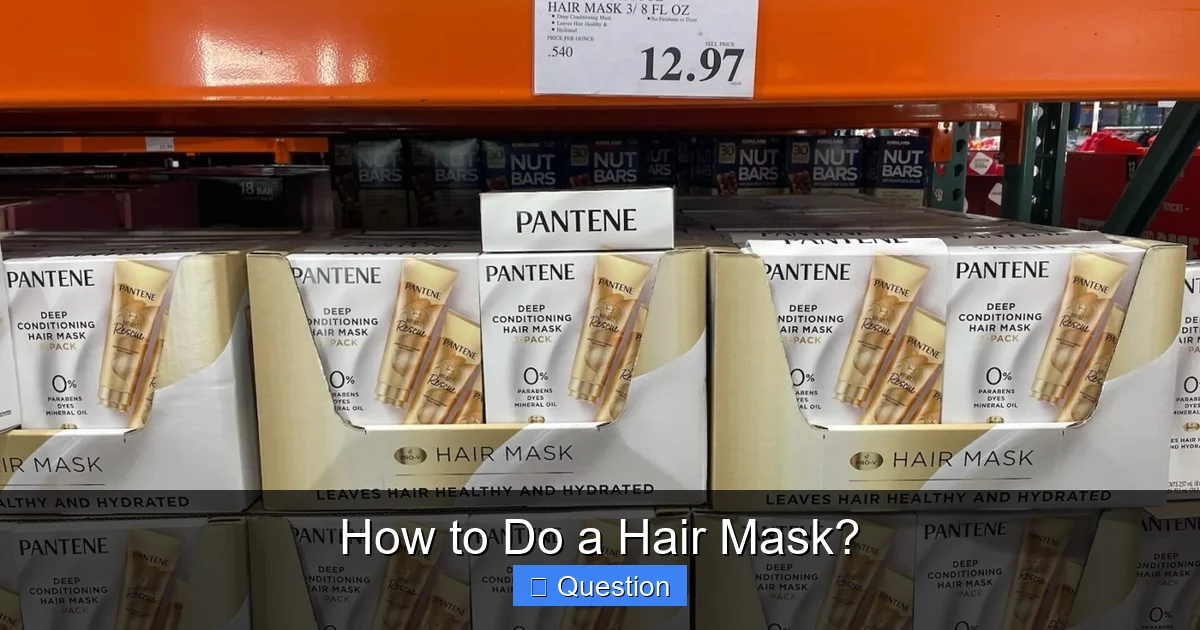
Revitalize your hair with a nourishing hair mask! This comprehensive guide teaches you how to do a hair mask correctly, from selecting the perfect product for your hair type to proper application and rinsing techniques. Achieve salon-worthy results and transform your tresses into a picture of health and vibrancy, all from the comfort of your home.
How to Do a Hair Mask?
Are you dreaming of luscious, vibrant, and incredibly soft hair? What if we told you that achieving those hair goals might be simpler than you think, and you can do it right in your own bathroom? Enter the humble hair mask – a powerful treatment that acts like a super-charged conditioner, delivering a concentrated dose of nutrients and hydration to transform your tresses.
Think of a hair mask as a spa day for your strands. Just like your skin needs a face mask for an extra boost, your hair craves that deep conditioning treatment to repair, strengthen, and revitalize it from root to tip. Whether your hair is dry, brittle, oily, fine, thick, color-treated, or just needs a little pick-me-up, there’s a hair mask out there designed to solve its specific woes. But knowing how to do a hair mask correctly is key to unlocking its full potential. Ready to give your hair the love it deserves? Let’s dive into the step-by-step guide.
Key Takeaways
- Understand Your Hair Type: Choosing the right hair mask is crucial. Whether your hair is dry, oily, fine, thick, color-treated, or damaged, there’s a specific mask formulated to address its unique needs.
- Start with Clean, Damp Hair: For optimal absorption, always apply your hair mask to hair that has been freshly shampooed and gently towel-dried. This allows the nutrients to penetrate more effectively.
- Apply Evenly and Thoroughly: Distribute the mask from mid-lengths to ends, focusing on areas that need the most attention. Use a wide-tooth comb to ensure uniform coverage.
- Respect Processing Time: Follow the product’s recommended leave-in time. Leaving it on too long doesn’t always yield better results and can sometimes weigh hair down, while too short won’t allow full penetration.
- Rinse Meticulously: Rinse your hair until the water runs clear and no residue is left. Incomplete rinsing can make your hair feel greasy or heavy.
- Integrate into Your Routine: For best results, incorporate a hair mask into your weekly or bi-weekly hair care regimen. Consistency is key to maintaining healthy, strong, and shiny hair.
- Consider DIY Options: Natural ingredients like avocado, coconut oil, and honey can make effective homemade hair masks, offering a cost-effective and chemical-free alternative.
📑 Table of Contents
- What is a Hair Mask and Why Use One?
- Choosing the Right Hair Mask for Your Hair Type
- Pre-Application Prep: Getting Your Hair Ready
- The Step-by-Step Guide: How to Apply a Hair Mask Like a Pro
- Post-Mask Care: Rinsing, Conditioning, and Styling
- Frequency and Best Practices
- Common Hair Mask Mistakes to Avoid
What is a Hair Mask and Why Use One?
A hair mask is a deep conditioning treatment formulated with a higher concentration of nourishing ingredients than your regular conditioner. These ingredients often include oils (like argan, coconut, jojoba), butters (shea, cocoa), proteins (keratin, silk), vitamins, and botanical extracts. The goal of a hair mask is to penetrate deeper into the hair shaft, providing intensive repair, hydration, and protection that daily conditioners might not offer.
The Benefits of Regular Hair Masking
There are numerous reasons why you should consider adding a hair mask to your beauty routine. Each application offers a multitude of benefits that can dramatically improve your hair’s health and appearance:
- Intense Hydration: Masks are excellent for delivering moisture, especially for dry and brittle hair, leaving it softer and more pliable.
- Repair Damage: They can help mend split ends, reduce breakage, and strengthen strands weakened by heat styling, chemical treatments, or environmental factors.
- Boost Shine and Smoothness: By smoothing down the hair cuticle, masks enhance light reflection, resulting in incredibly shiny and silky hair.
- Improve Elasticity: Regular use can make your hair more flexible and less prone to breakage, improving its overall resilience.
- Scalp Health: Many hair masks also contain ingredients that soothe and nourish the scalp, promoting a healthier environment for hair growth.
- Color Protection: Specifically formulated masks can help seal the hair cuticle, locking in color and preventing premature fading for color-treated hair.
Incorporating a hair mask into your routine isn’t just a treat; it’s an essential step towards maintaining truly healthy, beautiful hair.
Choosing the Right Hair Mask for Your Hair Type
Before you even think about how to do a hair mask, you need to find the right one for you! Not all hair masks are created equal, and what works wonders for one hair type might not be the best for another. Understanding your hair’s unique needs is the first step to selecting the perfect product.
Masks for Dry or Damaged Hair
If your hair feels rough, looks dull, or is prone to breakage and split ends, you likely have dry or damaged hair. Look for masks rich in:
- Hydrating oils: Coconut oil, argan oil, olive oil, jojoba oil.
- Butters: Shea butter, cocoa butter.
- Proteins: Keratin, wheat protein, silk protein (for repairing the hair structure).
- Humectants: Glycerin, hyaluronic acid (to draw moisture into the hair).
These ingredients will deeply moisturize, strengthen, and help restore your hair’s natural barrier.
Masks for Oily Hair
It might seem counterintuitive to use a mask on oily hair, but the right one can actually help balance your scalp’s oil production and clarify your strands without stripping them. Look for masks with:
- Clay: Bentonite clay, kaolin clay (to absorb excess oil and impurities).
- Tea Tree Oil: Known for its purifying and balancing properties.
- Aloe Vera: Soothes the scalp and provides light hydration.
- Salicylic Acid: Helps exfoliate the scalp and control oil.
Avoid heavy oils and butters that can weigh down your hair.
Masks for Fine Hair
Fine hair can easily be weighed down by rich, heavy products. You need a hair mask that provides volume and strength without making your hair greasy or limp. Opt for masks that are:
- Lightweight: Look for formulas that specifically state “volumizing,” “light,” or “strengthening.”
- Protein-based: Rice protein, soy protein can add strength and body.
- Hydrolyzed ingredients: These are smaller molecules that can penetrate without residue.
Apply these masks primarily to the ends and mid-lengths, avoiding the roots if you’re prone to oiliness.
Masks for Thick or Coarse Hair
Thick and coarse hair often requires intense moisture and smoothing to manage frizz and enhance softness. You can handle richer formulas. Look for masks with:
- Heavy butters and oils: Shea butter, avocado oil, castor oil for deep conditioning.
- Silicones: These can help create a smooth, frizz-free finish.
- Ceramides: To strengthen the hair’s outer layer.
Masks for Color-Treated Hair
Color-treated hair needs specific care to maintain its vibrancy and prevent fading, while also repairing damage from the coloring process. Look for masks that are:
- Sulfate-free: Sulfates can strip color.
- UV protecting: To shield against sun damage that fades color.
- Rich in antioxidants: To protect against environmental stressors.
- pH-balancing: To help seal the cuticle and lock in color.
Many brands offer specific “color-safe” or “color-protecting” hair mask options.
Pre-Application Prep: Getting Your Hair Ready
The secret to maximizing the effectiveness of your hair mask starts even before you apply it. Proper preparation ensures that your hair is receptive to all those amazing nutrients.
Shampoo First (Mostly!)
For most hair masks, it’s best to apply them to freshly shampooed hair. Shampooing removes dirt, oil, and product buildup, allowing the mask’s ingredients to penetrate the hair shaft more deeply and effectively.
- Use a gentle shampoo: Opt for a sulfate-free shampoo, especially if you have color-treated hair, to avoid stripping natural oils or color.
- Avoid conditioner: Skip your regular conditioner after shampooing. The mask will act as your deep conditioning treatment.
Exception: If your hair is extremely dry or you’re using a pre-shampoo oil mask, you might apply it to dry hair before shampooing. Always check the product’s specific instructions.
Towel Dry Your Hair Gently
After shampooing, gently squeeze out excess water from your hair. Your hair should be damp, not dripping wet.
- Why damp? If your hair is too wet, the water will dilute the mask and prevent it from fully adhering to your strands. If it’s too dry, it won’t spread as easily and might not penetrate as well.
- Use a microfiber towel or old t-shirt: These are gentler on wet hair, which is more fragile, reducing friction and preventing frizz. Avoid vigorous rubbing.
The Step-by-Step Guide: How to Apply a Hair Mask Like a Pro
Now for the main event: learning how to do a hair mask application that truly delivers results! Follow these steps for an even, effective treatment.
Step 1: Section Your Hair
Dividing your hair into manageable sections makes it much easier to ensure even distribution of the hair mask.
- Use clips or hair ties: Part your hair down the middle, then create two to four sections. Clip them up so they’re out of your way.
- Start with the bottom sections: Begin applying the mask to the sections underneath first, working your way up.
Step 2: Apply the Mask Evenly
Scoop a generous amount of hair mask into your hand. The amount will vary depending on your hair’s length and thickness – usually about a quarter-sized dollop for medium hair.
- Focus on mid-lengths to ends: These are typically the oldest and most damaged parts of your hair. Avoid applying too much directly to your scalp unless the mask is specifically formulated for scalp treatment, especially if you have oily roots.
- Work it through: Use your fingers to thoroughly coat each strand within a section. Ensure every part feels saturated but not excessively gloopy.
- Use a wide-tooth comb: Once a section is covered, gently comb through it with a wide-tooth comb. This helps distribute the product evenly and detangle your hair without causing breakage.
Step 3: Secure Your Hair
Once you’ve applied the hair mask to all sections, gather your hair into a loose bun or twist it up on top of your head.
- Cover with a shower cap or warm towel: This is an optional but highly recommended step! The heat created by your body heat trapped under the cap helps to open the hair cuticles, allowing the mask’s ingredients to penetrate deeper. A warm towel wrapped around the cap can enhance this effect even further.
Step 4: Let it Process
This is the “waiting game” part of how to do a hair mask. Always follow the specific instructions on your hair mask’s packaging for recommended processing time.
- Typical time: Most masks require 5-20 minutes. Some intensive treatments might suggest longer, up to an hour.
- Avoid over-processing: Leaving a mask on for too long doesn’t necessarily make it more effective and can sometimes make your hair feel heavy or even weighed down, especially protein-rich masks. Stick to the recommended time.
Post-Mask Care: Rinsing, Conditioning, and Styling
The way you rinse and follow up after a hair mask is just as important as the application itself. This ensures you seal in the benefits without leaving residue.
Rinse Thoroughly
This is perhaps the most crucial step after processing.
- Use lukewarm water: Stand under the shower and rinse your hair thoroughly with lukewarm water. Cooler water helps to close the hair cuticles, locking in moisture and shine.
- Be patient: Rinse, rinse, rinse! Continue until the water runs completely clear and your hair no longer feels slippery or heavy with product. Any leftover residue can make your hair look greasy or dull once dry.
Do You Need Conditioner?
In most cases, you don’t need to follow up with a regular conditioner after a hair mask. The mask itself is a super-charged conditioning treatment.
- Listen to your hair: If your hair still feels a bit rough or tangled after rinsing the mask, you can apply a very small amount of a lightweight leave-in conditioner or a regular conditioner to the ends only.
Gentle Drying and Styling
After rinsing, treat your freshly masked hair with care.
- Towel dry gently: Again, use a microfiber towel or old t-shirt to gently blot and squeeze out excess water.
- Air dry or low heat: Whenever possible, let your hair air dry to avoid heat damage. If you must blow dry, use a heat protectant and the lowest heat setting.
- Enjoy the results: Style your hair as usual and marvel at how soft, shiny, and healthy it feels!
Frequency and Best Practices
So, how often should you do a hair mask? The answer depends on your hair type, its condition, and the specific mask you’re using.
How Often to Use a Hair Mask
- Normal to moderately dry/damaged hair: Once a week is usually sufficient.
- Very dry, damaged, or coarse hair: You might benefit from using a hair mask twice a week.
- Oily or fine hair: Once every two weeks, or even once a month, might be enough to avoid weighing down your hair. Focus on the ends.
Always pay attention to how your hair feels and looks. If it starts to feel heavy or greasy, reduce the frequency. If it still feels dry, you might increase it slightly.
DIY Hair Masks for Every Need
If you love natural ingredients or want a budget-friendly option for how to do a hair mask, DIY recipes are fantastic. Here are a few popular ones:
- For Dry, Damaged Hair: Avocado & Coconut Oil Mask
Mash one ripe avocado with 2 tablespoons of coconut oil (melted if solid). Apply to damp hair, cover, and leave for 20-30 minutes before rinsing thoroughly. Avocado provides fatty acids and vitamins, while coconut oil offers deep moisture.
Visual guide about How to Do a Hair Mask?
Image source: joanmorais.com
- For Shine & Scalp Health: Honey & Olive Oil Mask
Mix 2 tablespoons of honey with 2 tablespoons of olive oil. Add a few drops of lemon juice if you have oily scalp concerns. Apply to hair and scalp, leave for 15-20 minutes, then shampoo and rinse. Honey is a humectant and antiseptic, olive oil adds shine.
- For Strengthening: Egg & Yogurt Mask
Whisk one egg with half a cup of plain yogurt. Apply to hair (avoiding roots if oily) and leave for 15 minutes. Rinse with cool water to prevent the egg from cooking. Eggs provide protein for strength, yogurt conditions.
Remember to always do a patch test for any new DIY ingredients, and ensure thorough rinsing to avoid residue.
Common Hair Mask Mistakes to Avoid
Even with the best intentions, it’s easy to make mistakes when learning how to do a hair mask. Keep these common pitfalls in mind:
- Applying to Soaked Hair: Water dilutes the mask and prevents proper absorption. Always towel dry first.
- Applying Too Much Product to Roots: Unless specified for scalp treatment, focus masks on mid-lengths and ends to avoid greasy roots.
- Not Rinsing Enough: Leftover residue leads to dull, heavy, or greasy hair. Be patient and rinse until water is clear.
- Leaving it on Too Long: More isn’t always better. Stick to the recommended time to avoid weighing hair down or, with protein masks, making it stiff.
- Using the Wrong Mask: A mask for oily hair won’t help dry ends, and a heavy mask will overwhelm fine hair. Know your hair type!
- Inconsistency: A single mask treatment is great, but consistent use is what truly transforms your hair over time.
In conclusion, learning how to do a hair mask is a simple yet powerful step you can take to elevate your hair care routine. By understanding your hair type, choosing the right product, applying it correctly, and rinsing thoroughly, you can unlock a world of benefits, from intense hydration and repair to dazzling shine and strength. Make this nourishing ritual a regular part of your self-care, and watch your hair transform into its healthiest, most beautiful self. Your hair will thank you!
Frequently Asked Questions
How often should I use a hair mask?
Most hair types benefit from a hair mask once a week. If your hair is very dry or damaged, you might increase it to twice a week, while oily or fine hair might prefer a bi-weekly or monthly application to avoid weighing it down.
Should I apply a hair mask to wet or dry hair?
For most hair masks, it’s best to apply them to clean, damp, towel-dried hair. This allows the mask to penetrate the hair shaft most effectively without being diluted by excess water.
Can I leave a hair mask on overnight?
While some specific overnight masks are formulated for this, generally, it’s not recommended to leave a standard hair mask on overnight. Leaving it on too long can sometimes weigh hair down, make it greasy, or even lead to over-proteinization for protein-rich masks.
Do I still need to use conditioner after a hair mask?
Typically, no. A hair mask is an intensive conditioning treatment, and applying a regular conditioner afterward is usually unnecessary and can sometimes over-condition the hair, leaving it heavy. Rinse the mask thoroughly and then proceed with styling.
How much hair mask should I use?
The amount depends on your hair’s length and thickness. A good starting point is a quarter-sized dollop for medium-length hair. You want enough to saturate your mid-lengths and ends thoroughly without over-applying, which can lead to residue.
Will a hair mask make my hair oily?
If you choose the wrong type of mask for your hair (e.g., a very rich mask on oily hair), apply too much, or don’t rinse thoroughly, it can make your hair feel oily or heavy. Ensure you select a mask suited for your hair type and follow application and rinsing instructions carefully.