
How to Get Hair Color Stains Out of Tub?
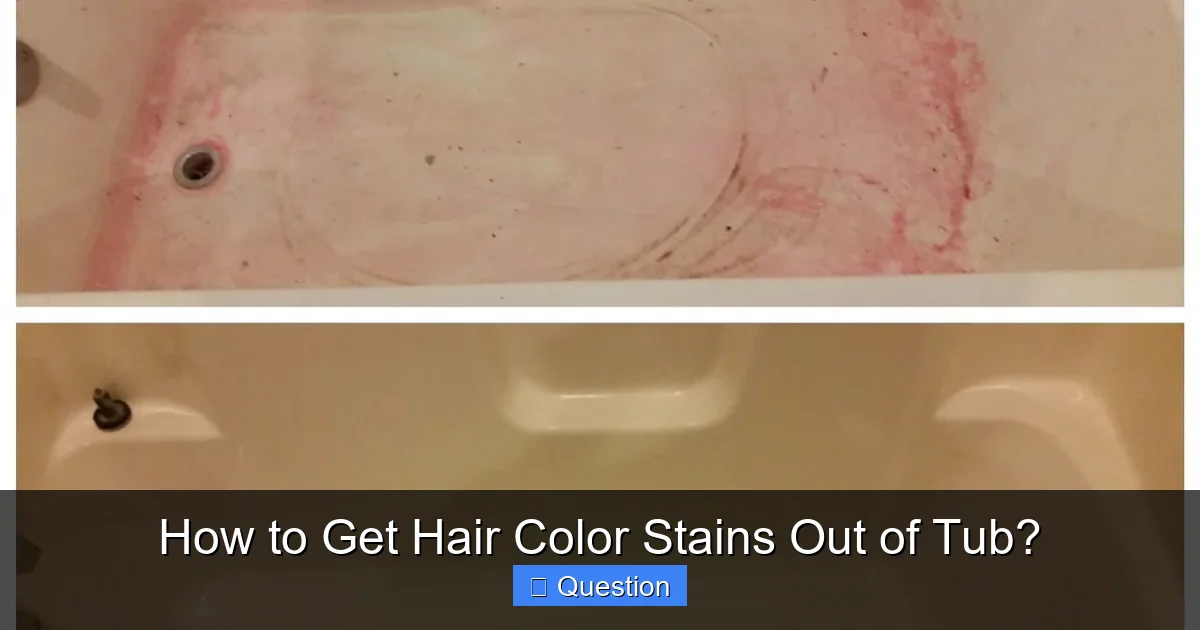
Don’t despair over stubborn hair color stains in your tub! This comprehensive guide provides step-by-step solutions, starting with gentle household options like dish soap and baking soda. For tougher marks, we explore stronger remedies and commercial products, always emphasizing safety and proper application. Learn not only how to get hair color stains out of tub effectively but also how to prevent them, ensuring your bathroom remains sparkling clean and dye-free.
How to Get Hair Color Stains Out of Tub?
Ah, the joy of a fresh new hair color! Whether you’re experimenting with a bold new shade or just touching up your roots, there’s something truly satisfying about transforming your look at home. But then, it happens – a rogue splatter, a drip, a spill. Suddenly, that vibrant new hue isn’t just on your hair; it’s stubbornly clinging to your pristine bathtub, turning that moment of triumph into a minor panic.
Those vivid dyes, designed to stick to your hair, can be incredibly tenacious on other surfaces too. A hair color stain on your tub isn’t just an eyesore; it can feel permanent, leaving you wondering if your bathroom will ever be the same. The good news? You don’t have to live with those colorful reminders of your DIY beauty session. With the right approach and a little patience, you absolutely can get hair color stains out of your tub and restore its sparkling glory.
This comprehensive guide is here to walk you through everything you need to know. We’ll start with gentle, everyday solutions, then move on to more robust methods for stubborn marks, always emphasizing safety and how to protect your tub. So, take a deep breath, grab your cleaning supplies, and let’s get that tub looking spotless again!
Key Takeaways
- Act Quickly: Fresh hair dye stains are significantly easier to remove than old, set-in ones, so address spills immediately.
- Start Mild: Always begin with the least abrasive cleaning method (e.g., dish soap, baking soda) to protect your tub’s finish before moving to stronger options.
- Know Your Tub Material: Different tub surfaces (acrylic, porcelain, fiberglass) react differently to various cleaners. Always identify your tub’s material to avoid damage.
- Prioritize Safety: When using any cleaning product, especially commercial ones, ensure good ventilation, wear protective gloves, and never mix chemicals.
- Patch Test is Essential: Before applying any cleaner to the entire stain, always test it in an inconspicuous area of your tub to ensure it won’t cause discoloration or damage.
- Prevention is Best: Take proactive steps like covering surfaces and wiping spills immediately to largely prevent hair dye stains from occurring in the first place.
📑 Table of Contents
- Understanding Your Enemy: Hair Dye and Tub Materials
- First Line of Defense: Gentle Household Solutions
- Stepping Up: More Potent Home Remedies
- When to Bring Out the Big Guns: Commercial Cleaners
- Safety First: Protecting Yourself and Your Tub
- Prevention is the Best Medicine: Avoiding Future Stains
- Conclusion: A Spotless Sanctuary Awaits
Understanding Your Enemy: Hair Dye and Tub Materials
Before you dive into scrubbing, it’s helpful to understand what you’re up against. Hair dye is formulated to be highly pigmented and long-lasting, which is why it’s so good at coloring your hair – and so challenging to remove from other surfaces. Different types of dyes (permanent, semi-permanent, temporary) and various tub materials react uniquely to cleaning agents.
The Nature of Hair Dye Stains
Most hair dyes contain strong pigments and sometimes ammonia or peroxide, which help the color penetrate and set. When these chemicals interact with porous or even slightly porous surfaces like your tub, they can quickly bond, creating a stubborn stain. The longer the dye sits, the more deeply it can penetrate, making it harder to remove. This is why acting fast is always your best bet when you notice a spill!
Identifying Your Tub Material
Knowing what your bathtub is made of is crucial because certain cleaners can damage specific materials. Using the wrong product can turn a simple stain removal task into a costly repair.
- Acrylic: These tubs are lightweight, durable, and common. They have a non-porous, smooth surface but can be scratched by abrasive cleaners and discolored by harsh chemicals like acetone or bleach if left too long.
- Fiberglass: Similar to acrylic but often less durable and more prone to scratching and staining. They also require gentle cleaning.
- Porcelain-Enamel over Cast Iron or Steel: These tubs are heavy and very durable, with a hard, glossy finish. They are quite resistant to scratching and most chemicals but can chip if struck. Strong bleaches can dull the finish over time.
- Cultured Marble: A mix of marble dust and resin, these tubs are durable but can be porous. They are susceptible to etching from acidic cleaners and scratching from abrasives.
If you’re unsure, generally, acrylic and fiberglass tubs feel warmer to the touch and sound more “hollow” when tapped, while porcelain and cast iron feel colder and sound more solid. When in doubt, always err on the side of caution and use the gentlest method first, along with a patch test.
First Line of Defense: Gentle Household Solutions
Always start with the mildest cleaners. Not only are they less likely to damage your tub, but they’re also usually safer for you and the environment. These methods are most effective on fresh stains or lighter marks.
Dish Soap and Warm Water
This is your absolute first step for any fresh spill.
- Dampen the Stain: If the stain is dry, wet it with warm water.
- Apply Dish Soap: Squirt a generous amount of liquid dish soap directly onto the stain.
- Scrub Gently: Use a soft sponge or a non-abrasive brush (like an old toothbrush) to scrub the area in small circles.
- Rinse and Repeat: Rinse thoroughly with warm water. If the stain persists, repeat the process.
The surfactants in dish soap can help lift and break down the dye before it fully sets.
The Power of Baking Soda Paste
Baking soda is a mild abrasive and a natural deodorizer, making it excellent for gentle stain removal.
- Make a Paste: Mix baking soda with a small amount of water to form a thick paste.
- Apply to Stain: Spread the paste generously over the hair dye stain.
- Let it Sit: Allow the paste to sit on the stain for 30 minutes to an hour, or even overnight for tougher marks.
- Scrub and Rinse: Using a soft sponge or brush, gently scrub the paste into the stain. The mild abrasion will help lift the dye. Rinse thoroughly.
This method is particularly safe for most tub materials, including acrylic and fiberglass.
Rubbing Alcohol or Hairspray (for Fresh Stains)
Both rubbing alcohol (isopropyl alcohol) and aerosol hairspray contain alcohol, which can be effective at dissolving fresh hair dye.
- Apply Directly: For rubbing alcohol, dab it onto a cotton ball or cloth and press it onto the stain. For hairspray, spray directly onto the stain until it’s saturated.
- Let it Sit Briefly: Allow it to sit for a minute or two, letting the alcohol work its magic.
- Wipe Away: Use a clean cloth to wipe the stain away.
- Rinse Well: Rinse the area thoroughly with water and dish soap.
Remember, this is best for *fresh* stains. Test in an inconspicuous area first, especially with hairspray, as some ingredients might react differently with certain tub finishes.
Stepping Up: More Potent Home Remedies
If the gentler methods didn’t quite do the trick, it’s time to bring in some slightly stronger, yet still natural, household items. Always perform a patch test first!
White Vinegar’s Acidity
White vinegar is a fantastic natural cleaner and mild acid that can help break down stains.
- Apply Undiluted: Pour undiluted white vinegar directly onto the hair color stain.
- Soak Time: Let it sit for 30 minutes to an hour. For very stubborn stains, you can soak a paper towel in vinegar and lay it over the stain to keep it moist for several hours.
- Scrub and Rinse: Scrub the stain with a soft brush or sponge, then rinse thoroughly with water.
Vinegar is generally safe for most tub materials, but avoid leaving it on cultured marble for extended periods as it can etch the surface.
Lemon Juice and Salt
The combination of lemon juice (citric acid) and salt (mild abrasive) can create a powerful, natural stain remover.
- Mix a Paste: Squeeze fresh lemon juice into a small bowl and mix with enough table salt to form a thick paste.
- Apply to Stain: Spread the paste over the hair dye stain.
- Let it Work: Allow the paste to sit for 15-30 minutes. You can also gently scrub it in.
- Rinse Thoroughly: Scrub again with a soft sponge and rinse completely.
This method is great for porcelain and enamel, but be cautious with acrylic or fiberglass; test first to ensure the acidity doesn’t dull the finish.
Cream of Tartar Paste
Often found in the baking aisle, cream of tartar (potassium bitartrate) is a mild acid that works wonders on some stains, especially when combined with a stronger acid.
- Create a Paste: Mix equal parts cream of tartar and hydrogen peroxide (or lemon juice) to form a paste.
- Apply and Wait: Apply the paste liberally to the stain and let it sit for at least 30 minutes, or up to an hour for tough stains.
- Scrub and Rinse: Gently scrub with a non-abrasive sponge and rinse completely.
The combination of acids helps to lift the dye. Always ensure good ventilation if using hydrogen peroxide.
When to Bring Out the Big Guns: Commercial Cleaners
For those truly stubborn, set-in hair color stains that home remedies couldn’t conquer, it might be time for commercial cleaning products. These are more potent and require extra caution.
Bleach (Caution Advised!)
Bleach (sodium hypochlorite) is a powerful oxidizer and can be very effective on tough hair dye stains, especially on porcelain or enamel tubs.
- Ventilation First: Open windows and turn on the bathroom fan.
- Gloves On: Always wear rubber gloves.
- Apply Carefully: For porcelain or enamel, pour a small amount of bleach directly onto the stain. For acrylic or fiberglass, dilute the bleach with an equal part of water first, or soak a paper towel in the diluted solution and lay it over the stain.
- Short Contact Time: Do *not* leave bleach on for extended periods, especially on acrylic or fiberglass, as it can yellow or damage the finish. 5-10 minutes is usually sufficient.
- Scrub and Rinse: Scrub with a brush, then rinse *extremely* thoroughly with plenty of water.
NEVER MIX BLEACH WITH AMMONIA-BASED CLEANERS, VINEGAR, OR ANY OTHER CLEANER, AS THIS CAN CREATE DANGEROUS TOXIC FUMES. Use bleach as a last resort and with extreme caution.
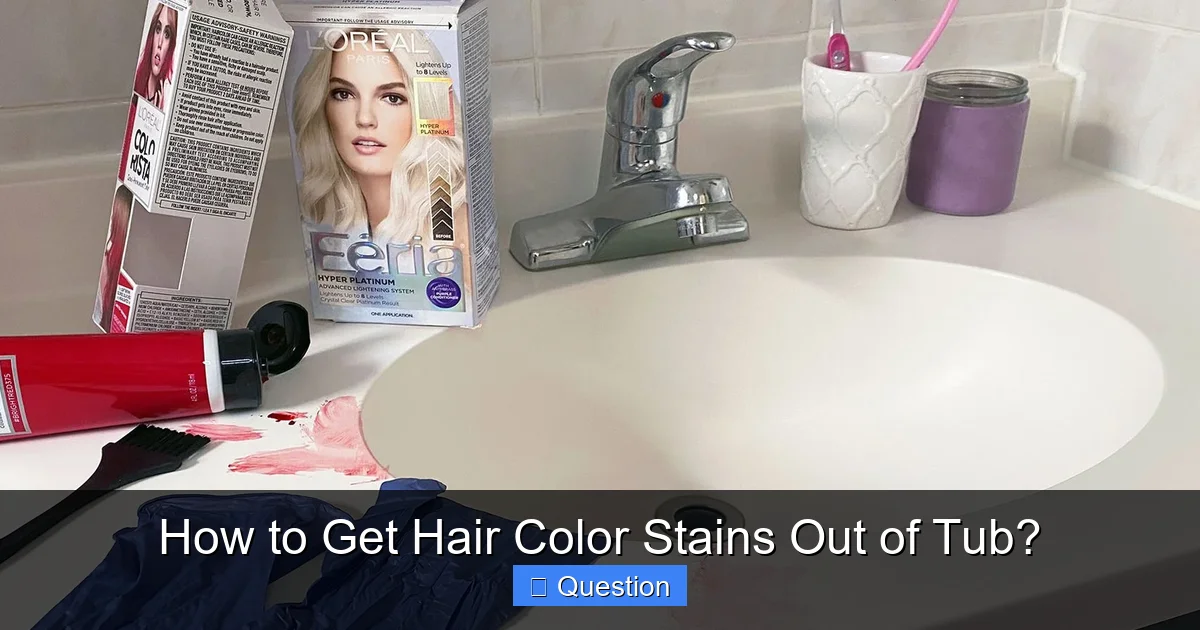
Visual guide about How to Get Hair Color Stains Out of Tub?
Image source: lorealparisusa.com
The Magic Eraser (Melamine Foam)
Melamine foam sponges, often sold under the “Magic Eraser” brand, work as a super-fine abrasive. They can be incredibly effective at gently scrubbing away superficial stains.
- Wet and Squeeze: Dampen the Magic Eraser with water and squeeze out any excess.
- Gentle Scrub: Gently rub the stained area in small circular motions.
- Wipe and Check: The stain should start to lift. Wipe the area with a clean cloth and check your progress.
These are generally safe for most tub surfaces but can potentially scratch very high-gloss or delicate finishes if too much pressure is applied. Always test first!
Specialized Bathroom Stain Removers
Many brands offer specific bathroom or tub cleaners designed to tackle tough stains, including rust and sometimes dye. Look for products that are formulated for your specific tub material.
- Read Instructions: Always, always read and follow the manufacturer’s instructions carefully for application, contact time, and rinsing.
- Test First: Apply to an inconspicuous spot to ensure it doesn’t damage your tub.
- Ventilate: Use in a well-ventilated area.
Products like Bar Keepers Friend (a oxalic acid cleaner) can be effective on porcelain and enamel but should be used with caution on acrylic and fiberglass, potentially diluted or applied briefly.
Acetone (Nail Polish Remover) – *Use with Extreme Caution*
Acetone, found in many nail polish removers, is a powerful solvent. It can dissolve some dyes but can also dissolve or severely damage acrylic and fiberglass tubs, causing dullness, etching, or even melting.
It is NOT recommended for acrylic or fiberglass tubs. Use ONLY on porcelain or enamel tubs as a last resort, and ALWAYS perform a tiny patch test in an hidden spot first.
If you decide to try it on appropriate surfaces:
- Ventilate: Ensure excellent ventilation.
- Gloves On: Wear chemical-resistant gloves.
- Dab, Don’t Pour: Apply a small amount of pure acetone to a cotton ball or cloth. Gently dab and wipe the stain.
- Quick Action: Work quickly and rinse the area immediately and thoroughly with water after the stain is removed.
Safety First: Protecting Yourself and Your Tub
Regardless of which cleaning method you choose, safety should always be your top priority.
Ventilation is Crucial
Many cleaning products, both natural and commercial, release fumes that can be irritating or even harmful if inhaled. Always open windows, turn on the bathroom fan, and if possible, keep the bathroom door open to ensure fresh air circulation.
Protect Your Skin and Eyes
Wear rubber gloves to protect your hands from harsh chemicals and to prevent skin irritation. If you’re using particularly strong cleaners, consider wearing eye protection as well.
Always Patch Test First
This cannot be stressed enough. Before applying any cleaning solution to the entire hair dye stain, test a tiny amount in an inconspicuous area of your tub (e.g., behind the faucet, or a corner often covered by bath mats). Wait a few minutes, then wipe it off and check for any discoloration, etching, or damage to the tub’s finish. This simple step can save you from a much bigger problem.
Prevention is the Best Medicine: Avoiding Future Stains
The easiest way to deal with hair color stains is to prevent them from happening in the first place! A little preparation goes a long way.
Prep Your Space
Before you even open the dye box:
- Cover Surfaces: Lay down old towels, newspaper, or plastic sheeting around the tub and on the floor where you’ll be working.
- Vaseline Barrier: For extra protection, apply a thin layer of petroleum jelly (Vaseline) along the edges of your tub or on any grout lines that might be susceptible to staining. The dye won’t be able to penetrate the oily barrier.
- Have Cleaning Supplies Ready: Keep a roll of paper towels, a spray bottle of water, and a bottle of dish soap within arm’s reach for immediate spill response.
Wipe As You Go
If you notice a drip or splatter of hair dye on your tub while you’re coloring, wipe it up immediately with a damp cloth or paper towel. Fresh dye is significantly easier to remove than dried, set-in dye. Don’t wait until you’re done coloring to clean up messes.
Post-Dye Rinse Protocol
When it’s time to rinse the dye from your hair:
- Rinse Carefully: Lean over the tub and direct the water and dye directly down the drain. Try to minimize splashing onto the tub walls.
- Immediate Tub Rinse: Once your hair is thoroughly rinsed, immediately rinse down the entire tub with plenty of water. Use your showerhead to spray down all surfaces where dye might have splashed.
- Quick Wipe-Down: After the main rinse, quickly wipe down the tub with a cloth and a little dish soap, just to catch any lingering residue that might not have washed away.
Conclusion: A Spotless Sanctuary Awaits
Seeing a vibrant splash of hair dye on your pristine bathtub can be disheartening, but it doesn’t have to be a permanent fixture. By understanding your tub’s material and following a systematic approach – starting with the gentlest solutions and escalating only if necessary – you can effectively tackle even the most stubborn hair color stains.
Remember to prioritize safety by ensuring good ventilation, wearing gloves, and always performing a patch test. And perhaps most importantly, adopt preventative measures to ensure your next at-home hair coloring session leaves you with fabulous hair, not frustrating stains. With a little effort and the right techniques, your tub will be sparkling clean and ready for your next relaxing soak in no time!
Frequently Asked Questions
Can hydrogen peroxide remove hair dye stains from a tub?
Yes, hydrogen peroxide can be an effective ally against hair dye stains, especially on lighter or fresher marks. Apply it to a cotton ball, place it directly over the stain, and allow it to sit for a few hours or even overnight before scrubbing and rinsing thoroughly.
What’s the safest way to remove hair dye from an acrylic tub?
For acrylic tubs, always prioritize gentle methods first. Begin with dish soap and warm water, or a baking soda paste. Avoid abrasive cleaners or strong solvents like pure acetone without a very careful and thorough patch test, as they can easily damage acrylic surfaces.
Does hairspray really help remove fresh hair dye stains?
Yes, aerosol hairspray can be surprisingly effective on *fresh* hair dye stains! Its alcohol content helps to break down the dye. Simply spray a generous amount onto the stain, let it sit for a minute or two, then wipe it away with a clean cloth and rinse the area.
How do I prevent hair dye from staining my tub in the first place?
Prevention is key to avoiding future headaches. Before you start dyeing, cover your tub and surrounding surfaces with old towels or plastic. Immediately wipe up any drips or spills with a damp cloth as they happen, and thoroughly rinse your tub after showering off the dye.
Is it safe to mix different cleaning products when trying to remove hair dye?
Absolutely not. Never mix cleaning products, especially bleach with ammonia-based cleaners or acids like vinegar. This can create highly dangerous, toxic fumes. Always use one product at a time and rinse the area completely before trying a different cleaner.
What if the hair dye stain is very old and dried on?
Old, set-in stains are more challenging but often still removable. You may need to use stronger commercial cleaners, or repeat applications of home remedies, allowing them longer contact time (e.g., soaking overnight with a paste). Always perform a patch test in an inconspicuous area first.