
How to Get Silky Hair?
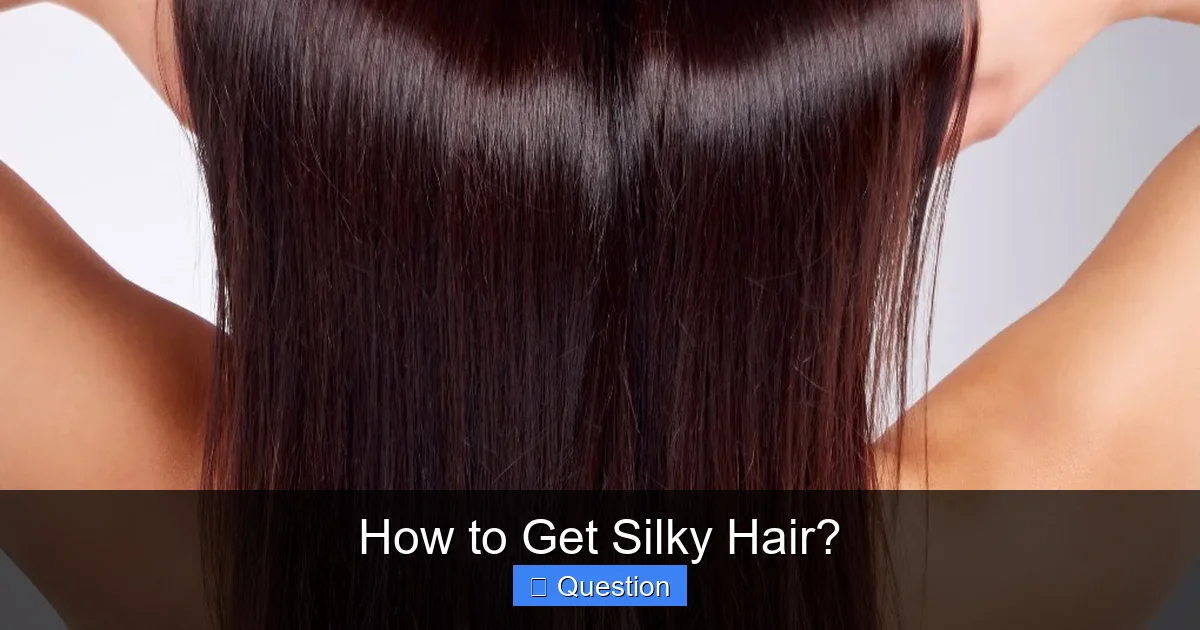
Achieving silky hair is simpler than you think when you understand the right techniques and products. By focusing on gentle cleansing, deep conditioning, proper nourishment, and smart styling choices, you can transform dull, frizzy strands into luscious, smooth locks. Consistency and a tailored routine are key to unlocking your hair’s full potential for shine and softness.
How to Get Silky Hair?
Who doesn’t dream of hair that feels like liquid silk, glides through your fingers, and shines with a healthy glow? That perfectly smooth, soft, and lustrous look isn’t just for models in shampoo commercials. It’s an achievable reality for everyone, regardless of your current hair type or texture. Whether you’re battling frizz, dryness, or dullness, understanding the science behind healthy hair and applying the right techniques can transform your tresses.
The quest for silky hair often feels like an endless cycle of trying new products and treatments, sometimes with disappointing results. But here’s the secret: it’s not about a single magic product. It’s about a holistic approach that combines gentle care, deep nourishment, smart styling, and consistent maintenance. When you treat your hair with the respect it deserves, focusing on its health from the inside out, those coveted smooth strands will follow.
In this comprehensive guide, we’re going to break down everything you need to know about how to get silky hair. We’ll explore foundational care, specific products, styling tips, and lifestyle changes that will pave your way to the gorgeous, touchable hair you’ve always wanted. Get ready to embark on your journey to unbelievably soft, shiny, and vibrant hair!
Key Takeaways
- Gentle Care is Crucial: Use sulfate-free shampoos and hydrating conditioners, and always be gentle when washing, drying, and detangling your hair to prevent damage and maintain a smooth cuticle.
- Deep Conditioning is Your Friend: Incorporate weekly deep conditioning masks and occasional hair oil treatments to provide intense moisture and nutrients, which are essential for achieving silky softness and shine.
- Protect from Heat: Minimize heat styling whenever possible, and always use a high-quality heat protectant if you do use hot tools. Excessive heat is a major culprit for dry, damaged, and non-silky hair.
- Nourish Inside and Out: A healthy diet rich in vitamins, minerals, and omega-3s supports hair health from within. Complement this with leave-in conditioners and serums to add external nourishment and a protective layer, helping you get silky hair.
- Smart Styling Matters: Opt for silk pillowcases, use boar bristle brushes for gentle detangling, and consider protective hairstyles to reduce friction and breakage, helping your hair stay smooth and sleek.
- Regular Trims are Non-Negotiable: Schedule regular trims to remove split ends, which can travel up the hair shaft and make hair look dull and feel rough. Fresh trims keep your hair looking and feeling healthy, essential for those aiming to get silky hair.
📑 Table of Contents
- Understanding Your Hair’s Needs for Silky Results
- The Foundation: Gentle Cleansing and Conditioning for Silky Hair
- Nourish from Within and Without to Get Silky Hair
- Smart Styling and Heat Protection for Silky Strands
- Regular Maintenance and Professional Care to Get Silky Hair
- Conclusion: Your Journey to Silky Hair
Understanding Your Hair’s Needs for Silky Results
Before diving into products and techniques, it’s crucial to understand your hair type and what makes hair feel “silky.” Silky hair is primarily hair with a smooth cuticle layer. The cuticle is the outermost layer of your hair shaft, made up of overlapping cells like shingles on a roof. When these shingles lie flat, light reflects evenly, making your hair look shiny and feel smooth. When they are raised, your hair can look dull, feel rough, and be prone to frizz.
Hair Type Matters
Every hair type has unique needs. Straight hair might struggle with oiliness and limpness, while wavy and curly hair often battles dryness and frizz. Coily hair, being the driest, requires the most intensive moisture. Understanding your hair type helps you choose the right products and avoid those that might weigh your hair down or strip it of essential moisture. For example, if you have fine, straight hair, heavy oils might be too much, but for thick, curly hair, they could be just what you need to get silky hair.
Identifying Damage
Damage is the enemy of silky hair. Split ends, breakage, and excessive dullness are all signs that your hair cuticle is compromised. Chemical treatments (coloring, perms), heat styling, and even harsh brushing can lift or break the cuticle, leading to rough texture and a lack of shine. Recognizing these issues is the first step in addressing them and paving the way for smoother strands.
The Role of Cuticle
As mentioned, the cuticle is paramount. Products that seal the cuticle, like acidic rinses (e.g., apple cider vinegar diluted in water), conditioners with a low pH, and various hair serums, help to flatten these “shingles.” When the cuticle is smooth, your hair is not only shinier and softer but also better protected from environmental damage and moisture loss, making it easier to get silky hair.
The Foundation: Gentle Cleansing and Conditioning for Silky Hair
Visual guide about How to Get Silky Hair?
Image source: hairsassy.com
The products you use in the shower form the bedrock of your silky hair journey. It’s about more than just washing; it’s about nourishing and protecting your hair from the very first step.
Choosing the Right Shampoo
The first rule of getting silky hair is to be gentle. Many shampoos contain sulfates, harsh detergents that can strip your hair of its natural oils, leading to dryness and frizz. Look for **sulfate-free** and **hydrating** shampoos. Ingredients like glycerin, hyaluronic acid, aloe vera, and natural oils (argan, coconut) are excellent for moisture retention. If your hair is oily, a clarifying shampoo can be used occasionally, but always follow up with a deeply hydrating conditioner. Remember to focus shampoo primarily on your scalp, letting the suds run down the length of your hair without aggressively scrubbing the ends.
The Art of Conditioning
Conditioner is your best friend when you want to get silky hair. It helps to smooth the cuticle, restore moisture, and detangle. After shampooing, gently squeeze excess water from your hair. Apply conditioner from the mid-lengths to the ends, avoiding the scalp if you tend to get oily roots. Leave it on for 2-5 minutes, allowing it to penetrate the hair shaft. For extra nourishment, you can even comb through your hair gently with a wide-tooth comb while the conditioner is in, ensuring even distribution and detangling. Rinse thoroughly with cool water to help seal the cuticle and lock in shine.
Deep Conditioning for Extra Softness
Think of deep conditioners or hair masks as super-powered conditioners. They deliver a concentrated dose of moisture and nutrients that regular conditioners can’t provide. Aim to use a deep conditioning mask once a week, or twice if your hair is particularly dry or damaged. Look for masks rich in proteins (like keratin) if your hair feels weak, or moisture-rich ingredients (shea butter, avocado oil) if it feels dry. Apply to clean, towel-dried hair, leave on for 10-20 minutes (or longer, as directed), and rinse well. This step is non-negotiable for anyone serious about how to get silky hair.
Nourish from Within and Without to Get Silky Hair
Beautiful hair isn’t just about what you put on it; it’s also about what you put into your body. Supplementing your external routine with internal care can significantly boost your hair’s health and appearance.
Diet for Healthy Hair
Your hair is a reflection of your overall health. A diet rich in essential nutrients can make a world of difference.
- Protein: Hair is primarily made of protein, so ensure you’re getting enough from lean meats, fish, eggs, beans, and nuts.
- Omega-3 Fatty Acids: Found in fatty fish (salmon, mackerel), flaxseeds, and walnuts, these healthy fats contribute to scalp health and hair shine.
- Vitamins and Minerals: Biotin (B7) is well-known for hair health, found in eggs, almonds, and sweet potatoes. Vitamin A (carrots, spinach), Vitamin C (citrus, berries), Vitamin E (nuts, seeds), and iron (red meat, lentils) are also vital for strong, vibrant hair.
Hydration is Key
Just like your body, your hair needs water to thrive. Staying well-hydrated by drinking plenty of water throughout the day helps your hair cells function optimally, contributing to its elasticity and overall health. Hydrated hair is healthy hair, and healthy hair is naturally more likely to be silky hair.
Leave-in Treatments and Serums
After showering, a good leave-in conditioner or serum can provide an extra layer of protection and moisture.
- Leave-in Conditioner: These lightweight formulas help detangle, add moisture, and protect hair from environmental damage. Apply a small amount to damp, towel-dried hair, focusing on the ends.
- Hair Serums: Often silicone-based, serums create a smooth barrier on the hair shaft, instantly taming frizz and adding shine. A pea-sized amount is usually enough; rub it between your palms and lightly smooth it over the surface of your hair, concentrating on the mid-lengths and ends. This is a quick fix to get silky hair instantly.
Hair Oils for Shine and Smoothness
Natural oils are fantastic for nourishing hair and sealing the cuticle.
- Argan Oil: Lightweight and rich in vitamin E, it’s excellent for adding shine and softness without weighing hair down.
- Coconut Oil: Penetrates the hair shaft to reduce protein loss and deeply moisturize. Great as an overnight mask.
- Jojoba Oil: Mimics your hair’s natural sebum, making it a good choice for balancing scalp oil and conditioning dry ends.
Apply a few drops to dry or damp hair, focusing on the ends, or use as a pre-shampoo treatment for deep conditioning. Regular oiling can significantly help you get silky hair over time.
Smart Styling and Heat Protection for Silky Strands
How you style your hair, especially with heat, plays a huge role in its texture and health. Small adjustments can prevent damage and maintain that silky feel.
Minimal Heat Styling
Excessive heat is one of the biggest culprits of damaged, non-silky hair. Heat styling tools like straighteners, curling irons, and even blow dryers can strip moisture and lift the hair cuticle, leading to frizz and breakage. Try to air dry your hair whenever possible. If you must use heat, opt for the lowest effective temperature setting and never apply heat to soaking wet hair.
Essential Heat Protectants
This step is non-negotiable if you use heat tools. A good heat protectant spray or cream creates a barrier between your hair and the heat, minimizing damage. Look for formulas that contain silicones or hydrolyzed proteins, which help shield the hair and provide a smooth finish. Apply evenly to damp hair before blow-drying, or to dry hair before using flat irons or curling wands. This single product can make a huge difference in your ability to get silky hair while using heat.
Brushing Techniques
Rough brushing can cause significant damage. Always detangle your hair gently, starting from the ends and working your way up. Use a wide-tooth comb on wet hair, as it’s more fragile when wet. For dry hair, a **boar bristle brush** can be beneficial. It helps distribute natural oils from your scalp down to your ends, adding shine and smoothness, and can make your hair feel much more silky.
Protecting Hair While You Sleep
Even your sleep routine can impact your hair’s silkiness.
- Silk Pillowcases: Cotton pillowcases can create friction, leading to frizz and breakage. Switching to a silk or satin pillowcase reduces friction, allowing your hair to glide smoothly, helping to preserve your silky hair.
- Loose Braids or Buns: Tying your hair in a loose braid or bun before bed can prevent tangles and friction while you sleep. Avoid tight elastics that can cause breakage.
Regular Maintenance and Professional Care to Get Silky Hair
Consistent care and knowing when to seek professional help are vital for maintaining your hair’s health and silkiness long-term.
Trimming for Health
You can use all the conditioners and oils in the world, but if your ends are split and frayed, your hair won’t ever look truly silky. Regular trims (every 6-8 weeks) are essential to snip away split ends before they can travel up the hair shaft and cause further damage. A fresh cut instantly makes your hair look healthier, thicker, and smoother.
Professional Treatments
Sometimes, your hair needs a little extra help. Professional salon treatments can address specific issues and provide intense nourishment.
- Keratin Treatments: These semi-permanent treatments smooth the hair cuticle, reduce frizz, and add intense shine, making hair incredibly silky and manageable for months.
- Hair Gloss or Glaze: These treatments add shine and can enhance your hair color, making it look vibrant and smooth. They often seal the cuticle, contributing to a silky feel.
- Deep Conditioning Treatments: Salons often have more potent, professional-grade masks and treatments than those available for home use.
Consult with a trusted stylist to see which treatment might be best for your hair type and goals to get silky hair.
Protecting Hair from Environmental Damage
Your hair faces daily challenges from the environment.
- Sun Protection: Just like your skin, your hair can suffer from sun damage. UV rays can dry out hair, fade color, and make it brittle. Use UV-protective hair sprays or wear a hat when spending extended time in the sun.
- Chlorine and Salt Water: These can strip hair of its natural oils and moisture. Before swimming, wet your hair with fresh water and apply a leave-in conditioner or hair oil to create a protective barrier. Rinse your hair thoroughly immediately after swimming.
Conclusion: Your Journey to Silky Hair
Achieving silky hair is a journey, not a destination. It requires patience, consistency, and a mindful approach to your hair care routine. By understanding your hair’s unique needs, choosing gentle products, providing deep nourishment, practicing smart styling, and committing to regular maintenance, you’ll see a dramatic transformation in your hair’s texture, shine, and overall health.
Remember, every strand tells a story of care—or lack thereof. Treat your hair with kindness, invest in quality products, and incorporate the tips we’ve shared, and soon you’ll be running your fingers through the beautifully soft, shiny, and undeniably silky hair you’ve always dreamed of. Enjoy the feeling of truly healthy, happy hair!
Frequently Asked Questions
How often should I wash my hair to get silky hair?
The ideal frequency varies by hair type. For most, washing every 2-3 days is sufficient to keep hair clean without stripping natural oils. If your hair is very oily, you might wash more often, and if it’s very dry, you might stretch it to 3-4 days.
Can diet really impact hair silkiness?
Absolutely! A balanced diet rich in proteins, omega-3 fatty acids, vitamins (especially A, C, E, and biotin), and minerals like iron supports healthy hair growth and strength from within. This internal nourishment directly contributes to shinier, more resilient, and ultimately, silkier hair.
What’s the most important product for achieving silky hair?
While many products contribute, a high-quality, hydrating deep conditioner or hair mask is arguably the most crucial. It provides intense moisture and nutrients that help smooth the hair cuticle, reduce frizz, and significantly improve softness and shine.
Is it bad to brush my hair when it’s wet if I want silky hair?
Brushing wet hair can cause breakage because hair is most fragile when wet. If you must detangle wet hair, always use a wide-tooth comb, start from the ends, and work your way up gently to minimize damage and preserve your hair’s integrity for silkiness.
How can I protect my hair from heat damage without giving up my styling tools?
The key is to always use a good heat protectant before applying any heat. Also, opt for the lowest effective temperature setting on your tools and avoid using them on soaking wet hair. Air dry partially before blow-drying to reduce heat exposure.
Do silk pillowcases truly help in getting silky hair?
Yes, they can make a significant difference! Cotton pillowcases create friction that can lead to frizz, tangles, and breakage. Silk or satin pillowcases allow your hair to glide smoothly, reducing friction and helping to keep your hair smoother and preserve its silkiness overnight.