
How to Make Hair Less Frizzy?
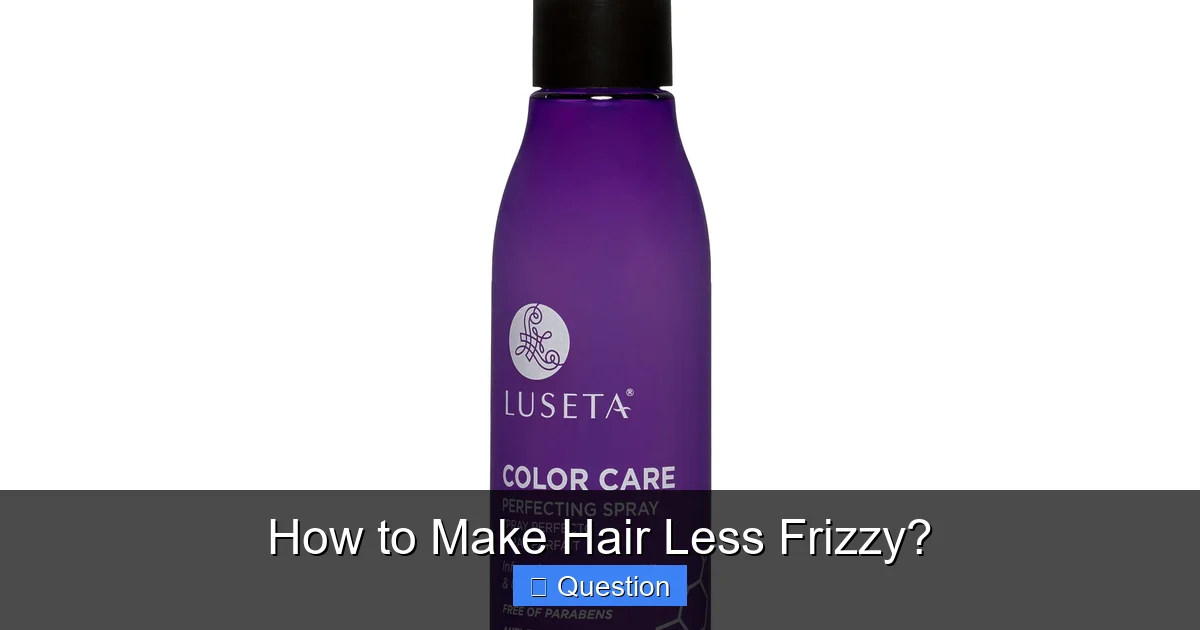
Taming frizzy hair is absolutely achievable with the right approach! This comprehensive guide reveals how to make hair less frizzy by focusing on understanding frizz, optimizing your wash and dry routines, using targeted products, and adopting long-term hair care habits. Say goodbye to unruly strands and hello to smoother, healthier hair.
Oh, frizz. It’s that one hair challenge almost everyone faces at some point. One moment your hair looks perfectly smooth, and the next, it seems to have a mind of its own, puffing up and creating a halo of unruly strands. Whether it’s a humid day, post-shower woes, or just your hair’s natural tendency, frizz can be incredibly frustrating.
You’re not alone in wondering how to make hair less frizzy. Many people battle with this daily. The good news? Frizz isn’t a permanent sentence. With a little understanding and the right hair care routine, you can absolutely tame those flyaways and achieve smoother, more manageable hair. This guide is your ultimate playbook for saying goodbye to frizz and hello to fabulous, healthy locks!
Key Takeaways
- Understand Frizz: Frizz happens when your hair’s outer layer (cuticle) opens, letting moisture in or out. This is often due to humidity, damage, or a lack of internal moisture.
- Gentle Washing Matters: Always opt for sulfate-free shampoos and rich, hydrating conditioners. Properly conditioning and rinsing with cool water can help seal the cuticle, making hair less frizzy.
- Smart Drying Techniques: Ditch harsh terry towels. Use a microfiber towel or a cotton t-shirt to gently blot excess water. Air dry whenever possible, or use a diffuser on a low heat setting for minimal frizz.
- Utilize Anti-Frizz Products: Incorporate leave-in conditioners, anti-frizz serums, creams, and oils into your routine. These products create a barrier, lock in moisture, and smooth the hair shaft.
- Adopt Long-Term Hair Habits: Regular hair trims, sleeping on silk or satin pillowcases, and weekly deep conditioning treatments are crucial for maintaining hair health and reducing frizz over time.
- Avoid Common Frizz Triggers: Steer clear of over-brushing dry hair, excessive heat styling without protection, and using products that aren’t suited for your specific hair type and texture.
- Consistency is Key: Managing frizz is an ongoing journey. Consistent application of these tips will yield the best and most lasting results for smoother, more manageable hair.
📑 Table of Contents
Understanding Frizz: What Causes It?
Before we dive into solutions, let’s get to know our enemy. Frizz isn’t just random chaos; it’s a scientific reaction happening on your hair strands. Understanding its roots is the first step in learning how to make hair less frizzy.
Humidity’s Role
This is probably the most common culprit. Your hair’s outer layer, called the cuticle, is like a shingled roof. When the air is humid, your hair tries to absorb moisture from the air. This causes the cuticle to lift and open, making the hair swell and appear frizzy. It’s a bit like a sponge trying to soak up all the moisture around it.
Damaged Hair Cuticle
Even without humidity, damage can lead to frizz. Chemical treatments (like coloring or perms), excessive heat styling (think flat irons and curling wands), and even harsh brushing can lift or damage the cuticle. Once the cuticle isn’t lying flat, your hair becomes more porous. This means it can’t hold moisture effectively internally, and it’s also more prone to absorbing external moisture, leading to frizz.
Lack of Moisture
Ironically, dry hair is often the frizziest. When your hair is parched, it actively seeks moisture from the environment. This makes it more susceptible to humidity. Hair that lacks proper hydration is also more brittle, leading to breakage and those annoying flyaways. So, keeping your hair moisturized from within is key to making hair less frizzy.
The Right Wash Day Routine for Frizz-Free Hair
Your journey to smoother hair starts in the shower. The products you use and how you wash your hair play a huge role in preventing frizz.
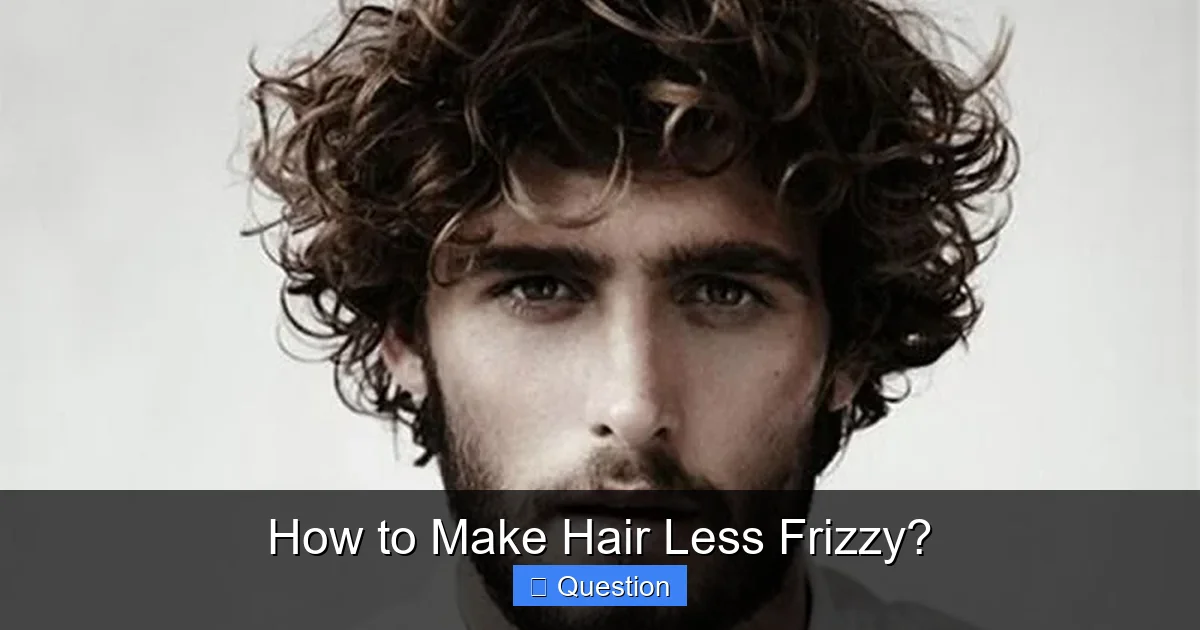
Visual guide about How to Make Hair Less Frizzy?
Image source: equalityalabama.org
Sulfate-Free Shampoos and Conditioners
Many traditional shampoos contain sulfates, harsh detergents that can strip your hair of its natural oils. This leaves your hair dry and prone to frizz. Switch to sulfate-free formulas. They cleanse gently, helping your hair retain essential moisture. Look for ingredients like argan oil, shea butter, and hyaluronic acid in your conditioners; these are superstars for hydration.
- Tip: Apply shampoo primarily to your scalp to cleanse, letting the lather gently rinse down your hair strands. Avoid scrubbing the length of your hair too vigorously.
Proper Conditioning Techniques
Conditioner is your best friend when you want to make hair less frizzy. After shampooing, gently squeeze excess water from your hair. Apply conditioner from the mid-lengths to the ends, focusing on the areas that tend to frizz most. Leave it on for a few minutes, allowing your hair to soak up all that goodness. For very thick or curly hair, you might even consider “squish to condish” methods to really work the product in.
The Cold Rinse Trick
Before you step out of the shower, give your hair a quick rinse with cool or lukewarm water. This helps to close the hair cuticles, locking in the moisture from your conditioner and making your hair appear smoother and shinier. It’s a simple step that makes a noticeable difference in how to make hair less frizzy.
Smart Drying Techniques to Tame the Frizz
How you dry your hair after washing can make or break your frizz-fighting efforts. Harsh drying methods can rough up the cuticle and instantly invite frizz.
Microfiber Towels or T-Shirts
Traditional terry cloth towels can be too abrasive for your hair, causing friction that leads to frizz. Instead, reach for a microfiber towel or an old cotton t-shirt. Gently blot and squeeze excess water from your hair. Avoid rubbing vigorously, as this roughs up the cuticle and promotes frizz. This gentle approach is fundamental in learning how to make hair less frizzy.
Air Drying Wisely
If time allows, air drying is the gentlest option. However, simply letting your hair air dry without any product can still result in frizz, especially in humid climates. Apply a leave-in conditioner or an anti-frizz serum to damp hair before air drying. This creates a protective barrier and helps the hair dry smoothly.
Diffuser vs. Direct Heat
When you need to blow-dry, using a diffuser attachment is a game-changer, especially for wavy or curly hair. A diffuser disperses the airflow, reducing the direct blast of heat that can cause frizz. Use it on a low heat and low speed setting. Avoid touching your hair too much while drying, as this can disturb the cuticle. If you have straight hair, use your blow dryer with a nozzle attachment, directing airflow downwards, and always use a heat protectant.
Styling Products That Fight Frizz
The right styling products are your secret weapons in the battle against frizz. They help to create a barrier, lock in moisture, and keep your hair smooth throughout the day.
Leave-In Conditioners and Serums
These are must-haves for anyone asking how to make hair less frizzy. A leave-in conditioner provides an extra layer of moisture and protection, keeping your hair hydrated long after your shower. Anti-frizz serums, often silicone-based, create a smooth coating on the hair shaft, repelling humidity and adding shine. Apply a small amount to damp hair, focusing on the mid-lengths and ends.
Anti-Frizz Creams and Gels
For more control, especially for thicker or curlier hair types, anti-frizz creams and gels can be incredibly effective. Creams offer a softer hold and more moisture, while gels provide stronger hold and definition. Look for products that promise to smooth, define, and protect against humidity. Distribute evenly through damp hair before styling.
Hair Oils for Shine and Smoothness
A few drops of a lightweight hair oil (like argan, jojoba, or coconut oil) can work wonders on dry, frizzy ends. Apply a tiny amount to dry hair as a finishing step to add shine, smooth down flyaways, and provide an extra layer of protection against humidity. Remember, a little goes a long way to avoid making your hair greasy.
Long-Term Strategies for Lasting Smoothness
Frizz management isn’t just about quick fixes. Incorporating long-term habits into your routine will significantly improve your hair’s health and its ability to resist frizz.
Regular Hair Trims
Split ends are notorious for causing frizz, as the damaged ends cannot lie flat. Regular trims, every 6-8 weeks, remove these damaged ends, making your hair look healthier and feel smoother. This simple act of maintenance is crucial for keeping hair less frizzy and more vibrant.
Silk or Satin Pillowcases
Cotton pillowcases create friction as you move in your sleep, which can rough up your hair’s cuticle and lead to frizz. Switching to a silk or satin pillowcase allows your hair to glide smoothly, reducing friction and preventing tangles and frizz. It’s a small change that makes a big difference!
Deep Conditioning and Hair Masks
Once a week (or every other week for finer hair), treat your hair to a deep conditioning mask. These treatments provide an intense boost of moisture and nutrients, helping to repair damage and strengthen the hair shaft. Well-nourished hair is much less likely to become frizzy. Look for masks with ingredients like keratin, ceramides, or natural oils.
Protective Hairstyles
When you’re sleeping, or even just going about your day, keeping your hair in a loose braid or bun can protect it from friction and environmental factors that cause frizz. Avoid tight hairstyles that can cause tension and breakage.
Common Frizz Mistakes to Avoid
Sometimes, what you’re doing (or not doing) unintentionally contributes to frizz. Here are a few habits to reconsider:
Over-Brushing Dry Hair
Brushing dry hair, especially curly or wavy hair, can break up natural curl patterns and cause significant frizz. If you need to detangle, do it gently when your hair is damp, using a wide-tooth comb and a leave-in conditioner. For dry hair, use your fingers or a very soft brush sparingly to smooth flyaways.
Too Much Heat Styling
While we covered smart drying, excessive use of heat tools like curling irons and straighteners without proper heat protection can severely damage your hair’s cuticle, making it incredibly prone to frizz. Limit heat styling whenever possible, and always, always use a good heat protectant spray.
Ignoring Hair Type
Not all frizz is created equal, and not all hair types respond to the same products. What works for thick, curly hair might be too heavy for fine, wavy hair. Pay attention to your hair’s unique needs. Do you have fine hair that gets weighed down easily? Or coarse hair that needs maximum hydration? Tailor your product choices and routine accordingly for the best results in how to make hair less frizzy.
Taming frizz might seem like a never-ending battle, but with these strategies, you are well-equipped to win. The journey to making hair less frizzy is about understanding your hair, treating it gently, and giving it the nourishment and protection it needs. It’s a combination of smart product choices, careful drying, and consistent, healthy hair care habits.
Remember, patience and consistency are your best friends. Don’t expect miracles overnight, but stick with these tips, and you’ll soon notice a significant improvement in your hair’s texture, shine, and overall manageability. Embrace your hair, understand its needs, and enjoy the journey to smoother, frizz-free locks!
Frequently Asked Questions
Why is my hair always frizzy?
Your hair might be frizzy due to a combination of factors such as humidity, dryness, or a damaged hair cuticle. When the hair’s outer layer is lifted, it absorbs moisture from the air, causing it to swell and appear unruly.
Can specific foods reduce frizz?
While no specific food directly “reduces frizz,” a diet rich in omega-3 fatty acids, vitamins (especially biotin and vitamin E), and antioxidants can promote overall hair health. Healthy hair is more resilient to frizz, as it’s better hydrated and stronger from within.
What’s the best product for frizzy hair?
The “best” product varies by hair type, but effective anti-frizz products include sulfate-free shampoos and conditioners, leave-in conditioners, silicone-based serums, and hydrating hair oils or creams. These work by sealing the cuticle, providing moisture, and creating a barrier against humidity.
Should I brush frizzy hair?
It’s generally best to avoid brushing frizzy hair when it’s dry, especially if you have wavy or curly hair, as this can disrupt the curl pattern and increase frizz. Instead, detangle with a wide-tooth comb when your hair is damp and coated with conditioner or a leave-in product.
How often should I deep condition for frizz?
For most hair types prone to frizz, deep conditioning once a week is highly beneficial. If your hair is extremely dry or damaged, you might increase it to twice a week. Fine hair may only need it every other week to avoid being weighed down.
Does humidity always cause frizz?
Humidity is a primary cause of frizz for many, as hair naturally absorbs moisture from the air, causing the cuticle to swell. However, with proper hair care, including sealing products and gentle drying, you can significantly reduce how humidity affects your hair.