
How to Pass a Hair Follicle Drug Test?
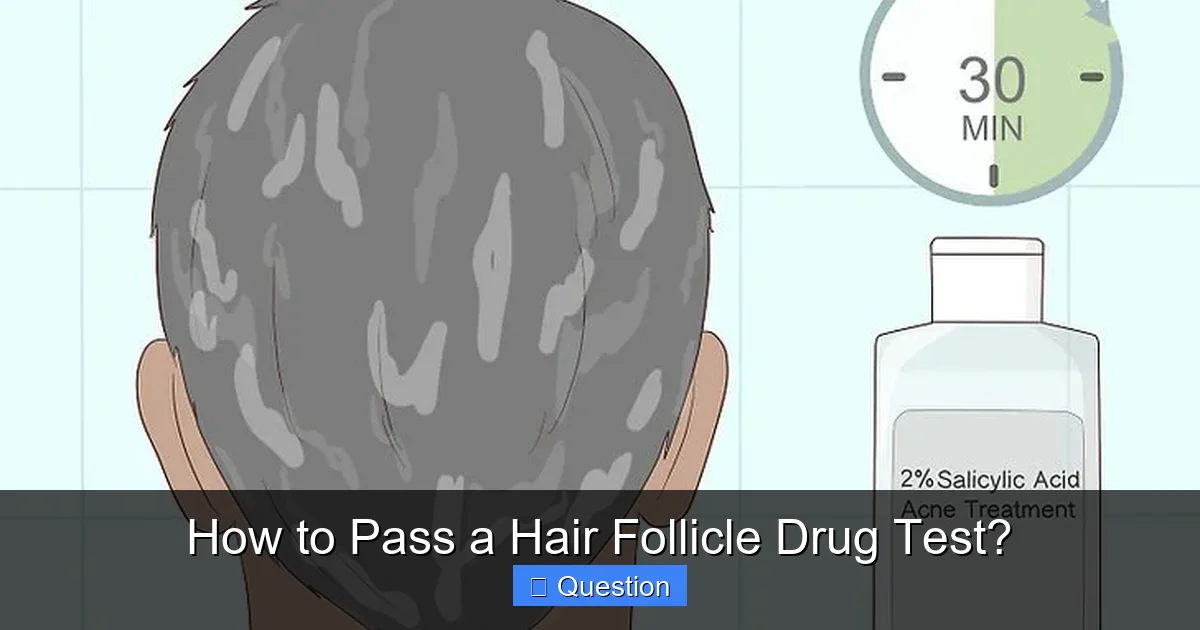
Facing a hair follicle drug test can be daunting due to its long detection window and high accuracy. This comprehensive guide covers everything from how these tests work to common misconceptions and potential strategies to help you pass. Learn about the science behind detection, various detox methods, and crucial last-minute tips to maximize your chances of a successful outcome.
How to Pass a Hair Follicle Drug Test?
Facing a hair follicle drug test can feel like a high-stakes challenge, especially if you’re worried about past recreational use. Unlike urine or saliva tests, which typically have shorter detection windows, hair tests delve much deeper into your history, often looking back as far as 90 days. This extended detection period, combined with their accuracy, makes them one of the most formidable drug screening methods.
Many people find themselves in a bind, searching frantically for reliable information on how to pass a hair follicle drug test. The internet is flooded with advice, ranging from scientifically dubious home remedies to expensive, specialized products. It’s tough to separate fact from fiction when your job, future, or even freedom might be on the line. This article aims to cut through the noise, providing you with a clear, honest, and comprehensive guide to understanding these tests and exploring the various strategies people use in an attempt to pass them.
Whether you’ve just been notified of an upcoming test or you’re planning ahead, arming yourself with accurate knowledge is your first and best defense. We’ll break down how hair follicle tests work, what they detect, and crucially, what steps you can take – or avoid – to improve your chances. While no method offers a 100% guarantee, understanding the science and common practices can empower you to make informed decisions.
Key Takeaways
- Understanding the Test: Hair follicle drug tests analyze drug metabolites embedded in the hair shaft, offering a detection window of up to 90 days, making them highly effective and difficult to circumvent.
- Long Detection Window: Unlike urine tests, hair tests can detect drug use for approximately three months, as metabolites are stored in the hair as it grows.
- Ineffective Home Remedies: Many common home remedies like vinegar, bleach, or extensive washing are generally insufficient to remove drug metabolites deeply embedded within the hair shaft and are unlikely to help you pass a hair follicle drug test.
- The Macujo/Jerry G Methods: These are popular, aggressive DIY protocols involving specific household products and specialized detox shampoos designed to open hair cuticles and strip metabolites, though success is not guaranteed and they can damage hair.
- Professional Detox Shampoos: Specialized products like Zydot Ultra Clean or TestClear Folli-Klean are designed to deeply cleanse the hair and scalp, working best when used as part of a comprehensive detox strategy.
- Time and Preparation are Key: The most effective approach involves significant preparation time, possibly abstaining from substances, and consistently applying detox methods before the test.
- No Guarantees: While various methods aim to help you pass a hair follicle drug test, none offer a 100% guarantee due to individual factors like drug use history, hair type, and test sensitivity.
📑 Table of Contents
Understanding the Hair Follicle Drug Test
Before we dive into how to pass a hair follicle drug test, it’s essential to understand what exactly these tests are and how they operate. A hair follicle drug test, often simply called a hair drug test, is a type of screening that analyzes a small sample of your hair for evidence of drug use. It’s a non-invasive test, typically involving the collection of about 100-120 strands of hair, usually from the crown of your head, cut as close to the scalp as possible.
How Drug Metabolites Get Into Your Hair
When you consume a substance, whether it’s marijuana, cocaine, opioids, or amphetamines, your body metabolizes it. These drug metabolites circulate through your bloodstream. As your hair grows, these metabolites become incorporated into the hair shaft from the blood vessels that nourish the hair follicle. Once they’re in the hair, they stay there, essentially creating a permanent record of drug use within that particular segment of hair. This is why a hair follicle drug test is so effective at detecting past use.
The Science Behind Detection
The collected hair sample is sent to a lab where it undergoes a multi-step process. First, the hair is washed to remove any external contaminants like dirt, dust, or residue from external drug exposure. Then, the hair is dissolved, and the remaining liquid is analyzed using highly sensitive techniques like immunoassay and gas chromatography/mass spectrometry (GC/MS). These methods can identify specific drug metabolites, even in very small quantities, providing highly accurate results. The length of the hair sample typically determines the detection window.
Detection Windows and Why They Matter
The detection window is perhaps the most critical aspect to understand when you’re trying to figure out how to pass a hair follicle drug test. This refers to the period during which drug use can be detected by the test. For hair follicle tests, this window is significantly longer than for other common drug tests.
Visual guide about How to Pass a Hair Follicle Drug Test?
Image source: wikihow.com
Typical Detection Period: Up to 90 Days
The standard hair follicle drug test typically samples 1.5 inches of hair, measured from the scalp. Since head hair generally grows at an average rate of about 0.5 inches per month, a 1.5-inch sample can provide a detection history of approximately 90 days (or three months). This means if you used a substance within that 90-day window, there’s a very high chance it will be detected.
What if You Have No Head Hair?
If you have very short head hair (less than 1.5 inches), or if you’re bald, the collector might take hair from other body parts, such as your armpit, leg, or even facial hair. Body hair grows at a different, often slower, rate than head hair. Consequently, a 1.5-inch sample of body hair could potentially reveal a detection window of up to 12 months, making it even more challenging to pass a hair follicle drug test if body hair is used. However, most labs prefer head hair due to its more consistent growth rate.
Common Misconceptions and Ineffective Methods
When you’re searching for ways to pass a hair follicle drug test, you’ll undoubtedly encounter a lot of misinformation and urban legends. It’s crucial to distinguish between what might actually work and what is largely a waste of time, effort, and money.
Shaving Your Head is Not a Solution
A common myth is that simply shaving your head will solve the problem. While it’s true that if there’s no hair, there’s no sample to take, it’s not a practical solution. If you shave your head, the collector will simply take hair from another part of your body. As mentioned, body hair can have an even longer detection window. Plus, showing up completely bald or with suspiciously short hair right before a test can raise red flags and lead to further scrutiny.
Home Remedies Are Generally Ineffective
Many people turn to easily accessible household products, believing they can strip drug metabolites from their hair. These often include:
- Vinegar: Apple cider vinegar or white vinegar is thought to “cleanse” the hair. While it can alter the pH, it doesn’t penetrate deeply enough to remove embedded metabolites.
- Bleach or Hair Dye: Some believe that chemically treating your hair with bleach or strong dyes will destroy the drug metabolites. While these processes can cause some damage and *might* slightly reduce metabolite levels, they are unlikely to reduce them below the detection threshold reliably. Moreover, they severely damage your hair and scalp.
- Extensive Washing: Washing your hair multiple times a day with regular shampoo, even harsh ones, is typically insufficient. Drug metabolites are *inside* the hair shaft, not just on the surface.
- Dish Soap: Like regular shampoo, dish soap isn’t designed to penetrate the hair cuticle and remove drug residues from within.
These methods generally fail because drug metabolites are not superficial contaminants. They are chemically bound within the hair shaft, protected by the cuticle. To remove them, you need a method that can penetrate this protective layer, a feat most household products cannot achieve effectively or safely.
Proven Strategies for Passing: The Detox Method
Given the difficulty of a hair follicle drug test, truly “passing” often involves a combination of strategies. The most frequently discussed and arguably most effective approach involves intensive hair detoxification methods. These methods aim to open the hair cuticle, release the embedded drug metabolites, and then close the cuticle, hoping to reduce the concentration of metabolites below the lab’s cutoff levels. Remember, these methods are aggressive and can cause significant hair and scalp damage.
Abstinence is the First Step
This might seem obvious, but it’s the most critical first step. As soon as you know about an upcoming test, stop all substance use immediately. The more time you give your body to process and eliminate drugs, the fewer new metabolites will be incorporated into your growing hair. While it won’t remove what’s already there, it prevents further accumulation.
The Macujo Method (and its variations)
The Macujo method is one of the most well-known, albeit aggressive, DIY hair detox protocols. It involves a sequence of steps using common household products and a specialized detox shampoo. The idea is to create an acidic environment to open the hair cuticle, allow the substances to penetrate, and then use detergents to flush out metabolites.
Here’s a general outline of the Macujo Method, which should be repeated multiple times (e.g., daily for 7-10 days, with the final intensive application on test day):
- Rinse Hair: Thoroughly wet your hair.
- Apply Apple Cider Vinegar: Work a generous amount of pure apple cider vinegar into your hair and scalp. Massage it in and let it sit for 5-10 minutes. This creates an acidic environment to help open the hair cuticle.
- Apply Clean & Clear Astringent: Without rinsing the vinegar, apply a salicylic acid-based astringent (like Clean & Clear Deep Cleaning Astringent) directly over the vinegar. Massage it in and leave for another 5-10 minutes. The salicylic acid further helps to strip oils and open cuticles. *Be warned: this mixture will likely sting, especially if you have scalp abrasions.*
- Rinse Thoroughly: Rinse your hair thoroughly with warm water.
- Wash with a Specialized Detox Shampoo: Immediately follow with a wash using a high-quality detox shampoo (e.g., Zydot Ultra Clean, TestClear Folli-Klean). Lather well, leave on for the recommended time (usually 10-15 minutes), then rinse.
- Repeat: This entire process is typically repeated several times leading up to the test, and then done once more very intensely on the day of the test.
The effectiveness of the Macujo method is anecdotal, and it can be very damaging to your hair and scalp. Always perform a patch test first.
The Jerry G Method
The Jerry G method is another intense protocol, often considered even more aggressive than the Macujo method. It involves chemical processes that are known to significantly alter hair structure.
- Bleach and Dye: Approximately 10 days before your test, bleach your hair. Then immediately re-dye it to your natural color. This process damages the hair shaft, which is believed to help release metabolites.
- Repeat Bleach and Dye (Optional): Some users repeat the bleach and dye process 3-5 days before the test, especially if they have been heavy users.
- Baking Soda Paste: On the day of the test, create a paste of baking soda and water. Apply it to your hair, focusing on the roots, and leave it on for 10-15 minutes. Baking soda is alkaline and thought to help further strip residues.
- Wash with Specialized Detox Shampoo: Thoroughly rinse out the baking soda and then wash your hair thoroughly with a specialized detox shampoo (like a Toxin Rid or Zydot product).
The Jerry G method relies on the damaging effects of bleaching and dyeing to compromise the hair shaft and release metabolites. It is extremely harsh and can lead to severe hair damage, breakage, and scalp irritation. It’s often seen as a last resort due to its intensity.
Advanced Techniques and Professional Products
Beyond DIY methods, there are a range of professional detox products designed specifically to help you pass a hair follicle drug test. These products often combine powerful cleansing agents with conditioning elements to minimize hair damage.
Specialized Detox Shampoos
These shampoos are formulated with ingredients that claim to penetrate the hair shaft more effectively than regular shampoos, targeting and removing drug metabolites. Popular examples include:
- Zydot Ultra Clean: This three-step system (purifier, shampoo, conditioner) is one of the most widely recognized products. It’s designed to deeply cleanse the hair and remove impurities. It’s often used in conjunction with methods like Macujo for a final, intensive wash on test day.
- TestClear Folli-Klean Shampoo: Another popular option that uses a combination of ingredients to open the cuticle and cleanse the hair.
- Toxin Rid Detox Shampoo: Often recommended for heavier users, Toxin Rid products are known for their strength and comprehensive approach.
These products are typically used following an intensive pre-treatment (like a modified Macujo method) and are crucial for the final wash just before the test. It’s important to follow their instructions meticulously for the best chance of success.
Consider a Consultation
If you’re facing a high-stakes test, some companies offer confidential consultations to help you choose the best products and strategies based on your specific drug use history (type, frequency, last use) and hair type. While these services come at a cost, they can provide tailored advice and a structured plan to help you pass a hair follicle drug test.
Last-Minute Tips and What to Expect
Even with thorough preparation, the day of the test can be nerve-wracking. Here are some last-minute tips and what you should expect during the actual collection process.
On the Day of the Test
- Perform a Final Detox: If you’ve been following a detox regimen, perform a final, rigorous round on the morning of your test using your chosen method and detox shampoo.
- Avoid Contamination: Wear clean clothes, use clean towels, and ensure your pillowcases are fresh. You want to avoid any possibility of re-contaminating your hair with residue from previous drug use.
- Personal Hygiene: Shower thoroughly, including your body, before heading to the test.
- Be Confident: Try to remain calm and confident during the collection. Your demeanor should not draw unnecessary attention.
The Collection Process
When you arrive at the testing facility, here’s typically what happens:
- Identification: You’ll be asked to provide identification.
- Waiver/Consent: You’ll likely sign a consent form for the test.
- Hair Sample Collection: The collector will explain the process. They will take a small sample of hair, usually about 1.5 inches long and roughly the width of a pencil, from the crown of your head. They’ll try to get it as close to the scalp as possible. They might take samples from multiple spots to avoid creating a noticeable bald patch.
- Alternative Sites: If head hair is too short or unavailable, they will ask to collect body hair (armpit, leg, chest, or facial hair).
- Packaging: The hair sample is placed in a special foil or envelope, sealed, and labeled for transport to the lab.
- No Direct Contact: The collector will wear gloves and use clean instruments to avoid contamination.
Important Considerations
- Integrity: Do not tamper with the sample or try to trick the collector. They are trained professionals, and any suspicious behavior could lead to an immediate failure or a requirement for another test under stricter supervision.
- No Guarantees: It’s critical to understand that no method, even the most aggressive, offers a 100% guarantee of passing a hair follicle drug test. Factors like the amount and frequency of drug use, hair porosity, and the specific lab’s cutoff levels can all influence the outcome.
Navigating a hair follicle drug test is challenging due to its long detection window and accuracy. While abstinence is always the surest path, if you’re in a situation where you need to take proactive steps, understanding the science and employing intensive detoxification methods can potentially improve your chances. Always prioritize your health and safety when undertaking any aggressive hair treatment, and be realistic about the potential outcomes.
Frequently Asked Questions
How long does a hair follicle drug test detect drugs?
A standard hair follicle drug test typically provides a detection window of up to 90 days (three months) for head hair. If body hair is used, this window can extend even longer, potentially up to 12 months, due to slower growth rates.
Are hair follicle drug tests accurate?
Yes, hair follicle drug tests are considered highly accurate and reliable. They are less susceptible to tampering than urine tests and can detect drug metabolites embedded within the hair shaft using sophisticated laboratory techniques like GC/MS.
Can simply washing my hair remove drug metabolites?
No, simply washing your hair with regular shampoo is not effective for removing drug metabolites. These metabolites are integrated into the inner structure of the hair shaft, protected by the cuticle, and cannot be washed away by surface-level cleaning.
Does dyeing or bleaching my hair help pass a hair follicle drug test?
While aggressive chemical treatments like bleaching or dyeing can cause some damage to the hair and *might* slightly reduce metabolite levels, they are generally not sufficient on their own to consistently reduce metabolites below detection thresholds. They also severely damage your hair and scalp.
What are the “Macujo” and “Jerry G” methods?
These are intensive, multi-step DIY hair detoxification protocols that involve using a combination of household chemicals (like vinegar, astringents, baking soda) and specialized detox shampoos. They aim to open the hair cuticle to release embedded drug metabolites, but they are aggressive and can cause significant hair and scalp damage.
Are there professional products to help pass a hair follicle drug test?
Yes, several specialized detox shampoos and systems (e.g., Zydot Ultra Clean, TestClear Folli-Klean, Toxin Rid Detox Shampoo) are marketed to help cleanse hair of drug metabolites. These products are often used in conjunction with intensive pre-treatment methods for optimal results.