
Is Bleaching Your Hair Bad?
Bleaching your hair involves a powerful chemical process that strips natural pigment, making it inherently damaging. While it’s not always ‘bad’ in the sense of irreparable harm, it significantly weakens hair, leading to dryness, breakage, and frizz if not done correctly or cared for meticulously. Understanding the risks and committing to proper pre- and post-care is crucial for anyone considering bleaching.
The allure of lighter hair is undeniable. Whether you dream of sun-kissed blonde highlights, a bold platinum statement, or simply want to lighten your base for a vibrant new color, the journey often begins with one powerful chemical process: bleaching. It’s a transformative step that can completely change your look and boost your confidence. But with great power comes great responsibility – and a common, nagging question: Is bleaching your hair bad?
It’s a question whispered in salons, debated among friends, and furiously typed into search engines by anyone considering taking the plunge. And the answer, like many things in life, isn’t a simple yes or no. Bleaching your hair isn’t inherently evil, but it’s certainly not without its risks. It’s a process that fundamentally alters the structure of your hair, and understanding what happens, why it can be damaging, and how to mitigate those effects is key to making an informed decision.
In this comprehensive guide, we’ll dive deep into the world of hair bleaching. We’ll explore the science behind how it works, detail the potential downsides, and, most importantly, provide practical tips and strategies for minimizing damage and keeping your bleached hair looking as healthy and vibrant as possible. So, if you’re wondering if bleaching your hair is bad for you, let’s break down everything you need to know.
Key Takeaways
- Bleaching is a Chemical Process: Hair bleaching works by opening the hair cuticle and dissolving melanin, inherently altering and weakening the hair’s structure.
- Potential for Significant Damage: Without proper care, bleaching can lead to severe dryness, brittleness, breakage, split ends, and a dull, frizzy appearance. It can also irritate the scalp.
- Professional Help is Recommended: DIY bleaching significantly increases the risk of uneven color and severe damage. A professional stylist can assess hair health, use appropriate products, and apply them correctly.
- Pre-Bleach Hair Health is Crucial: Starting with healthy, strong hair that hasn’t been recently processed with other chemicals is essential to minimize potential damage from bleaching.
- Aftercare is Non-Negotiable: Post-bleaching, a rigorous routine of moisturizing, deep conditioning, gentle styling, and protecting hair from heat and environmental stressors is vital for recovery and maintaining health.
- Bond-Building Treatments Help: Incorporating bond-building products (like Olaplex or K18) during and after bleaching can significantly mitigate damage by repairing broken disulfide bonds within the hair.
- Not for Everyone: Individuals with severely damaged, fragile, or recently chemically treated hair, or those with sensitive scalps, should avoid bleaching to prevent further harm.
📑 Table of Contents
- What Exactly Happens When You Bleach Your Hair? The Science Behind the Lightening
- The Downsides: Why Bleaching Your Hair Can Be Bad for Your Strands
- Minimizing Damage: How to Bleach Your Hair (Relatively) Safely
- Aftercare is Key: Post-Bleaching Hair Care Essentials
- When to Say No: Who Should Avoid Bleaching?
- The Verdict: Is Bleaching Your Hair Bad? Balancing Risks and Rewards
What Exactly Happens When You Bleach Your Hair? The Science Behind the Lightening
Before we can truly answer “Is bleaching your hair bad?”, we need to understand the magic – or rather, the chemistry – behind it. Bleaching is not just “taking color out”; it’s a complex chemical reaction that fundamentally changes your hair structure.
The Role of Peroxide and Ammonia
At the heart of most bleaching formulas are two key ingredients: hydrogen peroxide and an alkaline agent, usually ammonia. Think of your hair strands like tiny, overlapping scales, which form the cuticle layer. Below that is the cortex, where your natural pigment (melanin) resides.
- Ammonia: This ingredient acts as an opener. It raises the pH of your hair, causing the cuticle scales to swell and lift, much like opening a tiny trapdoor. This allows the bleach to penetrate deep into the cortex.
- Hydrogen Peroxide: Once inside, hydrogen peroxide goes to work. It’s an oxidizing agent, meaning it causes a chemical reaction that breaks down the melanin pigments in your hair. It literally strips the color away, often revealing underlying red or yellow tones before eventually lightening to a pale blonde.
This process is irreversible. Your natural pigment is gone, not just covered up. It’s akin to stripping paint off a wall rather than painting over it.
Structural Changes to Hair
While effective at lightening, this process takes a toll on your hair’s internal structure. Your hair is primarily made of keratin protein. Bleaching breaks the disulfide bonds within these protein chains, which are responsible for your hair’s strength, elasticity, and overall integrity.
- Cuticle Damage: The cuticle, once smooth and overlapping, becomes raised, rough, and sometimes permanently compromised. This makes your hair more porous, meaning it struggles to retain moisture and is more vulnerable to external damage.
- Cortex Weakening: The internal protein structure of the cortex is weakened. This reduces your hair’s elasticity, making it more prone to stretching and breaking. It also affects how light reflects off your hair, often leading to a duller appearance.
So, from a purely scientific standpoint, yes, bleaching your hair involves a disruptive chemical process that inherently causes some level of damage.
The Downsides: Why Bleaching Your Hair Can Be Bad for Your Strands
Given the scientific explanation, it’s clear that bleaching isn’t a gentle process. The “bad” aspects of bleaching your hair stem directly from the structural changes we just discussed. Here are the most common and concerning downsides:
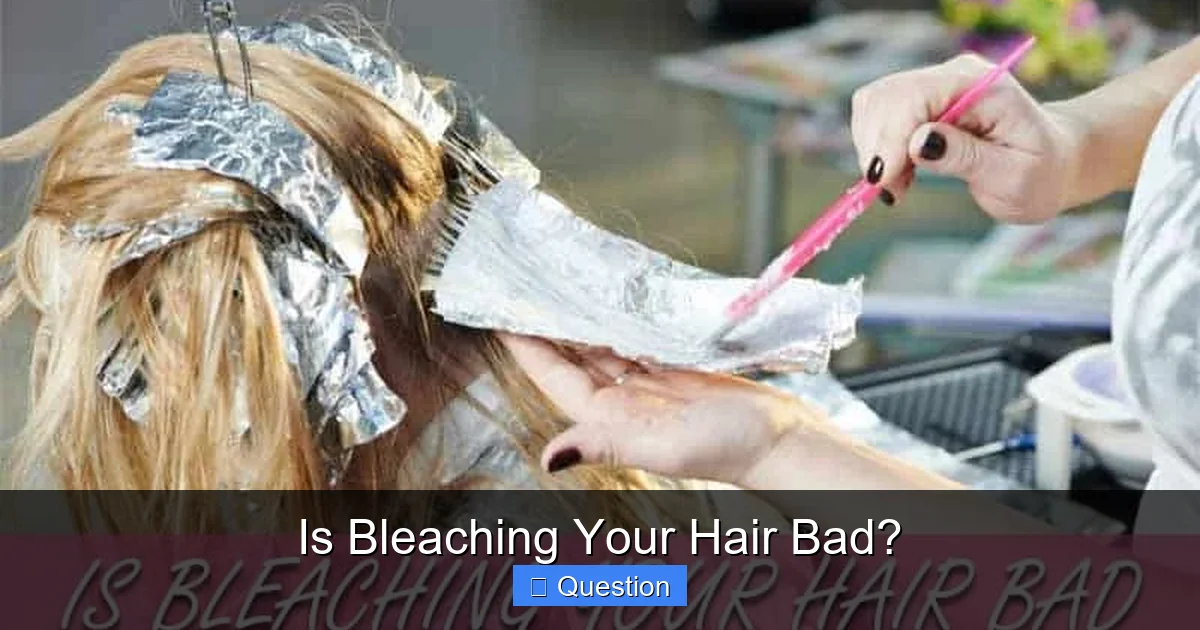
Visual guide about Is Bleaching Your Hair Bad?
Image source: laylahair.com
Dryness and Brittleness
One of the most immediate effects of bleaching is extreme dryness. The process strips away the natural oils (sebum) that protect and lubricate your hair. Additionally, the compromised cuticle layer can’t effectively seal in moisture, leading to:
- Rough Texture: Your hair might feel straw-like or coarse.
- Lack of Shine: Dry hair struggles to reflect light, resulting in a dull appearance.
- Increased Porosity: While it can absorb water quickly, it loses it just as fast, leading to a constant battle with hydration.
Breakage and Split Ends
This is perhaps the most feared consequence of bleaching. When the protein bonds in your hair are weakened, the hair becomes less elastic and more fragile. This makes it highly susceptible to snapping and breaking, especially when wet or when styled with heat or tension. Split ends are also far more common, as the weakened hair shaft frays easily.
Imagine a rope that’s been frayed and stretched – it’s much easier for it to snap under pressure. Your bleached hair acts similarly.
Frizz and Dullness
A damaged cuticle layer that no longer lies flat is a recipe for frizz. When the cuticles are open and rough, moisture from the air can easily enter, causing the hair shaft to swell and appear frizzy. As mentioned, the rough surface also diffuses light instead of reflecting it, leading to a dull, lackluster look, even if your color is perfect.
Scalp Irritation and Chemical Burns
Beyond the hair itself, bleaching agents can irritate the scalp. The chemicals are strong and can cause redness, itching, and a burning sensation. In severe cases, especially with improper application or if left on too long, chemical burns can occur, leading to blisters, scabbing, and even temporary hair loss in the affected area. This is why a patch test is absolutely crucial.
Minimizing Damage: How to Bleach Your Hair (Relatively) Safely
So, is bleaching your hair bad beyond repair? Not necessarily. While some damage is inevitable, there are many ways to significantly minimize its impact and protect your hair. The key is preparation, proper execution, and ongoing care.
Professional vs. DIY Bleaching
This is arguably the most critical decision. If you’re serious about minimizing damage, a professional stylist is always the best choice.
- Pros of a Professional: Stylists have extensive training in hair chemistry, understand different hair types, and can accurately assess your hair’s health. They use professional-grade products, know the correct developer strengths, and can apply bleach evenly and safely. They can also use bond-building treatments effectively.
- Risks of DIY: At-home bleaching kits are powerful and unforgiving. Without proper technique, you risk uneven color, severe damage, chemical burns, or needing costly color corrections down the line. It’s often a false economy.
For something as impactful as bleaching, investing in a professional is an investment in your hair’s health.
Pre-Bleach Hair Health
The healthier your hair is before you bleach it, the better it will withstand the process. Think of it like preparing for surgery – you want to be in the best possible condition.
- Strengthen & Hydrate: For a few weeks leading up to your appointment, focus on deep conditioning treatments, protein masks, and avoiding heat styling.
- Avoid Other Chemicals: Do not bleach hair that has recently been permed, relaxed, or treated with strong chemical dyes (especially henna or metallic dyes, which can react catastrophically with bleach).
- Be Honest: Tell your stylist everything about your hair’s history – previous colors, treatments, and any concerns.
Strand and Patch Tests
Any reputable stylist will perform these, and you should too if attempting DIY (though again, not recommended).
- Patch Test: Apply a tiny amount of bleach mixture to a small area of skin (e.g., behind your ear) 48 hours before full application. This checks for allergic reactions or sensitivities.
- Strand Test: Apply the bleach mixture to a small, hidden section of your hair. This helps determine how quickly your hair lightens, what undertones will be revealed, and how your hair reacts to the bleach, preventing unwelcome surprises.
Bond-Building Treatments (Olaplex, K18, etc.)
These revolutionary treatments have changed the game for minimizing damage during bleaching. Products like Olaplex, K18, and Redken Acidic Bonding Concentrate work by reconnecting the broken disulfide bonds within the hair shaft, which are disrupted during the bleaching process. They are often mixed directly into the bleach by professionals or used as standalone treatments. While they don’t prevent all damage, they significantly reduce it, leaving hair stronger and healthier than it would be otherwise. Consider them a non-negotiable if you are serious about bleaching your hair responsibly.
Aftercare is Key: Post-Bleaching Hair Care Essentials
You’ve gone blonde, congratulations! Now the real work begins. The question “Is bleaching your hair bad?” becomes less about the initial process and more about how you care for it afterward. Diligent aftercare is absolutely crucial for maintaining the health and integrity of your bleached strands.
Gentle Cleansing and Conditioning
- Sulfate-Free Products: Sulfates can be harsh and further strip moisture from already fragile hair. Opt for sulfate-free shampoos and conditioners specifically designed for color-treated or damaged hair.
- Cooler Water: Hot water can open the cuticle, allowing color to fade and moisture to escape. Wash your hair with lukewarm water and finish with a cool rinse to help seal the cuticle.
- Condition Religiously: Use a good quality, hydrating conditioner every time you wash your hair.
Moisture, Moisture, Moisture
Bleached hair is thirsty hair. You need to replenish the moisture that was lost during the process.
- Deep Conditioning Masks: Use a deep conditioning treatment or hair mask 1-2 times a week. Look for ingredients like shea butter, argan oil, coconut oil, and keratin.
- Leave-in Conditioners/Oils: Apply a leave-in conditioner or a lightweight hair oil (like argan or jojoba oil) to damp hair to provide continuous hydration and protection.
- Humectants: Ingredients like hyaluronic acid or glycerin in your products can help draw moisture from the air into your hair.
Heat Styling Caution
Heat is a major enemy of bleached hair. It further dehydrates and weakens already fragile strands.
- Air Dry When Possible: Give your hair a break from heat tools as much as you can.
- Use Heat Protectant: If you must use heat, always, always apply a high-quality heat protectant spray first.
- Lower Heat Settings: Use the lowest effective heat setting on your styling tools.
Regular Trims
Bleached ends are prone to split ends. Regular trims (every 6-8 weeks, even just a dusting) will help keep your hair looking fresh and prevent splits from traveling further up the hair shaft, preserving overall length and health.
Protect from Sun and Chlorine
Environmental factors can also damage bleached hair:
- UV Protection: Just like your skin, your hair can suffer sun damage. Use UV-protective hair sprays or wear a hat when exposed to direct sunlight for extended periods.
- Chlorine: Chlorine can dry out bleached hair and even turn it green. Wet your hair with clean water and apply a leave-in conditioner before swimming, and rinse immediately afterward.
When to Say No: Who Should Avoid Bleaching?
For some, the answer to “Is bleaching your hair bad?” might be an unequivocal yes. There are certain situations where bleaching is simply not advisable, as it can lead to irreparable damage or serious health issues.
Severely Damaged or Over-Processed Hair
If your hair is already exhibiting signs of extreme damage – excessive breakage, gumminess when wet, extreme elasticity, or a texture like cotton candy – it’s a clear signal to stop. Bleaching such hair would almost certainly lead to further catastrophic damage, potentially resulting in significant hair loss or chemical cutting (where the hair literally breaks off near the scalp).
A good stylist will refuse to bleach hair that is too compromised, prioritizing your hair’s health over a temporary color change.
Recent Chemical Treatments
Hair that has recently undergone other chemical treatments like perms, relaxers, or permanent straightening should not be bleached. The combination of these strong chemicals can be devastating to the hair’s structure, causing it to disintegrate. Always wait several months and ensure your hair is in prime condition before considering another chemical service.
Similarly, certain dyes, especially those containing metallic salts or some types of henna, can react unpredictably and dangerously with bleach, leading to severe damage, heat, or unusual color results.
Sensitive Scalp or Allergies
If you have a history of a highly sensitive scalp, eczema, psoriasis, or known allergies to hair products, bleaching can cause significant discomfort, irritation, or an allergic reaction. A patch test is non-negotiable, and if irritation occurs, bleaching should be avoided. Your scalp health is just as important as your hair’s.
Unrealistic Expectations
Sometimes, the “bad” aspect isn’t just physical damage but also emotional disappointment. If your natural hair color is very dark and you expect to go platinum blonde in one session without any damage, you might be setting yourself up for failure. Achieving dramatic lightening often requires multiple sessions and can still impact hair health. Understanding the limitations of your hair and being realistic about the achievable results is part of making a good decision about bleaching.
The Verdict: Is Bleaching Your Hair Bad? Balancing Risks and Rewards
So, after exploring the science, the downsides, and the damage control strategies, what’s the final verdict on “Is bleaching your hair bad?”
The honest answer is: yes, bleaching your hair is inherently damaging. It’s a powerful chemical process that strips away your natural pigment, disrupts the hair’s structural bonds, and significantly impacts its moisture levels. There’s no way around that fundamental truth. Your hair will never be exactly the same as virgin, unbleached hair.
However, “bad” doesn’t necessarily mean “catastrophic” or “to be avoided at all costs.” With the right approach, professional expertise, and a dedicated aftercare routine, the damage from bleaching can be minimized and managed effectively. Many people successfully bleach their hair repeatedly and maintain relatively healthy-looking, vibrant results.
It comes down to an informed decision and a commitment. If you understand the risks, are willing to invest in professional services, bond-building treatments, and a rigorous post-bleach hair care regimen, then the rewards of achieving your desired hair color might outweigh the manageable downsides. If you’re looking for a quick, cheap fix, or aren’t prepared for the commitment to maintenance, then bleaching your hair might indeed turn out to be a “bad” experience for you.
Ultimately, the decision to bleach your hair is a personal one. Weigh the allure of a new look against the potential for damage and the commitment required to keep your strands happy. By being prepared and proactive, you can transform your hair without completely sacrificing its health.
Frequently Asked Questions
How long does the damage from bleaching last?
The damage from bleaching is permanent, as the hair’s structure is chemically altered. However, with consistent and diligent aftercare, including deep conditioning and bond-building treatments, the appearance and feel of your hair can significantly improve over time, making it seem much healthier.
Can bleached hair ever be healthy again?
While bleached hair can never revert to its virgin, untouched state, it can certainly be made to *look* and *feel* healthy. Through regular moisturizing, protein treatments, bond repair, and protection, you can restore much of its strength, shine, and manageability, making it appear very healthy.
What’s the best way to repair severely damaged bleached hair?
For severely damaged bleached hair, a multi-pronged approach is best. This includes frequent deep conditioning masks, bond-building treatments (like Olaplex or K18), reducing heat styling, using gentle hair products, and getting regular trims to remove split and fragile ends.
How often can I safely bleach my hair?
The frequency depends heavily on your hair’s health and how much lightening is needed. Generally, touch-ups for roots might be done every 6-8 weeks, but full head bleaching should be spaced out significantly more, often several months apart, to give your hair time to recover and strengthen between sessions.
Does using natural ingredients for bleaching work, and is it less damaging?
Natural ingredients like lemon juice or chamomile tea can provide very subtle lightening effects, primarily when exposed to sun. However, they are not effective for significant color changes and can still be dehydrating. They are much less damaging than chemical bleach but also far less powerful.
Is balayage or highlights less damaging than full head bleaching?
Generally, yes. Balayage and highlights involve applying bleach only to specific sections of the hair, often away from the roots, rather than saturating every strand. This means less overall hair is exposed to the harsh chemicals, which significantly reduces the potential for widespread damage compared to a full head bleach.