
Is Silk or Satin Better for Hair?
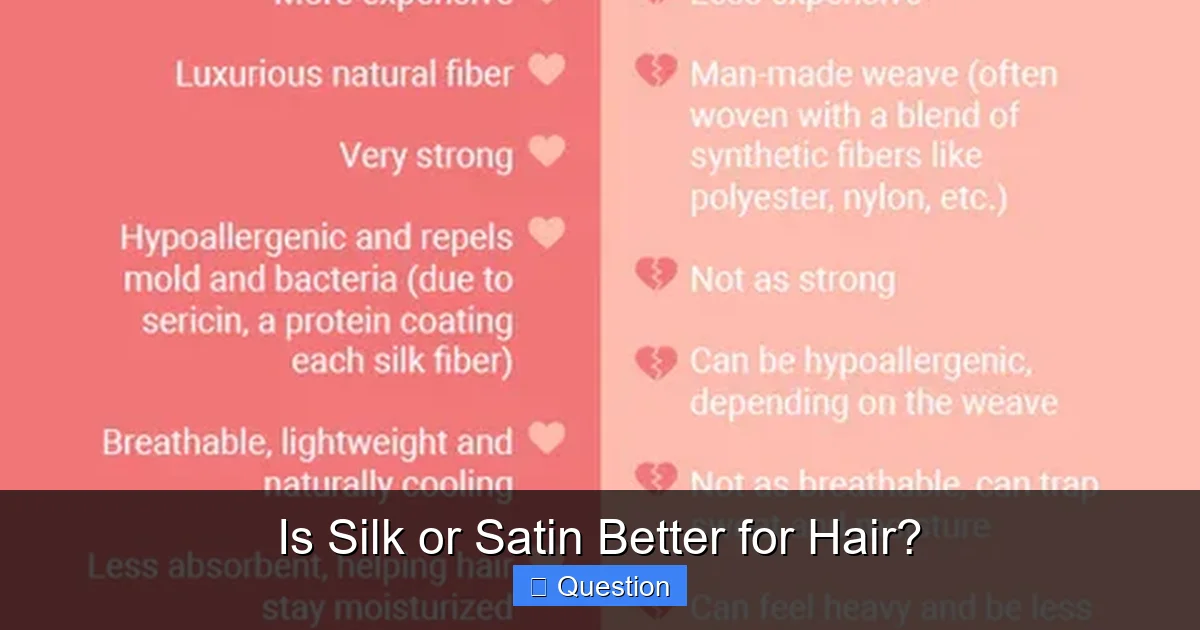
When debating is silk or satin better for hair, it’s essential to understand their key differences. Silk is a natural fiber known for its smooth surface and protein structure, offering superior benefits like reduced friction, hydration, and breathability for hair and skin. Satin, on the other hand, is a weave that creates a glossy surface, often made from synthetic materials like polyester, providing a similar slippery feel at a more affordable price point. While both can reduce hair friction, silk generally offers more comprehensive hair health advantages due to its natural properties.
Is Silk or Satin Better for Hair?
Have you ever woken up with a case of “bed head” that felt like a tangled bird’s nest? Or perhaps you’ve noticed your hair looking dull, frizzy, and prone to breakage despite all your best efforts? If so, you’re not alone! Many of us grapple with these common hair woes, often without realizing that our choice of pillowcase could be a major culprit. For years, beauty enthusiasts, hairstylists, and dermatologists have been touting the benefits of swapping out traditional cotton pillowcases for more hair-friendly alternatives like silk and satin.
But here’s where the confusion often begins: are silk and satin the same thing? Is one truly superior to the other when it comes to keeping your precious strands smooth, shiny, and strong? This is a question many people ponder when trying to improve their hair health. The good news is, you’ve come to the right place! We’re here to unravel the mystery and provide a clear, comprehensive answer to the age-old debate: is silk or satin better for hair?
In this article, we’ll dive deep into the unique characteristics of both silk and satin. We’ll explore what makes each fabric special, weigh their pros and cons for hair health, and help you make an informed decision that suits your hair type, lifestyle, and budget. Get ready to transform your nighttime routine and wake up to healthier, happier hair!
Key Takeaways
- Natural vs. Weave: Silk is a natural protein fiber from silkworms, while satin is a type of weave that can be applied to various fibers, most commonly polyester or a blend. This is the fundamental difference.
- Hair Health Benefits: Both silk and satin reduce friction on your hair, minimizing frizz, tangles, and breakage compared to cotton. This means smoother, healthier-looking hair.
- Moisture Retention: Silk’s natural, protein-based structure is less absorbent than cotton, helping your hair retain its natural oils and moisture. Satin, especially polyester satin, is also non-absorbent, but lacks silk’s natural protein benefits.
- Breathability and Temperature: Silk is naturally breathable and a good temperature regulator, keeping you cool in summer and warm in winter. While satin can feel smooth, its breathability depends entirely on the fiber it’s made from.
- Durability and Care: Genuine silk requires delicate care, often hand-washing or dry cleaning. Satin, particularly polyester satin, is generally more durable and easier to machine wash, making it a lower-maintenance option.
- Price Point: Silk is significantly more expensive due to its natural origin and complex production process. Satin provides a budget-friendly alternative that still offers many anti-friction benefits for hair.
- Making Your Choice: If budget and ease of care are primary concerns, high-quality satin is a great choice. If you prioritize natural fibers, superior breathability, hypoallergenic properties, and maximum hair (and skin) benefits, genuine silk is the ultimate luxury.
📑 Table of Contents
- Why Does Your Pillowcase Matter for Hair Health?
- Understanding Silk: Nature’s Luxurious Secret
- Understanding Satin: The Weave That Mimics Luxury
- Head-to-Head Comparison: Is Silk or Satin Better for Hair?
- Beyond Pillowcases: Silk and Satin Accessories
- Making Your Choice: Which One Is Right For You?
- Conclusion: The Smooth Path to Healthier Hair
Why Does Your Pillowcase Matter for Hair Health?
Before we compare silk and satin, let’s understand why your pillowcase plays such a crucial role in the condition of your hair. It might seem like a minor detail, but eight hours of nightly contact can have a significant impact.
The Problem with Cotton
Most conventional pillowcases are made from cotton. While cotton is soft and breathable, its fibers have a naturally rough, textured surface. When you toss and turn at night, your hair rubs against this surface, creating friction. This friction can lead to several problems:
- Frizz and Flyaways: The friction roughs up your hair’s cuticle layer, causing it to lift and resulting in frizz and static.
- Hair Breakage: Constant tugging and pulling against cotton fibers can weaken your hair strands, leading to breakage, split ends, and thinning over time.
- Tangles and Knots: Cotton’s texture can catch on your hair, especially if it’s long or prone to tangling, making for a messy morning routine.
- Moisture Loss: Cotton is a highly absorbent material. It can wick away essential moisture and natural oils from your hair, leaving it dry, dull, and more susceptible to damage. This is particularly problematic for those with naturally dry, curly, or color-treated hair.
This is where smoother fabrics like silk and satin come in, promising a gentler sleep environment for your locks. The question, then, becomes is silk or satin better for hair?
Understanding Silk: Nature’s Luxurious Secret
Visual guide about Is Silk or Satin Better for Hair?
Image source: soffipillows.com
Silk is often considered the gold standard for hair (and skin) care, and for good reason. But what exactly is silk?
What is Silk?
Silk is a natural protein fiber produced by certain insect larvae, most commonly silkworms. The most popular type used in textiles is Mulberry silk, known for its exceptional smoothness and strength. It’s renowned for its lustrous appearance, incredibly soft feel, and breathable qualities.
Benefits of Silk for Hair
When we consider is silk or satin better for hair, silk offers a range of unique advantages due to its natural properties:
- Reduced Friction: Silk has an incredibly smooth surface, almost frictionless. This means your hair glides over it without snagging, significantly reducing frizz, static, and breakage.
- Retains Moisture: Unlike cotton, silk is far less absorbent. It allows your hair to retain its natural oils and applied hair products, keeping your strands hydrated, shiny, and less prone to dryness. This is especially beneficial for curly, coily, or dry hair types.
- Hypoallergenic and Gentle: Silk is naturally hypoallergenic and resistant to dust mites, mold, and fungi, making it an excellent choice for those with sensitive skin or allergies. Its gentle nature also extends to your scalp.
- Breathable and Temperature Regulating: As a natural fiber, silk is highly breathable. It helps regulate temperature, keeping you cool in the summer and warm in the winter, which contributes to a more comfortable sleep and less scalp sweat.
- Protein Structure: Silk is composed of amino acids, similar to the proteins found in human hair and skin. This natural affinity is thought to contribute to its hair-nurturing properties.
Considerations for Silk
While silk is undeniably fantastic, there are a couple of points to keep in mind:
- Price: Genuine silk, especially high-quality Mulberry silk, is significantly more expensive than other fabrics due to the intricate farming and production processes.
- Care: Silk requires delicate care. It often needs hand washing or dry cleaning, and harsh detergents can damage its fibers.
Understanding Satin: The Weave That Mimics Luxury
Now, let’s turn our attention to satin. Many people confuse silk with satin, but they are fundamentally different.
What is Satin?
Satin isn’t a fiber; it’s a type of weave. The satin weave creates a fabric with a glossy, smooth surface on one side and a duller finish on the other. This particular weave technique can be applied to various fibers, which is key to understanding its properties.
Common Materials for Satin
While satin can technically be woven from silk (resulting in “silk satin”), it is most commonly made from synthetic fibers, primarily:
- Polyester Satin: This is the most common and affordable type of satin. It’s made from polyester, a synthetic petroleum-based fiber.
- Nylon Satin: Another synthetic option, similar to polyester.
- Blended Satin: Sometimes satin is made from a blend of natural and synthetic fibers, like rayon and polyester.
When people refer to “satin pillowcases” in the context of affordability, they are almost always referring to polyester satin.
Benefits of Satin for Hair
So, is silk or satin better for hair when considering satin? Here’s what satin brings to the table:
- Reduced Friction: The primary benefit of satin, especially polyester satin, is its smooth, slippery surface. This smooth weave significantly reduces friction on your hair, leading to less frizz, fewer tangles, and decreased breakage, similar to silk.
- Affordability: Satin, particularly polyester satin, is much more affordable than genuine silk, making it an accessible option for those on a budget.
- Easy Care: Most polyester satin fabrics are durable and can be machine washed, making them a low-maintenance choice.
- Non-Absorbent: Like silk, synthetic satin is also non-absorbent, meaning it won’t strip your hair of its natural moisture or hair products.
Considerations for Satin
While satin is a great alternative, it does have some distinctions from silk:
- Breathability: Polyester satin is not as breathable as natural silk. It can trap heat, which might be uncomfortable for some people, especially hot sleepers.
- Feel and Durability: While smooth, synthetic satin might not feel as luxurious or soft to the touch as genuine silk. Its durability can vary depending on the quality of the polyester used.
- Environmental Impact: As a synthetic, petroleum-based fabric, polyester satin has a higher environmental footprint in its production compared to natural silk.
Head-to-Head Comparison: Is Silk or Satin Better for Hair?
Now that we’ve explored each fabric individually, let’s put them side-by-side to definitively answer the question: is silk or satin better for hair?
Hair Health Benefits: Near Equal, But Silk Edges Out
Both silk and satin excel at reducing friction, which is the cornerstone of their hair-friendly claims. They both prevent frizz, tangles, and breakage by allowing hair to glide smoothly. However, silk has a slight edge due to its natural protein structure, which is thought to be more compatible with hair and skin, and its superior moisture retention and breathability. While synthetic satin is non-absorbent, it doesn’t offer the same natural benefits as silk’s amino acid composition.
Moisture Retention: Silk Wins
While both fabrics are non-absorbent, silk’s natural fibers are better at helping hair retain moisture because they don’t actively draw it out like cotton. Satin made from polyester also won’t absorb moisture, but it doesn’t offer the same natural hair-friendly properties as silk.
Breathability and Temperature Regulation: Silk Wins
Silk is a natural fiber that breathes beautifully, helping to regulate your body temperature. This means a cooler sleep in summer and warmth in winter. Synthetic satin, on the other hand, can feel warm and may not be as comfortable for hot sleepers, as it doesn’t allow air to circulate as freely.
Hypoallergenic Properties: Silk Wins
Genuine silk is naturally hypoallergenic, resistant to dust mites, mold, and mildew. Synthetic satin does not inherently possess these hypoallergenic qualities, though it can still be a good option for those sensitive to cotton.
Durability and Care: Satin (Polyester) Wins for Ease
Polyester satin is generally more durable and much easier to care for than genuine silk. Most satin pillowcases can be machine washed, making them a practical choice for busy individuals. Silk requires more delicate handling, often hand washing or dry cleaning, to maintain its integrity and longevity.
Price Point: Satin Wins
This is where satin truly shines for many consumers. Polyester satin products are significantly more affordable than genuine silk items, making the benefits of reduced hair friction accessible to a wider audience.
The Verdict: Is Silk or Satin Better for Hair?
If budget is no object and you prioritize natural fibers, superior breathability, hypoallergenic properties, and the absolute maximum benefits for both your hair and skin, then genuine silk is better. It offers a more luxurious feel and additional advantages beyond just reducing friction.
However, if you’re looking for an affordable, effective way to reduce hair friction, frizz, and breakage, with easy care, then high-quality polyester satin is an excellent choice. It provides many of the practical hair benefits of silk at a fraction of the cost.
Beyond Pillowcases: Silk and Satin Accessories
The benefits of silk and satin aren’t limited to pillowcases. These fabrics are increasingly popular in various hair accessories aimed at protecting your locks throughout the day and night.
Scrunchies and Hair Ties
Traditional elastic hair ties can tug and pull at your hair, causing dents, breakage, and damage, especially when worn for extended periods. Silk or satin scrunchies offer a gentler alternative.
- Reduced Snagging: Their smooth surface allows them to glide over hair, preventing snagging, pulling, and creasing.
- Less Tension: They distribute tension more evenly, which is better for delicate strands.
Whether you choose silk or satin for these accessories often comes down to the same factors: budget, natural fiber preference, and desired level of luxury.
Hair Bonnets, Wraps, and Turbans
For those who want maximum overnight hair protection, especially individuals with curly, coily, or textured hair, silk or satin bonnets, wraps, and turbans are invaluable.
- Complete Coverage: They fully enclose your hair, protecting it from friction with your pillowcase (even if it’s silk or satin!).
- Moisture Retention: They help keep moisture locked into your hair, preventing dryness and preserving hairstyles like braids, twists, and blowouts.
- Preserves Style: Wakening up with your style intact means less restyling, less heat, and ultimately healthier hair.
Again, when asking is silk or satin better for hair in this context, the answer largely mirrors the pillowcase debate – silk for natural luxury, satin for effective affordability.
Making Your Choice: Which One Is Right For You?
Deciding whether silk or satin is better for your hair ultimately comes down to your personal priorities. Here’s a quick guide to help you choose:
Choose Silk If:
- You prioritize natural fibers: You prefer materials that come from nature.
- Budget is not a primary concern: You’re willing to invest in a premium product.
- You have sensitive skin or allergies: Silk’s hypoallergenic properties are a significant plus.
- You want superior breathability and temperature regulation: You’re a hot sleeper or simply want the most comfortable experience.
- You desire maximum hair AND skin benefits: Silk is also highly beneficial for skin, reducing sleep creases and retaining moisture.
- You don’t mind delicate care: You’re prepared to hand wash or follow specific care instructions.
Choose Satin (Polyester) If:
- You’re on a budget: You want the hair benefits without the high price tag.
- You prioritize easy care: You prefer machine-washable items for convenience.
- You’re new to hair-friendly fabrics: It’s a great entry point to see the benefits for your hair.
- You’re looking for friction reduction primarily: Your main goal is to reduce frizz, tangles, and breakage.
- Environmental concerns about synthetic fabrics are not your top priority.
No matter which you choose, the most important step is transitioning away from abrasive cotton. Both silk and satin offer a smoother, kinder surface for your hair, paving the way for healthier, happier strands.
Conclusion: The Smooth Path to Healthier Hair
The journey to healthier hair often involves small but impactful changes to our daily routines. Swapping out your traditional cotton pillowcase for one made of silk or satin is one such change that can make a remarkable difference. When asking “is silk or satin better for hair?”, it’s clear both offer significant advantages over cotton, primarily by drastically reducing friction, tangles, and moisture loss.
Silk, as a luxurious natural fiber, provides an unparalleled blend of smoothness, breathability, moisture retention, and hypoallergenic properties. It’s the ultimate indulgence for your hair and skin, offering comprehensive benefits that stem from its unique protein structure. Satin, on the other hand, provides an accessible and effective alternative. By employing a specific weave, it delivers the essential smooth surface needed to protect your hair, all at a more budget-friendly price point and with easier care.
Ultimately, the “better” choice depends on your personal preferences, budget, and how much you value natural fibers and superior sensory experiences. Whether you opt for the natural elegance of silk or the practical benefits of satin, you’ll be giving your hair the gentle care it deserves, leading to fewer bad hair days and more mornings waking up with soft, smooth, and revitalized locks. So go ahead, treat your hair to the luxury it deserves, and enjoy the beautiful results!
Frequently Asked Questions
What is the main difference between silk and satin?
The main difference is that silk is a natural protein fiber produced by silkworms, while satin is a type of weave that can be made from various fibers, most commonly synthetic polyester or silk itself. This distinction impacts their properties, cost, and care.
Will a satin pillowcase really help with frizz?
Yes, a satin pillowcase can significantly help reduce frizz. Its smooth, slippery surface creates less friction on your hair compared to a cotton pillowcase, preventing the hair cuticle from roughing up and leading to smoother hair with less static and frizz.
Is silk worth the higher price for hair benefits?
For many, silk is worth the higher price due to its natural protein composition, superior breathability, excellent moisture retention, and hypoallergenic properties, which benefit both hair and skin more comprehensively than synthetic satin. However, synthetic satin still provides excellent friction reduction at a lower cost.
Can satin cause my hair to get hot at night?
Polyester satin can sometimes feel warmer than natural silk because synthetic fibers are typically less breathable. While it provides a smooth surface, it may trap more heat, which could be a consideration for hot sleepers, whereas natural silk is a better temperature regulator.
How do I care for silk vs. satin pillowcases?
Genuine silk usually requires delicate care, often hand washing with a gentle detergent or dry cleaning to maintain its quality. Polyester satin, being more durable, is generally machine washable on a gentle cycle with cold water, making it much easier to maintain.
Are silk or satin scrunchies better for hair than elastic ones?
Yes, both silk and satin scrunchies are far better for hair than traditional elastic ones. Their smooth surface prevents snagging, pulling, and creasing, which minimizes breakage, dents, and damage, making them a much gentler option for tying back your hair.