
Should I Cut My Hair?

The question, “Should I cut my hair?” is a common one, driven by myriad factors from hair health to emotional shifts. This comprehensive guide helps you explore if it’s the right time for a change by assessing your hair’s condition, considering your lifestyle, and understanding the emotional impact of a new look. Ultimately, the best decision comes from a blend of practical considerations and personal desires, ensuring you feel confident and refreshed with your choice.
Should I Cut My Hair?
That familiar question, “Should I cut my hair?” It pops into our heads like a catchy tune, often without warning. Maybe you’re scrolling through social media, admiring a stunning new bob. Or perhaps you’ve just wrestled with a tangled knot for the fifth morning in a row. Whatever the trigger, the urge to change your hairstyle is a powerful one. It’s more than just a trim; it’s often a craving for a fresh start, a new look, or simply a feeling of control over something personal.
Deciding whether to take the plunge and cut your hair can feel like a monumental choice. After all, your hair is a significant part of your identity, a canvas for self-expression. It frames your face, tells a story about your personality, and even influences how you feel about yourself on any given day. So, when that little voice asks, “Should I cut my hair?”, it’s worth taking a moment to truly consider what’s behind the question. Let’s explore all the angles, from practical considerations to emotional impulses, to help you make a decision you’ll love.
Key Takeaways
- Hair Health is Key: Regular trims are essential for removing split ends and promoting healthier growth, even if you’re trying to grow it long.
- Consider Your Lifestyle: A shorter cut often means less styling time, while longer hair offers more versatility but requires more maintenance. Think about your daily routine.
- Emotional Impact Matters: A haircut can be a powerful emotional release, signifying a fresh start or a change in self-perception. Embrace this aspect of your decision.
- Face Shape & Personal Style: Research cuts that complement your face shape and align with your overall aesthetic. Don’t be afraid to try something new, but ensure it feels authentic to you.
- Consult a Professional: A good stylist can offer invaluable advice on what cut suits your hair type, face shape, and lifestyle, guiding you to an informed decision.
- Don’t Fear the Change: Hair grows back! If you’re hesitant, start with a subtle change, but remember that experimenting with your look can be fun and empowering.
📑 Table of Contents
- Why the Urge to Cut Your Hair? Unpacking Your Motivation
- Assessing Your Hair’s Current State: The Practical Check
- Lifestyle Check: What Does Your Hair Need from You?
- Exploring New Styles: What Would Suit You?
- The Big Chop vs. A Gentle Trim: Which Is Right for You?
- Preparing for Your Haircut: Making the Most of the Experience
- Conclusion: Your Hair, Your Choice
Why the Urge to Cut Your Hair? Unpacking Your Motivation
Before you even think about scissors, let’s dive into *why* you’re asking, “Should I cut my hair?” Understanding your motivation is the first step toward a satisfying outcome. Is it a sudden whim, a response to an external event, or something you’ve been pondering for a while?
The “Need a Change” Vibe
We all get bored sometimes, right? Our hair, especially if we’ve kept it the same way for years, can start to feel a bit… stagnant. A new haircut offers an instant refresh. It’s a quick way to shake things up without buying a new wardrobe or redecorating your entire house. It signals to the world, and more importantly to yourself, that you’re ready for something different. This can be especially true during times of transition, like starting a new job, moving, or after a major life event.
Responding to Hair Health Issues
Sometimes, the reason is purely practical. You look in the mirror and see split ends galore, breakage, or hair that just feels lifeless. Damaged hair can be frustrating to style and makes you feel less confident. When your hair is in poor condition, cutting it isn’t just a style choice; it’s often a necessary step to restore its health. You might find yourself saying, “I *should* cut my hair to get rid of all these split ends!”
Chasing Trends or Inspiration
The digital age means we’re constantly bombarded with stunning hair transformations. A celebrity rocks a daring pixie, or your favorite influencer sports a chic lob, and suddenly you’re thinking, “Could I pull that off? Should I cut my hair like that?” While inspiration is wonderful, it’s important to differentiate between a fleeting trend and a style that truly suits you.
The Emotional Connection to Hair
Hair has a profound emotional connection. Cutting it can symbolize letting go of the past, embracing a new chapter, or reclaiming control. A dramatic chop after a breakup, for instance, is almost a cliché for a reason – it’s incredibly empowering. It can feel like shedding old skin and stepping into a new version of yourself. This is a very valid and powerful reason to consider a significant change.
Assessing Your Hair’s Current State: The Practical Check
Visual guide about Should I Cut My Hair?
Image source: i.imgur.com
Now that you’ve considered your motivations, let’s get practical. Before you make any decisions about cutting your hair, take a good, honest look at its current condition. This will help you determine if a cut is a necessity, a luxury, or perhaps even something to postpone.
Identifying Damage: Split Ends, Breakage, and Dryness
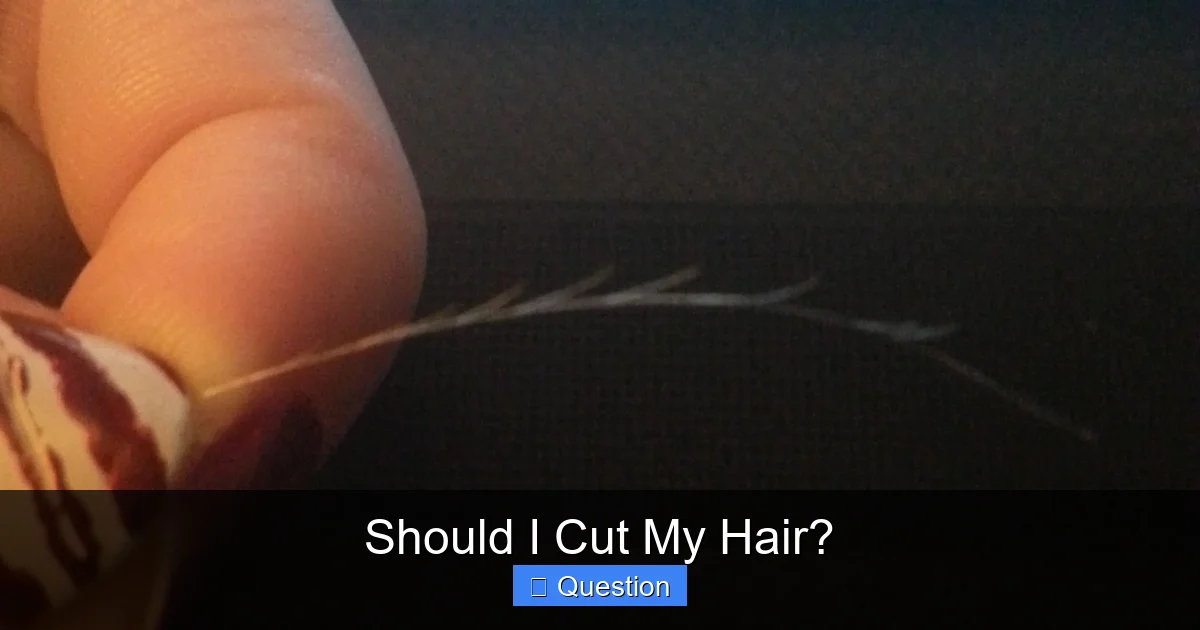
Grab a strand of hair and examine the ends. Do you see tiny white dots? Are the ends frayed or split into two or more strands? These are classic split ends, and they won’t magically repair themselves. Split ends can travel up the hair shaft, causing more damage. If you’re seeing a lot of these, a haircut isn’t just a good idea; it’s essential for maintaining the integrity of your hair.
Also, notice if your hair is breaking easily when you brush it or if it feels unusually dry and brittle. Heat styling, chemical treatments, and even environmental factors can strip your hair of moisture and elasticity. A good cut can remove the most damaged sections, giving your hair a clean slate to become healthier.
Considering Hair Growth and Goals
Are you trying to grow your hair long? This might seem counterintuitive, but regular trims (think every 8-12 weeks, just a quarter-inch off) are crucial for healthy growth. By removing split ends, you prevent them from traveling up and breaking off more length, ultimately allowing your hair to grow longer and stronger.
If you’re already at your desired length but still asking, “Should I cut my hair?”, maybe it’s time for a style refresh that maintains length while adding shape, layers, or texture.
Your Hair Type and Texture
Different hair types react differently to cuts. Fine hair can benefit from blunt cuts to create the illusion of fullness. Thick hair might need layers to reduce bulk and add movement. Curly hair needs specific cutting techniques to prevent frizz and enhance natural curl patterns. If you have very specific hair characteristics, a professional stylist’s advice will be invaluable here.
Lifestyle Check: What Does Your Hair Need from You?
Your daily routine plays a huge role in how practical a certain hairstyle will be. Before you commit to cutting your hair, consider how much time, effort, and money you’re willing to invest in its upkeep.
Time for Styling and Maintenance
This is a big one. Think about your mornings. Do you have 5 minutes or 30 minutes to get ready?
- Shorter Hair: Often quicker to wash, dry, and style. A pixie or a short bob might require less brushing and product but could need more frequent trims to maintain its shape.
- Longer Hair: Takes more time to wash and dry, and often requires more styling products. However, it offers more versatility for updos, braids, or simply wearing it down.
If you’re constantly running out the door, asking “Should I cut my hair for easier mornings?” is a very sensible question.
Product Use and Budget
Different hairstyles demand different products. A sleek bob might need smoothing serums, while textured layers might call for mousses or texturizing sprays. Consider the cost and availability of these products. If a new cut requires an entirely new product regimen, does that fit into your beauty budget and routine?
Professional vs. DIY
Are you someone who likes to do quick trims at home, or do you prefer to visit a salon every few weeks? Some cuts, especially highly structured or very short styles, require more precise maintenance that’s best left to a professional. If you’re someone who only visits a stylist twice a year, a low-maintenance cut might be a better fit. When considering “Should I cut my hair myself?” for a major change, the answer is almost always *no* – leave it to the pros for best results!
Exploring New Styles: What Would Suit You?
Okay, you’ve assessed your motivations and hair health. Now for the fun part: dreaming up your new look! This is where you move past “Should I cut my hair?” to “What kind of cut *should* I get?”
Understanding Face Shapes and Haircuts
A great haircut complements your face shape.
- Round Face: Long layers, side-swept bangs, or an asymmetrical bob can add angles and elongate the face.
- Oval Face: Considered the “ideal” face shape, almost any style works well, from pixies to long layers.
- Square Face: Softer layers, wispy bangs, or bobs that hit below the jawline can soften strong jawlines.
- Heart-Shaped Face: Long bobs, bangs, or styles that add fullness around the chin can balance a wider forehead.
- Long Face: Bobs, blunt bangs, or styles with volume at the sides can add width and reduce the appearance of length.
Don’t get too hung up on strict rules, but use this as a guide.
Gathering Inspiration
Hit up Pinterest, Instagram, fashion magazines, or even just observe people with great hair around you. Save photos of cuts you love. Pay attention to the hair texture and color in the photos – does it match yours? Look for multiple angles of a style to get a full picture. When you go to the salon, these photos will be your best communication tool.
Considering Layers, Bangs, or a Blunt Cut
- Layers: Add movement, volume, or remove bulk. They can soften a look or add drama.
- Bangs (Fringe): A fantastic way to change your look without losing much length. They can highlight your eyes, cover a forehead, or completely transform your face.
- Blunt Cut: Offers a strong, modern statement and can make fine hair appear thicker.
These are all ways to refresh your style without going for a drastic chop.
The Big Chop vs. A Gentle Trim: Which Is Right for You?
Sometimes the question “Should I cut my hair?” is loaded with the possibility of a truly dramatic transformation. But it doesn’t always have to be all or nothing.
Embracing the Big Chop
A “big chop” is a significant cut, often going from very long to very short (like a pixie or a very short bob). It’s a bold move that can feel incredibly liberating.
- Pros: Instant change, removal of all damaged hair, feeling lighter, empowering.
- Cons: Can be a shock, takes time to grow back if you don’t love it, might require a new styling routine.
If you’re feeling brave and truly ready for a radical change, the big chop might be for you.
Opting for a Gradual Change or Trim
If you’re hesitant, a gentle trim or a gradual change is a great starting point.
- Pros: Less commitment, easier to adjust, still offers a refresh without the shock factor.
- Cons: Might not satisfy a deep craving for change, results are more subtle.
You could start with adding layers, getting bangs, or taking off just a few inches to see how you like it. This allows you to ease into a shorter style if that’s your ultimate goal. Remember, even a small trim can make your hair look and feel healthier, bouncier, and more vibrant. So, if you’re not ready for a massive transformation but still thinking, “Should I cut my hair?”, a good trim is always a safe bet.
Preparing for Your Haircut: Making the Most of the Experience
Once you’ve decided, “Yes, I *should* cut my hair!”, the next step is preparation. This ensures you get the exact style you want and have a positive salon experience.
Finding the Right Stylist
This is arguably the most crucial step. A great stylist understands hair, listens to your desires, and can offer expert advice. Ask friends for recommendations, check online reviews, and look for stylists whose work on social media aligns with the style you’re aiming for. Don’t be afraid to book a consultation before the actual cut – it’s a great way to discuss your ideas and get a feel for their expertise.
Effective Communication is Key
When you’re in the chair, be clear about what you want. Bring those inspiration photos! Describe what you like about the pictures. Explain your lifestyle, how much time you spend on your hair, and any concerns you have. If you’re growing out a certain style, or have hair issues, mention them. Don’t just say “a little off the ends”; be specific about how many inches, or point to a spot on your neck/shoulder where you’d like the length to hit. Make sure your stylist understands your “Should I cut my hair?” journey.
The Salon Experience and Aftercare
Enjoy the process! A good haircut should be a relaxing and pampering experience. Once your new cut is done, ask your stylist for tips on styling it at home, product recommendations, and how often they suggest you return for maintenance. Proper aftercare will help you maintain your new look and keep your hair healthy and vibrant until your next visit.
Conclusion: Your Hair, Your Choice
So, “Should I cut my hair?” After exploring all these angles, the answer boils down to *you*. It’s a personal decision driven by a mix of practical needs, aesthetic desires, and often, deep emotional impulses. Whether you’re craving a dramatic change, seeking to restore your hair’s health, or simply want a fresh look to match a new phase of life, there’s a good reason behind that question.
Remember, hair grows back. While a significant chop might feel daunting, it also offers a fantastic opportunity for self-discovery and a boost of confidence. Don’t be afraid to experiment, to embrace change, and to truly own your style. Consult with a professional, gather your inspiration, and most importantly, listen to what your intuition (and your hair!) is telling you. Go forth and make the cut – or decide to let it grow – with confidence and excitement for whatever comes next!
Frequently Asked Questions
How often should I cut my hair to keep it healthy?
For most people, a trim every 6-12 weeks is ideal to remove split ends and maintain healthy growth. If you have significant damage or a very precise style, you might need trims more frequently, perhaps every 4-6 weeks.
Will cutting my hair make it grow faster?
Cutting your hair doesn’t directly influence the speed at which it grows from the scalp. However, by removing split ends and damage, it prevents breakage and allows your hair to retain length, making it *appear* to grow faster and healthier.
What if I regret cutting my hair too short?
Regret is a natural feeling when making a big change! Remember that hair grows back. In the meantime, experiment with headbands, scarves, hair clips, or styling products to create different looks while you wait for it to lengthen.
How do I know what haircut will suit my face shape?
Understanding your face shape is a great start, but it’s best to consult a professional stylist. They can analyze your face, hair type, and lifestyle to recommend cuts that will flatter you most and achieve the look you desire.
Should I cut my hair if I have a lot of damage from coloring or heat styling?
Yes, absolutely. Severely damaged hair from coloring or heat styling will continue to break and look unhealthy until the damaged portions are removed. A good cut is often the first step to rehabilitating your hair and getting it back to a healthier state.
Can I just trim my own hair at home?
While minor trims of bangs or split ends can sometimes be managed at home with proper tools and technique, it’s generally recommended to see a professional stylist for any significant cut or style change. They have the skill and perspective to ensure an even, flattering result.