
What Is Frizzy Hair?
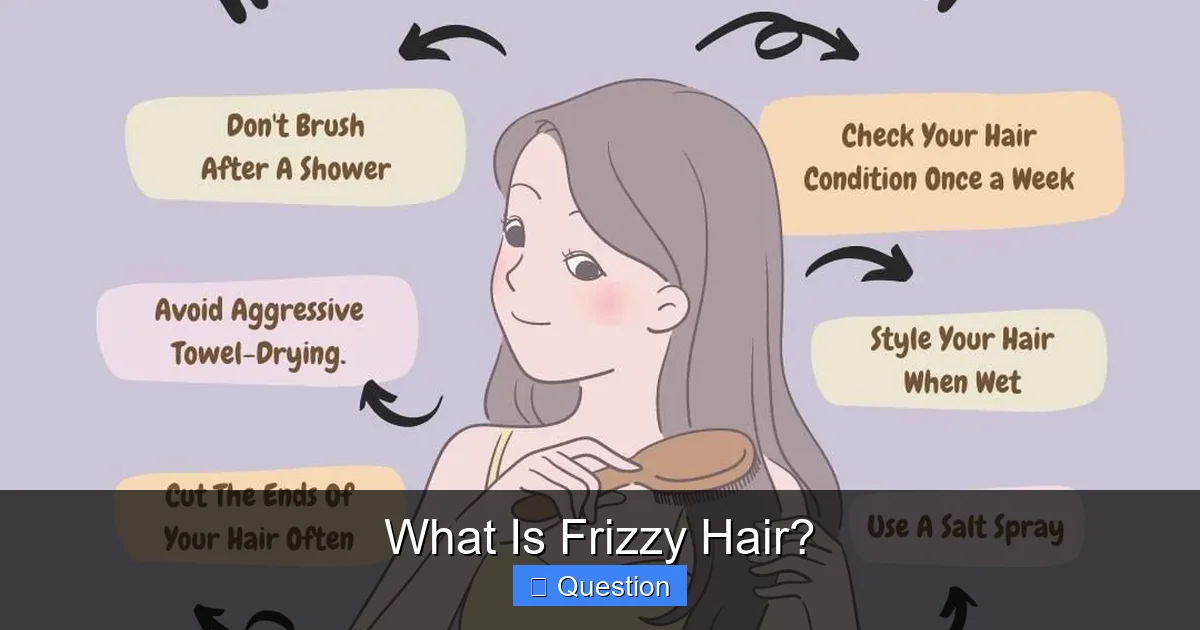
Frizzy hair occurs when the outer layer of your hair, the cuticle, is raised, allowing moisture to enter and swell the hair shaft. This often happens due to a lack of moisture, humidity, or damage, causing individual strands to appear dry, unruly, and stand away from the rest. Understanding the root causes of frizzy hair is the first step toward achieving smoother, more manageable tresses.
Have you ever looked in the mirror after stepping outside on a damp day and thought, “What just happened to my hair?!” Or maybe you wake up some mornings, and your usually obedient strands seem to have a mind of their own, creating a fluffy halo around your head. If this sounds familiar, you’re definitely not alone. Many of us grapple with this common hair challenge: frizzy hair.
But what exactly is frizzy hair? It’s more than just a bad hair day; there’s a science behind why our hair sometimes decides to defy gravity and sleekness. Understanding the root causes of frizzy hair is the first and most crucial step toward taming it. Once you know what makes your hair frizz, you can arm yourself with the right knowledge, products, and techniques to achieve the smooth, shiny locks you dream of.
In this article, we’re going to dive deep into the world of frizzy hair. We’ll explore its definition, unravel the mysteries of why it happens, look at different types of frizz, and most importantly, share practical, easy-to-follow tips and tricks to help you manage and prevent it. Get ready to transform your understanding of frizzy hair and empower yourself to have more good hair days than ever before!
Key Takeaways
- Understanding Frizz: Frizzy hair is essentially hair with a raised cuticle layer, which absorbs moisture from the air, causing the hair shaft to swell unevenly and appear rough or unruly.
- Main Causes of Frizz: The primary culprits for frizzy hair are dryness, humidity (especially high humidity), heat damage, chemical treatments, mechanical damage, and sometimes genetics.
- Hair Type Matters: While any hair type can experience frizz, naturally curly and wavy hair tends to be more prone to it due to its unique structure, which makes it harder for natural oils to travel down the hair shaft.
- Humidity’s Role: Hair tries to absorb moisture from the environment. In humid conditions, dry hair will aggressively pull in moisture, causing the cuticle to swell and result in visible frizz.
- Moisture is Key: Proper hydration is crucial for preventing and managing frizzy hair. Using moisturizing shampoos, conditioners, and leave-in treatments helps to smooth the cuticle and seal in moisture.
- Gentle Care is Essential: Rough towel-drying, excessive heat styling, and harsh brushing can lift the cuticle and contribute to frizz. Opt for micro-fiber towels, air drying, and gentle detangling.
- Product Power: Specific anti-frizz serums, oils, and styling creams can create a barrier against humidity and help smooth the hair cuticle, making hair look and feel softer and more controlled.
📑 Table of Contents
What Exactly Is Frizzy Hair?
Let’s start by defining what frizzy hair truly is. At its core, frizzy hair is hair that lacks smoothness. Instead of lying flat and uniform, individual hair strands appear dry, coarse, and stand away from the main body of your hair. Imagine a bundle of neatly arranged sticks versus a pile of scattered, unruly twigs – that’s a good visual for sleek hair versus frizzy hair.
The science behind this phenomenon lies in your hair’s structure. Each strand of hair is made up of several layers, and the outermost layer, called the cuticle, plays a critical role in whether your hair is smooth or frizzy.
The Anatomy of a Hair Strand
Think of your hair’s cuticle like shingles on a roof or scales on a fish. When your hair is healthy and well-moisturized, these cuticles lie flat and tightly overlapping. This smooth surface reflects light, giving your hair that coveted shine, and prevents moisture from easily entering or escaping the hair shaft. It also makes your hair feel soft and smooth to the touch.
How Frizz Happens
Frizz occurs when these protective cuticle scales are raised or roughed up. When the cuticle is open, your hair becomes porous. This means it’s more susceptible to losing its internal moisture and, conversely, absorbing moisture from the air. When your hair absorbs moisture from the surrounding environment (hello, humidity!), the hair shaft swells unevenly, causing individual strands to puff up and stand out. This uneven swelling is what we perceive as frizz.
So, in essence, frizzy hair is a visual symptom that indicates your hair’s cuticle is not lying flat. This could be due to a lack of internal moisture, external moisture trying to get in, or damage that has compromised the cuticle’s integrity.
The Main Culprits: Why Does Hair Get Frizzy?
Understanding the definition is one thing, but pinpointing the reasons your hair specifically gets frizzy is another. Several factors contribute to this frustrating phenomenon. Let’s break down the main culprits.
Visual guide about What Is Frizzy Hair?
Image source: collegefashion.net
Lack of Moisture is Key
This is arguably the biggest reason for frizzy hair. Dry hair is like a thirsty sponge. When your hair doesn’t have enough internal moisture, its cuticle layers naturally lift in an attempt to absorb moisture from anywhere it can find it. If your hair is naturally dry, or if your hair care routine isn’t providing enough hydration, you’re setting yourself up for frizz. This is especially true for hair types where natural oils struggle to travel down the entire strand, like curly or coily hair.
Humidity’s Role
Ah, humidity – the archenemy of many a good hair day! When the air is thick with moisture, your dry, parched hair sees it as an opportunity. As mentioned, if your hair’s cuticle is open (due to dryness or damage), it will eagerly soak up the excess water vapor from the humid air. This absorption causes the hair shaft to swell and puff out, leading to immediate and often dramatic frizz. This is why a perfectly styled hair day can turn into a fluffy disaster the moment you step outside on a rainy or humid day.
Hair Damage and Frizz
Damaged hair is almost synonymous with frizzy hair because damage directly affects the cuticle layer. Think about it:
- Heat Damage: Excessive use of hot tools (flat irons, curling irons, blow dryers) without proper heat protection can literally fry your cuticle, making it rough, brittle, and perpetually open.
- Chemical Damage: Treatments like coloring, bleaching, perms, or relaxers can alter the hair’s structure, often lifting or damaging the cuticle in the process.
- Mechanical Damage: This comes from physical stress on your hair. Rough towel-drying, vigorous brushing, tight hairstyles, or even just constantly touching your hair can cause the cuticle to become abraded and lift.
When the cuticle is compromised by damage, it can no longer lie flat, regardless of how much moisture is present, making the hair prone to frizz.
Genetics and Hair Type
Some people are simply more predisposed to frizzy hair than others, and genetics plays a significant role here.
- Curly and Wavy Hair: If you have naturally curly or wavy hair, you might notice it’s more prone to frizz. This is because the elliptical shape of curly hair strands means the cuticle scales don’t lie as flat as they do on straight hair. Plus, the twists and turns of curls make it harder for natural scalp oils (sebum) to travel down the entire hair shaft, leaving the ends drier and more susceptible to frizz.
- Fine Hair: While often associated with volume, fine hair can also get frizzy. Because the strands are so thin, even a slight puffiness can create a noticeable halo of frizz.
Knowing your hair type helps in choosing the right products and techniques to combat frizz effectively.
Understanding Different Types of Frizz
Frizz isn’t a one-size-fits-all problem; it can manifest in different ways. Recognizing the type of frizz you’re dealing with can help you target your solutions more effectively.
Halo Frizz
This is perhaps the most common and recognizable type of frizz. Halo frizz appears as a fluffy, fuzzy layer of shorter hairs that stand up and out, forming a “halo” around your head, especially at the crown. It’s often caused by new hair growth (baby hairs) struggling to lie flat, or by breakage that has resulted in shorter strands.
In-Strand Frizz
Unlike halo frizz, which affects the surface, in-strand frizz makes individual strands appear inconsistent, bumpy, or zigzaggy along their length. This often indicates damage within the hair shaft or severe dryness, causing certain sections of a strand to swell more than others. It can make your hair look dull and unhealthy.
Weather-Induced Frizz
This type of frizz is directly linked to environmental factors, primarily humidity. Your hair might be perfectly smooth indoors, but the moment you step into a humid climate, it puffs up dramatically. This is a clear sign that your hair is thirsty and absorbing moisture from the air.
Regardless of the type, the underlying principle is the same: the cuticle is open and absorbing moisture, or it’s damaged and cannot lie flat.
Practical Strategies to Combat Frizzy Hair
Now that we know what frizzy hair is and why it happens, let’s talk about how to fight back! Here are some practical tips to help you achieve smoother, more manageable hair.
Gentle Washing & Conditioning
- Sulfate-Free Shampoo: Sulfates are harsh detergents that can strip your hair of its natural oils, leading to dryness. Opt for a sulfate-free, moisturizing shampoo to cleanse without dehydrating.
- Don’t Overwash: Washing your hair too frequently can also strip essential oils. Try to extend the time between washes if possible.
- Deep Conditioning is Your Friend: A rich, hydrating conditioner is crucial. Apply it generously, especially to the mid-lengths and ends, and leave it on for a few minutes. Weekly deep conditioning treatments or hair masks can work wonders to infuse moisture and help seal the cuticle.
- Cold Rinse: Finishing your shower with a cool or cold rinse can help close the cuticle, trapping moisture inside and making your hair appear shinier and less prone to frizz.
Smart Drying Techniques
- Ditch the Rough Towel: Traditional terry cloth towels can create friction, roughing up the cuticle and leading to frizz. Instead, gently squeeze excess water from your hair with a microfiber towel or an old cotton t-shirt. Blot, don’t rub!
- Air Dry When Possible: Reducing heat exposure is key. If you have time, let your hair air dry as much as possible before reaching for a blow dryer.
- Blow Dry with Care: If you must blow dry, always use a heat protectant spray. Use a diffuser attachment on a cool or medium setting, directing the airflow downwards to help smooth the cuticle. Avoid aggressive drying that flings hair strands everywhere.
Choosing the Right Products
- Leave-In Conditioner: A good leave-in conditioner provides an extra layer of moisture and protection, helping to keep the cuticle smooth throughout the day.
- Anti-Frizz Serums & Oils: These products are designed to create a barrier against humidity and smooth down the cuticle. Look for ingredients like argan oil, silicone (in moderation), or natural butters. Apply a small amount to damp hair, focusing on the ends and frizzy areas.
- Styling Creams & Gels: For those with wavy or curly hair, specific curl-defining creams or gels can help clump curls together, reduce frizz, and hold their shape.
Protective Styling
Sometimes, simple styling choices can make a big difference:
- Gentle Brushing: Avoid dry brushing, especially with a stiff brush, which can create static and frizz. If you need to detangle, use a wide-tooth comb on damp hair, starting from the ends and working your way up.
- Loose Hairstyles: Tight ponytails or buns can cause tension and breakage. Opt for looser styles or use silk scrunchies that are gentler on your hair.
- Sleep on Silk: Sleeping on a silk or satin pillowcase reduces friction between your hair and the pillow, minimizing cuticle damage and morning frizz. Cotton pillowcases can be quite abrasive.
Lifestyle Habits for Smoother Strands
It’s not just about what you put on your hair; what you put in your body and how you live your life also impacts your hair’s health and frizz levels.
Hydration from Within
Just as your skin needs water to stay supple, your hair benefits from proper hydration. Drinking enough water throughout the day helps support overall health, including the health of your hair follicles. Well-hydrated cells contribute to stronger, more resilient hair strands that are less prone to dryness and frizz.
Balanced Diet for Hair Health
Your hair is a reflection of your internal health. A diet rich in essential vitamins, minerals, and proteins can significantly improve hair quality.
- Proteins: Hair is made of protein (keratin), so ensure you’re getting enough from sources like lean meats, fish, eggs, and legumes.
- Omega-3 Fatty Acids: Found in fatty fish, flaxseeds, and walnuts, these healthy fats help nourish the scalp and hair, promoting shine and reducing dryness.
- Vitamins and Minerals: Biotin, Vitamin E, Vitamin A, zinc, and iron are all crucial for healthy hair growth and structure. Include plenty of fruits, vegetables, and whole grains in your diet.
Think of your diet as building blocks for your hair; the better the blocks, the stronger the structure, and the less likely it is to fall prey to frizz.
Silk Pillowcases for the Win
We touched on this earlier, but it deserves its own spotlight. Cotton pillowcases can be quite abrasive and absorb moisture from your hair as you sleep, leading to friction, tangles, and dehydration. A silk or satin pillowcase, on the other hand, allows your hair to glide smoothly, minimizing friction and keeping your hair’s moisture intact. It’s a small change that can make a noticeable difference in reducing morning frizz and preventing breakage.
Managing frizzy hair doesn’t have to be a daily battle. By understanding its causes – mainly dryness, humidity, and damage – and implementing a consistent hair care routine that focuses on moisture, protection, and gentle treatment, you can significantly reduce frizz and achieve the smooth, healthy hair you desire. Experiment with different products and techniques, pay attention to how your hair responds, and remember that consistency is key. Your hair will thank you for it!
Embrace the journey to understanding your hair, and soon, those “what just happened?!” moments will become a thing of the past. Smooth, shiny, and frizz-free hair is within your reach!
Frequently Asked Questions
Is frizzy hair damaged hair?
Frizzy hair isn’t always damaged hair, but they are often related. While frizzy hair is primarily a sign of an open cuticle and lack of moisture, significant damage (from heat, chemicals, or mechanical stress) can also cause the cuticle to lift permanently, making the hair consistently frizzy and rough.
Can frizzy hair be curly?
Absolutely! In fact, naturally curly and wavy hair types are often more prone to frizz than straight hair. This is because their unique structure makes it harder for natural oils to travel down the hair shaft, leading to dryness, and the cuticle doesn’t lie as flat, making it more susceptible to humidity.
What is the best product for frizzy hair?
There isn’t a single “best” product, as it depends on your hair type and the cause of your frizz. However, look for moisturizing leave-in conditioners, anti-frizz serums or oils containing ingredients like argan oil or silicone, and hydrating hair masks. Heat protectants are also crucial if you use styling tools.
Why is my hair suddenly frizzy?
Sudden frizz can be due to a change in environment (like increased humidity), using new or harsh hair products that strip moisture, recent damage (a new coloring treatment or increased heat styling), or even hormonal changes affecting your hair’s texture and moisture balance.
Does brushing make frizzy hair worse?
Yes, often it does, especially if you brush dry hair aggressively. Brushing can create friction and static electricity, causing the cuticle to lift and individual strands to stand away from the head, resulting in more frizz. It’s usually best to detangle damp hair gently with a wide-tooth comb.
Is humidity good or bad for frizzy hair?
For frizzy hair, humidity is generally bad. When your hair lacks moisture, it tries to absorb it from the air. In humid conditions, dry hair aggressively pulls in this external moisture, causing the hair shaft to swell unevenly and the cuticle to lift, which results in significant frizz.